
Hear from Our Customers
Your drains empty. Your toilets flush without hesitation. You stop wondering if today’s the day sewage backs up into your basement.
That’s what a properly installed waste line does. It moves wastewater from your home to your cesspool without drama, without slow drains, and without the smell that tells you something’s already gone wrong.
Most line failures don’t announce themselves until it’s too late. A crack becomes a collapse. A minor sag turns into a full blockage. Then you’re dealing with backups, contamination, and emergency calls that cost more than the repair would have in the first place. Replacing your main waste line before it fails completely means you control the timeline and the cost.
We’ve handled septic and cesspool systems in San Remo for over a decade. We know the lot sizes here, the soil conditions, and what happens when waste lines fail in a neighborhood where properties sit close together.
San Remo’s layout doesn’t leave much room for error. Most lots are 20 by 100 feet, which means trenching and excavation work requires precision. We’ve replaced enough lines in this area to know where the challenges are before we break ground.
You’re not getting a generic approach. You’re getting a crew that’s done this exact work in your neighborhood more times than we can count.
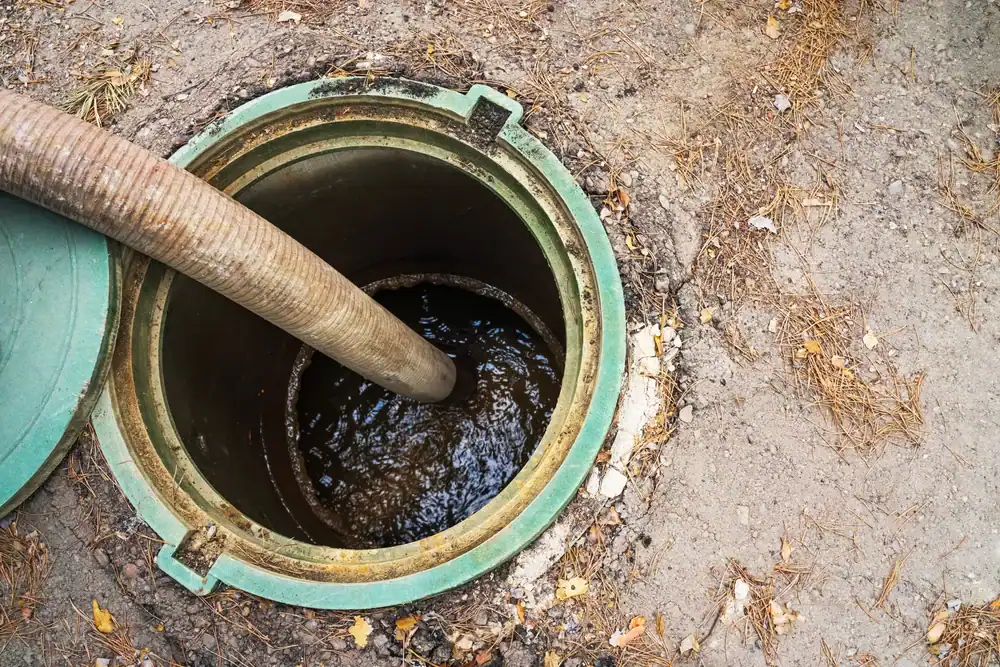
We start by locating your existing main waste line and cesspool. Then we assess the damage—whether it’s a partial failure, a full collapse, or just poor pitch that’s causing chronic backups.
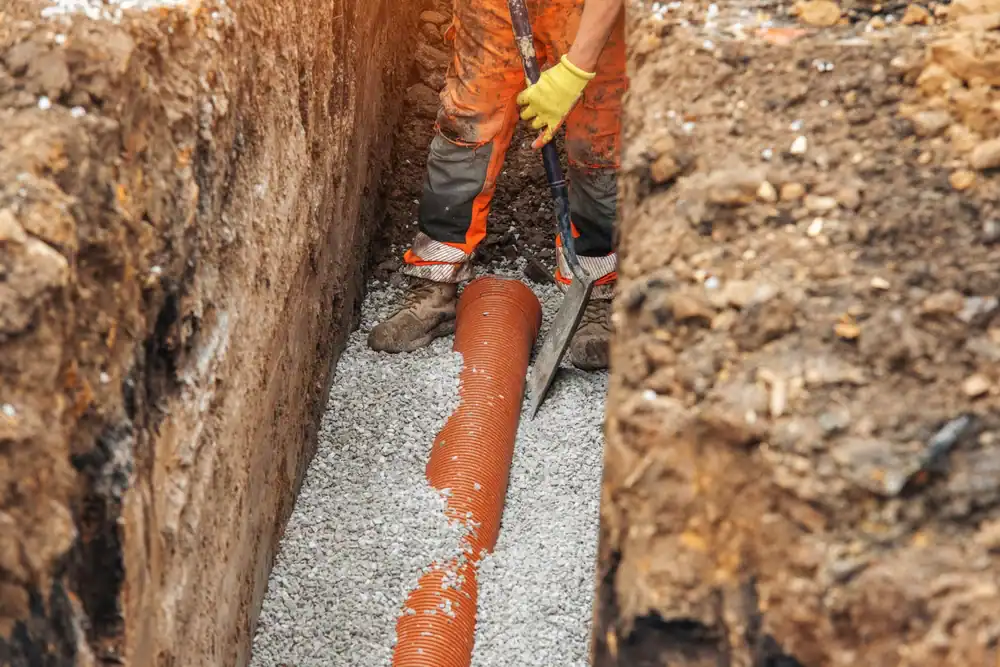
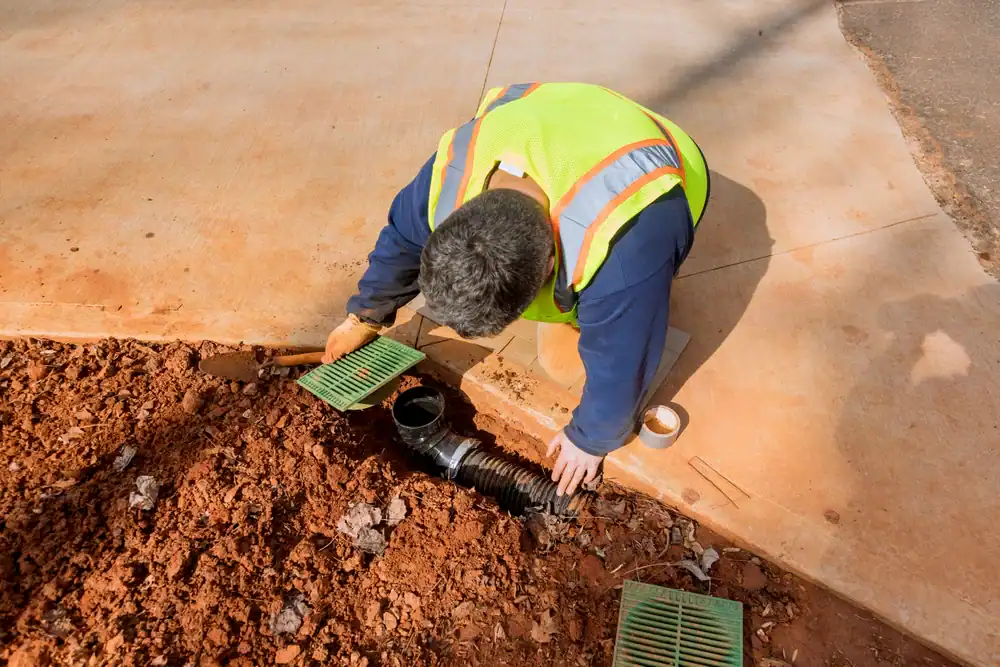
Next comes trenching and excavation. We dig down to expose the failed section, remove the old pipe, and prepare the trench for the new line. Depth and slope matter here. If the pipe pitch isn’t right, wastewater won’t flow properly, and you’ll end up with the same problems all over again.
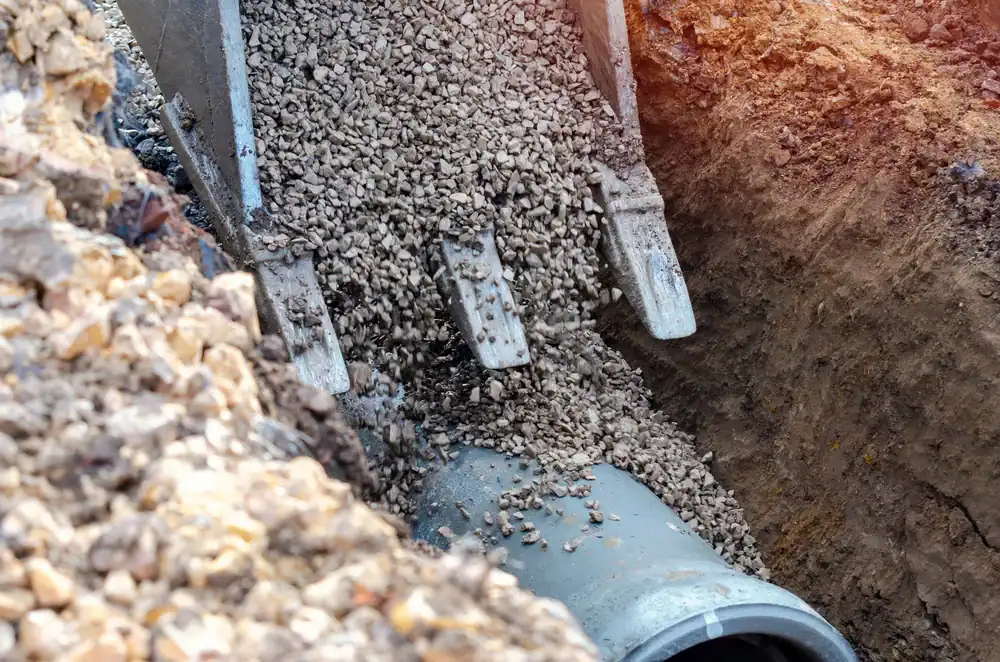
We install the new waste line with the correct slope—typically a quarter inch per foot—so gravity does its job. Then we connect it to your cesspool, backfill the trench, and test the system to make sure everything drains the way it should. You’ll know it’s done right because your drains will work like they’re supposed to.
Ready to get started?
You’re getting a full main waste line replacement, from your home’s foundation to your cesspool. That includes trenching, excavation, removal of the old line, and installation of new pipe at the proper pitch and slope.
We handle the connection work too—making sure the new line ties into your cesspool correctly and seals properly to prevent leaks or root intrusion down the road. In San Remo, where cesspools are the standard and lot sizes are tight, that connection work requires accuracy. A bad seal means contamination, odors, and eventual system failure.
If your line has failed due to age, ground shifting, or poor original installation, we’re also looking at the surrounding soil and drainage conditions. Suffolk County’s soil composition varies, and that affects how we backfill and compact the trench after the new line goes in. Settling or erosion after the fact creates new problems, so we make sure the trench is stable before we’re done.
If your line has a single crack or a small section that’s damaged, a spot repair might work. But if the pipe is old, has multiple failure points, or was installed with the wrong slope, you’re better off replacing the whole line.
Most pipes don’t fail in just one spot. If one section has collapsed or cracked, the rest of the line is usually in similar condition. Patching it buys you time, but you’ll likely be back in the same situation within a year or two.
We’ll assess the full line before recommending a repair or replacement. If the pipe material is outdated, if there’s widespread corrosion, or if the original installation didn’t account for proper pitch, replacement is the smarter move. You pay once and you’re done.
Age is the biggest factor. Older pipes—especially clay or cast iron—crack, corrode, or collapse over time. Tree roots are another common culprit. They work their way into joints and cracks, then expand and break the pipe apart.
Ground movement also causes failures. Settling, frost heave, or even heavy equipment driving over the line can shift or crush the pipe. In San Remo, where lot sizes are small and homes are close together, we also see damage from nearby excavation work that wasn’t done carefully.
Poor original installation is more common than it should be. If the pipe was laid without the right slope, wastewater doesn’t flow properly. It sits in the line, which leads to buildup, blockages, and eventually backups into your home. Fixing that requires replacing the line with the correct pitch.
Most line changes take one to two days, depending on the length of the run, the depth of the line, and soil conditions. If we’re replacing a straightforward residential waste line with good access, we can usually finish in a day.
Complications add time. If the line runs under a driveway or patio, we need to remove and replace that surface. If we hit rock or unexpected underground utilities, that slows things down. Weather matters too—heavy rain turns trenches into mud pits, which makes backfilling and compaction harder.
We’ll give you a realistic timeline once we’ve assessed your property. Most homeowners are back to normal within 48 hours, but we don’t rush the work just to hit a deadline. Proper slope, solid connections, and stable backfill take the time they take.
We only dig where the line runs. That’s typically a trench from your foundation to your cesspool. The width of the trench depends on the depth and the equipment we’re using, but we keep it as narrow as possible while still allowing room to work.
In San Remo, where yards are smaller, we’re careful about where we stage equipment and how we route the trench. If there’s landscaping, driveways, or other obstacles in the way, we’ll talk through the plan before we start so you know what to expect.
After the new line is in and the trench is backfilled, you’ll have a strip of disturbed soil where we dug. We grade it and compact it, but you’ll need to reseed or replant that area. Most grass grows back within a few weeks if the soil is prepped right.
Not while we’re actively working on the line. Once we disconnect the old pipe, there’s nowhere for wastewater to go until the new line is installed and connected to your cesspool.
We move as quickly as we can to minimize downtime. For most jobs, your plumbing is out of service for several hours, not days. If the work stretches into a second day, we’ll make sure the line is reconnected and functional by the end of each workday so you’re not without plumbing overnight.
If you absolutely need to use water during the work, let us know ahead of time. We can sometimes work around limited use, but it’s easier for everyone if you plan to be out of the house or avoid heavy water use until the job’s complete.
A line change replaces the pipe that carries wastewater from your home to your cesspool. A cesspool replacement means digging up and replacing the actual cesspool tank itself. They’re two separate systems, and one doesn’t always require the other.
If your cesspool is still structurally sound and functioning properly, but your waste line has failed, you only need the line replaced. If your cesspool is collapsing, overflowing constantly, or no longer absorbing wastewater into the surrounding soil, that’s a cesspool problem, not a line problem.
Sometimes both fail around the same time, especially in older systems. We’ll inspect both during the assessment so you know exactly what needs attention. If your cesspool is near the end of its lifespan, it might make sense to replace both at once and avoid tearing up your yard twice.
Other Services we provide in San Remo