
Hear from Our Customers
You’ll know the line change worked when water drains fast again. No more slow sinks. No more gurgling toilets. No more wondering if today’s the day your basement floods.
A proper main waste line replacement means the pipe is pitched correctly from your house to your cesspool. That’s not something you eyeball. It’s measured, graded, and installed so gravity does what it’s supposed to do—move waste away from your home without hesitation.
Most line failures in Seaford happen because the original installation was done wrong or the ground shifted over time. When we replace your sewer line to cesspool connection, you’re getting a system that accounts for soil conditions here, seasonal ground movement, and the reality that Long Island properties settle. That’s the difference between a fix that lasts two years and one that lasts twenty.
We’ve been handling line changes and cesspool work across Nassau County for over three decades. We’re not new to Seaford’s soil, your home’s age, or the way systems fail here.
Most of our work comes from referrals. That happens when you show up on time, explain what’s actually wrong, and don’t try to upsell someone into a full system replacement when all they need is a line change. We’ve seen what happens when companies cut corners on pipe pitch and slope—it’s why half our calls are fixing someone else’s work.
You’re hiring people who know the difference between a temporary patch and a permanent solution. We’re local, we’re licensed, and we’ve handled enough line failures to know what works in Seaford and what doesn’t.
First, we assess the line. That means locating where it runs, checking the depth, and figuring out why it failed. Sometimes it’s root intrusion. Sometimes it’s a belly in the line where waste pools instead of draining. Sometimes the pipe just collapsed.
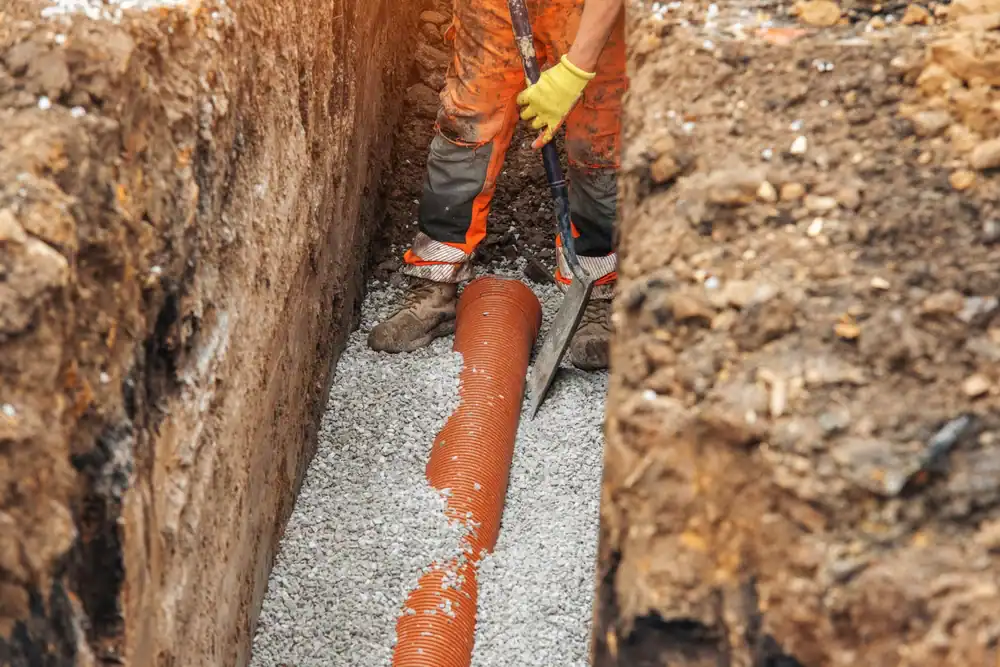
Once we know what we’re dealing with, we start trenching and excavation. We dig down to expose the failed section, remove the old pipe, and prep the trench so the new line sits at the right grade. Pipe pitch and slope aren’t suggestions—they’re requirements. Every foot of pipe needs to drop a quarter inch. Too flat and waste won’t move. Too steep and liquids outrun solids.
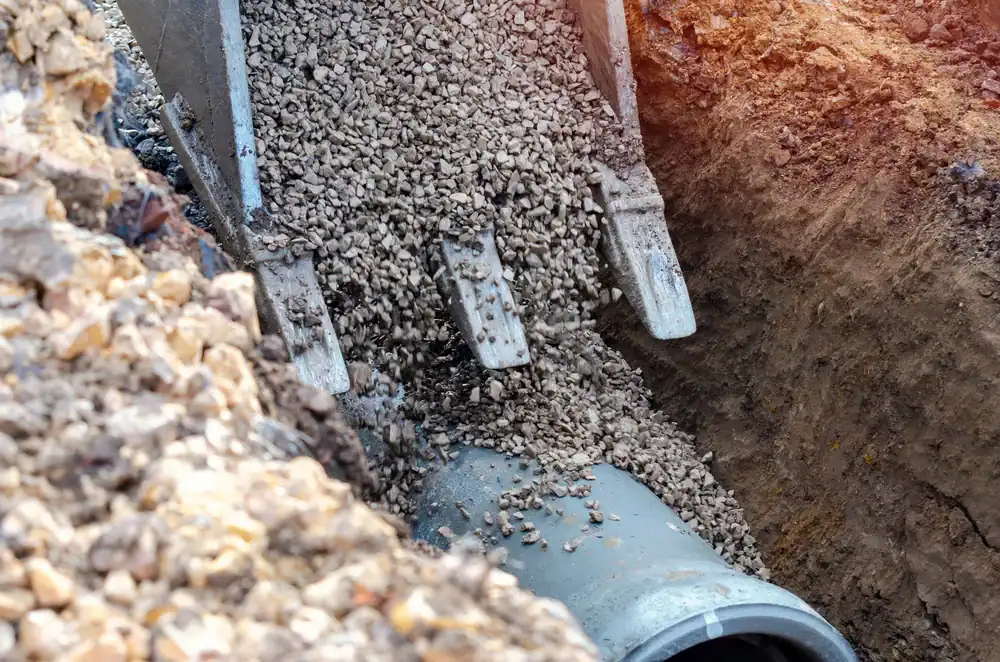
We install the new line, connect it properly to your cesspool, backfill the trench, and compact the soil so you’re not left with a sinking ditch six months later. Before we leave, we test the system. You’ll see water move through the line the way it’s supposed to. If your yard needs restoration, we handle that too.
Ready to get started?
You’re getting a full line replacement from your home’s main drain to your cesspool. That includes excavation, old pipe removal, new pipe installation with proper pitch, connection to the cesspool, backfill, and compaction.
In Seaford, most homes were built between the 1950s and 1980s. That means a lot of original clay or cast iron lines that have reached the end of their lifespan. We replace those with durable PVC that won’t corrode, crack under pressure, or get crushed by tree roots. The material matters as much as the installation.
If your cesspool itself is failing, we’ll tell you. We’re not going to install a new line into a system that’s already shot. But if the cesspool is fine and it’s just the line causing backups and pipe failure, a line change is the right move. You’ll get a system that drains properly, meets local code, and doesn’t leave you dealing with the same problem two years from now.
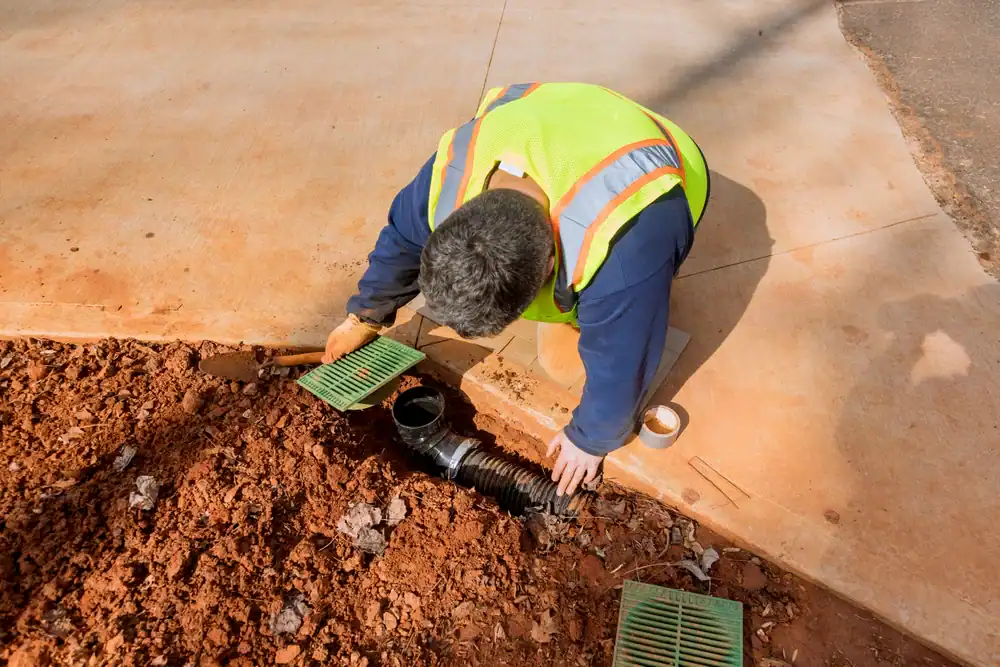
If the pipe is cracked in one spot and the rest of the line is solid, a repair might work. But if the pipe is old, deteriorating in multiple places, or consistently causing backups, a line change is the smarter call.
Here’s the reality: patching a failing line buys you time, not a solution. Clay and cast iron pipes don’t get better with age. Once they start breaking down, it’s a matter of when the next section fails, not if. A line change replaces the problem entirely instead of putting a bandaid on it.
We’ll camera the line if needed so you can see what we’re looking at. No guessing. If a repair makes sense, we’ll tell you. If it’s going to fail again in a year, we’ll tell you that too.
Most residential line changes in Seaford take one to two days depending on the length of the run, depth of the line, and ground conditions. If we hit rock or need to work around utilities, it might take longer.
Day one is usually excavation and old pipe removal. Day two is installation, connection, backfill, and testing. We’re not rushing through it, but we’re also not dragging it out. You’ll have a working system by the time we leave.
Weather can affect timing. If the ground is soaked or frozen, excavation takes longer and compaction becomes tricky. We’ll give you a realistic timeline upfront based on what we’re dealing with, not what sounds good.
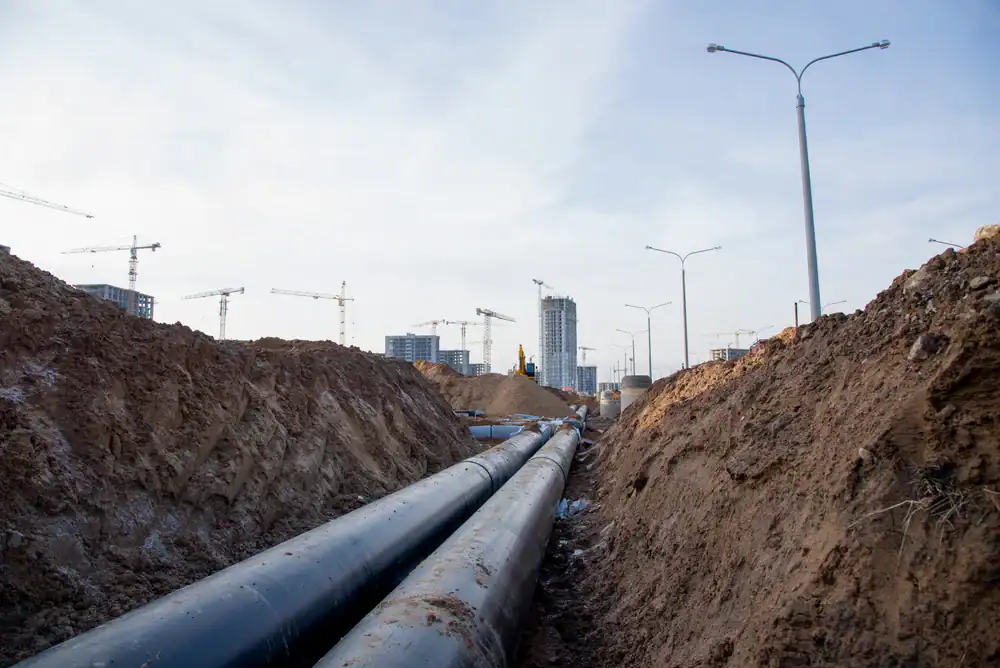
We dig where the line runs, not everywhere. The trench follows the path from your house to the cesspool. Width depends on depth—deeper lines need wider trenches for safety and access.
Once the line is in and the trench is backfilled, we grade it so water doesn’t pool. If you’ve got landscaping or hardscaping over the line, we work around it when possible. If we have to go through it, we’ll talk about restoration before we start.
Most Seaford properties have enough yard space that trenching doesn’t destroy the whole landscape. You’ll have a trench for a day or two, then it’s backfilled and compacted. Grass grows back. The alternative—ongoing backups and potential foundation damage—is a lot worse than a temporary trench.
Age is the biggest factor. Pipes don’t last forever. Clay cracks, cast iron corrodes, and even older PVC can shift or separate at the joints. Tree roots are the second most common cause—they find any crack or joint and grow into the line looking for water.
Ground movement is another issue here. Long Island soil shifts with freeze-thaw cycles and heavy rain. If the line wasn’t installed with proper bedding and backfill, it can sag or belly over time. That creates low spots where waste collects instead of draining. Eventually, the line clogs or collapses.
Poor installation is the other culprit. If the original line wasn’t pitched correctly or the joints weren’t sealed right, it’s been failing slowly since day one. You might not notice for years, but once the symptoms start—slow drains, backups, soggy spots in the yard—the line is already compromised.
Some parts of Seaford have access to municipal sewer, others don’t. If your street has sewer lines and the town allows connections, it’s an option worth exploring. You’d need permits, a licensed plumber for the connection, and you’d start paying sewer fees instead of maintaining a cesspool.
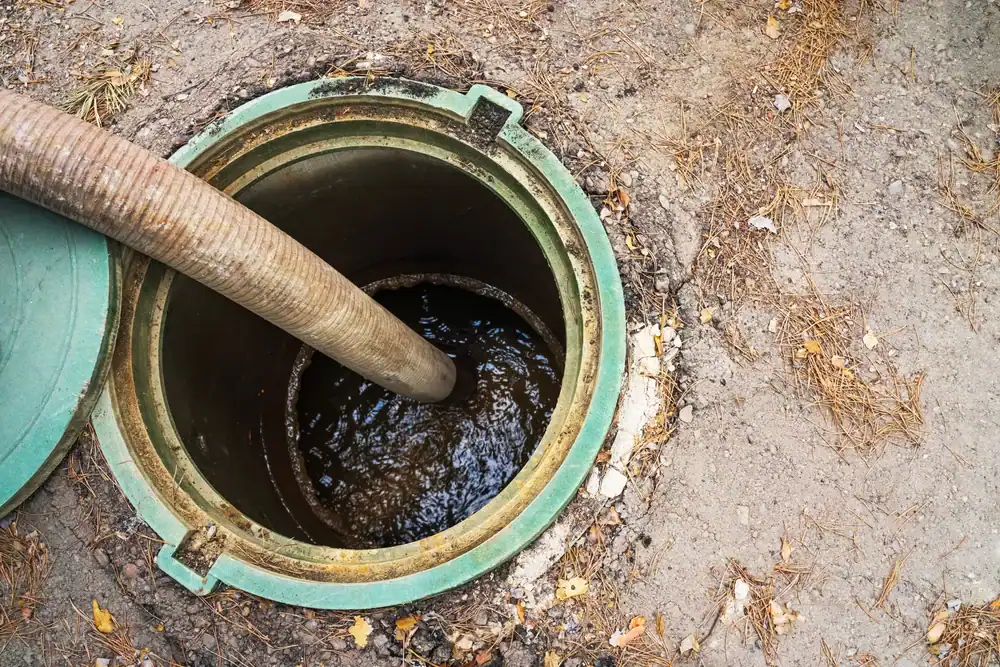
If you’re not in a sewered area, your only option is keeping the cesspool system functional. That means proper line changes when needed, regular pumping, and making sure the whole system is up to code.
Connecting to sewer isn’t always cheaper or easier than maintaining a cesspool, especially if the sewer main is far from your property. We can walk you through what makes sense for your situation. If sewer connection is the better move, we’ll tell you. If staying on cesspool is smarter, we’ll tell you that too.
Cost depends on distance, depth, ground conditions, and what we’re replacing. A straightforward 50-foot line change with easy digging runs less than a 100-foot line through rocky soil or under a driveway.
We don’t give ballpark numbers over the phone because every property is different. What we will do is come out, assess the line, measure the run, and give you a written estimate that covers the full job—excavation, materials, installation, backfill, and cleanup. No surprises, no change orders unless you ask us to do something different.
You’re paying for a line that works and lasts. The cheapest bid usually means shortcuts—wrong pipe, bad pitch, poor compaction. That costs more in the long run when you’re redoing the job in three years. We price the work to do it right the first time.
Other Services we provide in Seaford