
Hear from Our Customers
You stop worrying about backups during family gatherings. You stop smelling sewer odors in your yard. You stop wondering if today’s the day your aging system finally gives out.
When your main waste line replacement is done correctly, water drains the way it should. No slow sinks. No toilets that take three flushes. No standing water in your basement after heavy use.
Proper pipe pitch and slope mean gravity does its job without you thinking about it. The connection between your sewer line and cesspool stays solid through freeze-thaw cycles, root growth, and decades of use. That’s what you’re paying for—years of not having to think about your cesspool system because it just works.
Most homes in Selden built before the 1980s are running on original lines. That’s 40+ years of shifting soil, temperature swings, and constant use. If you’re dealing with frequent backups or slow drains, your lines aren’t keeping up anymore.
We’ve spent years working on cesspool systems throughout Selden and Suffolk County. We know the soil conditions here. We know how deep the frost line goes. We know which properties have clay versus sand, and how that changes the approach to trenching and excavation.
Most importantly, we know what happens when line changes are done wrong. We’ve replaced plenty of “fixes” from other companies—lines installed at the wrong slope, connections that leak within two years, trenches that weren’t backfilled properly and caused settling issues.
You’re not hiring us because we’re the cheapest option in Selden. You’re hiring us because we do it right the first time, and that saves you from paying twice.
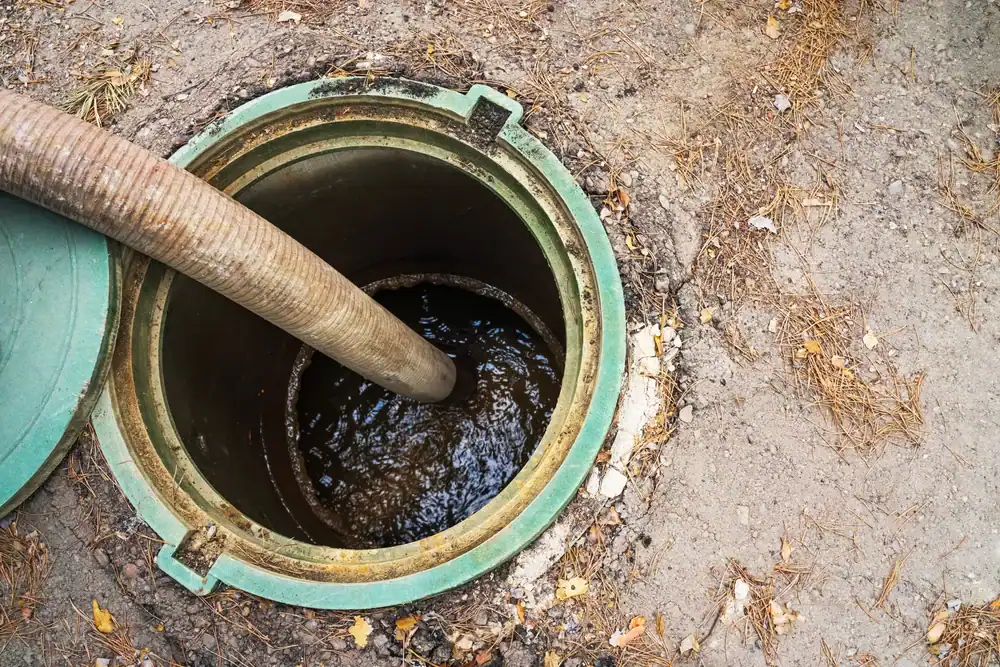
First, we assess your current system. That means locating your cesspool, mapping your existing lines, and identifying where the failure is happening. Sometimes it’s obvious—a collapsed section or a completely blocked line. Other times it’s more subtle, like improper pitch that’s been causing slow drainage for years.
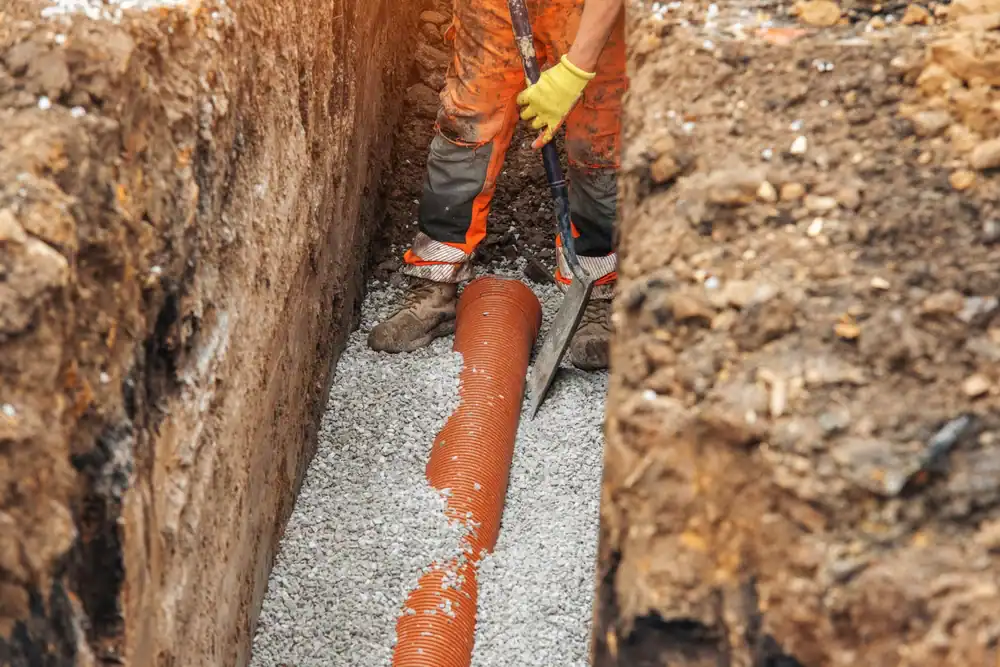
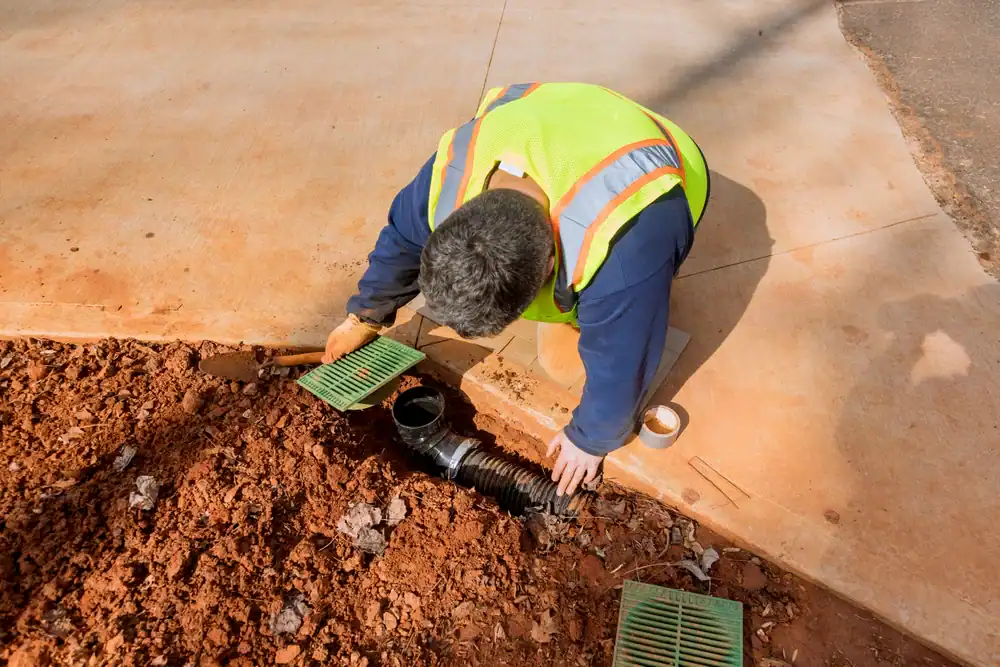
Next comes trenching and excavation. We dig down to expose the problem areas while keeping the disruption to your yard as minimal as possible. This isn’t a small job—we’re talking about moving earth, removing old pipe, and making sure the trench itself is stable and properly graded.
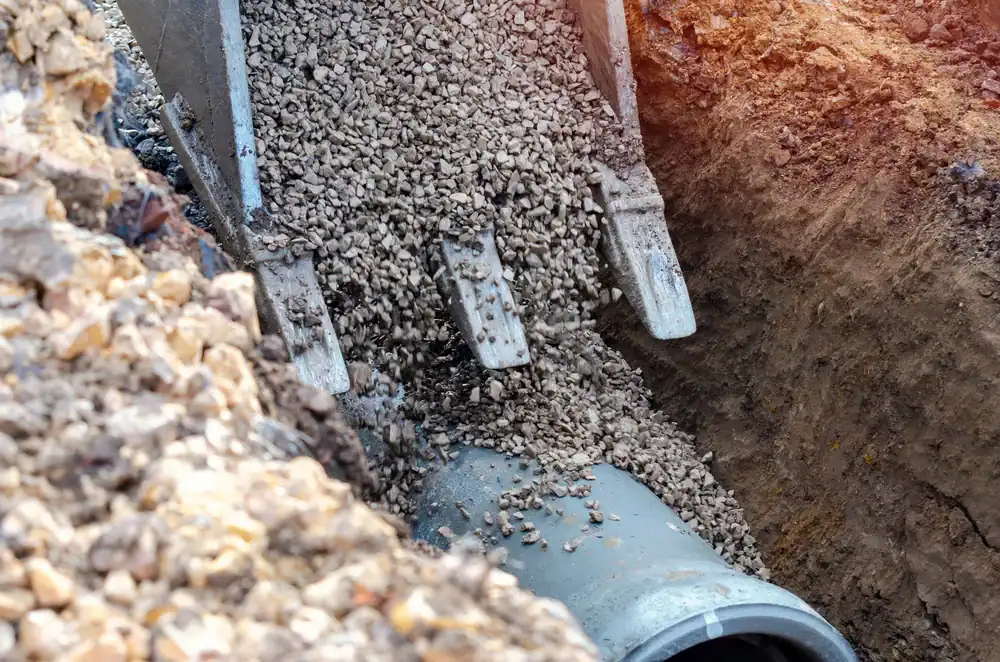
Then we install your new lines. This is where pipe pitch and slope matter most. Even a quarter-inch off over a ten-foot run can cause drainage issues down the road. We make sure every section flows correctly toward your cesspool, with proper connections that won’t leak or separate over time.
Finally, we backfill, compact, and restore your property. The goal is to leave your yard in better shape than we found it, with a system that’ll outlast most of what’s in your neighborhood.
Ready to get started?
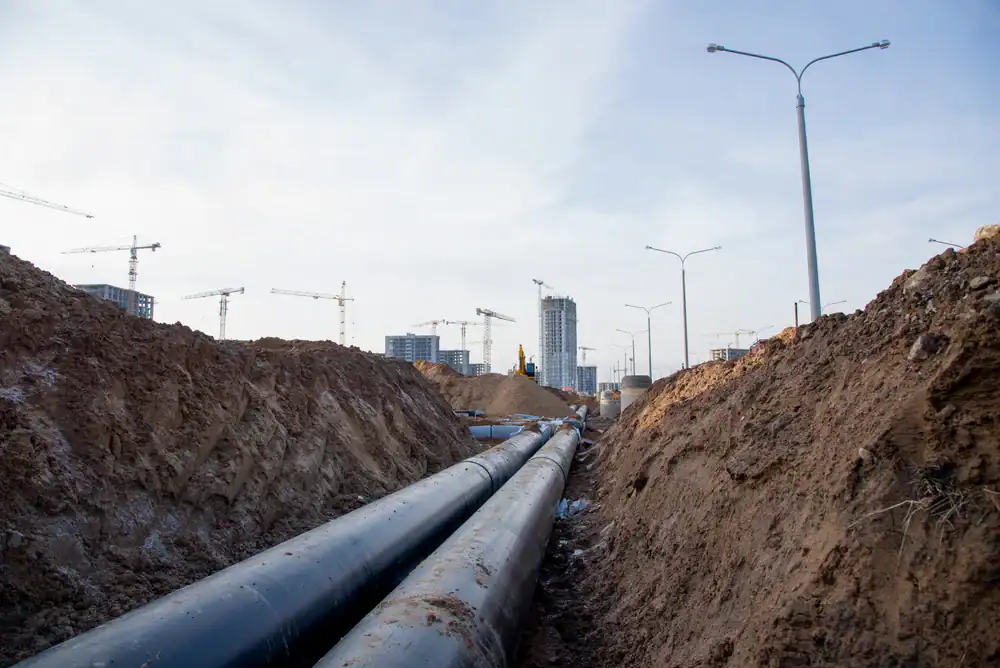
You get a complete main waste line replacement designed for Selden’s soil and climate conditions. That includes proper trenching depth to avoid frost heave, the right pipe materials for longevity, and connections that stay sealed even when the ground shifts.
Your sewer line to cesspool connection gets rebuilt to handle your household’s actual usage. If you’ve added bathrooms or appliances since your original system was installed, your lines need to accommodate that increased flow. We size everything correctly so you’re not pushing more waste through undersized pipes.
Here’s something most homeowners don’t think about: Suffolk County has specific regulations around cesspool systems. We handle the permitting and make sure your line changes meet local codes. That matters when you go to sell your property or if there’s ever an inspection.
You also get transparency on what’s happening below ground. We explain what we find, why it failed, and what we’re doing to prevent the same issue from happening again. No jargon. No upselling services you don’t need. Just straight answers about your system.
If you’re dealing with slow drains throughout your house, sewage backing up into your basement, or wet spots in your yard that smell like sewage, you’re likely looking at a line problem—not just a full cesspool.
A pump-out clears the cesspool itself. But if your lines are cracked, collapsed, or installed at the wrong pitch, pumping the cesspool won’t fix your drainage issues. You’ll get temporary relief, then the same problems come back within weeks or months.
The clearest sign you need line changes is when backups happen even after a recent pump-out. That tells you the issue is in the pipes, not the tank. Another indicator is if you have older pipes—cast iron or clay from the 1970s or earlier—that are simply at the end of their lifespan. At that point, you’re not repairing anymore. You’re replacing before a complete failure happens at the worst possible time.
Most main waste line replacements in Selden run between $3,500 and $8,500, but that number moves based on a few factors. The length of pipe being replaced matters. So does the depth we need to dig, what’s in the way (driveways, landscaping, existing structures), and whether we’re dealing with straightforward soil or hitting rock or high water tables.
If you’re replacing a short run from your house to the cesspool with easy access, you’ll land on the lower end. If we’re trenching under a paved area or dealing with a long distance and difficult terrain, costs go up. Emergency repairs—where a line has completely failed and needs immediate replacement—also cost more than planned replacements.
Here’s the thing: a proper line change costs less than dealing with repeated backups, property damage from sewage leaks, or a complete system failure that requires emergency excavation. The homeowners who wait until something catastrophic happens end up paying significantly more than those who address the problem when they first notice slow drains or minor backups.
Most line change projects in Selden take one to three days, depending on the scope. A straightforward main waste line replacement with good access and no complications can be done in a day. More complex jobs—longer runs, difficult access, or unexpected issues once we start digging—take longer.
The trenching and excavation phase is usually the most time-intensive part. We’re not just digging a ditch. We’re excavating to the proper depth, maintaining safe trench walls, removing old pipe, and preparing the base for new installation. All of that takes time to do correctly.
Once the trench is ready, installing new pipe and making the sewer line to cesspool connection goes relatively quickly. Then we backfill, compact the soil properly so you don’t get settling issues later, and restore the surface. You’ll have access to your plumbing throughout most of the process, though there will be periods where water use needs to be limited while we’re making connections.
Gravity is doing all the work in your cesspool system. If your pipes aren’t sloped correctly, waste doesn’t flow the way it should. Too flat, and solids settle in the pipe instead of moving toward the cesspool. Too steep, and liquids run ahead of solids, leaving buildup behind.
The standard slope is a quarter-inch drop per foot of pipe. That might not sound like much, but over a 40-foot run, we’re talking about 10 inches of elevation change. Get that wrong, and you’ll have chronic slow drains and backups no matter how often you pump your cesspool.
Here in Selden, we also deal with soil that shifts with freeze-thaw cycles. If your lines weren’t installed at the right depth with proper bedding material, that seasonal movement throws off your pitch over time. That’s why proper trenching and excavation matter—we’re not just laying pipe in a hole. We’re creating a stable base that maintains the correct slope for decades, even as the ground around it moves.
Age is the biggest factor. Most homes in Selden built in the 1970s or earlier have original cesspool lines made from cast iron or clay. Those materials break down over time—cast iron corrodes, clay cracks and separates at the joints. After 40 or 50 years, you’re not dealing with minor issues anymore. The pipes are failing.
Tree roots are another common culprit. Roots seek out water and nutrients, and your sewer line provides both. Once roots penetrate a crack or joint, they grow inside the pipe and create blockages. You can clear roots temporarily, but if the pipe is already compromised, they’ll come back. At that point, you need line changes, not just root removal.
Ground settling also causes problems. If your property has shifted over the decades—and most have—your pipes may have moved with it. That changes the pitch and can create low spots where waste collects instead of draining. You’ll notice this as recurring slow drains or backups that happen in the same location. The only real fix is excavating and reinstalling the line at the proper slope.
Yes. Suffolk County requires permits for main waste line replacement and any work involving your cesspool system. The permit process ensures your line changes meet local codes for depth, materials, and connections. It also creates a record of the work, which matters if you ever sell your property.
We handle the permitting as part of the job. That includes submitting plans, coordinating inspections, and making sure everything is documented correctly. Some homeowners try to skip this step to save money, but unpermitted work can come back to haunt you during a property sale or if there’s ever a system failure that involves the county.
Suffolk County also has specific requirements around cesspool systems because of environmental concerns. Long Island’s water supply comes from underground aquifers, so there are regulations designed to prevent contamination. Proper line changes with the right permits show that your system meets those standards and isn’t putting your property—or your neighbors’—at risk.
Other Services we provide in Selden