
Hear from Our Customers
Your drains work the way they should. No more slow toilets, no more gurgling sinks, no more standing water in your yard after a heavy rain.
When your sewer line to cesspool connection is installed with the right pipe pitch and slope, waste flows where it’s supposed to go. That means fewer backups, less frequent pumping, and a system that actually lasts.
You’re not patching a problem anymore. You’re fixing what’s causing it. And on Shelter Island, where soil drainage and seasonal water tables create their own challenges, that difference matters. A proper line change means your system handles what you put into it without flooding your property or contaminating groundwater.
This isn’t about avoiding an inconvenience. It’s about protecting your home, your investment, and your peace of mind.
We’ve spent years working on Shelter Island properties. We know how Suffolk County sand behaves differently than Nassau clay. We know what happens to cesspool systems during wet seasons and how pipe failure shows up before it becomes a crisis.
You’re not getting a generic crew that treats every job the same. You’re getting licensed, insured technicians who’ve handled trenching and excavation on this island more times than we can count.
We don’t oversell. We don’t patch things that need replacing. And we don’t leave until your system works the way it should. That’s how we’ve built our reputation here, and that’s what you’ll get when you call.
We start with a camera inspection. That shows us exactly where your pipe failed, whether roots broke through, or if the slope is wrong. No guessing.
Then we map out the excavation. We locate your cesspool, measure the distance to your home, and plan the trench route that makes sense for your property. On Shelter Island, that often means working around landscaping, septic setbacks, and soil conditions that shift depending on where you are on the island.
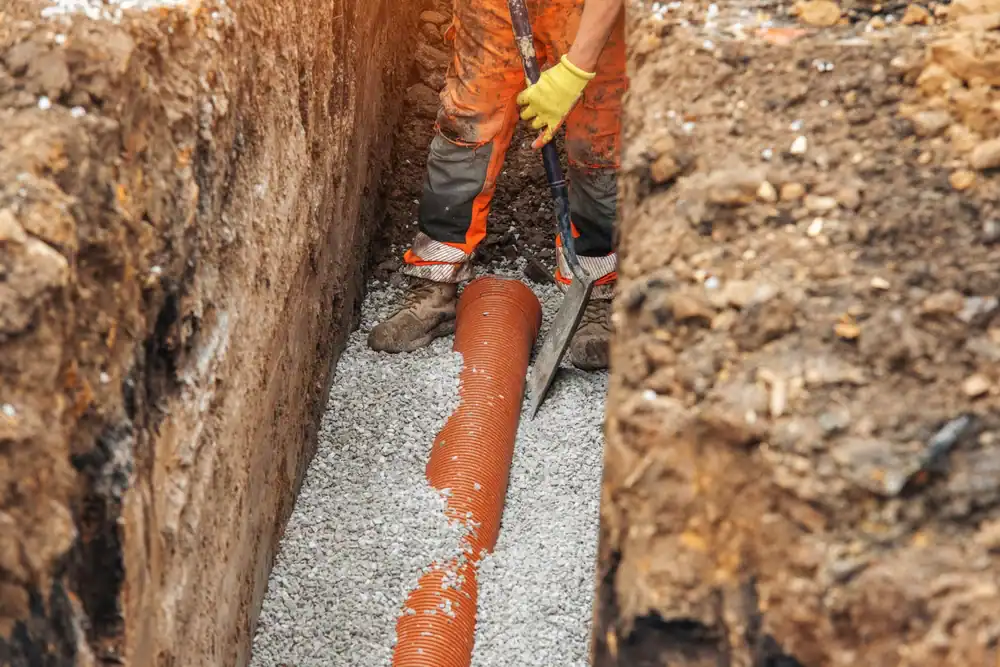
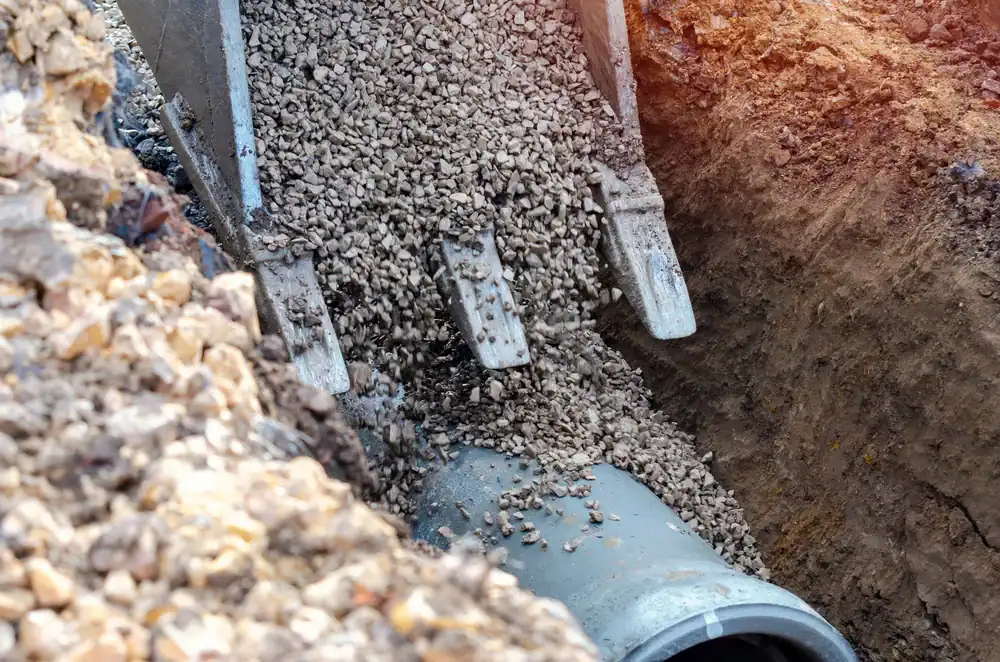
Once we dig, we remove the old pipe and install new code-compliant lines. These are built to last up to 100 years, seamless, and resistant to root intrusion. We set the pitch so gravity does the work. Then we backfill, compact, and restore your yard.
Before we leave, we test the system. You’ll see water flow the way it should. And if there’s anything you need to know about maintenance or what to watch for, we’ll tell you then.
Ready to get started?
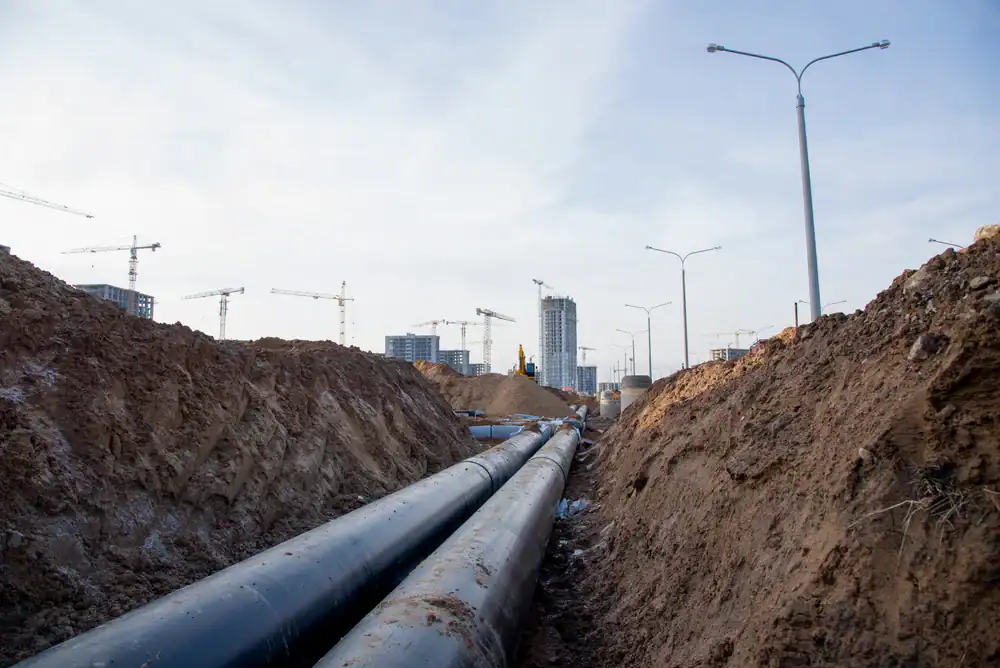
You get full trenching and excavation from your home to your cesspool. That includes locating underground utilities, digging to the right depth, and making sure the trench is stable enough for new pipe installation.
We handle the pipe removal and replacement with modern materials that meet Suffolk County code. The new lines are pitched correctly so waste flows without pooling or backing up. That’s not optional. It’s how the system works long-term.
On Shelter Island, soil conditions vary. Sandy areas drain fast but can shift. We account for that during backfill and compaction so your yard doesn’t sink six months later. If your property sits near the water or in a low-lying area, we adjust our approach to handle seasonal water table changes.
You also get a system that’s been tested before we leave. We don’t assume it works. We make sure it does. And if there’s a problem, we handle it then, not after you’ve paid and we’re gone.
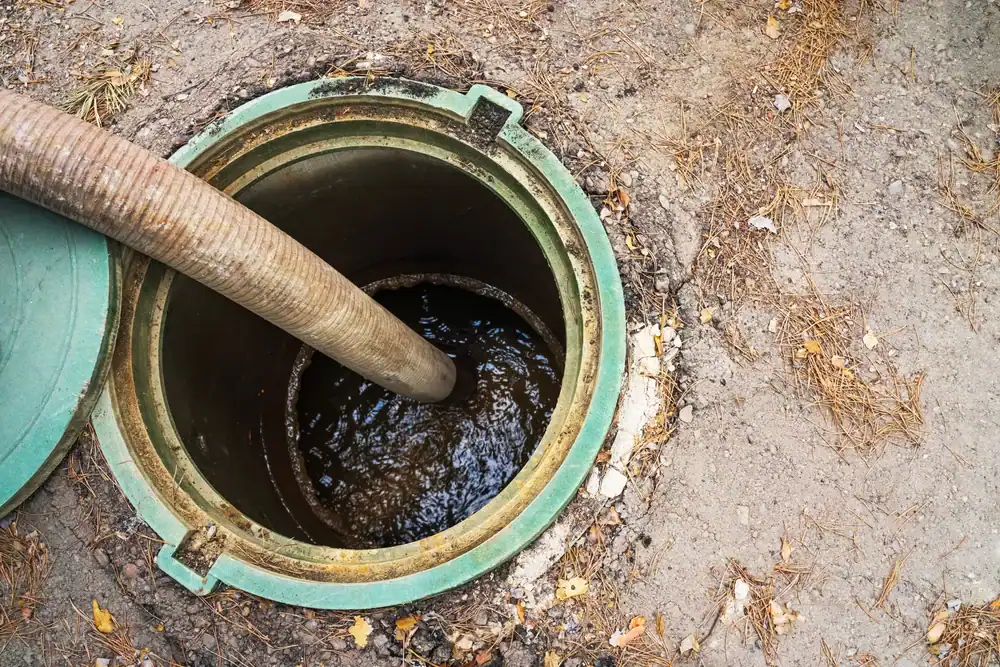
If your cesspool backs up even after pumping, that’s a line problem. Pumping removes waste from the tank. It doesn’t fix broken pipes, poor slope, or root intrusion between your home and the cesspool.
You’ll notice slow drains throughout your house, not just one sink or toilet. You might see soggy spots in your yard near where the line runs. Sometimes there’s a sewage smell even though your tank was just emptied. Those are signs the pipe itself has failed.
A camera inspection shows exactly what’s happening underground. We can see cracks, collapses, bellies in the line where waste pools, or roots that have broken through. If the pipe is damaged or installed wrong, pumping won’t help. You need a line change.
Age is the biggest factor. Older pipes crack, separate at joints, or corrode depending on what they’re made of. Cast iron rusts through. Clay breaks. Even PVC can fail if it wasn’t installed with proper bedding or if the ground shifted.
Tree roots are another common issue. They grow toward water sources, and your sewer line is full of it. Once roots get inside a crack or joint, they expand and block the pipe. On Shelter Island, where properties have mature trees and sandy soil, roots can move fast.
Poor installation causes problems too. If the original line wasn’t pitched correctly, waste doesn’t flow. It sits in the pipe, builds up, and eventually backs up into your home. Seasonal water table changes here can also put pressure on lines that weren’t installed deep enough or with the right backfill.
Most residential line changes take one to three days depending on distance, soil conditions, and what we find when we dig. If your cesspool is close to your home and the ground is accessible, we’re faster. If we’re running a line across your property or dealing with ledge, it takes longer.
Weather affects the timeline. Heavy rain turns trenches into mud, especially in Shelter Island’s sandy soil. We won’t backfill until conditions are right because poor compaction leads to settling and future problems.
We’ll give you a realistic estimate after we inspect your property. That includes looking at access for equipment, checking for underground utilities, and measuring the actual distance we need to trench. We don’t rush jobs to hit a number. We finish when it’s done right.
We’ll dig a trench, so yes, there’s disruption. But we minimize it. We map the most direct route that avoids landscaping where possible. We use equipment sized for residential properties, not oversized machines that tear up more than necessary.
Once the new line is in and tested, we backfill and compact in layers. That prevents settling. Then we grade the surface so water drains properly. If you have grass, we can lay sod back down or leave it ready for you to reseed depending on what you want.
On Shelter Island, we’ve worked on properties with tight access, mature landscaping, and waterfront setbacks. We know how to get the job done without wrecking your yard. And if something does get damaged during the work, we handle it. That’s part of doing the job right.
Cost depends on distance, depth, soil conditions, and what we’re replacing. A short run with easy access costs less than a line that crosses your entire property or requires ledge removal. We can’t give you an accurate number without seeing your property.
What we can tell you is that proper line changes cost more than temporary fixes, but they last. Modern pipes are rated for up to 100 years. You’re not doing this again in five years. And you’re avoiding the bigger expense of a full system failure because you tried to patch something that needed replacing.
We’ll give you a written estimate after the inspection. It’ll include excavation, pipe materials, labor, backfill, and restoration. No surprises. And if we find something unexpected during the dig, we’ll talk to you before we do anything that changes the price.
Yes. If your line has completely failed and you’re dealing with sewage backup, we respond fast. We’ll get a crew out to assess the damage, and if a line change is the only fix, we’ll start as soon as possible.
Emergency work costs more because we’re pulling resources and working outside normal schedules. But if your system is unusable and you need it fixed now, we’ll make it happen. We’ve handled emergency calls on Shelter Island before, and we know how to move quickly without cutting corners.
If the situation isn’t urgent, we’d rather schedule the work properly. That gives us time to plan the excavation, order the right materials, and do the job without rushing. But when you’re in a crisis, we’re available. That’s part of serving this community.
Other Services we provide in Shelter Island