
Hear from Our Customers
A properly installed waste line means your system drains like it should. No slow drains, no sewage backing up into your home, no standing water in your yard.
When your sewer line to cesspool connection is done right, you’re not calling someone back in six months because the pitch was off or the excavation wasn’t deep enough. You’re done with it.
That’s what matters when you’re dealing with line changes in Sound Beach—getting it right means your property stays clean, your system stays compliant with Suffolk County health codes, and you’re not throwing money at the same problem twice. Since Suffolk County banned new cesspools in 2019, every replacement has to meet current standards. That includes proper pipe pitch and slope, which most homeowners don’t think about until something goes wrong.
We’ve been handling line changes and cesspool work across Suffolk County for years. We know the local soil conditions, the health department requirements, and what it takes to get your waste lines working properly in Sound Beach.
Most of the homes here aren’t on sewer systems—about 74% of Suffolk County residents rely on cesspools or septic systems. That means when something goes wrong with your main waste line, you need someone who understands how these systems work in coastal areas where winter storms and water tables create their own challenges.
We’re licensed, insured, and we follow the regulations that matter. Not because we have to, but because cutting corners on trenching and excavation or skipping proper slope calculations just creates problems you’ll pay for later.
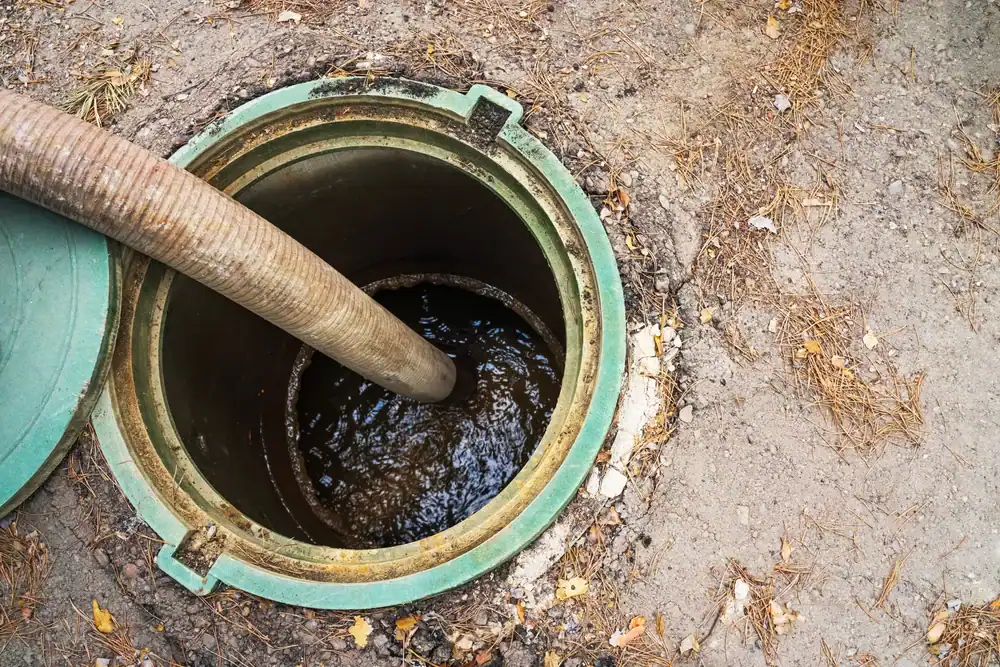
First, we assess your current system. That means locating your cesspool, checking the existing line condition, and figuring out what’s failing. Sometimes it’s a collapsed pipe, sometimes it’s roots, sometimes the original installation never had the right pitch to begin with.
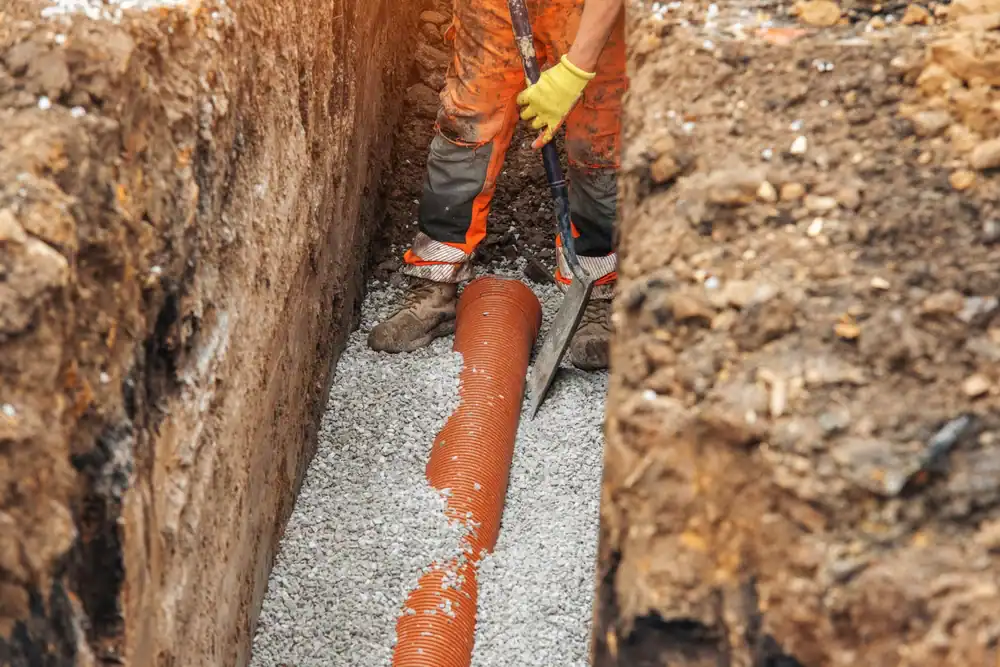
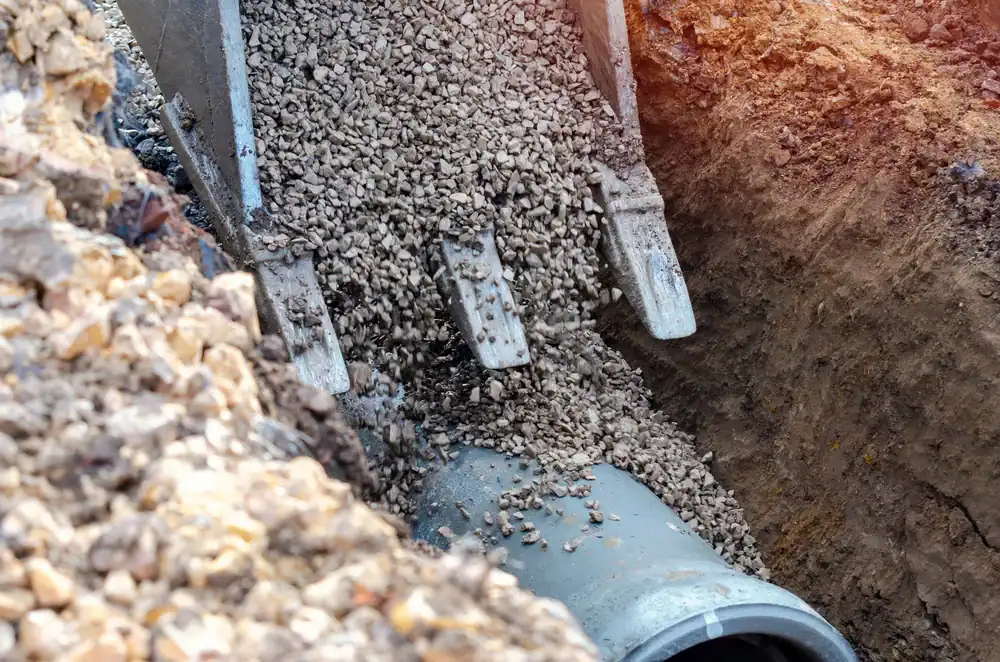
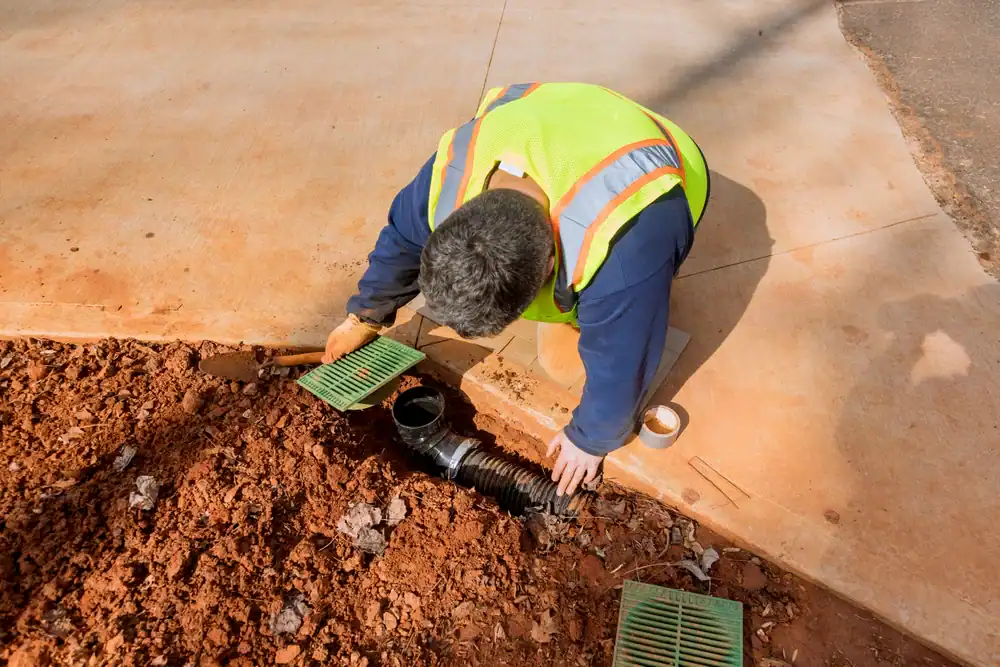
Next comes trenching and excavation. We dig down to expose the line, remove the damaged section, and prepare the trench bed. This isn’t just digging a hole—the trench needs proper depth and the bottom needs to be level and compacted so your new pipe doesn’t shift or settle.
Then we install your new waste line with the correct pipe pitch and slope. For residential lines, that’s a minimum of 1/4 inch per foot. Sounds simple, but if that pitch is off even slightly, you’ll have drainage problems. We use a level and take our time because this is where most problems start.
Finally, we connect everything to your cesspool, backfill the trench, compact the soil, and test the system. You should see immediate drainage improvement if the old line was failing.
Ready to get started?
When we handle your line changes in Sound Beach, you’re getting a complete main waste line replacement that meets current Suffolk County health department standards. That includes proper permitting, inspection scheduling, and documentation you’ll need if you ever sell your property.
You’re also getting trenching and excavation done with equipment sized for residential properties. We’re not tearing up half your yard with oversized machinery. We dig what needs to be dug, protect your landscaping where we can, and restore the area when we’re done.
The sewer line to cesspool connection gets sealed properly to prevent groundwater infiltration and nitrogen leaching—a big deal in Suffolk County where roughly 360,000 cesspools and septic systems are contributing to water quality problems in Long Island Sound. Your new line will be installed with the correct pipe pitch and slope so waste actually flows downhill like it’s supposed to.
And if your existing cesspool needs upgrading to meet the 2019 regulations, we’ll tell you that upfront. No surprises halfway through the job.
If you’re dealing with frequent backups, multiple slow drains throughout your house, or sewage surfacing in your yard, you likely need more than a patch job. A single clog can usually be cleared. Recurring problems mean the line itself is failing.
Common causes include root intrusion that’s cracked the pipe, old clay or cast iron pipes that have corroded through, or settling that’s created a belly in the line where waste collects instead of draining. In Sound Beach, we also see damage from coastal storms and shifting soil conditions.
The only way to know for sure is to run a camera through the line. That shows us exactly what’s happening inside the pipe—whether it’s a localized break that can be repaired or widespread deterioration that requires a full main waste line replacement. We’ll show you the footage so you can see what we’re seeing.
Residential sewer lines need a minimum slope of 1/4 inch per foot. That means for every foot of horizontal pipe, it drops a quarter inch. For a fifty-foot run, that’s about 12.5 inches of total drop from your house to your cesspool.
If the pitch is too flat, waste moves too slowly and solids settle in the pipe. You’ll get clogs and backups. If it’s too steep, liquids run ahead of solids and you end up with the same problem—material left behind that builds up over time.
This is where a lot of line changes go wrong. Someone eyeballs it or rushes the installation and the pitch ends up inconsistent. We use a level and check it multiple times during installation because getting this right is the difference between a system that works for decades and one that fails in a few years. It’s not complicated, but it requires attention to detail that some companies skip.
Most residential line changes take one to three days depending on the distance from your house to your cesspool, soil conditions, and whether we hit any complications like ledge rock or high water table. A straightforward fifty-foot replacement with good access and cooperative weather usually wraps up in a day and a half.
The actual trenching and excavation might only take a few hours with the right equipment. Installing the new pipe, making sure the pitch is correct, and connecting everything properly takes longer because we’re not rushing through the parts that matter.
You’ll need to avoid using your plumbing while we’re working—that means no showers, laundry, or dishwashers until the new line is connected and tested. We’ll give you a realistic timeline before we start so you can plan around it. If you’ve got family visiting or events scheduled, let us know and we’ll work with your schedule where we can.
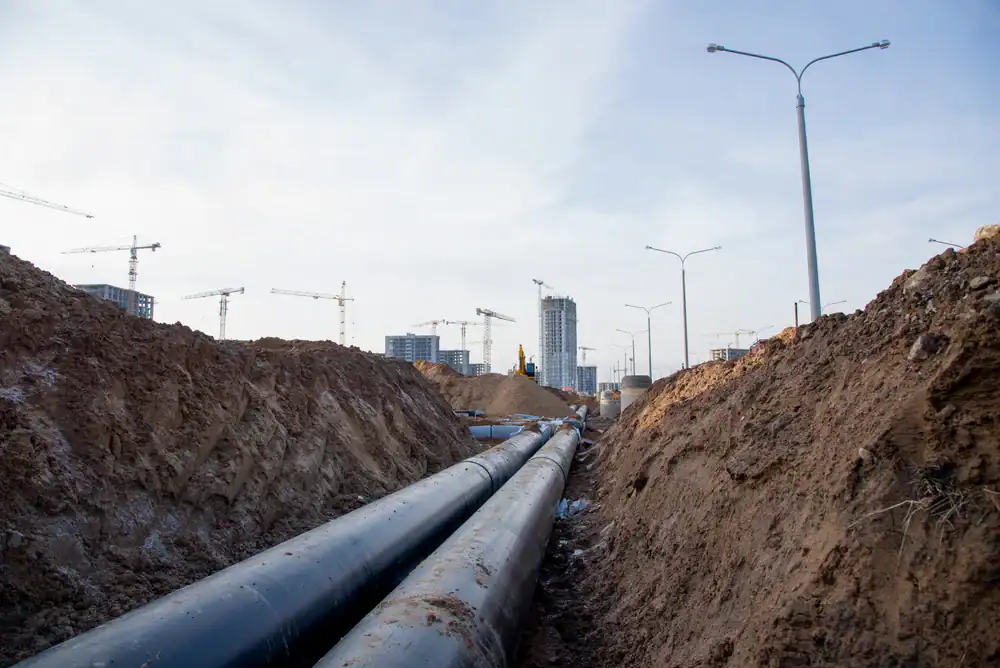
We only excavate where the line runs from your house to your cesspool. That’s typically a trench three to four feet deep and about two feet wide. If your cesspool is close to your house, we’re talking about a relatively small area. If it’s a hundred feet away across your property, obviously that’s more ground disturbance.
Before we start any trenching and excavation, we’ll mark out the path and show you exactly where we’ll be digging. If there are landscaping features, driveways, or other obstacles in the way, we’ll discuss options—sometimes we can route around them, sometimes we can’t.
We’ll also call 811 to mark underground utilities before we dig. That’s not optional. Once the new line is in and the trench is backfilled, we’ll grade and compact the soil. Your yard won’t look perfect immediately, but it’ll settle over a few weeks. Some homeowners choose to reseed or add topsoil after we’re done, which we can help coordinate.
Yes. Any main waste line replacement in Suffolk County requires registration with the Department of Health Services. When you’re replacing an existing line, you have to meet the same minimum standards required for new installations—that’s been the rule since 1973, and it got stricter after the 2019 cesspool ban.
We handle the permit application and schedule the required inspections. The health department needs to verify that your new sewer line to cesspool connection meets code, that the pipe pitch and slope are correct, and that everything’s installed according to current standards.
This isn’t just bureaucratic paperwork. These inspections protect you. If you ever sell your property, you’ll need documentation showing your cesspool system is compliant. And if something goes wrong down the road, having permitted work means you’re covered. Some homeowners try to skip this step to save money, but it creates problems later that cost way more to fix.
Age is the biggest factor. Older homes in Sound Beach often have original clay or cast iron pipes that were installed decades ago. These materials corrode, crack, and eventually collapse. Tree roots find their way into any small opening and expand until they’ve completely blocked the line.
Ground movement is another common cause, especially in coastal areas. Soil settles, frost heaves push things around, and storm erosion shifts the ground. When that happens, your waste line can develop a belly—a low spot where the pipe sags and waste collects instead of draining. Once you’ve got a belly, you’ve got a permanent problem that snaking won’t fix.
Sometimes the line was just installed wrong from the start. Insufficient pitch, poor connections, inadequate bedding material under the pipe—these installation shortcuts catch up eventually. And in Suffolk County, where most properties rely on cesspools rather than municipal sewer systems, your waste line is working harder than it would in a gravity sewer setup. That accelerates wear and tear on pipes that are already compromised.
Other Services we provide in Sound Beach