
Hear from Our Customers
Your waste line works the way it should. Water drains completely. Your toilets flush without hesitation. You’re not calling emergency plumbers at midnight because sewage is backing up into your basement.
That’s what proper line changes give you. When the main waste line replacement is done with the right pipe pitch and slope, your system moves waste efficiently from your home to your cesspool or septic tank. No standing water in the pipes. No slow drains that turn into full blockages during summer when your house is packed with guests.
You also get peace of mind knowing the work was permitted through Southampton’s health department and done to code. That matters when you sell, when you renovate, or when an inspector shows up. You’re not dealing with someone else’s shortcuts or wondering if the connection will hold up through another winter.
We’ve been handling line changes and main waste line work in Southampton for over a decade, but our family’s been in this business for four generations. That means we’ve seen what lasts and what fails in Southampton’s specific soil conditions.
We know which pipe materials hold up to shifting ground. We know how deep frost lines go in winter. We know what the health department requires for permits and inspections, and we handle that process so you don’t have to figure it out yourself.
When we trench your property for a sewer line replacement, we use equipment that gets the job done without tearing up more of your yard than necessary. We show up when we say we will, we give you a price before we start, and we clean up when we’re finished.
First, we assess what’s actually failing. Sometimes it’s a collapsed section of pipe. Sometimes the whole line was installed without proper slope and needs to be re-graded. Sometimes tree roots have crushed the connection between your house and your cesspool. We figure out the real problem before we dig.
Next comes the permit application with Southampton’s health department. Most line changes require permits, and we handle that paperwork. We know what they need to see and how to get approvals without delays.
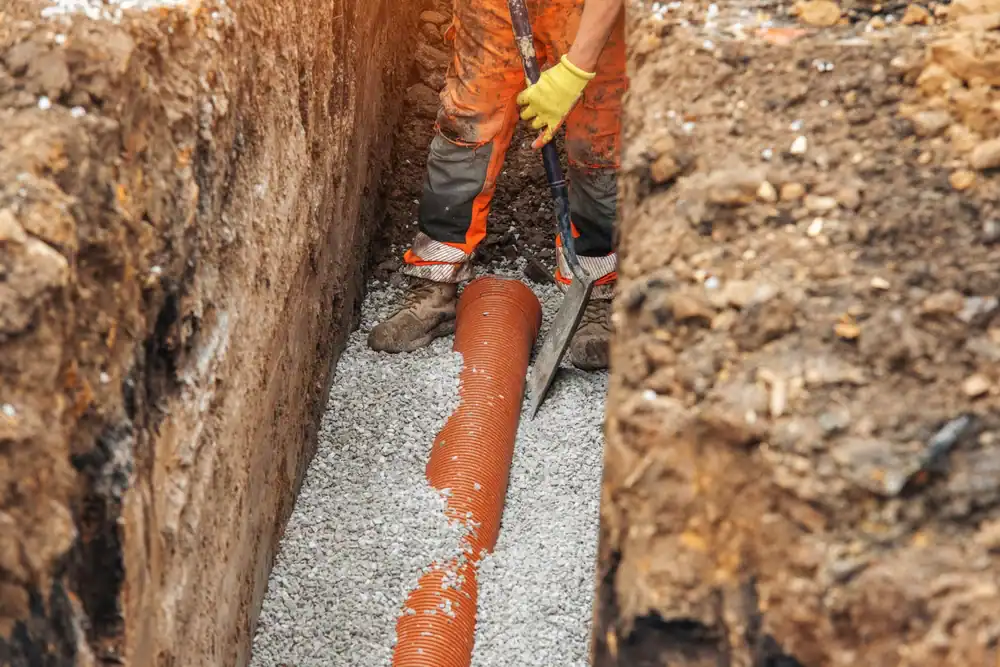
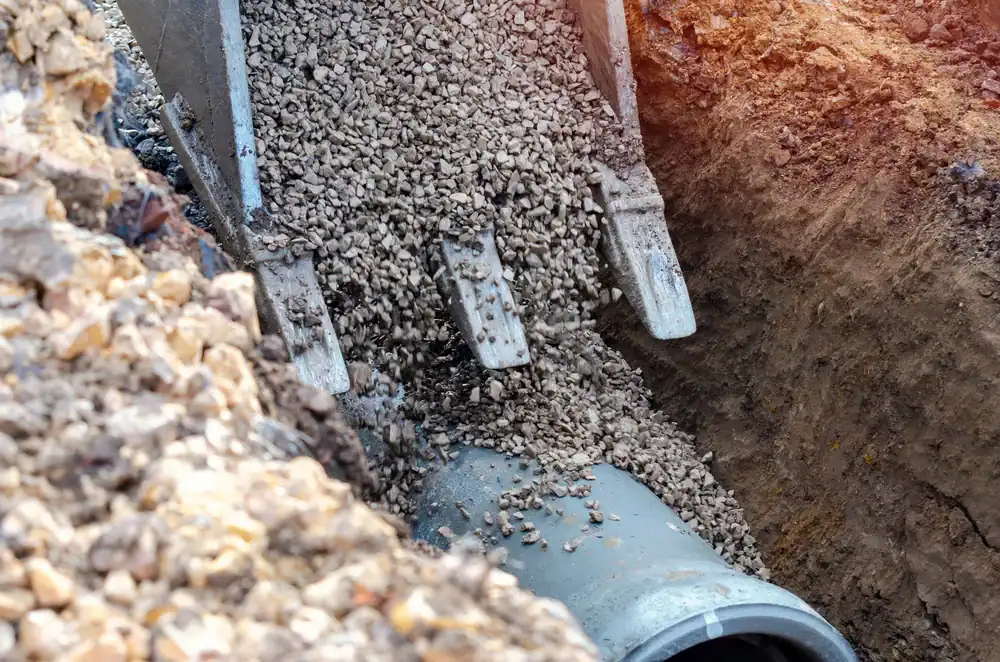
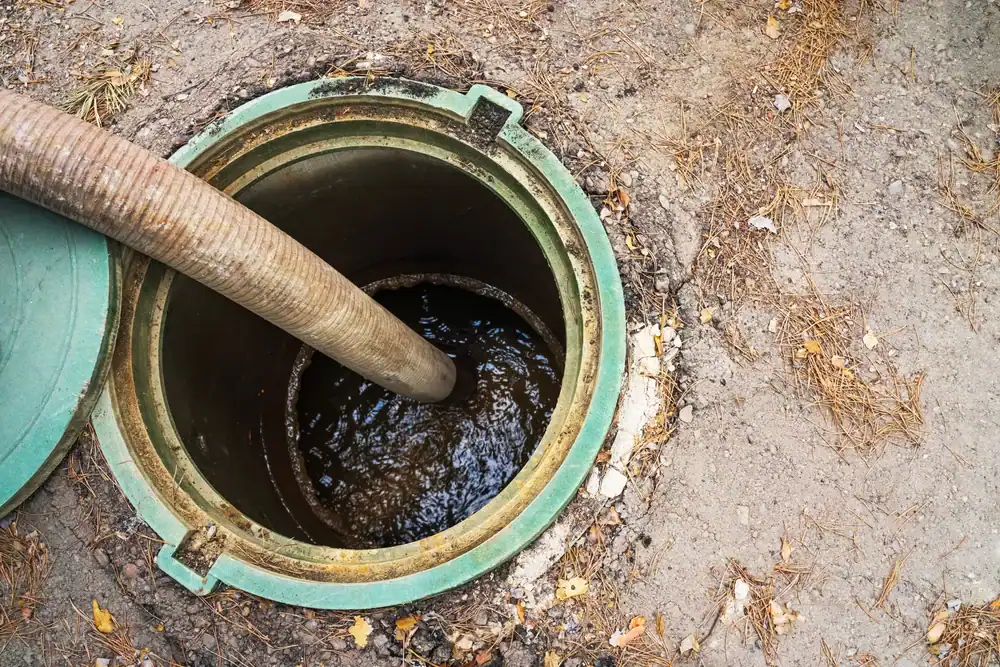
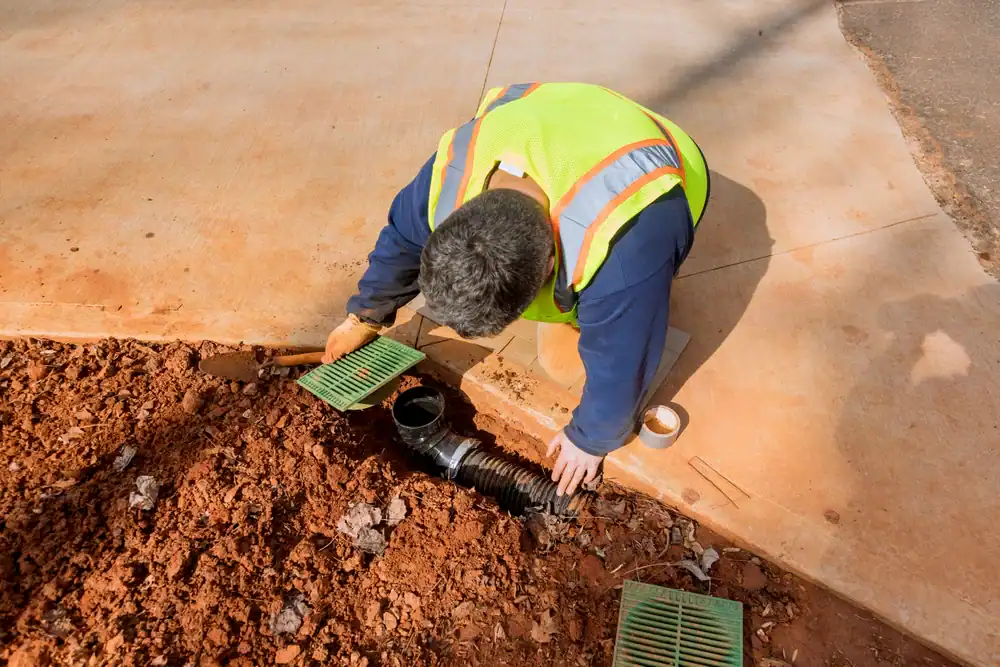
Then we excavate. We trench from your home’s main waste outlet to your cesspool or septic tank, following the path that gives us proper pitch and slope for gravity flow. We remove the old failing pipe and install new piping that’s sized correctly for your household’s waste volume. The connection to your cesspool gets sealed properly so you’re not dealing with leaks or groundwater infiltration.
After the new line is in and inspected, we backfill the trench and restore your property as close to original condition as possible. You get documentation of the work, the permits, and the inspection results.
Ready to get started?
You get a complete main waste line replacement from your home’s foundation to your cesspool or septic tank. That includes proper trenching and excavation, removal of failed piping, installation of new pipe with correct pitch and slope, and a sealed sewer line to cesspool connection that won’t leak.
We handle the permit application with Southampton’s health department and coordinate the required inspections. You’re not figuring out bureaucracy or waiting weeks because paperwork wasn’t filed correctly.
In Southampton, soil conditions vary significantly depending on whether you’re near the water or inland. Sandy soil drains differently than clay-heavy areas, and that affects how we bed the pipe and what backfill material we use. We adjust our approach based on what’s actually in the ground at your property, not a one-size-fits-all method.
If your existing line has been causing backups because of poor pitch, we re-grade the new installation so gravity does its job. Waste should flow downhill consistently, not pool in low spots where it creates blockages. That’s basic physics, but you’d be surprised how many lines were installed without proper slope.
If you’re dealing with repeated backups in the same area, that’s usually a sign the pipe has collapsed or the pitch is wrong. A repair might work if it’s a single crack or a root intrusion in one spot, but if the problem keeps coming back after repairs, the whole line probably needs replacement.
Age matters too. If your waste line is original to a home built 40+ years ago, you’re likely dealing with outdated materials that are deteriorating. Clay pipes crack. Old cast iron corrodes. Orangeburg pipe (that tar paper stuff) collapses under soil pressure.
The other indicator is what we find during a camera inspection. If the pipe shows multiple problem areas, extensive root damage, or significant bellying where waste pools, a full line change costs less in the long run than patching it repeatedly. We’ll tell you honestly what makes sense for your situation.
Most main waste line replacement work in Southampton requires a permit from the Suffolk County Department of Health Services. The specific permit type depends on whether you’re just replacing the line or also modifying your cesspool or septic system.
If you’re only replacing the pipe between your house and an existing cesspool, that’s typically a construction permit. If the work involves any changes to the cesspool itself or you’re connecting to a new system, additional permits come into play.
We handle the permit application process as part of the job. That includes submitting the required drawings, specifications, and site information. The health department reviews the application, and once approved, we schedule the work and the required inspections. You don’t need to navigate that process yourself or take time off work to deal with county offices.
The actual excavation and pipe installation usually takes one to two days for a typical residential line change, depending on the distance from your house to your cesspool and what we encounter in the ground. If we hit ledge rock or need to work around existing utilities, that adds time.
Permit approval from Southampton’s health department typically takes one to three weeks, depending on their current workload. We submit the application as soon as you approve the work, so that clock starts ticking right away.
Weather affects the timeline too. We can’t backfill a trench properly if it’s full of water from heavy rain, and frozen ground in winter makes excavation harder. Spring and fall are usually the smoothest times for this work, but we handle line changes year-round when you need them done.
Settling is the most common cause. Your home’s foundation settles slightly over decades, or the ground around your cesspool shifts, and suddenly the pipe that used to slope downhill consistently now has a low spot where waste collects. That creates a partial blockage that gets worse over time.
Poor original installation is another culprit. If the contractor who installed your system didn’t grade the trench properly or used inconsistent bedding material, the pipe can sag in sections. Waste needs a consistent downhill path to flow by gravity, and even a small belly in the line disrupts that flow.
Tree root intrusion can also change the pitch. Roots grow into pipe joints looking for water and nutrients, and as they expand, they can lift or shift sections of pipe. That changes the slope and creates blockages at the same time. When we replace a line that’s been compromised by roots, we route the new pipe away from mature trees when possible.
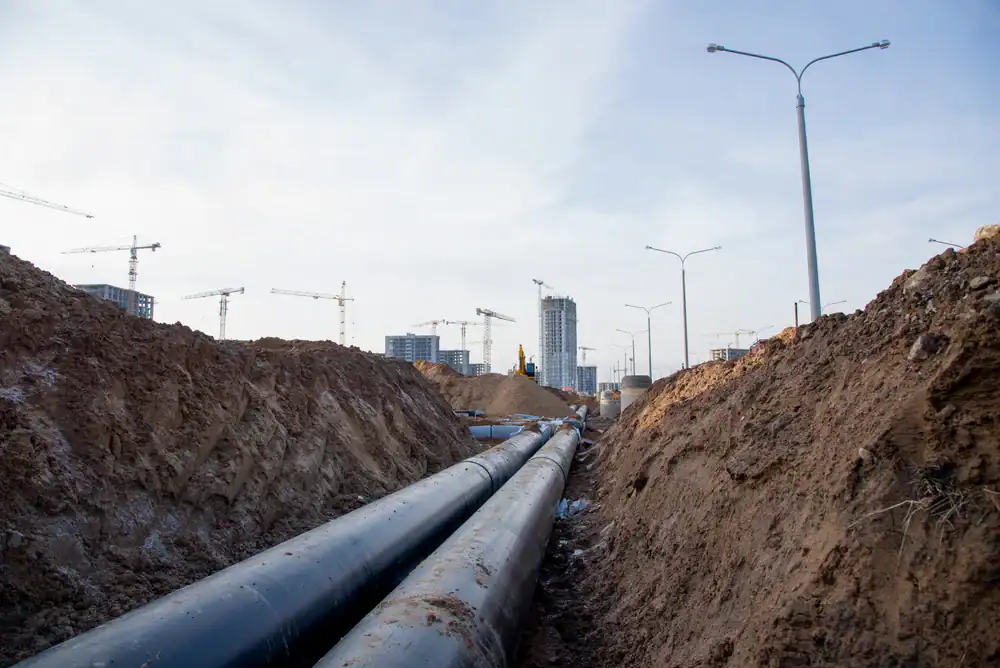
We’ll need to excavate a trench from your house to your cesspool, so there will be some disruption along that path. The trench is typically 18 to 36 inches wide and deep enough to give us proper working room and correct pipe depth below the frost line.
If your waste line runs under landscaping, we remove plants carefully when possible and restore the area after backfilling. Grass grows back within a season. Established shrubs or perennials can often be replanted. We’re not landscapers, but we’re not careless either.
If the line runs under your driveway, that’s more involved. We’ll need to cut and remove a section of pavement, do the pipe work, backfill and compact properly, then repave. We work with paving contractors who can match your existing surface, whether it’s asphalt or concrete. That adds cost, but it’s necessary if that’s where your line runs. We’ll discuss the full scope before starting so you know what to expect.
Yes, but Southampton’s health department has specific requirements for that type of conversion. If you’re replacing a failing cesspool with a new septic system, the main waste line from your house needs to connect to the new septic tank inlet, and you’ll need a separate line from the tank outlet to the leach field.
The pipe sizing and slope requirements are the same as any waste line installation, but the routing might be different depending on where your new septic system gets located. Your property needs adequate space for both the tank and the leach field, with proper setbacks from wells, property lines, and water bodies.
We coordinate this type of work regularly. The line changes are part of the overall septic installation project, and everything gets permitted together. If you’re considering upgrading from a cesspool to a compliant septic system, we can assess your property and explain what’s involved. Many Southampton properties are making this switch, especially with newer nitrogen-reducing system requirements coming into effect.
Other Services we provide in Southampton