
Hear from Our Customers
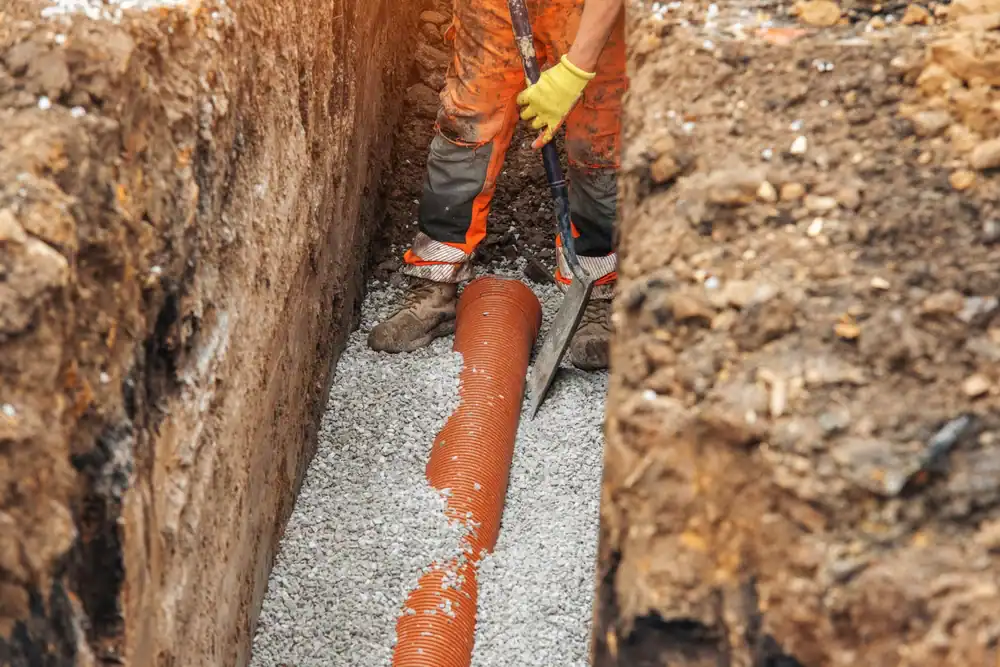
Here’s what happens when your sewer line to cesspool connection gets done correctly. Water flows the way it should. Your drains clear fast. You stop worrying about whether the next flush will back up into your basement.
Most line problems in Southold come down to pitch. When pipes don’t slope right, waste sits in the line. Grease hardens. Solids settle. Then you’re dealing with backups every few months, calling different companies, getting temporary fixes that don’t hold.
Proper line changes mean excavating to the right depth, setting the correct slope—typically a quarter inch per foot for six-inch lines—and making sure every connection is solid. When that’s done, your system works like it should. You’re not calling for emergency service at midnight because sewage is coming up through your shower drain.
We’ve been handling line changes and main waste line replacement in Southold for over a decade. We’re a four-generation family operation, which means we’ve seen every type of line failure this area throws at us.
Southold properties have unique challenges. Many homes here were built when cesspools were standard, and the original lines weren’t always installed with proper pitch. We know the soil conditions, the local code requirements, and how to work around mature landscaping without destroying your property.
We’re licensed, insured, and available 24/7 when emergencies happen. But honestly, most of our line change work is scheduled—because property owners recognize the warning signs early and want it fixed before it becomes a crisis.
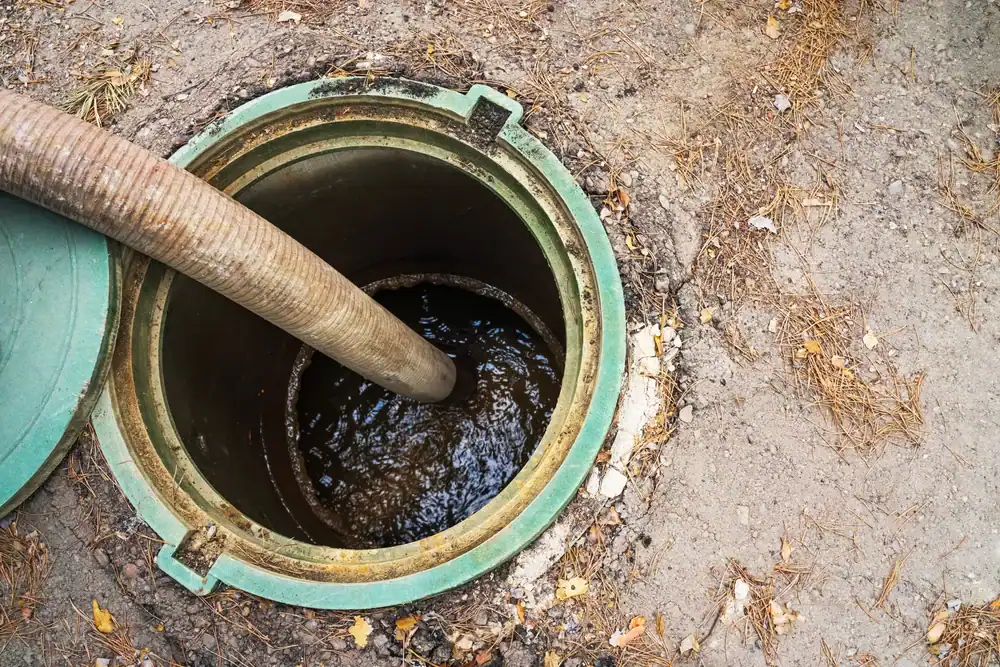
First, we assess the current line. Where’s it failing? Is it a pitch problem, a collapsed section, tree root intrusion, or a bad connection at the cesspool? We don’t guess. We locate the problem, then plan the fix.
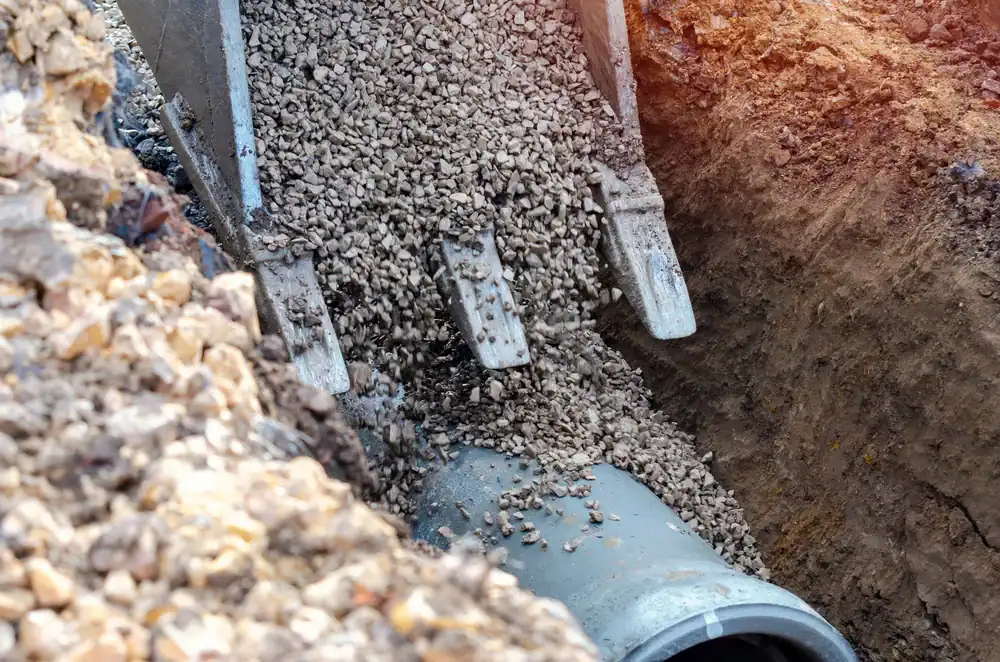
Next comes trenching and excavation. We dig to expose the damaged section, going deep enough to set the new line at the correct slope. For most residential lines, that means maintaining at least a quarter-inch drop per foot of run. Too flat and waste pools. Too steep—over one foot of drop per four feet of run—and you’re violating code and creating different problems.
We replace the damaged section or the entire line if needed, connect it properly to your cesspool, and backfill the trench. Before we’re done, we test the flow to make sure everything drains correctly. You’ll know the job is finished when your drains work fast and stay clear.
Ready to get started?
Line changes aren’t just about swapping out pipe. You’re getting proper excavation, correct pipe slope, solid connections, and backfill that won’t settle and create low spots in your yard.
In Southold, where three-quarters of Suffolk County properties still use cesspools, line work has to account for the specific demands of these systems. Your sewer line to cesspool connection needs to handle the volume your household produces without creating backups during heavy use.
We handle the full scope: locating your existing line, excavating the trench, removing failed pipe, installing new line at the correct pitch, connecting to your cesspool inlet, testing the flow, and restoring the excavated area. If tree roots caused the original failure, we route the new line to avoid future problems.
Most Southold line changes take one to two days depending on the length of the run and site conditions. You’ll have working drains by the time we leave, and you won’t be dealing with the same problem six months later.
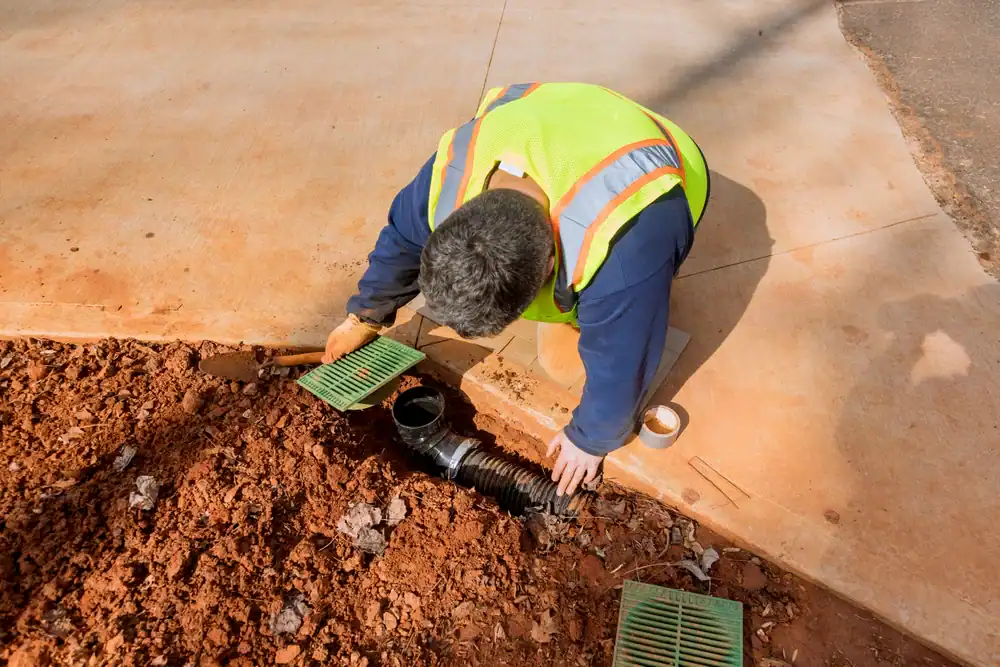
If you’re getting recurring backups in the same area, that usually means the pipe itself is fine but the pitch is wrong. Waste isn’t flowing downhill like it should, so it pools and creates clogs. That’s often fixable with a section replacement and proper slope correction.
But if your line is old cast iron or clay tile, and you’re seeing multiple problem spots, a full main waste line replacement makes more sense. Patching one section just means another section fails next month. Old pipe degrades from the inside out, and you can’t see the damage until it collapses.
Tree roots are another factor. If roots have infiltrated your line, they’ll keep coming back unless you reroute the pipe away from the tree. We can assess your specific situation and tell you whether a targeted repair or a full line change is the right call for your property in Southold.
For a six-inch residential sewer line, you want at least a quarter-inch of slope per foot of run. That’s the minimum to keep waste moving without pooling. Some installers go slightly steeper, but there’s actually a maximum pitch too—code limits it to one foot of drop for every four feet of horizontal run.
Why does that matter? Too much slope and liquids rush ahead of solids, leaving waste stuck in the pipe. Not enough slope and everything sits in standing water, which leads to clogs and backups. Getting the pitch right is the difference between a system that works for decades and one that fails every year.
In Southold, where soil conditions vary and many properties have elevation changes, setting correct pitch sometimes means deeper excavation than property owners expect. But it’s not optional. If the slope isn’t right, the line won’t work no matter how new the pipe is.
Line changes vary based on length, depth, and site conditions. A straightforward 30-foot section replacement might run a few thousand dollars. A full line from your house to your cesspool, especially if it requires deep excavation or working around obstacles, costs more.
Emergency repairs always cost more than scheduled work. If you’re calling at 2 a.m. because sewage is backing up into your house, you’re paying premium rates for immediate response. That’s one reason to address warning signs early—slow drains, gurgling sounds, recurring backups in the same spot.
The real cost isn’t just the line work itself. It’s what happens if you don’t fix it. Emergency cesspool repairs in Suffolk County average around $1,775, but if your system fails completely, you’re looking at $7,350 or more for replacement. Sometimes over $20,000 for a full new system. Fixing the line before it destroys your cesspool is the smarter investment.
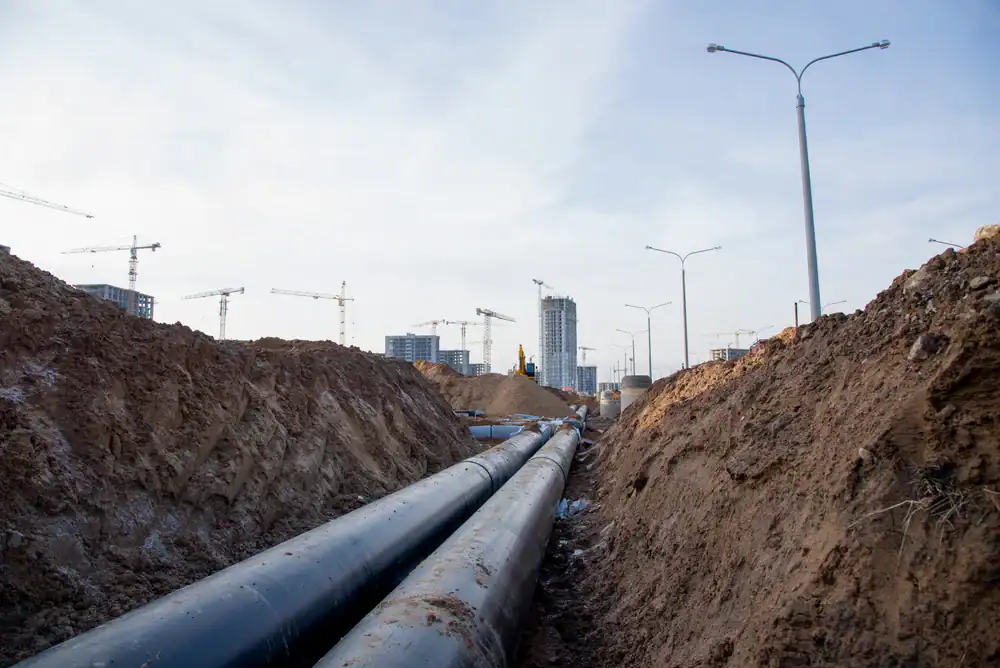
We only excavate where the line runs. That’s typically a trench from your house to your cesspool, usually three to four feet wide and deep enough to set proper slope. Yes, it disrupts your landscaping temporarily, but we’re not tearing up your whole property.
The old approach to cesspool work involved guessing where problems were and digging exploratory holes all over. We don’t work that way. We locate your line, mark the path, and dig a single trench along that route. Once the new line is in and tested, we backfill and grade the area.
If you have mature trees, gardens, or hardscaping in the way, we plan around them when possible. Sometimes the best solution is rerouting the line slightly to avoid obstacles. The goal is fixing your drainage problem while doing the least damage to your property. Most yards recover within a growing season.
Age is the biggest factor. Older Southold homes often have cast iron or clay tile sewer lines that corrode and crack over time. Cast iron rusts from the inside. Clay tile separates at the joints. Once that happens, soil gets in, roots follow, and the line collapses.
Improper pitch causes failures too. When pipes don’t slope correctly, waste doesn’t flow. It sits in the line, grease accumulates, and you get chronic clogs that eventually damage the pipe. Some lines were installed wrong from day one. Others shift over time as soil settles.
Tree roots are relentless. They seek out moisture, and your sewer line is full of it. Even a tiny crack becomes an entry point. Roots grow into the pipe, catch waste, create blockages, and eventually break the line apart. If you’ve got large trees near your line, root intrusion is almost guaranteed on older pipe.
You can, but you’re spending money on a problem that keeps coming back. If you’re calling for line clearing every few months, the pipe itself is failing. Clearing removes the immediate blockage, but it doesn’t fix cracks, correct bad pitch, or stop root intrusion.
Each time you clear a damaged line, you’re paying for temporary relief. Those costs add up fast, and you’re still dealing with the stress of wondering when the next backup will hit. At some point, usually after the third or fourth clearing in a year, replacing the line becomes the more cost-effective choice.
There’s also the damage factor. Repeated backups can harm your cesspool, contaminate your property, and create health hazards. Sewage backing up into your home isn’t just inconvenient—it’s a serious problem. If your line needs replacing, putting it off doesn’t make it cheaper or easier. It just means you’ll eventually be doing the work under emergency conditions, which costs more and causes more disruption.
Other Services we provide in Southold