
Hear from Our Customers
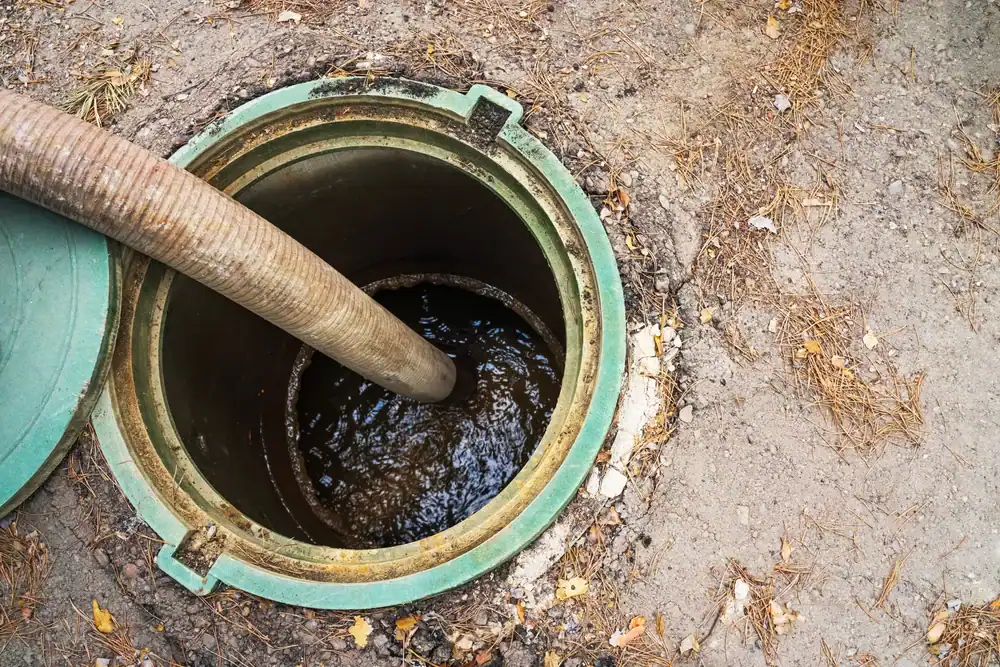
You shouldn’t have to call someone back three months later because the line failed again. When your main waste line or sewer line to cesspool connection breaks down, you need to see what’s actually happening underground before anyone starts digging.
That’s where video inspection changes everything. You get footage with foot counter measurements showing exactly where the problem is—roots growing through joints, collapsed sections, improper pitch causing backups. No guesswork about whether you need a full replacement or just a targeted repair.
Most line failures happen because the original installation didn’t account for proper pipe pitch and slope. Water needs gravity to move waste effectively. When lines settle or shift over time, you get standing water, backups, and eventually a complete blockage. Fixing it right means addressing the grade issue, not just clearing the obstruction and hoping it holds.
We handle cesspool and septic work across Long Island with fully licensed and insured technicians. We’re not the cheapest option, and that’s intentional—you’re paying for equipment that actually diagnoses the problem and experience that prevents you from replacing lines that could’ve been repaired.
Stony Brook has a lot of older cesspool systems, many installed between the 1930s and 1960s. Those systems weren’t built with today’s water usage in mind. When lines start failing, it’s usually not just one issue—it’s roots, settling, outdated materials, and poor drainage all compounding. We’ve seen it enough times to know what actually works long-term.
We’re available 24/7 for emergencies because line failures don’t wait for business hours. But honestly, most emergencies could’ve been prevented with a video inspection when the first signs showed up.
First, we run a video camera through your line with a foot counter so you can see exactly what we’re looking at. You get a USB copy of that footage. If you want a second opinion from another contractor, you’ll have the actual evidence to show them instead of just taking someone’s word that your lines are shot.
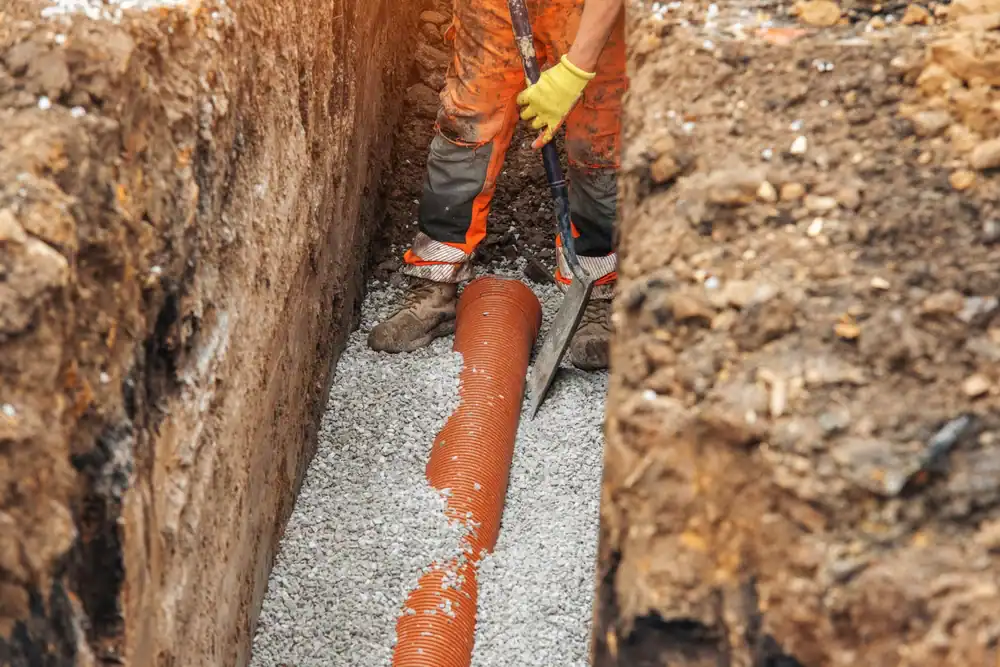
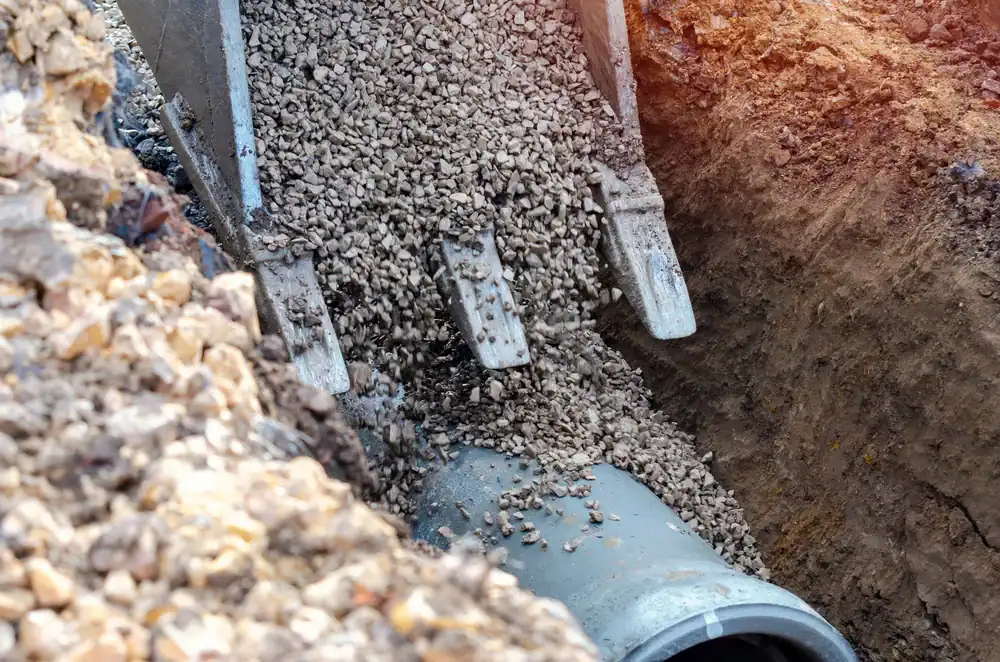
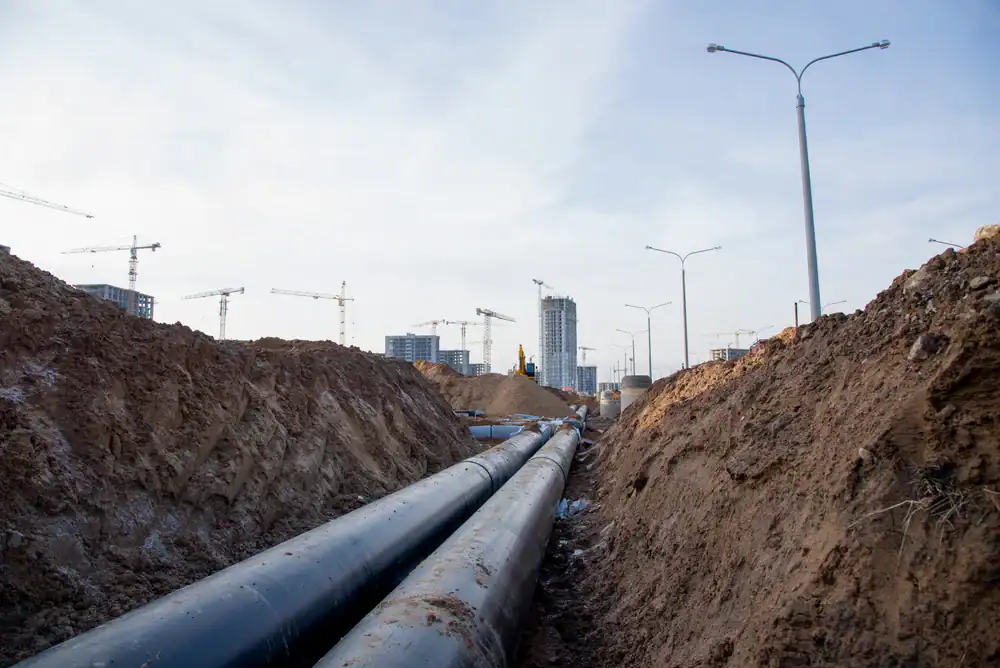
If the line needs replacement, we map out the trenching and excavation work to minimize damage to your property. We’re not tearing up your entire yard if the problem is isolated to one section. The new line gets installed with proper pitch and slope so water moves the way it’s supposed to—downhill, consistently, without low spots where solids can accumulate.
For repairs, we assess whether the existing line can be salvaged with targeted fixes or if you’re better off replacing the whole run. Sometimes a section with root intrusion can be cleared and relined. Other times, the pipe material is so degraded that patching it just delays the inevitable. We’ll tell you which situation you’re in.
After installation, we test the flow and grade to confirm everything drains properly. You’re not finding out six months later that the new line has the same backup issues as the old one.
Ready to get started?
Line changes cover new main lines, overflow lines, and sewer line to cesspool connections. If your system is backing up into the house, that’s usually a main line issue. If you’re seeing wet spots in the yard or pooling water near the cesspool, that’s often an overflow line problem or a connection that’s separated.
Suffolk County has around 250,000 cesspools, and a lot of them are overdue for line maintenance. Cesspools were outlawed in new construction back in 1973, which means most of the systems still operating are decades old. The lines connecting to those cesspools weren’t designed to last forever, and many are now at the end of their functional life.
We handle rotor rooting and line clearing for blockages that don’t require full replacement. But if the video inspection shows structural failure—cracks, collapses, separated joints—clearing the line is just a temporary fix. You’ll be back in the same situation within months. We’d rather show you the problem and let you decide whether a repair or replacement makes sense for your situation and budget.
One thing specific to Long Island: the water table and soil conditions here put extra stress on underground lines. Clay soil doesn’t drain well, which means lines can stay saturated and deteriorate faster. If your property has drainage issues, that’s something we factor into the installation so your new lines aren’t fighting the same conditions that destroyed the old ones.
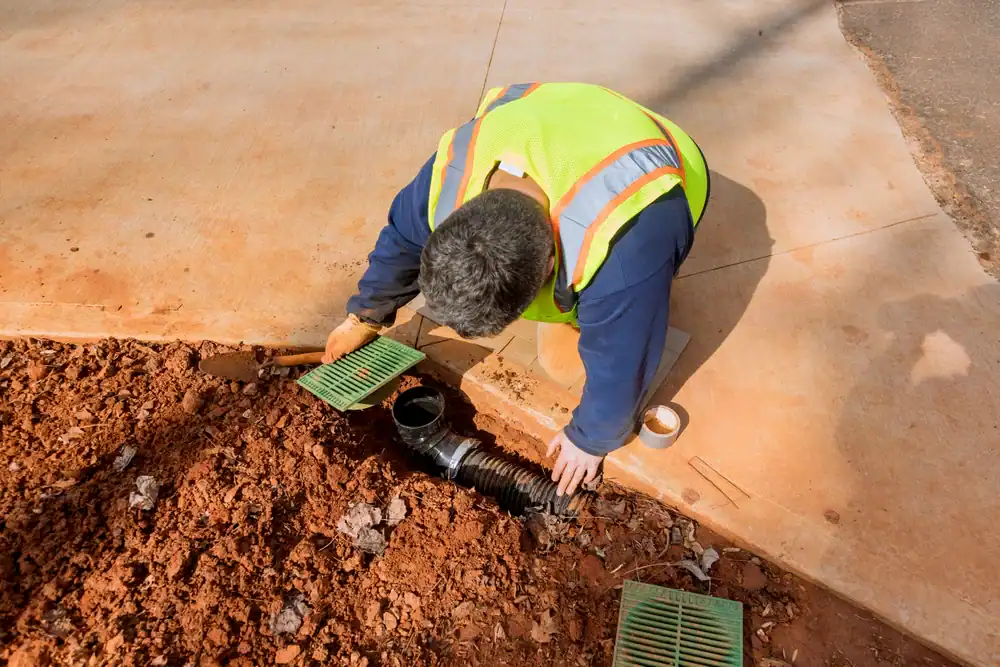
If you’re dealing with recurring backups every few months, that’s a sign the line itself is compromised—not just clogged. A one-time backup after heavy water usage might just need rotor rooting to clear roots or debris. But if you’re calling someone out repeatedly for the same issue, the line probably has structural problems.
Video inspection is the only way to know for sure. We run a camera through the line and you see exactly what’s happening—whether it’s a blockage that can be cleared, roots growing through cracks, or sections of pipe that have collapsed or separated. The footage includes measurements so you know how far down the line the problem is.
A lot of contractors will tell you the line is broken without showing you proof. That’s how homeowners end up paying for replacements they didn’t need or repairs that don’t actually fix the underlying issue. Don’t accept guesswork when you can see the problem with your own eyes.
Age is the biggest factor. Most cesspools in Stony Brook were installed before 1973, which means the lines are 50+ years old. Materials like clay tile and cast iron were common back then, and both degrade over time—clay cracks, iron corrodes, joints separate.
Tree roots are the other major culprit. Roots grow toward water sources, and your sewer line is basically a nutrient-rich water supply. Once roots find a crack or joint, they grow into the pipe and create blockages. Even after you clear the roots, they’ll come back unless you address the entry point.
Improper pitch and slope cause chronic problems too. Lines need a consistent downward grade—usually 1/4 inch per foot—so waste flows by gravity. If the line settles or was installed flat, you get standing water and solids that don’t move. That leads to backups and eventually a full blockage. Fixing it means re-grading the line, not just clearing what’s stuck.
It depends on the length of the run, depth of the line, and how much excavation is required. A straightforward replacement of 50 feet might run a few thousand dollars. If we’re dealing with difficult access, deep lines, or extensive trenching through landscaping, costs go up.
Video inspection helps control costs because you’re only replacing what actually needs it. If the problem is isolated to one section, we’re not tearing out the entire line. You pay for the work that’s necessary, not the work that’s easiest for the contractor.
Emergency repairs cost more—usually 3 to 5 times the price of scheduled work. If you’re seeing early warning signs like slow drains, gurgling sounds, or sewage odors, getting it inspected now saves you from paying emergency rates when the line fails completely at 2 AM. We’re available 24/7, but you’d rather not need us at those hours.
In most cases, yes. Video inspection tells us exactly where the problem is, so we’re only excavating the affected section. If the damage is localized to 10 feet of pipe, we’re not digging a trench across your whole property.
Trenchless repair methods work for some situations—relining the pipe from the inside without major excavation. But that only makes sense if the existing pipe still has structural integrity. If the line has collapsed or the grade is wrong, trenchless fixes don’t solve the problem. You need proper excavation and reinstallation with correct pitch and slope.
We map out the work to minimize property disruption. That means planning the trench route to avoid mature trees, driveways, and landscaping where possible. You’ll have some restoration work after the job, but we’re not tearing up more than necessary to get the line fixed right.
Modern materials like PVC and HDPE can last 50 to 100 years if they’re installed correctly. The key phrase is “installed correctly”—proper pitch, solid bedding, good compaction, and connections that won’t separate over time.
The lines themselves might outlast the cesspool. Suffolk County banned new cesspool installations in 2019, and there are incentives up to $30,000 to upgrade to advanced treatment systems. Even if you’re not required to upgrade your existing cesspool, you might choose to at some point. When that happens, properly installed lines can usually be reused or easily adapted to the new system.
What shortens line life is poor installation, aggressive tree roots, and ground movement. If your property has drainage issues or unstable soil, those factors need to be addressed during installation. Otherwise, you’re just counting down to the next failure.
Yes. Any work on your cesspool system requires permits and inspections in Suffolk County. Using a licensed contractor means the permits are pulled correctly and the work passes inspection the first time.
Unlicensed work might seem cheaper upfront, but it creates problems when you try to sell your property or if the county finds out. You can face steep fines, and you’ll likely have to tear out the unpermitted work and redo it with a licensed contractor anyway. That turns a $3,000 job into a $10,000 problem.
We handle the permitting process as part of the job. You’re not navigating county requirements on your own or hoping the work passes inspection. Suffolk County has specific regulations about cesspool systems, and those rules have gotten stricter over the years. Working with someone who knows the current code saves you from costly mistakes.
Other Services we provide in Stony Brook