
Hear from Our Customers
Your drains clear fast. Water flows where it should. You stop worrying about sewage backing up into your basement or yard every time someone flushes.
That’s what proper line changes do. When your main waste line replacement is done right—with correct pipe pitch and slope, solid connections to your cesspool, and clean trenching work—your system just works. You’re not calling for emergency service every few months. You’re not dealing with soggy spots in your lawn or that smell you can’t quite place.
Most homes in Terryville have original sewer lines from the 1950s. Those cast iron pipes corrode faster here because of the salt air. Tree roots find every weak point. Small cracks turn into full backups. You catch it early at the slow drain stage, or you deal with raw sewage in places it shouldn’t be.
We’ve handled line changes across Terryville for more than ten years. We’re licensed, insured, and we know what older Suffolk County systems look like when they fail—because we’ve replaced hundreds of them.
We’re not the cheapest option, and that matters. You’re paying for excavation work that doesn’t destroy your property, connections that seal properly the first time, and installations that pass inspection without callbacks. We use the right equipment. We follow code. We don’t cut corners on pipe pitch or backfill.
Terryville sits in a 3.2 square mile area where most cesspools are loose-fitting brick or concrete rings installed decades ago. We understand the setback requirements, the soil conditions, and how to connect new lines to older systems without creating new problems.
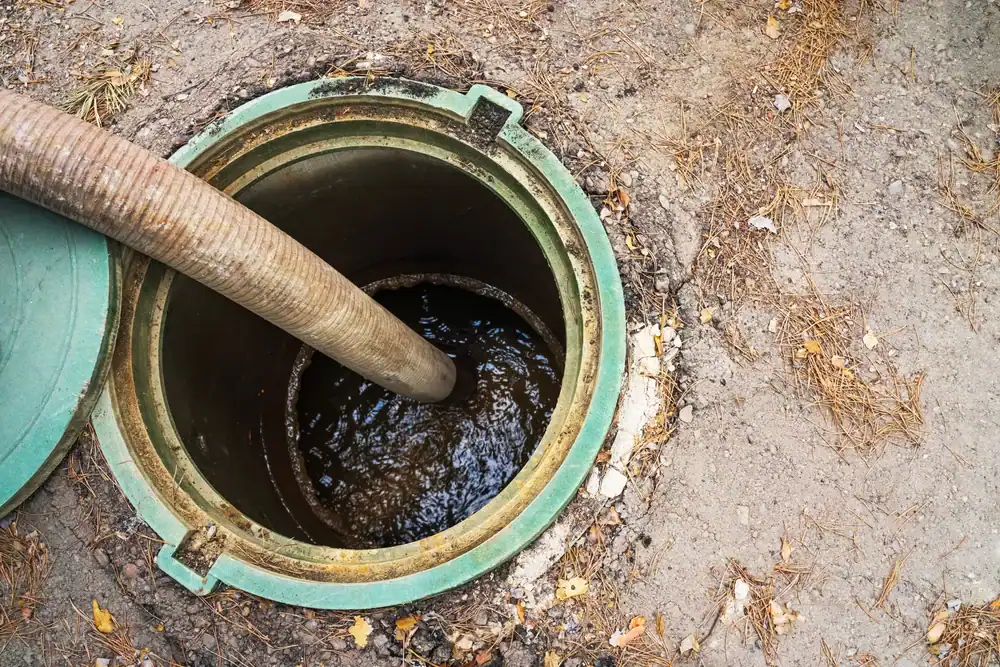
We start with an assessment. Where’s the failure? Is it a section of pipe, a connection point, or the whole run from your house to the cesspool? We locate your existing cesspool—usually 10 feet from your foundation—and map out the work.
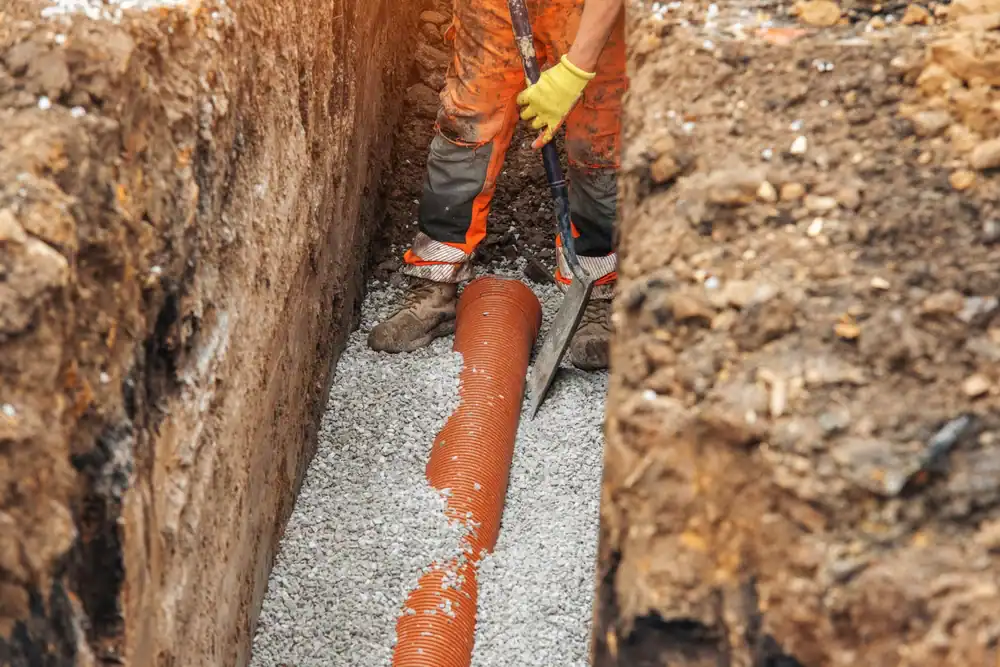
Then comes excavation. We trench carefully to expose the damaged section or the full line if you need complete main waste line replacement. You’ll see us checking pipe pitch and slope as we go because gravity does the work in these systems. If the slope’s wrong, waste doesn’t flow. It sits. It backs up.
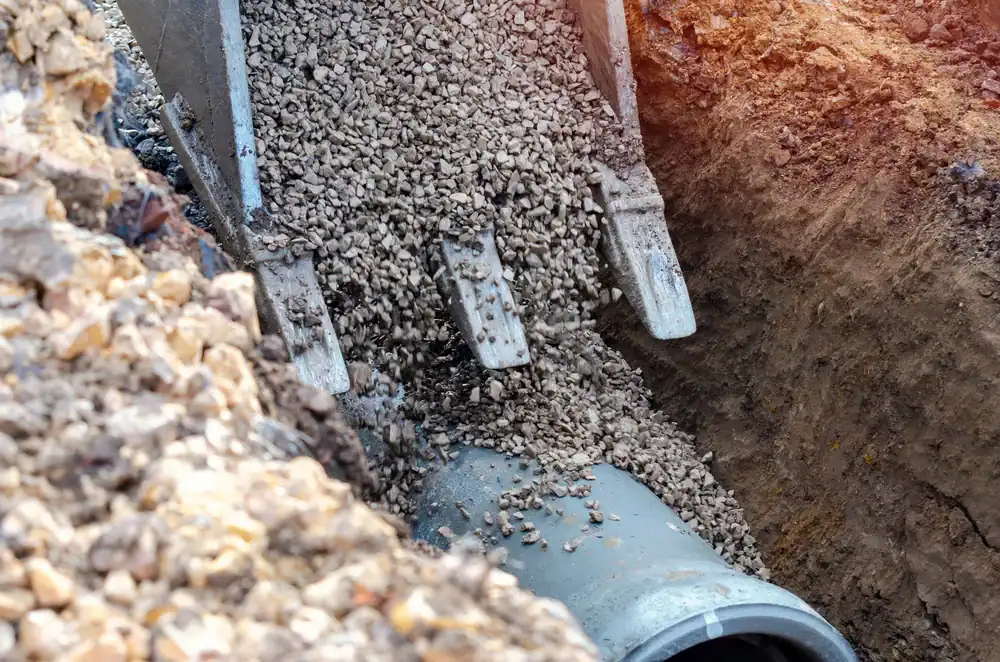
We remove the failed pipe and install new connections. If you’re connecting a sewer line to cesspool, we make sure the seal is tight and the entry point is positioned correctly. We test everything before backfilling. Once it passes, we restore your property—grade it properly, compact the soil, and leave it clean.
The whole process takes one to three days depending on distance and access. You’ll have working drains again, and the work comes with documentation for inspections or property sales.
Ready to get started?
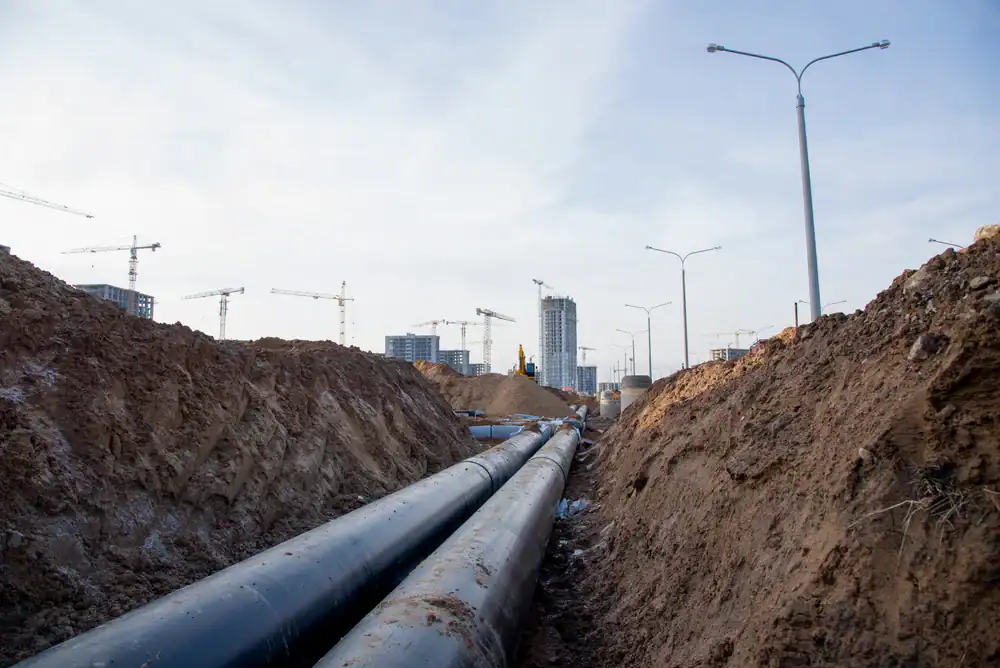
You get full trenching and excavation with minimal disruption. We’re not tearing up your entire yard—we dig what we need to access, repair, and restore. Our equipment is sized for residential properties, not commercial sites.
We handle pipe failures from tree root intrusion, corrosion, or settling. Roots cause about 60% of line problems in this area. They grow 20 to 30 feet looking for water and crack older pipes. We remove the damaged sections and install new pipe that’s root-resistant and properly sealed at every joint.
Suffolk County requires 100-foot setbacks from water wells and 20-foot setbacks from property lines for cesspool work. We know these requirements. We also know that many Terryville homes have cesspools that don’t meet current code because they were installed before the rules changed. We work within those constraints and help you understand what’s grandfathered and what needs updating.
You also get proper backfill and compaction. Loose soil settles. Settled soil creates dips where water pools. We compact in layers so your lawn doesn’t sink six months later.
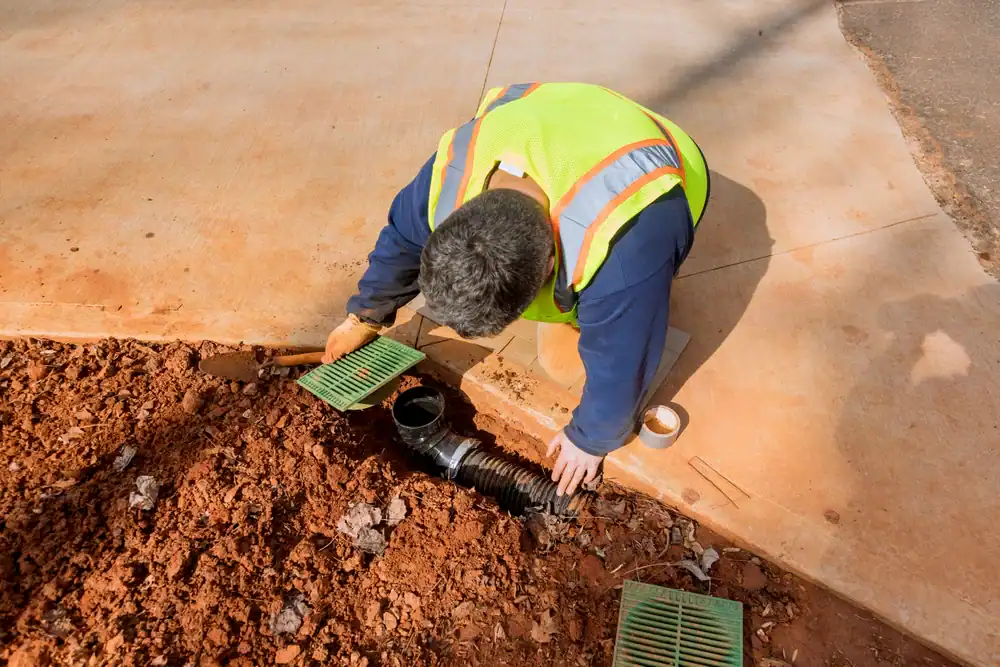
If you’re dealing with repeated backups in the same spot, that’s usually a sign the pipe itself has failed—not just a temporary clog. Tree roots don’t go away after a cleanout. Corroded cast iron doesn’t heal. Cracked concrete doesn’t seal itself.
You might need just a section replaced if the damage is localized. But if your home was built in the 1950s and you’ve never replaced the main waste line, you’re likely looking at full replacement. Patching one section just moves the problem down the line—literally.
We can camera-inspect the line to show you exactly what’s happening inside. Cracks, root intrusion, collapsed sections—you’ll see it. That takes the guesswork out.
Your sewer line is the pipe that carries waste from your house to your cesspool. The connection is where that pipe enters the cesspool itself. Both can fail, but for different reasons.
Sewer lines crack from roots, corrosion, or ground movement. Connections fail when seals break down, when the cesspool shifts, or when the entry point wasn’t installed correctly in the first place. A bad connection means waste leaks into the soil before it reaches the cesspool—and you’ll smell it or see wet spots near the tank.
When we replace lines, we’re often replacing both the pipe run and the connection point. It doesn’t make sense to install new pipe and connect it to a failing entry point. You fix it all at once or you’re back in the same hole six months later.
Most residential line changes take one to three days depending on distance, access, and what we find once we start digging. If your cesspool is 10 feet from your foundation and we have clear access, that’s a faster job than running a new line 50 feet through landscaping.
Weather matters too. Heavy rain turns excavation into a mud pit. We can work in light rain, but we’re not backfilling trenches in a downpour. Soil needs to compact properly or you’ll have settling issues.
You’ll have limited drain use during the work. We’ll tell you exactly when you can and can’t run water. Once the new line is in and tested, you’re back to normal. We don’t leave jobs half-finished overnight if we can avoid it.
Gravity moves waste through your system. If the pipe’s too flat, waste sits and clogs. If it’s too steep, water runs ahead and leaves solids behind. Either way, you get backups.
The standard slope is a quarter inch per foot. That’s enough to keep everything moving without creating problems. We check slope as we install using levels and laser equipment. It’s not something you eyeball.
Older lines lose proper pitch when soil settles or when roots push pipes out of alignment. That’s often why a system that worked fine for years suddenly starts backing up. The pipe’s still there, but it’s not angled right anymore. Replacing the line gives us a chance to set the slope correctly from your foundation to your cesspool.
We dig a trench from your house to your cesspool following the path of the existing line. That trench is typically 18 to 24 inches wide and deep enough to reach the pipe—usually three to four feet down.
The soil comes out. We set it aside. We do the pipe work. Then we backfill in layers, compacting as we go. Once it’s filled and graded, we rake it smooth. If you have grass, you’ll need to reseed that strip. If it’s landscaping, you’ll replant.
We’re not tearing up your whole yard. Just the path we need. And we work carefully around existing utilities, sprinkler lines, and landscape features. You’ll see equipment, you’ll see a trench, but we’re not leaving a disaster behind.
Slow drains are the early warning. That’s the stage where you can still plan the work, get quotes, and schedule it on your timeline. Wait until you have a full backup and you’re in emergency mode—higher cost, limited availability, and sewage where you don’t want it.
Most line failures don’t happen overnight. Roots grow slowly. Corrosion takes years. But once a crack starts, it gets worse fast. Water pressure and waste flow turn small problems into big ones.
If multiple drains are slow, if you’re hearing gurgling from your pipes, or if you’re smelling sewage outside near your cesspool, don’t wait. Those are signs your system is failing. Catching it now means you control the timing and the cost. Waiting means the system controls you.
Other Services we provide in Terryville