
Hear from Our Customers
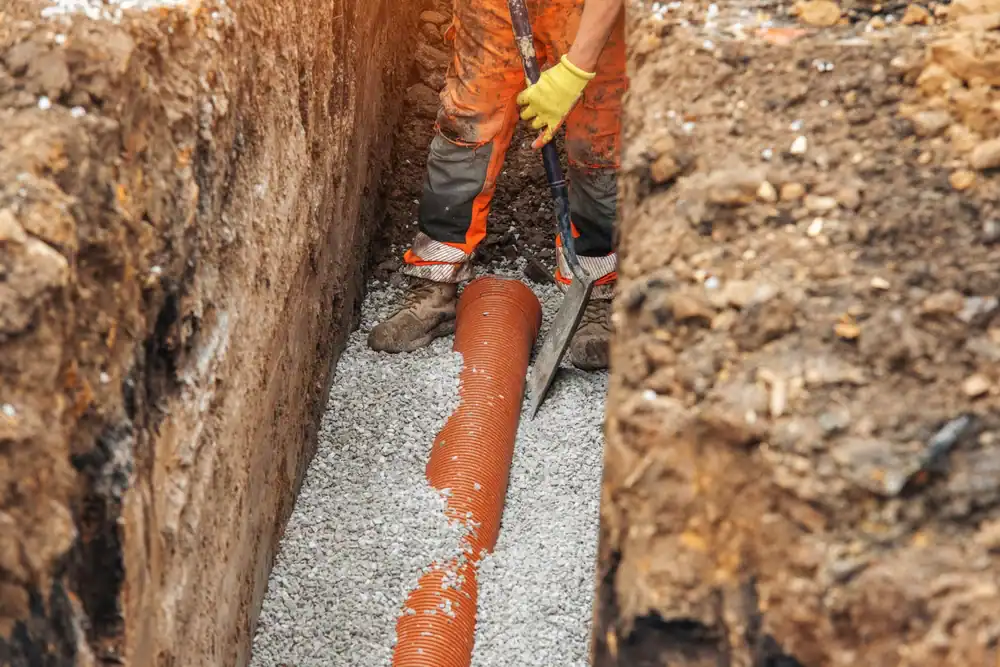
You’re not dealing with a minor inconvenience. A failing waste line means sewage backing up into your home, thousands in emergency repairs, and the constant anxiety of wondering when it’ll happen again.
Proper line changes fix the root cause. That means correct pipe pitch from your house to your cesspool, connections that won’t separate when Upper Brookville’s sandy soil shifts, and materials that last decades instead of years. You get a system that drains like it should every single time.
The difference shows up immediately. No more slow drains. No more gurgling toilets. No more calling for emergency service because your main line can’t handle normal use. Just a waste system that works the way it’s supposed to, protecting your property value and giving you actual peace of mind.
We’ve been handling line changes across Long Island for nearly two decades. We’re a four-generation family business, which means we’re not going anywhere and our reputation actually matters to us.
Upper Brookville’s coastal environment creates specific challenges. The water table fluctuates. Sandy soil shifts after heavy rain. Tree roots from those oak-lined streets find every weak point in old pipes. We’ve seen it all, and more importantly, we know how to account for it during installation.
You’re working with excavation contractors who treat your property like it matters. We document everything for Nassau County compliance, use equipment that gets the job done without destroying your landscaping, and we’re available 24/7 when emergencies happen.
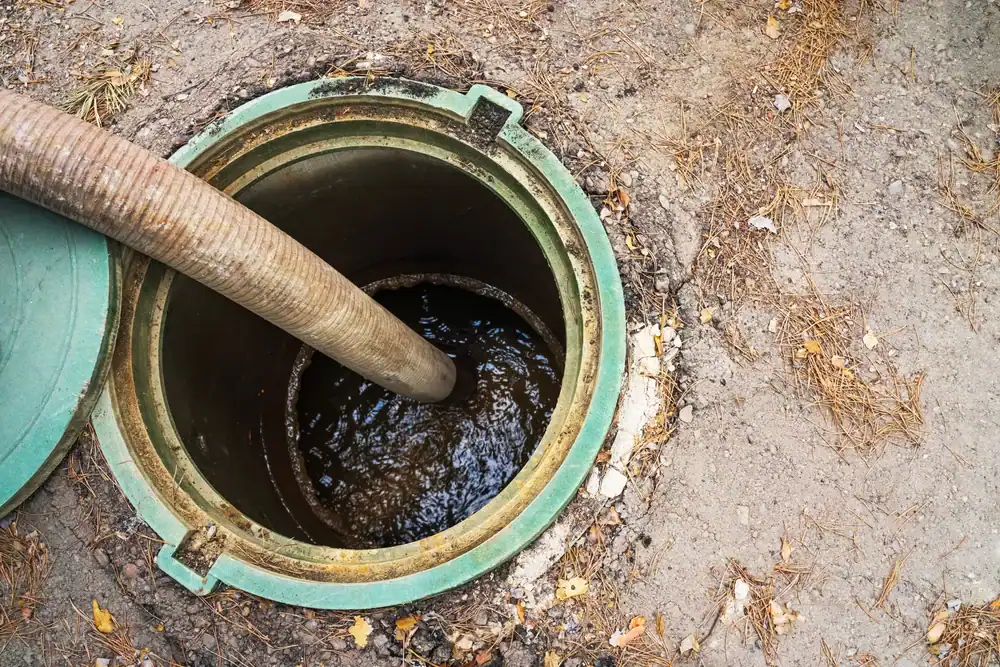
First, we assess the damage. That means locating your existing sewer line to cesspool connection, identifying where the failure occurred, and determining whether you need a full main waste line replacement or a targeted repair. No guessing, no upselling.
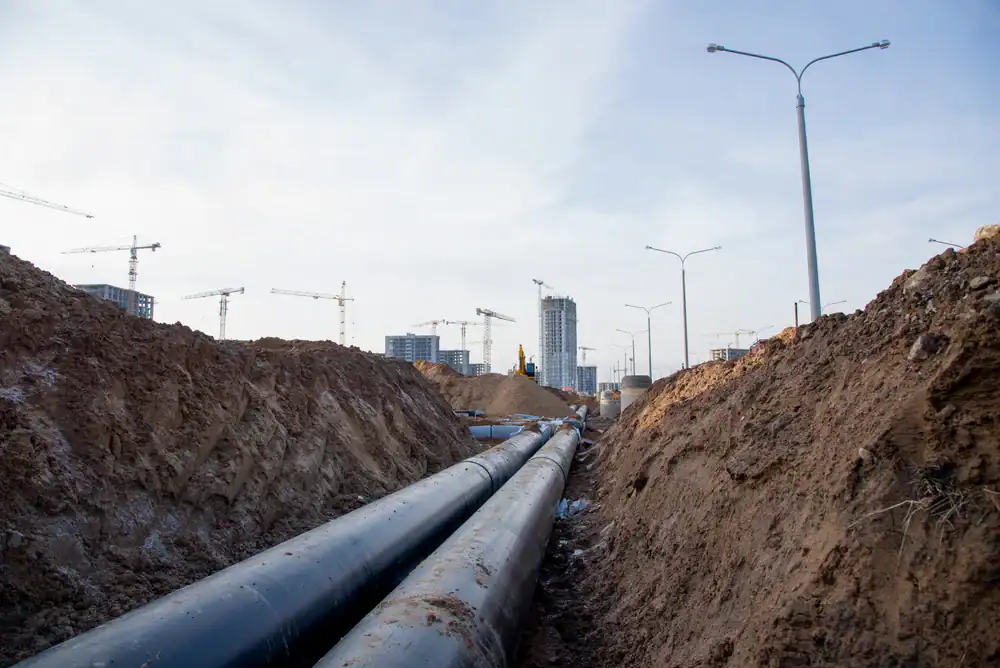
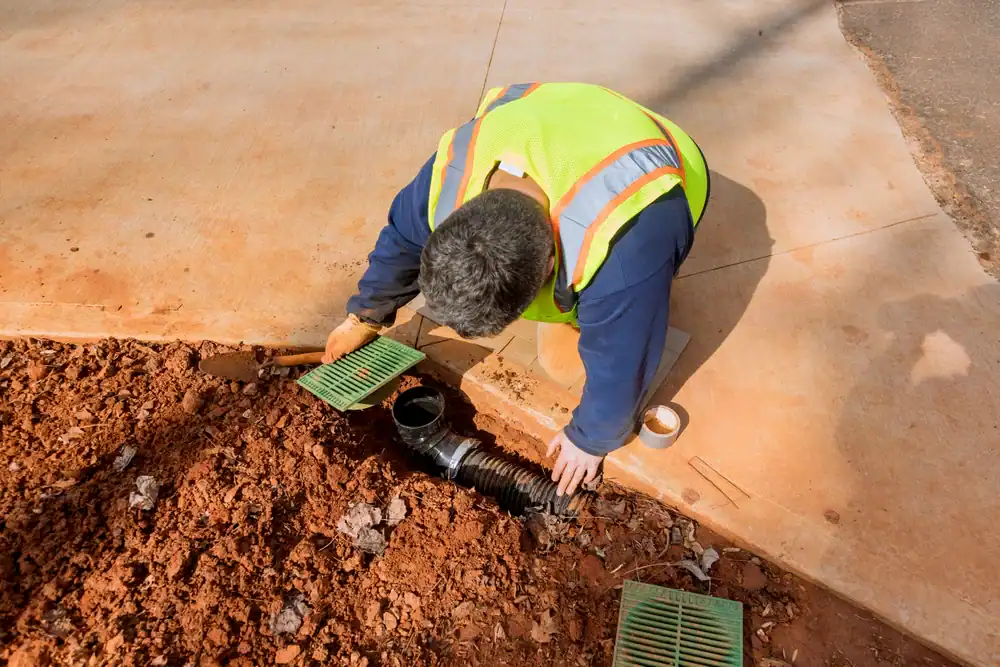
Next comes excavation. We dig the trench at the proper depth and width, accounting for Upper Brookville’s soil conditions. If tree roots caused the problem, we remove them completely. If the old pipe was installed with improper pitch and slope, we correct it during this phase so gravity actually works in your favor.
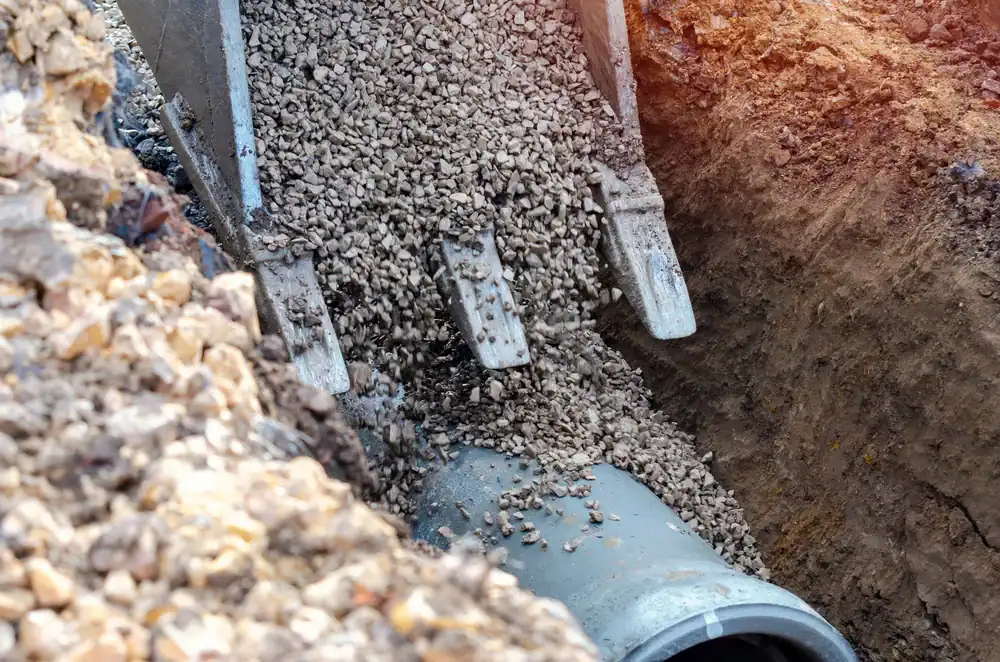
Then we install new pipe with the right materials and proper connections. Every joint gets sealed correctly. Every section gets bedded in gravel for stability when that sandy soil shifts. We test the line before backfilling to make sure everything drains properly.
Finally, we restore your property. The trench gets filled, compacted, and graded. You get documentation for your records and Nassau County compliance. The whole process typically takes one to two days depending on distance and site conditions, and you’re left with a waste line that’ll outlast most of what’s in your neighborhood.
Ready to get started?
The difference between a line change that lasts and one that fails again in five years comes down to details most homeowners never see. Pipe pitch matters more than most contractors admit. Your waste line needs to slope at least 1/4 inch per foot to drain properly. Too flat and waste sits in the pipe. Too steep and liquids run ahead of solids, causing clogs.
Upper Brookville’s sandy soil requires specific backfill techniques. We don’t just dump dirt back in the trench. Proper bedding and compaction prevent settling that can change your pipe slope over time. That’s especially critical here where the water table fluctuates with coastal conditions.
Tree roots cause about 60% of sewer line problems on Long Island. Those mature oaks lining your street send roots 20 to 30 feet searching for water, and your waste line is exactly what they’re looking for. We install root barriers during line changes and use pipe materials that roots can’t penetrate. It’s the difference between a repair that lasts three years and one that lasts thirty.
You also get complete documentation. Nassau County requires specific permits and inspections for this work. We handle all of it, which protects you from compliance issues and gives you a paper trail that adds value when you eventually sell.
If you’re dealing with recurring backups in the same area, that’s usually a sign the pipe itself has failed. A single clog can be cleared. Multiple clogs in the same spot mean the pipe is cracked, separated at a joint, or installed with back-pitch that prevents proper drainage.
Age matters too. If your sewer line is original to a house built before 1980, you’re likely looking at cast iron or clay pipe that’s reached the end of its lifespan. These materials crack and separate as they age. Patching one section doesn’t fix the next section that’s about to fail.
The other telltale sign is slow drainage throughout your house, not just one fixture. When your main waste line can’t handle normal flow, everything backs up. Tree root intrusion typically causes this, and once roots get into a pipe, they come back unless you replace the damaged section entirely. We can camera-inspect your line to show you exactly what’s happening and whether a repair will actually solve the problem or just buy you a few months.
Sandy soil is the biggest factor. Unlike clay soil that stays put, Long Island’s sand shifts constantly, especially after heavy rain or during freeze-thaw cycles. That movement stresses pipe joints, causing separations and cracks that let wastewater leak out and groundwater leak in.
The coastal water table compounds the problem. When the water table rises, it puts pressure on your cesspool and sewer lines. Pipes installed without proper bedding can float or shift position, changing the slope and creating low spots where waste accumulates instead of draining.
Tree roots are the other major cause. Upper Brookville has mature trees throughout the area, and their root systems actively seek out water sources. A tiny crack in your sewer line releases moisture and nutrients that roots detect. Once they find that crack, they grow into it and expand, eventually blocking the entire pipe. Oak trees are particularly aggressive, with root systems that extend well beyond their canopy. If you have large trees near your sewer line, root intrusion is almost inevitable with older pipe materials.
Most residential line changes in Upper Brookville take one to two days. Day one is excavation and installation. Day two is testing, backfill, and site restoration. The timeline extends if we hit unexpected complications like ledge rock, unmarked utility lines, or extensive root systems that need removal.
During the work, you’ll have limited water use. We typically install a temporary bypass so you can use toilets and drains for essential needs, but you’ll want to minimize usage while the line is open. We’ll tell you exactly when to stop using water and when it’s safe to resume normal use.
The excavation creates a trench across your property from your house to your cesspool. We’ll mark the path beforehand and work with you to minimize impact on landscaping, driveways, or other features. Equipment needs access, so there will be some disruption, but we’re not tearing up your entire yard. After backfill, the trench area will be lower than surrounding grade for a few weeks as soil settles. That’s normal. We’ll explain what to expect for final grading and whether you need to reseed or add topsoil once settling is complete.
There will be a trench, and anything directly in that path gets disturbed. But we’re not careless about it. We hand-dig around plantings when possible, we mark sprinkler lines and landscape lighting, and we route equipment to minimize compaction in areas you care about.
The trench itself is typically 18 to 24 inches wide and follows the most direct path from your house to your cesspool. If that path goes through established landscaping, we’ll discuss options before we start. Sometimes a slightly longer route saves mature plantings that would cost thousands to replace. Sometimes the direct route makes more sense and you plan for replanting afterward.
After backfill, you’re left with a strip of disturbed soil. Grass will need reseeding. Garden beds will need replanting. But the rest of your property stays intact. We don’t drive equipment over areas we don’t need to access. We don’t stage materials on your lawn unless there’s no other option. The goal is fixing your waste line, not destroying everything around it. Most homeowners are surprised by how contained the work area actually is compared to what they imagined.
Line changes typically range from $3,500 to $8,000 depending on distance, depth, and site conditions. A straightforward 50-foot run with easy access costs less than a 100-foot run that requires cutting through pavement or working around mature trees.
The variables that affect price include trench length, excavation depth, obstacles in the path, type of pipe material, and whether we need to coordinate with Nassau County for permits and inspections. If your line runs under a driveway, that adds cost for cutting and repaving. If we encounter ledge rock that requires special equipment, that adds cost too.
Emergency line changes cost more than scheduled work because you’re paying for immediate response and after-hours labor. That’s why catching problems early matters. If you’re seeing slow drains, frequent backups, or wet spots in your yard near the sewer line, get it checked before it becomes a crisis. A planned line change on our schedule costs less than an emergency replacement when sewage is backing up into your house and you need it fixed today regardless of price.
Yes. Nassau County requires permits for main waste line replacement and sewer line to cesspool connections. The permit process ensures work meets code requirements for pipe material, slope, depth, and proper connection to your existing cesspool system.
We handle all permit applications and inspections as part of the job. You don’t need to visit the county office or coordinate with inspectors. We pull the permits, schedule the required inspections, and provide you with documentation showing the work was completed to code. That documentation protects you if compliance questions come up later.
Working without permits creates problems. If unpermitted work is discovered during a home sale, you may be required to excavate and reinspect, which means paying twice for the same job. If a compliance issue leads to groundwater contamination, fines range from $250 to $2,000. Licensed contractors carry insurance and provide documentation that protects you from these risks. The permit cost is built into professional line change pricing, and it’s worth every penny for the legal protection it provides.
Other Services we provide in Upper Brookville