
Hear from Our Customers
Your drains move water the way they’re supposed to. No slow backups in the shower. No smell creeping up through the basement floor. No wondering if today’s the day something gives out completely.
That’s what a properly installed line does. The pipe pitch and slope are set correctly so gravity does its job. The connection between your house and your cesspool is sealed and secure. And you’re not calling someone back out in six months because the job was rushed or done wrong.
You also stop worrying about whether your system is going to fail during a holiday weekend or when you have family visiting. A solid main waste line replacement means your system handles normal use without drama. It’s one less thing competing for your attention when you’ve got enough to deal with already.
We’re licensed by New York State and fully insured, which matters more than you might think when someone’s digging up your yard and handling waste lines. We’ve worked in Wading River long enough to know how the sandy soil behaves and what happens when the water table shifts seasonally.
You’re not getting a crew that learned about cesspools from a manual. You’re getting technicians who’ve handled backups and pipe failure in this area specifically, who understand the local conditions that affect how your system performs.
We give you a written estimate before we start. No surprise fees when the job’s done. No upselling you on things you don’t need. Just honest communication about what’s wrong and what it takes to fix it.
First, we assess your current line to figure out where the problem is and what caused it. Sometimes it’s a collapse. Sometimes it’s root intrusion or settling that threw off the slope. We use fiber-optic equipment to see what’s happening underground instead of guessing.
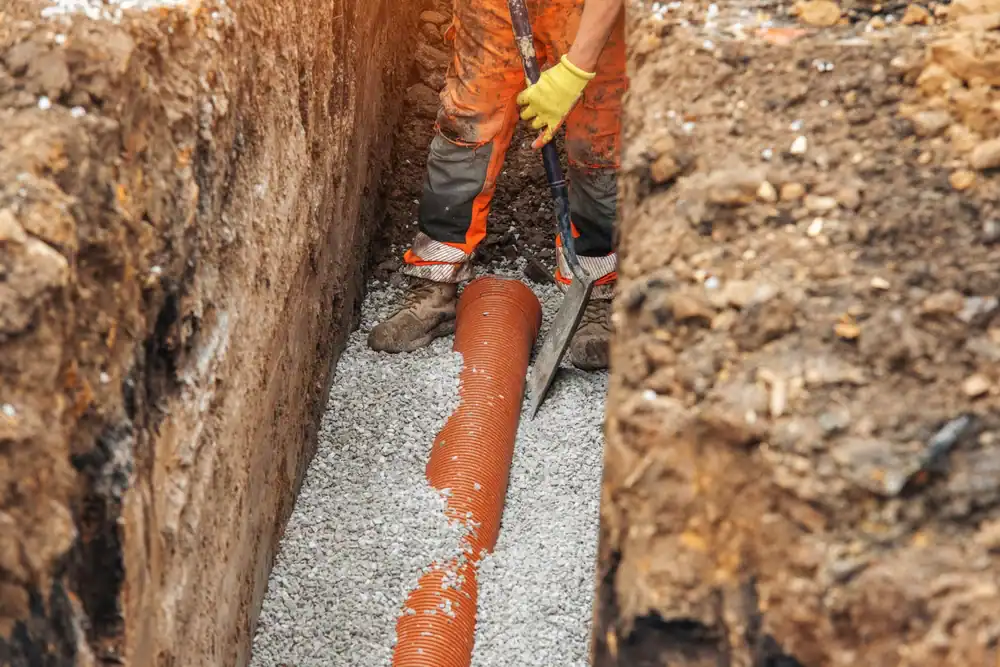
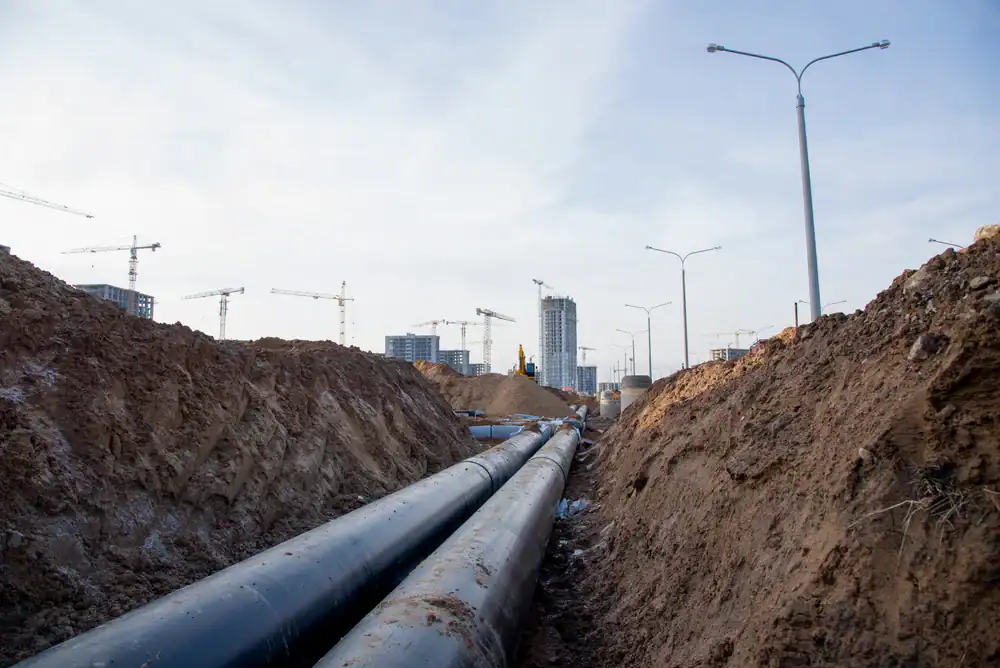
Next comes trenching and excavation. We dig down to expose the damaged section or the full run if that’s what needs replacing. In Wading River’s sandy soil, this usually goes faster than in areas with heavy clay, but we still have to be careful about how we shore things up and manage the trench.
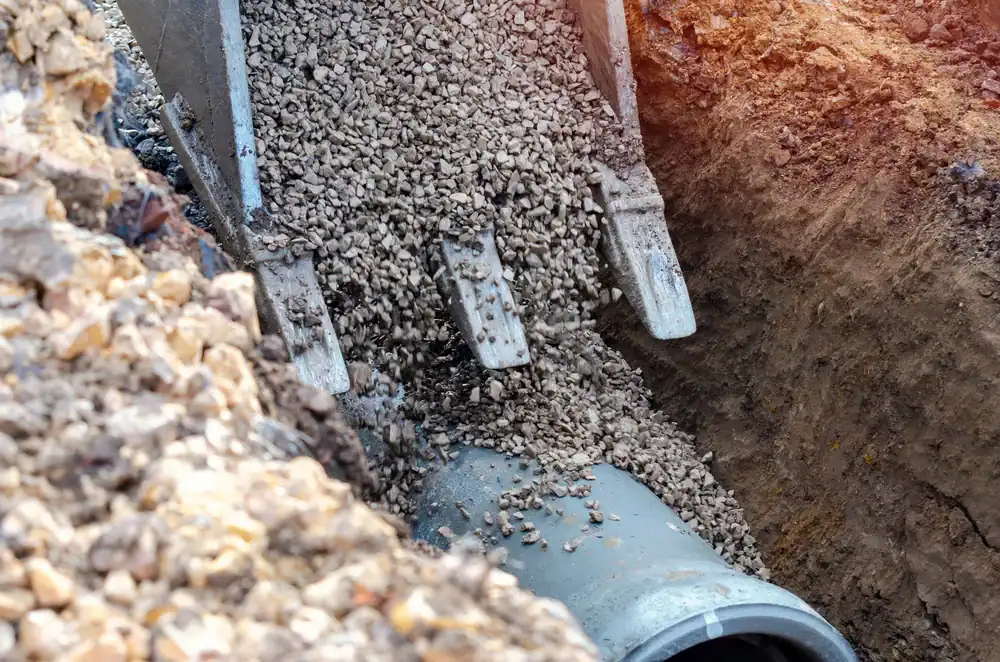
Then we install the new line with the correct pipe pitch and slope so wastewater flows properly to your cesspool. The connection points get sealed. Everything gets inspected. We backfill the trench, compact the soil, and make sure your yard isn’t left looking like a construction zone. All waste gets disposed of according to New York State regulations at approved sites.
Ready to get started?
You’re getting a complete line change from your house to your cesspool, installed by licensed technicians who know what they’re doing. That includes proper trenching, new pipe set at the right slope, secure connections, and cleanup afterward.
In Wading River, the sandy soil and seasonal water table changes mean your line needs to be installed with those conditions in mind. A line that works fine in August might have problems in March if it wasn’t set up correctly from the start. We account for that.
You also get transparent pricing with a written estimate before we dig. We’re available for emergency calls when your line fails and you need someone now, not next week. And everything we do complies with local regulations and environmental requirements, which protects you if there’s ever a question about permits or disposal.
This isn’t about selling you the most expensive option. It’s about fixing what’s broken or replacing what’s failed so your system works the way it should.
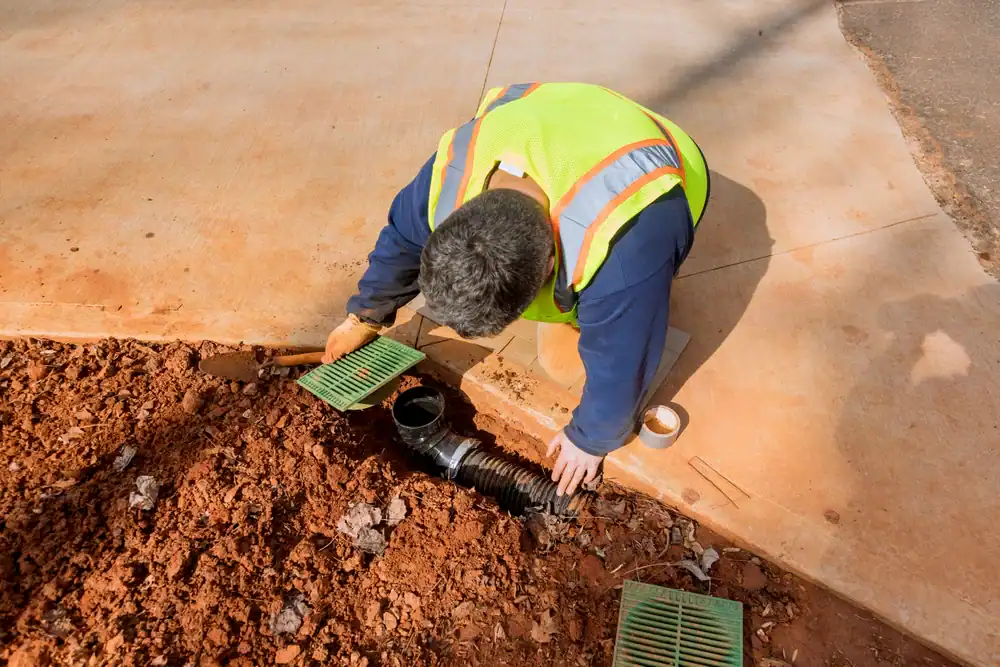
If you’re dealing with repeated backups in the same spot, that’s usually a sign the pipe has collapsed or the slope is wrong. A single clog can often be cleared. But when the problem keeps coming back, or when you’re seeing sewage surfacing in your yard, the line itself is likely compromised.
Age matters too. Older clay or cast iron pipes eventually crack or separate at the joints. Tree roots find their way in through those cracks and make the problem worse. If your system is decades old and you’re starting to have issues, a full replacement often makes more sense than patching it and hoping.
We’ll assess your specific situation and tell you what we find. Sometimes a targeted repair works. Sometimes it doesn’t. You’ll get an honest answer either way, because we’re not interested in selling you work you don’t need.
We dig a trench from your house to your cesspool following the path of your existing line. The trench needs to be deep enough to reach the pipe and wide enough for us to work safely. In Wading River’s sandy soil, the digging usually goes smoothly, but we have to shore up the trench walls to prevent cave-ins.
Your yard will be disrupted during the job. There’s no way around that. But we don’t leave it torn up when we’re done. After the new line is installed and inspected, we backfill the trench, compact the soil properly, and restore the surface as close as possible to how it was.
If you have landscaping, a driveway, or other features in the way, we’ll talk through that before we start. Sometimes we can work around things. Sometimes we can’t. But you’ll know what to expect before anyone picks up a shovel.
Most residential line changes take one to three days depending on the distance, soil conditions, and what we run into once we start digging. A straightforward replacement on a shorter run might be done in a day. A longer run with complications takes more time.
Weather can affect the timeline, especially if we get heavy rain that fills the trench or makes the soil unstable. We also have to factor in inspection and any permit requirements, though we handle that coordination for you.
During the work, your plumbing will be out of service. You won’t be able to use sinks, toilets, or showers that drain into that line. We’ll let you know exactly when that shutdown happens and how long it’ll last so you can plan accordingly. If it’s an emergency situation, we move as fast as we safely can.
Gravity is what moves wastewater through your line to the cesspool. If the slope is too flat, water doesn’t flow fast enough and solids settle in the pipe. That leads to clogs and backups. If the slope is too steep, water rushes through but leaves solids behind, which also causes blockages over time.
The standard is about a quarter inch of drop per foot of pipe. That’s enough to keep everything moving without creating problems. In Wading River’s sandy soil, settling can throw off that slope if the trench wasn’t backfilled and compacted correctly during the original installation.
When we install a new line, we set the slope right and make sure it stays that way. We compact the backfill in layers and check our work as we go. It’s not complicated, but it has to be done correctly or you’ll have problems down the road.
Tree roots are a big one. They work their way into joints and cracks looking for water, then grow and expand until they break the pipe or block it completely. Older pipes with clay or cast iron are especially vulnerable because the joints weren’t sealed the way modern PVC connections are.
Settling is another common issue. Wading River’s sandy soil shifts more easily than heavier soils, and if the original trench wasn’t compacted properly, the pipe can sag or separate at the joints. That creates low spots where waste collects and eventually clogs.
Age and material breakdown also play a role. Pipes don’t last forever. Corrosion, ground movement, and decades of use eventually take their toll. When you start seeing recurring problems, it’s often because the pipe itself has reached the end of its useful life.
Yes. We coordinate any permits required for the work and make sure everything complies with New York State environmental regulations. That’s part of what you’re paying for when you hire a licensed contractor instead of trying to DIY this or using someone unlicensed.
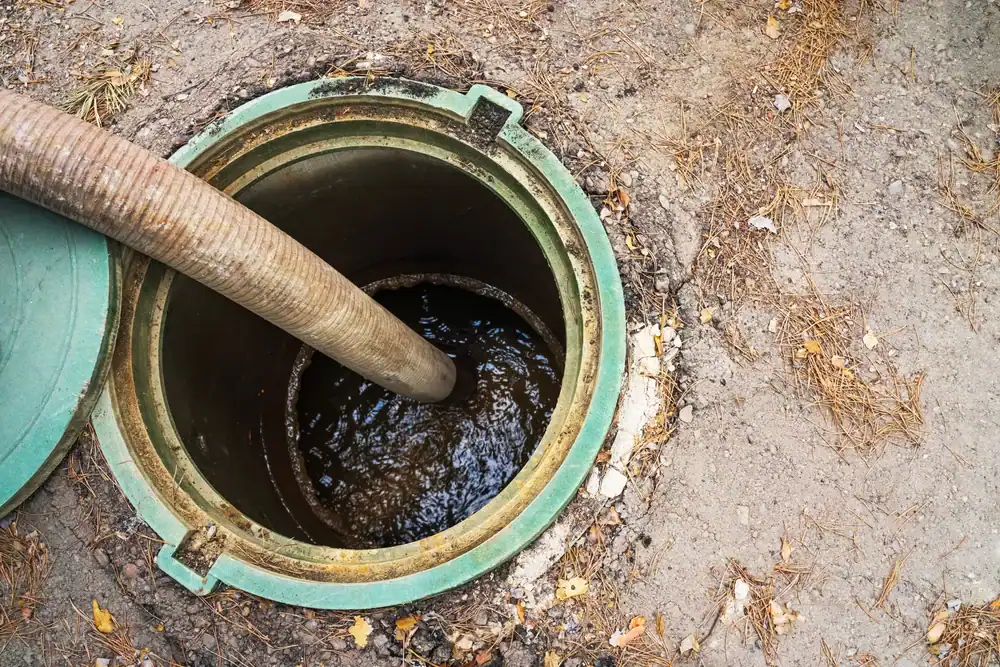
All waste from the job gets disposed of at approved sites according to state requirements. You don’t have to track down where that waste can legally go or worry about whether it was handled correctly. We document everything in case there’s ever a question.
This matters more than most people realize. Improper disposal can result in fines and liability issues for the property owner. Using a licensed, insured contractor protects you from that risk and ensures the job is done by the book from start to finish.
Other Services we provide in Wading River