
Hear from Our Customers
You’re dealing with slow drains, recurring backups, or a main line that’s already failed. Every flush feels like a gamble. Every shower makes you wonder if today’s the day it all comes up through the basement floor.
Here’s what changes after a proper line replacement: your system drains the way it should. No more calling for emergency service every few months. No more wondering if you can have guests over without risking a sewage disaster in the middle of dinner.
The right pipe pitch and slope mean waste moves downhill without pooling or creating clogs. A solid sewer line to cesspool connection means no leaks, no root intrusion, and no contamination seeping into your yard. You get a system that works quietly in the background, the way it’s supposed to.
We handle cesspool and sewer line work throughout Wantagh and the surrounding Nassau County area. We know how Long Island clay affects drainage, which permits you need for different installations, and how to handle the environmental requirements specific to this region.
Most homes in Wantagh were built decades ago, and many still have original galvanized steel or concrete lines that are corroding from the inside out. We’ve seen every type of failure this area produces. When your main waste line goes, we’re the ones who show up with the right equipment, pull the permits, do the trenching and excavation properly, and make sure everything slopes correctly so you don’t have the same problem in five years.
We’re licensed, insured, and available when you need us—including emergencies that can’t wait for Monday morning.
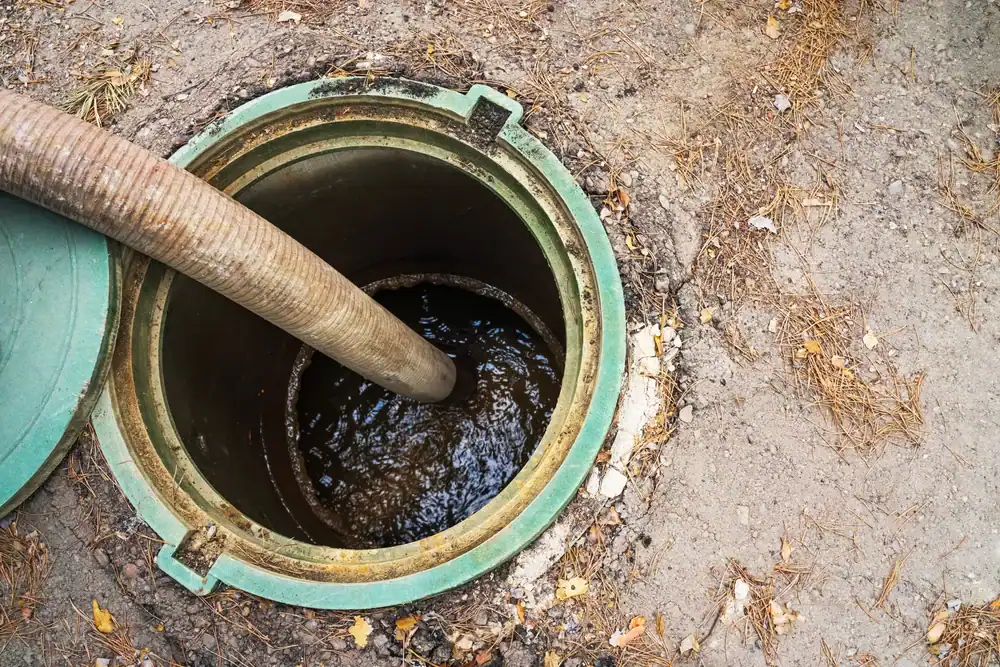
First, we assess the damage. That usually means a camera inspection to see where the line failed, how much needs replacing, and whether tree roots or ground shifting caused the problem. You’ll know what you’re dealing with before any digging starts.
Next comes the permits. Nassau County requires specific approvals for sewer line work, and we handle that process so you don’t have to chase down paperwork or wait weeks for inspections.
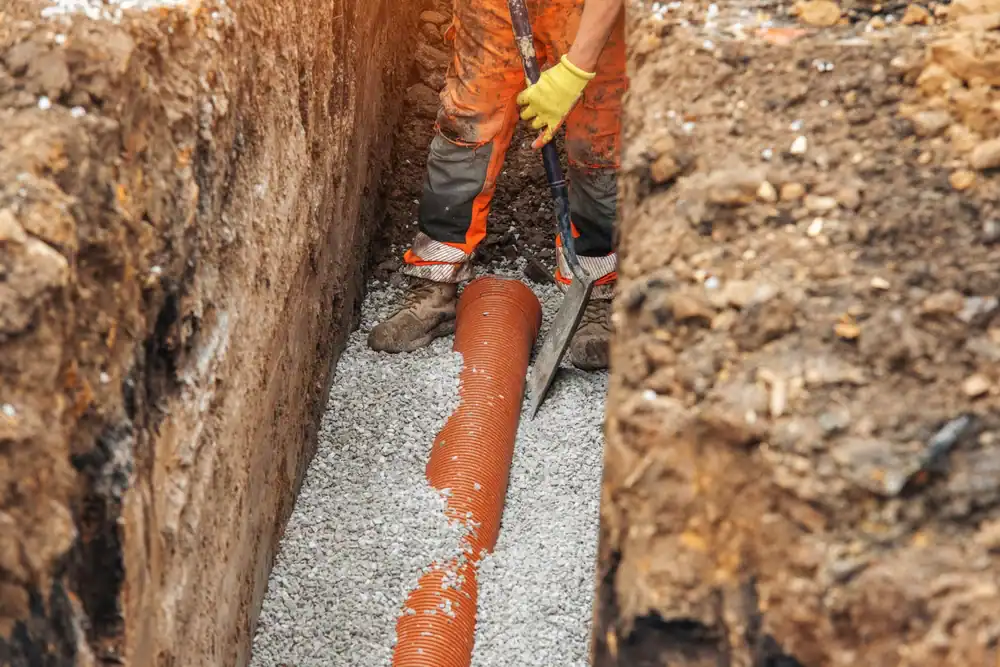
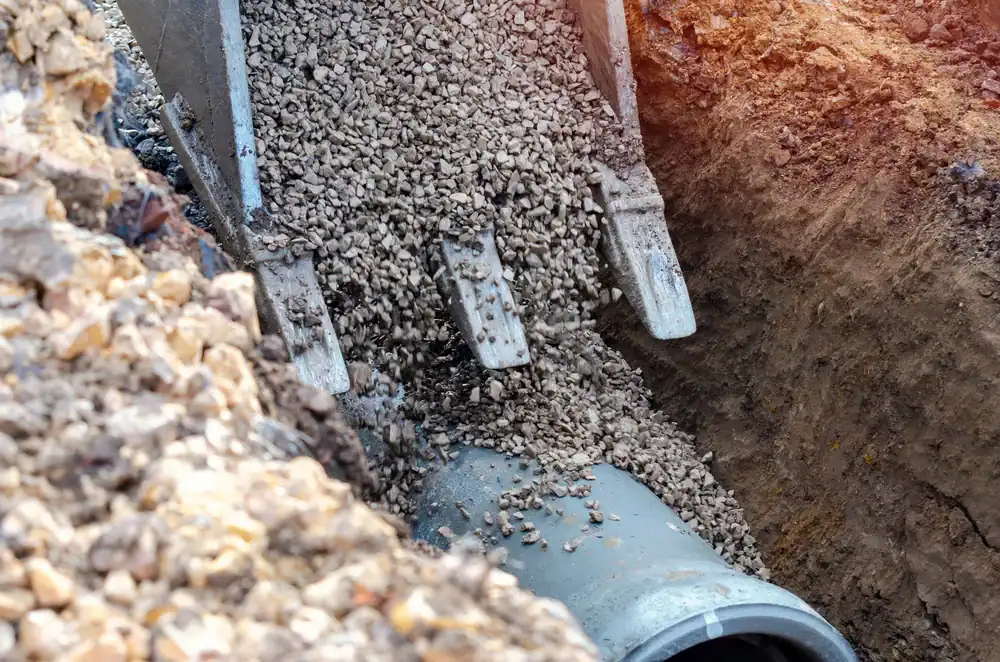
Then we dig. Trenching and excavation are done carefully to avoid damaging your property more than necessary. We remove the failed section, install new pipe with the correct pitch and slope so waste flows properly, and make sure the sewer line to cesspool connection is watertight and built to last.
Finally, we backfill, compact the soil, and restore your yard as close to original condition as possible. The whole process typically takes one to three days depending on how much line needs replacing and how deep we have to go. You’ll have a system that drains correctly and won’t fail again anytime soon.
Ready to get started?
You’re not just getting new pipe in the ground. A proper line change in Wantagh means addressing everything that caused the failure in the first place and making sure it doesn’t happen again.
That includes proper trenching depth to protect the line from freezing and ground movement. It means using the right materials for Long Island soil conditions—not the cheapest option, but the one that lasts. It means setting the correct pipe pitch and slope so waste doesn’t pool or back up, which is especially important in areas like Wantagh where the water table can shift seasonally.
We also make sure your sewer line to cesspool connection is sealed properly. A bad connection is one of the most common causes of system failure, and it’s something that won’t show up until you’re dealing with contamination in your yard or another backup. Over 360,000 homes on Long Island rely on cesspools and septic systems, and most of those systems are older than the people living in the houses. If your line is original to the home and you’re dealing with backups and pipe failure, replacement isn’t optional—it’s overdue.
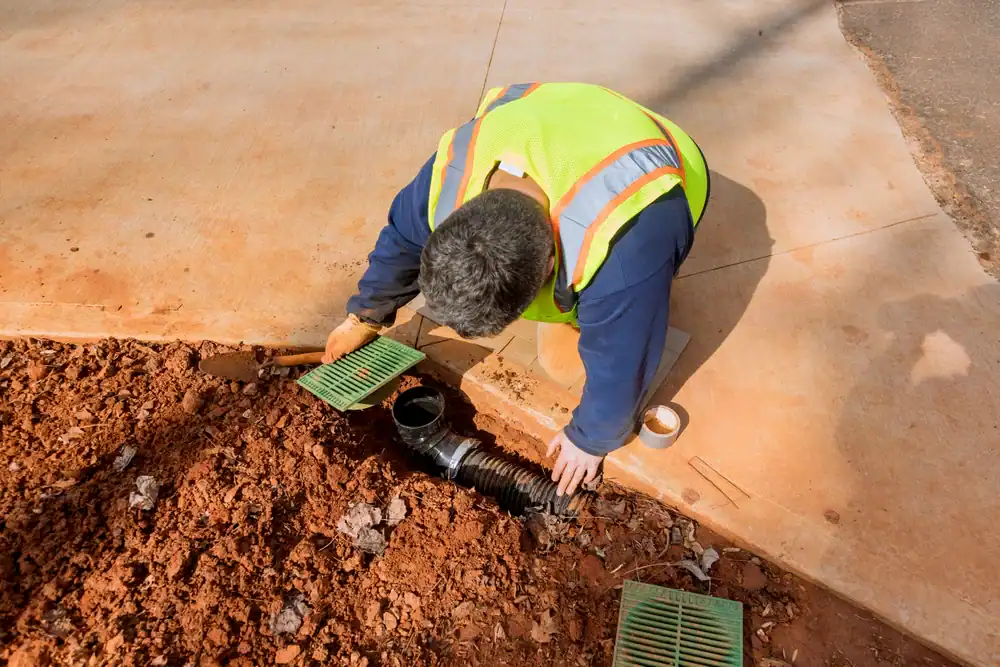
If you’re dealing with recurring backups even after rotor rooting and line clearing, that’s a sign the pipe itself is compromised. Galvanized steel and old concrete lines don’t just clog—they corrode and collapse from the inside. Once that starts, clearing the line only buys you a few weeks or months before the next backup.
A camera inspection shows exactly what’s happening underground. If we see cracks, root intrusion, or sections where the pipe has separated or collapsed, repair won’t fix it. You’re looking at replacement for that section or potentially the entire run from your house to the cesspool.
The other indicator is age. If your home was built before 1980 and you’ve never replaced the main waste line, you’re on borrowed time. Most of those original lines are past their functional lifespan, and the longer you wait, the more likely you are to deal with a catastrophic failure that floods your basement or yard with sewage.
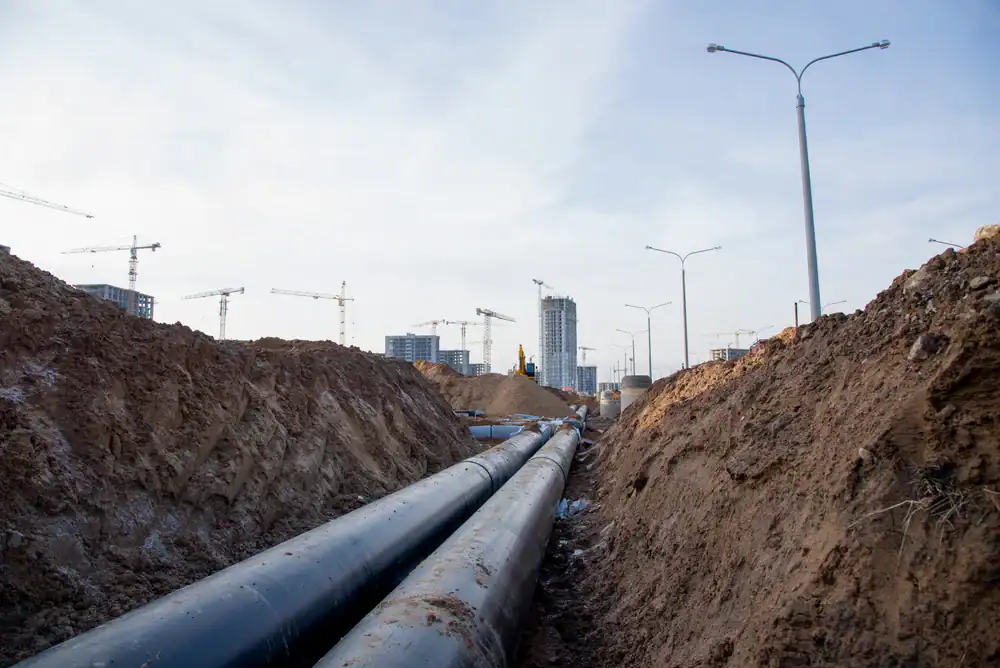
We dig a trench from your house to the cesspool, following the path of the existing line or creating a new route if the old one is in a bad location. Depth varies depending on how deep your current line runs and what Nassau County code requires, but most residential lines sit between three and five feet down.
Wantagh soil is mostly clay, which holds water and can shift with seasonal changes. That means we have to be careful about compaction when we backfill, or you’ll end up with settling and dips in your yard later. We also have to watch for underground utilities—water lines, electric, gas—and call for locates before we start digging.
The trench stays open only as long as it takes to install the new pipe and make sure everything is sloped correctly. Once the line is in and inspected, we backfill in layers, compacting as we go, and restore the surface. Most of the disruption to your property happens in the first day or two, and we do our best to minimize damage to landscaping, driveways, or anything else in the way.
It’s everything. Waste doesn’t move uphill, and it won’t move horizontally unless there’s enough water flow to push it. If your line is too flat, solids settle and create clogs. If it’s pitched too steeply, water runs off and leaves solids behind. Either way, you’re dealing with backups.
The standard is a quarter-inch drop per foot of horizontal run. That’s enough to keep waste moving without letting water outrun solids. In Wantagh, where soil can shift and settle over time, getting that slope right during installation is critical. If the ground settles unevenly after we backfill, the pitch can change, which is why proper compaction matters just as much as the initial installation.
We use a laser level to check slope as we install the pipe, and we don’t backfill until we’ve run water through the line to make sure everything drains correctly. That extra step catches problems before they’re buried under four feet of clay, which saves you from having to dig it all up again in a year.
Roots follow moisture, and your sewer line is the most consistent water source in your yard. Once they find a crack or loose joint, they grow into the pipe and create a blockage. Rotor rooting clears the roots temporarily, but they grow back because the crack is still there.
If roots are the problem, you’re looking at either a full line replacement or at least replacing the section where they’re getting in. We remove the compromised pipe, install new material that roots can’t penetrate as easily, and make sure all joints are sealed tight. PVC is a better option than old clay or concrete pipe because it has fewer joints and a smoother interior that roots can’t grip.
In some cases, you might also need to deal with the tree itself. If it’s close to the line and the roots are aggressive, replacing the pipe won’t solve the problem long-term unless you remove the tree or reroute the line away from it. We’ll walk you through your options based on what we find during the inspection.
A properly installed connection using modern materials should last 40 to 50 years, assuming the cesspool itself is in good condition. The connection is one of the most critical parts of the system because if it leaks, you’re contaminating the soil around the cesspool and potentially affecting groundwater.
Old connections were often made with concrete or clay pipe and mortar joints that crack and separate over time. Modern connections use PVC or ABS pipe with rubber gaskets that create a watertight seal. As long as the ground doesn’t shift dramatically and the cesspool doesn’t settle, that connection stays solid.
Nassau County soil can be tricky because of seasonal water table changes and the clay content, which expands and contracts with moisture. That’s why proper bedding and backfill around the connection point matter. We use gravel or sand around the pipe to allow for some movement without putting stress on the joints, which helps the connection last as long as the pipe itself.
Yes, you need permits for any sewer line work in Nassau County. The county wants to make sure the installation meets code, the pipe is deep enough, and the connection to your cesspool is done correctly. Skipping permits might save time upfront, but it creates problems when you try to sell your home or if the county finds out and makes you dig everything up to redo it properly.
We handle the permit process as part of the job. That includes submitting the application, scheduling inspections, and making sure the work meets all code requirements. You don’t have to deal with the county or chase down paperwork.
The permit process usually adds a few days to the timeline because we have to wait for approval before we start digging, and an inspector has to sign off before we backfill. But it’s not optional, and it protects you from liability if something goes wrong later. A permitted job means the work was done right and documented properly, which matters when you’re dealing with something as critical as your main waste line.
Other Services we provide in Wantagh