
Hear from Our Customers
A properly installed sewer line means no more sewage backups in your home. No more emergency calls at 2 AM because your toilet’s overflowing into the bathroom. No more wondering if that smell is coming from your yard or your neighbor’s.
When we replace your main waste line or reconnect your sewer line to your cesspool, we’re fixing the pitch and slope so waste actually flows the way it should. That means your drains work. Your toilets flush. Your showers don’t back up when someone runs the washing machine.
Living near the coast in West Gilgo Beach means your pipes face salt air that corrodes cast iron faster than you’d think. Tree roots from those beautiful old oaks find their way into cracked lines. The high water table doesn’t help either. When your system fails, it’s not just inconvenient – it’s a health hazard and a property value problem.
Proper trenching and excavation work prevents all of this. You get a system that works for decades, not months. You avoid the $7,000+ cost of complete system failure. You protect your home from contamination and your property from damage.
We’ve been handling line changes and cesspool work on Long Island for nearly two decades. Four generations of our family have built this business on knowing what works in coastal communities like West Gilgo Beach.
We know your neighborhood was built in 1939 when 60 houses were moved by barge from Jones Beach. We know many of those original sewer lines are still in the ground, way past their lifespan. We know the water table here sits high and the soil conditions are different than three miles inland.
That local knowledge matters when we’re digging up your yard. We know where lines typically run, what problems to expect, and how to fix them without turning your property into a construction zone for weeks. We’re available 24/7 because pipe failures don’t wait for business hours.
First, we locate your existing lines using electronic detection equipment. We’re not guessing where to dig – we know exactly where your pipes run before we touch your lawn. This saves your landscaping and your time.
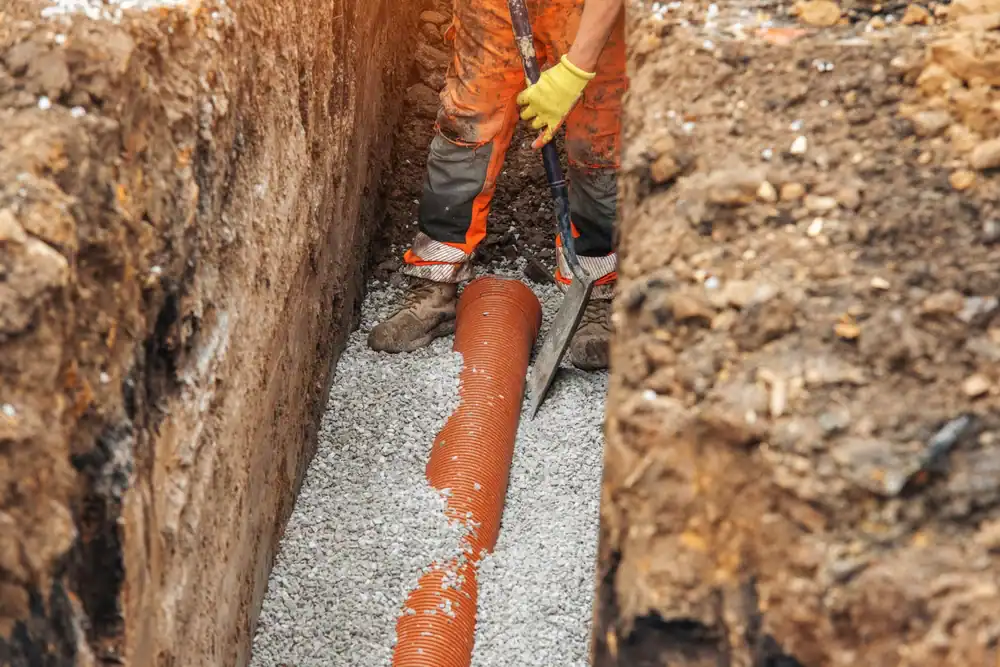
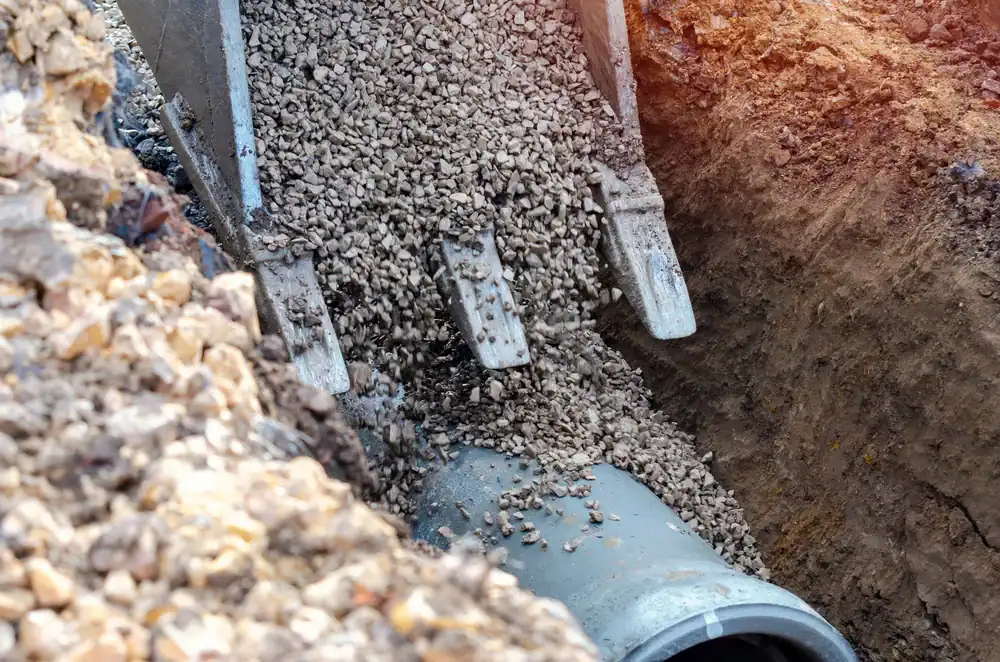
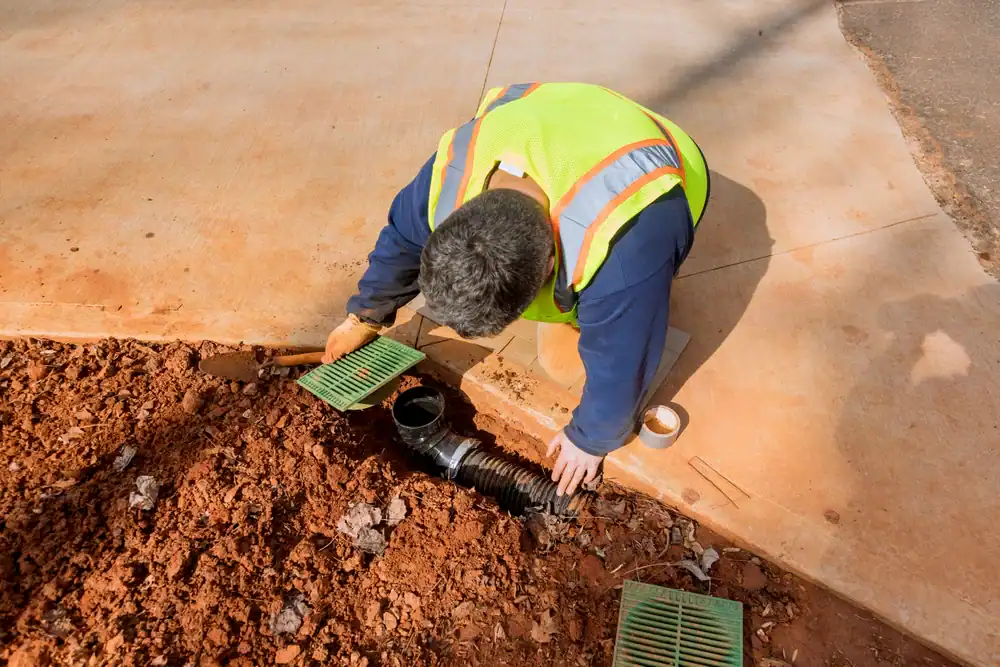
Next comes the excavation and trenching. We dig precisely where needed, not a foot more. Our equipment operators have years of experience working in tight residential spaces. We protect your driveway, your garden, and anything else in the work area.
Then we handle the actual line work. If you need main waste line replacement, we pull the old pipe and install new PVC that’ll outlast everything else on your property. If it’s a sewer line to cesspool connection, we make sure the pitch and slope are correct so waste flows downhill like it should – not pooling in low spots or backing up into your house.
We test everything before we backfill. We run water through the system and verify flow rates. We check for leaks. We make sure the connection points are sealed properly. Only then do we fill in the trench and restore your yard.
You get documentation of everything we did, photos of the work, and a clear explanation of what to expect going forward. No surprises. No callbacks because something wasn’t done right the first time.
Ready to get started?
You’re getting complete line changes from start to finish. That means locating your existing system, excavating only what’s necessary, removing failed pipes, installing new lines with proper pitch and slope, testing everything, backfilling, and restoring your property.
We handle all the permit requirements with Suffolk County. Since July 2019, cesspool regulations changed – existing systems can stay, but any replacement work has to meet current standards. We know exactly what’s required and we handle the paperwork so you don’t have to figure out county regulations.
In West Gilgo Beach, the coastal location creates specific challenges. Salt air corrodes pipes faster. The high water table means excavation requires careful timing and sometimes dewatering. Tree roots from mature landscaping find their way into any crack or joint. We account for all of this when we plan your line changes.
You also get access to grant programs that can offset costs. New York State and Suffolk County offer up to $30,000 for qualifying system upgrades. We help you navigate those applications because the average installation runs around $19,200 – that grant money makes a real difference.
Our equipment includes everything needed for professional excavation work. We’re not renting a backhoe for the day. We own our machinery, our operators know how to use it, and we carry the insurance and licensing required for this type of work.
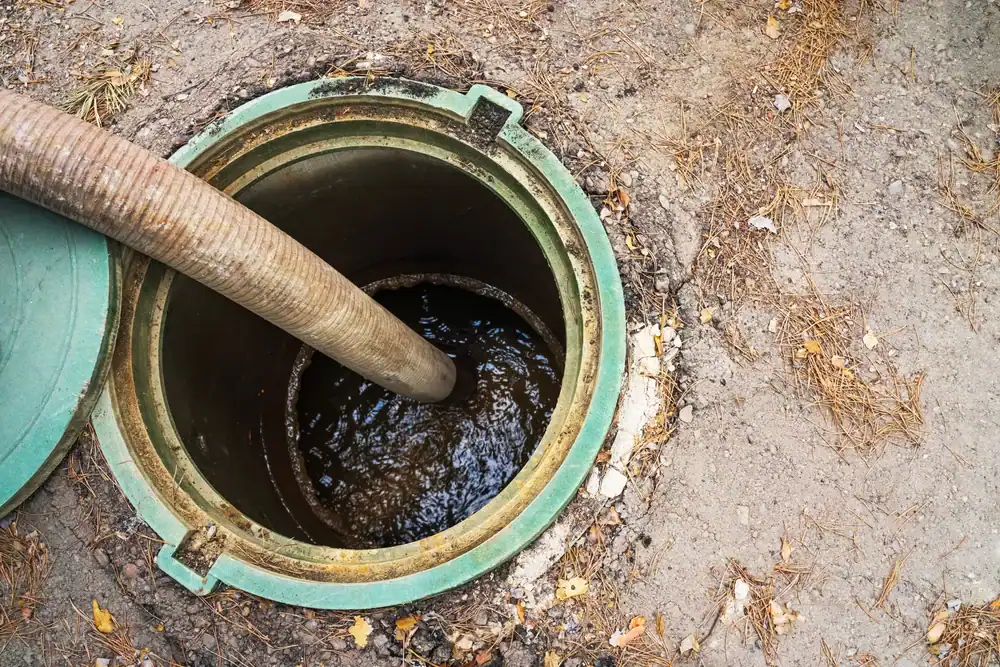
If you’re dealing with persistent backups even after pumping your cesspool, that’s usually a line problem. Same goes for sewage smells in your yard, soggy spots near your tank, or gurgling sounds when you flush.
One backup might just be a clog. Multiple backups, slow drains throughout the house, or problems that come back within weeks of pumping – those point to line failure. Tree roots cause about 60% of the line problems we see. Once roots get inside your pipes, they create blockages that turn into complete failures.
Age matters too. If your sewer lines are original to a house built in the 1950s or 60s, you’re on borrowed time. Cast iron pipes last 50-70 years in ideal conditions. Near the coast in West Gilgo Beach, salt air cuts that lifespan down. We can run a camera inspection to show you exactly what’s happening inside your pipes. That takes the guesswork out of whether you need replacement or if a repair will actually hold.
Emergency repairs average $1,775. Complete system replacement jumps to $7,350 or more. New installations run $5,000 to $20,000+ depending on your property and what’s required.
But those numbers don’t include the damage that happens while you’re waiting. Sewage backing up into your house ruins flooring, drywall, and anything it touches. Your homeowner’s insurance might cover some of it, but you’re still dealing with the deductible and the hassle. Plus, failed systems hurt property value. Mortgage lenders require cesspool inspections, and you can’t close on a sale until problems are fixed.
The timing makes it worse. When your system fails at 10 PM on a Saturday, you’re paying emergency rates for immediate response. Regular maintenance and addressing problems early costs a few hundred dollars every few years. Waiting until complete failure costs thousands, plus all the associated damages. The math isn’t complicated – fixing problems before they become emergencies saves you serious money.
Most line changes take one to three days depending on what we’re replacing and what we find when we dig. A straightforward main waste line replacement where everything goes according to plan might be done in a day. More complex work involving multiple connection points or unexpected complications takes longer.
Weather affects the timeline in coastal areas. Heavy rain means we’re dealing with groundwater in the excavation. We can work around it, but it adds time. The high water table in West Gilgo Beach sometimes requires dewatering equipment to keep the trench dry while we work.
Permit processing adds time before we start. Suffolk County requires permits for this work, and processing typically takes a few days to a week. We handle all of that, but it’s worth knowing upfront that we can’t just show up tomorrow and start digging. Emergency repairs are different – we can do temporary fixes to stop immediate problems while we wait for permits to do the permanent work properly.
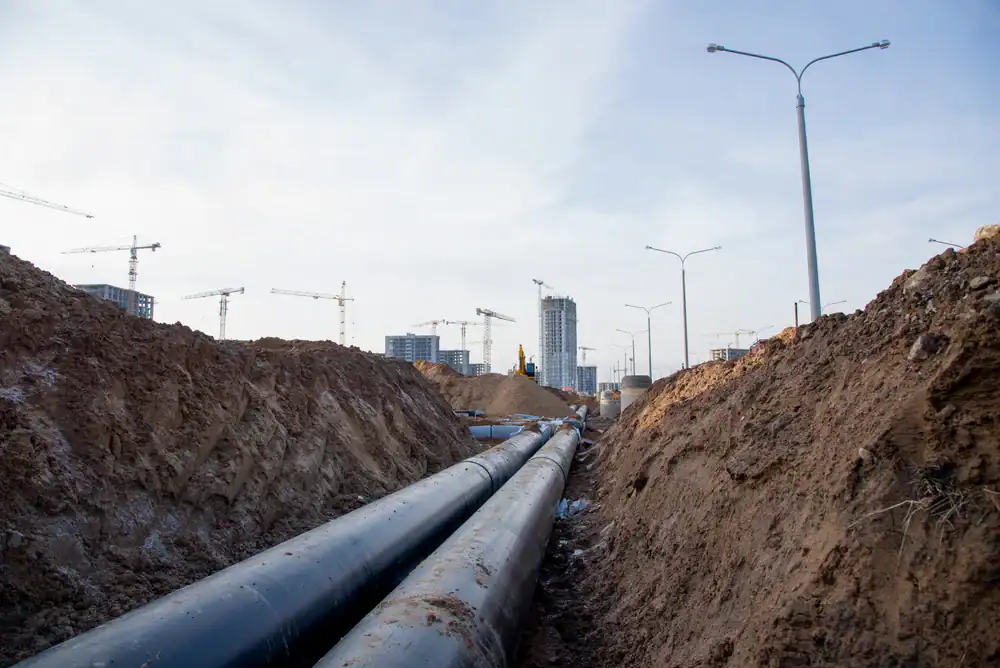
We dig where the pipes are, which usually means a trench from your house to your cesspool or to the street connection. Trench width is typically 2-3 feet, just wide enough to work safely. Length depends on your property layout – could be 20 feet, could be 100 feet.
We use equipment sized for residential work, not massive machinery meant for commercial sites. Our operators know how to work in tight spaces without tearing up more property than necessary. We mark utilities before we dig. We protect driveways, walkways, and landscaping that’s not in the direct work path.
After the line work is complete and tested, we backfill the trench and grade it to match your existing yard. We can’t make grass grow instantly, but we leave your property in condition to reseed or sod. Most homeowners have their lawn back to normal within a growing season. If we have to cut through a driveway or paved area, we restore it to match the existing surface. You’re not left with a permanent scar across your property.
Yes, we handle all permit applications and inspections required by Suffolk County. Since the 2019 cesspool regulations changed, there’s specific paperwork required for any replacement work. We know exactly what the county wants and we submit everything properly.
The permit process typically takes a few days to a week for approval. We can’t legally start excavation work until permits are issued. Some contractors skip this step to save time or money – that’s a mistake that comes back to hurt you. If you try to sell your property later and there’s no permit record for work that was done, you’ve got a problem.
We also coordinate required inspections during the work. The county wants to verify that installations meet current standards before we backfill. We schedule those inspections, we’re present for them, and we provide you with all the documentation afterward. That paperwork protects you from compliance issues and provides maintenance history that’s valuable for insurance claims or property sales down the road.
Tree roots cause about 60% of the sewer line failures we repair. Those oak trees lining streets in older Long Island neighborhoods have roots that spread 20-30 feet searching for water. Your sewer line is like a beacon calling to them – it’s a consistent source of water and nutrients.
Roots don’t need a big opening to get started. A hairline crack or a slightly loose joint is enough. Once they’re inside, they grow and expand. They create blockages that catch waste and paper. Those blockages turn into backups. The roots keep growing, eventually breaking the pipe completely.
You’ll notice the problem gradually at first. Drains start running slower. You need more frequent pumpings. Then suddenly it’s a complete backup and you’re calling for emergency service. By that point, the roots have done serious damage. We can clear roots temporarily with cutting equipment, but they grow back within months. The real fix is replacing the damaged section with new PVC pipe that’s properly sealed at every joint. Roots can’t get into pipes that don’t have openings for them to exploit.
Other Services we provide in West Gilgo Beach