
Hear from Our Customers
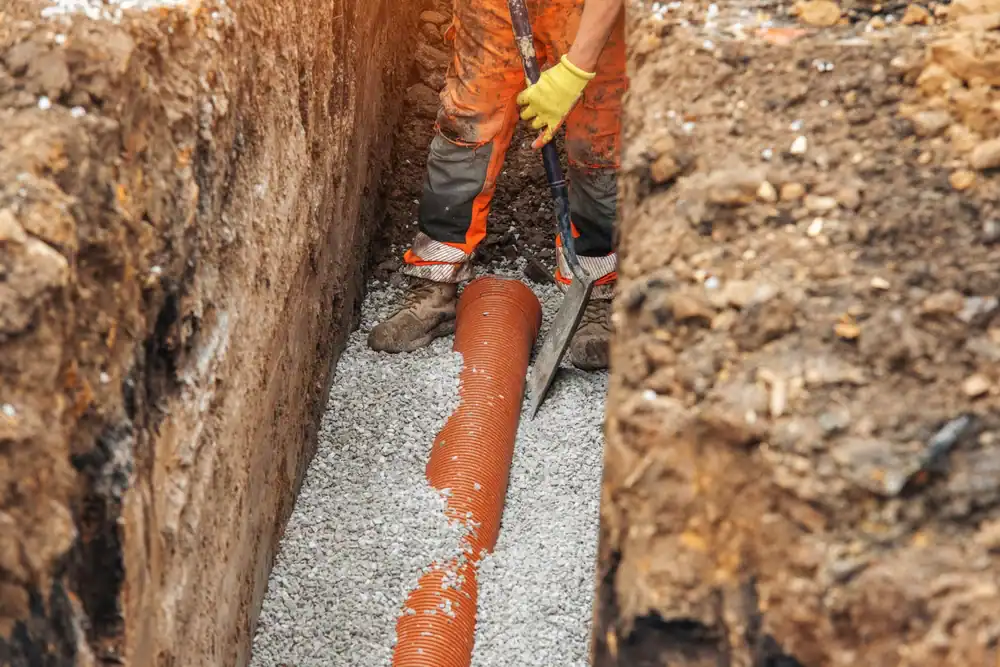
Your toilets flush without hesitation. Your drains clear in seconds, not minutes. No more standing water pooling near your cesspool or that faint sewage smell you’ve been ignoring.
That’s what a properly installed sewer line does. It handles waste without you thinking about it. No backups at 2 a.m. No emergency calls because your system can’t keep up.
Most properties in West Sayville have about 75 feet of sewer pipe running from the house to the cesspool. When that pipe fails—whether from age, shifting soil, or poor pitch—everything backs up. Replacing it isn’t just about digging a trench. It’s about getting the slope right, connecting it properly, and making sure it lasts another 30 years.
You’re not just fixing a pipe. You’re eliminating the anxiety that comes with wondering if your system will hold up through the next heavy rain or cold snap.
We’re not new to West Sayville’s sandy soil or the way properties here are laid out. We know how freeze-thaw cycles affect underground pipes. We know what the Suffolk County Health Department requires before you can start digging.
We’re licensed, insured, and we’ve replaced enough main waste lines in this area to know what works and what doesn’t. You’re not getting a crew that’s guessing their way through your property.
When we give you a price, that’s the price. No surprise fees after we’re halfway done. No upselling you on things you don’t need. Just honest work from people who’ve been doing this long enough to get it right the first time.
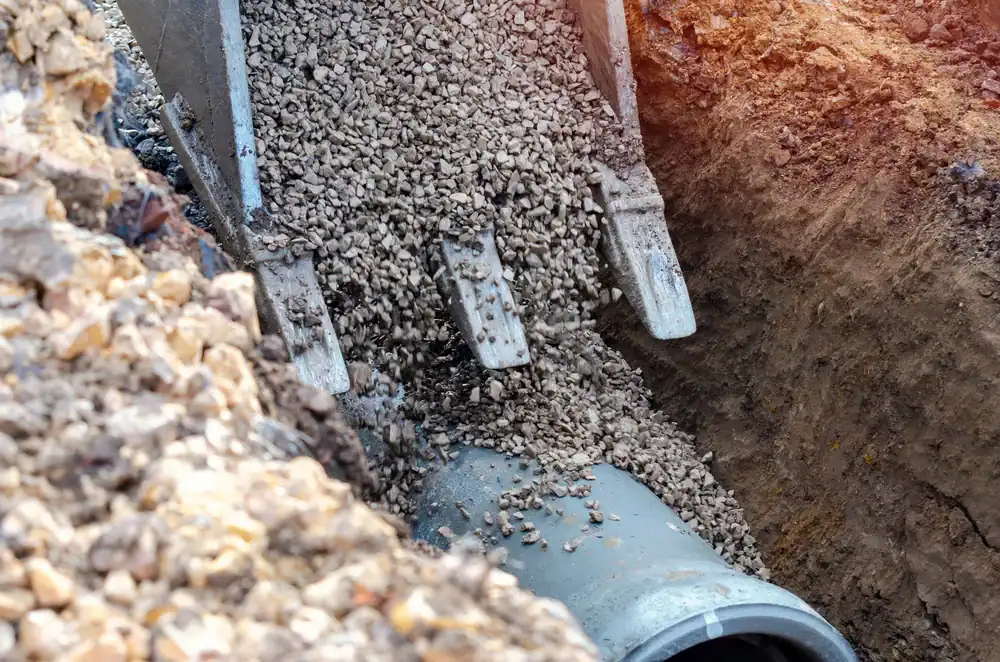
First, we assess the damage. That means locating where your current line runs, figuring out why it failed, and determining if you need a full replacement or just a section repaired.
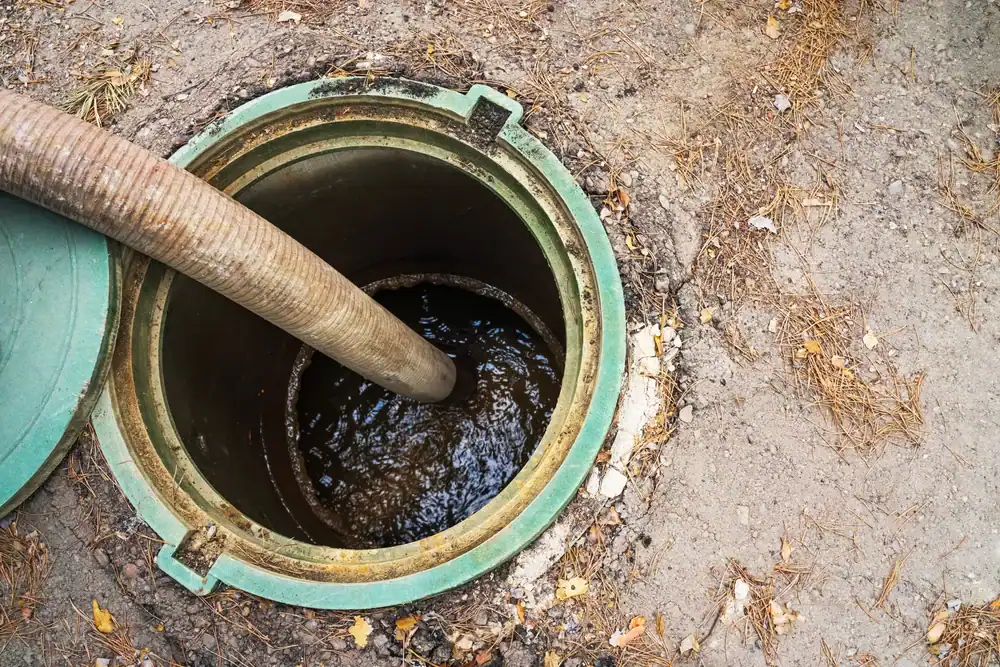
Then comes trenching and excavation. We dig down to expose the old pipe, remove it, and prepare the trench for the new line. This is where pipe pitch and slope matter. If the grade isn’t right, waste won’t flow properly—and you’ll be dealing with slow drains or backups within a year.
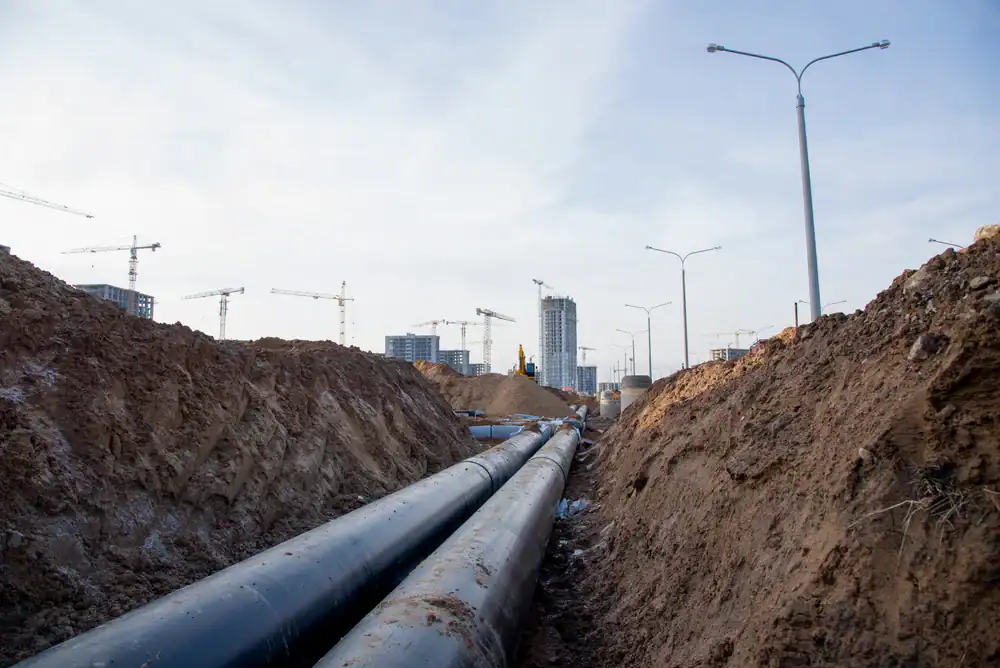
We install the new sewer line with the correct slope, connect it to your cesspool, backfill the trench, and compact the soil. If your driveway or landscaping is in the way, we work around it or restore it after.
The whole process usually takes a day or two, depending on how much pipe needs replacing and what’s in the way. You’ll know the timeline before we start, and we’ll keep you updated if anything changes.
Ready to get started?
You get a full line replacement from your home’s foundation to the cesspool connection. That includes removing the old pipe, installing new pipe with proper pitch, and making sure everything connects without leaks.
We handle the permit from the Suffolk County Health Department. You don’t have to deal with paperwork or inspections—we take care of that.
In West Sayville, soil conditions matter. Sandy soil shifts, especially after heavy rain. We account for that when we backfill and compact the trench. You’re not going to see sagging or settling a few months later.
If your property has 100 feet of pipe instead of the typical 75, we adjust for that. If tree roots are in the way, we work around them or remove what’s necessary. If your driveway needs to be cut, we coordinate that and make sure it’s restored properly.
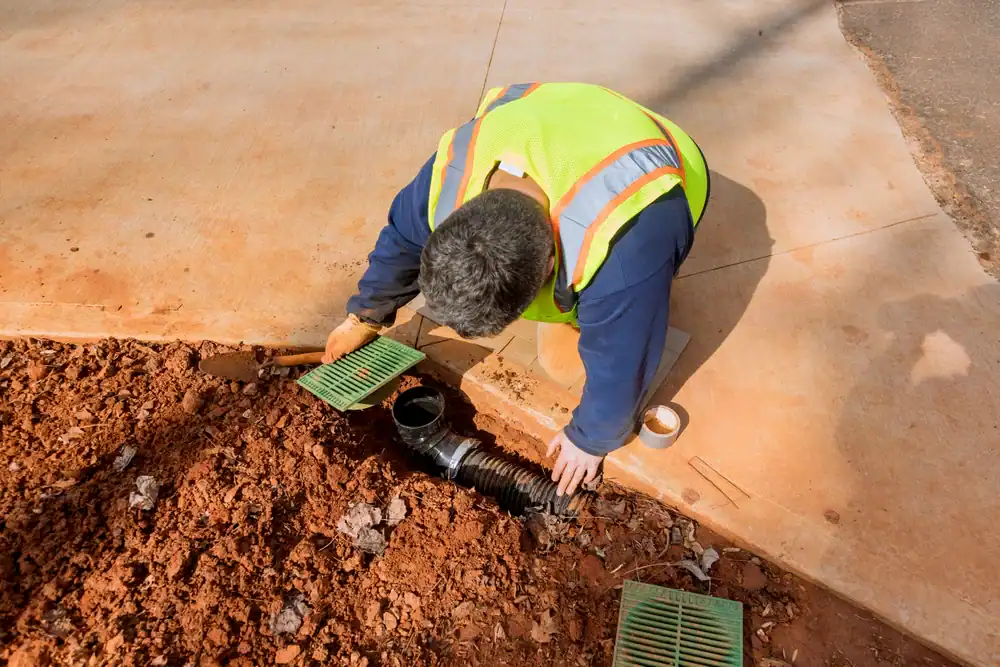
If your backups are isolated to one drain, you might just have a clog. If every drain in your house is slow or backing up, that’s usually a sign your main waste line has a problem.
Cracks, root intrusion, or collapsed sections often mean you need a replacement. If the pipe is old cast iron or clay, it’s probably deteriorating. Newer PVC lines can sometimes be repaired if the damage is localized.
We can run a camera through your line to see exactly what’s going on. That way, you’re not guessing—and you’re not paying for a full replacement if a repair will do the job.
Most jobs take one to two days. That includes excavation, removing the old pipe, installing the new line, and backfilling the trench.
If your property has obstacles—like a paved driveway, mature trees, or 100+ feet of pipe—it might take longer. We’ll give you a timeline upfront based on what we’re dealing with.
Weather can slow things down. If it’s pouring rain or the ground is frozen, digging becomes harder. But we don’t drag jobs out unnecessarily. Once we start, we finish.
We dig where the pipe runs. That usually means a trench from your house to the cesspool. If your driveway is in the way, we cut through it, do the work, and patch it back.
Landscaping gets disturbed, but we don’t leave your yard looking like a construction site. We backfill the trench, compact the soil, and level it out. Grass will grow back. If you have specific concerns about plants or hardscaping, let us know before we start.
Trenchless options exist for some jobs, but they’re not always practical depending on how deep your line is or what’s causing the failure. We’ll tell you if that’s an option for your property.
Gravity moves waste through your sewer line. If the slope is too flat, waste sits in the pipe and doesn’t flow. If it’s too steep, liquids rush ahead and leave solids behind—which leads to clogs.
The standard is about a quarter-inch drop per foot of pipe. That’s enough to keep everything moving without creating problems. If your old line was installed without proper pitch, you’ve probably dealt with slow drains or frequent backups.
When we replace your line, we make sure the grade is right. That’s not something you can eyeball—it has to be measured and checked as we go. It’s one of those details that separates a job done right from one that causes problems down the road.
Yes. Any work involving your cesspool or sewer line in West Sayville requires a permit from the Suffolk County Health Department. That includes line replacements, new installations, and major repairs.
We handle the permit process. You don’t have to go to the health department or deal with inspections. We pull the permit, schedule the inspection, and make sure everything is up to code.
Skipping the permit isn’t worth it. If you ever sell your property, unpermitted work can kill a deal. Buyers’ inspectors will find it, and you’ll either have to fix it or lose the sale.
Age is the biggest factor. Older pipes—especially cast iron or clay—crack and deteriorate over time. Tree roots find those cracks and grow into the line, causing blockages.
Shifting soil is another issue. West Sayville’s sandy soil moves, especially after heavy rain or freeze-thaw cycles. That can cause pipes to sag or separate at the joints.
Sometimes it’s just poor installation. If the original line didn’t have the right slope or wasn’t connected properly, it’s only a matter of time before problems show up. Cold weather can also freeze pipes overnight if they’re not buried deep enough or if there’s standing water in a low spot.
Other Services we provide in West Sayville