
Hear from Our Customers
A functioning sewer line to cesspool connection means waste moves out of your house without backing up into your basement or pooling in your yard. That’s it. No drama, no emergency calls, no cleanup crews tearing through your property on a Saturday morning.
Most Woodbury homes were built in the 1980s. The pipes connecting your house to your cesspool weren’t designed to last forever, and many are already past their expiration date. Galvanized steel corrodes from the inside. Clay pipes crack under shifting soil. Even PVC can fail if the original installation didn’t account for proper pitch and slope.
When your main waste line goes, it doesn’t give you a courtesy warning. You get slow drains one day, then sewage coming back up through your lowest fixtures the next. By the time you smell it, you’re already dealing with contamination, health risks, and a mess that gets worse by the hour.
Replacing a failing line before it fully collapses saves you from that nightmare. It also protects your property value, keeps your family safe from toxic gases like hydrogen sulfide and methane, and ensures you’re not scrambling to find a contractor when every hour counts.
We’ve been handling line changes and cesspool work across Nassau County for nearly two decades. We’re a family operation—four generations deep—which means we’re not learning on your property. We’ve seen what happens when pipes are installed wrong, when shortcuts get taken, and when homeowners get sold work they don’t actually need.
Woodbury sits on sandy soil that drains differently than other parts of Long Island. Groundwater levels shift. Older cesspool systems weren’t built to today’s standards. We know this because we work here, live here, and deal with the same regulations and inspection requirements you do.
We’re licensed, insured, and available 24/7 because pipe failures don’t wait for business hours. When you call, we’re typically on-site within 30 minutes. We handle the permits, the inspections, and the documentation required by the Nassau County Health Department so you don’t have to figure it out yourself.
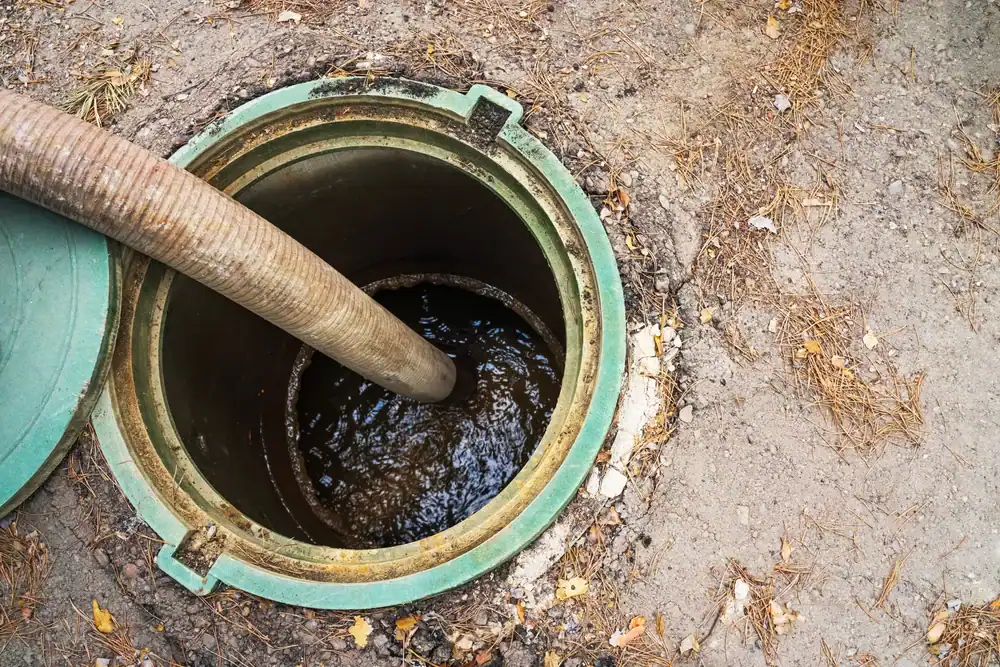
First, we assess the existing line to confirm what’s failing and where. That means camera inspection if needed, locating the cesspool, and mapping out utilities so we’re not hitting electric, water, or gas lines during excavation. This step matters because guessing costs time and creates bigger problems.
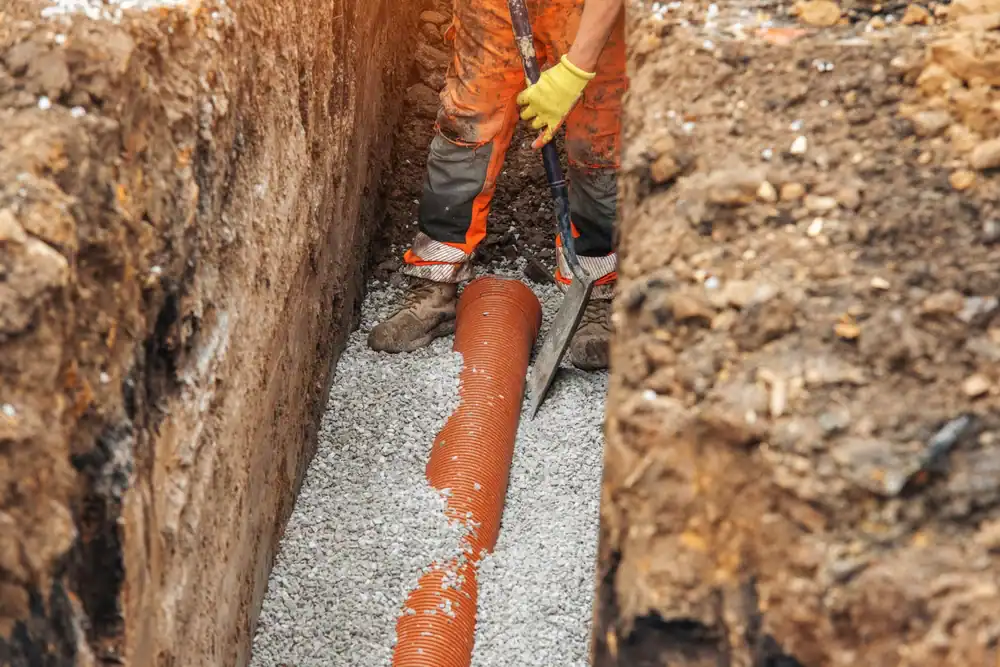
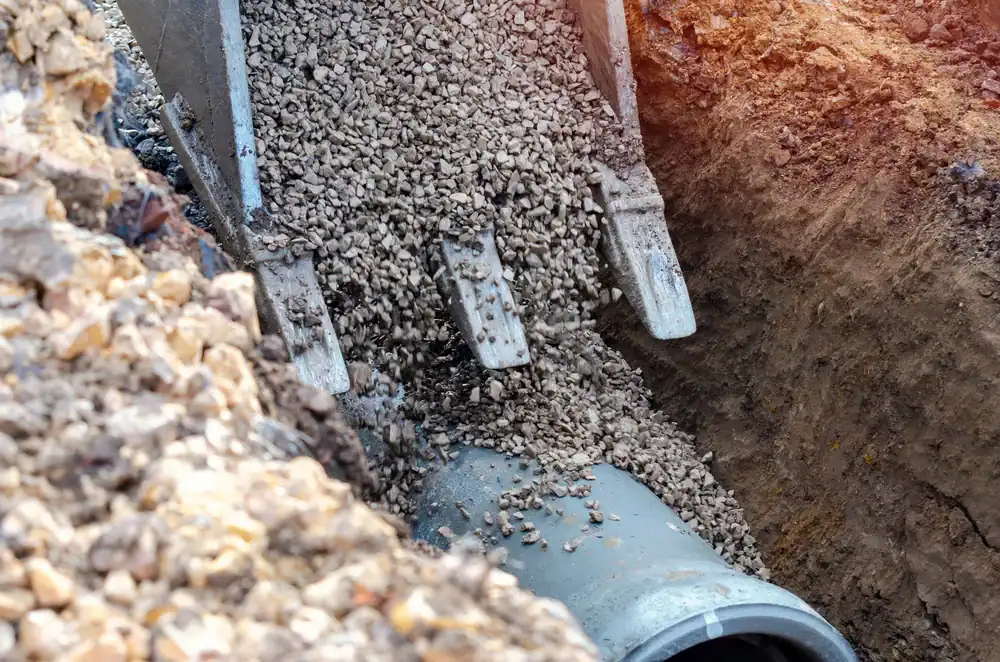
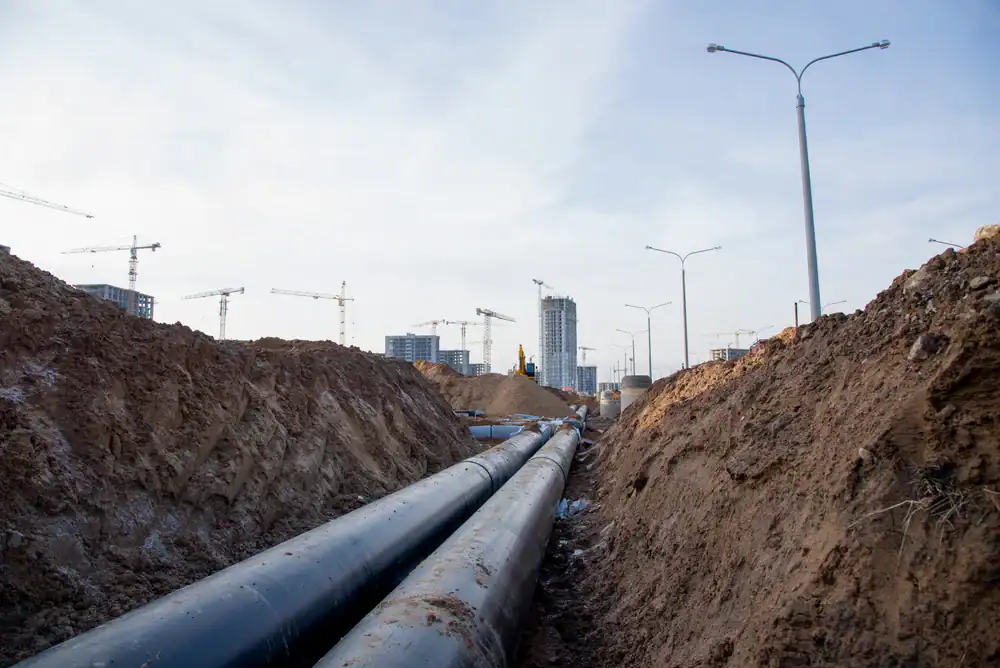
Next comes trenching and excavation. We dig down to expose the damaged section—or the entire run if the whole line needs replacement. The trench has to be graded correctly so the new pipe sits at the right slope. Waste moves by gravity, and if the pitch is off even slightly, you’ll get slow drainage, clogs, and standing water inside the pipe. We compact the trench bottom, remove rocks and debris, and make sure the base is stable before any pipe goes in.
Then we install the new line, connecting it from your house to the cesspool with proper fittings and watertight seals. We test the slope, check for leaks, and make sure everything drains the way it should before backfilling. Once the pipe is buried, we restore your yard as close to original condition as possible.
Finally, we handle inspections and documentation. If you’re selling your house or refinancing, lenders and buyers want proof the system is up to code. We provide that paperwork and work directly with the county to make sure everything passes the first time.
Ready to get started?
When you hire us for line changes in Woodbury, NY, you’re getting proper excavation, correct pipe installation, and compliance with local codes. That includes trenching to the right depth, setting the pipe at the correct slope (typically 1/4 inch per foot), and using materials that won’t corrode or collapse under Nassau County soil conditions.
You’re also getting someone who understands backups and pipe failure aren’t just inconveniences—they’re health hazards. Sewage contains bacteria, viruses, and toxic gases. A compromised line puts your family at risk and contaminates your property. We treat that seriously, which is why we don’t cut corners on seals, fittings, or backfill compaction.
In Woodbury, you’re dealing with specific regulations around cesspool systems. New York doesn’t allow cesspool-to-cesspool replacements anymore. If your system fails completely, you’re looking at a full septic upgrade, which costs significantly more than maintaining what you have. A proper line change extends the life of your existing cesspool and keeps you compliant without forcing a premature system overhaul.
We also offer trenchless options when conditions allow. Trenchless methods cost less, finish faster, and minimize disruption to your landscaping. Not every situation qualifies, but when it does, it’s the smarter play. We’ll tell you honestly whether your property is a candidate or if traditional excavation is the only real solution.
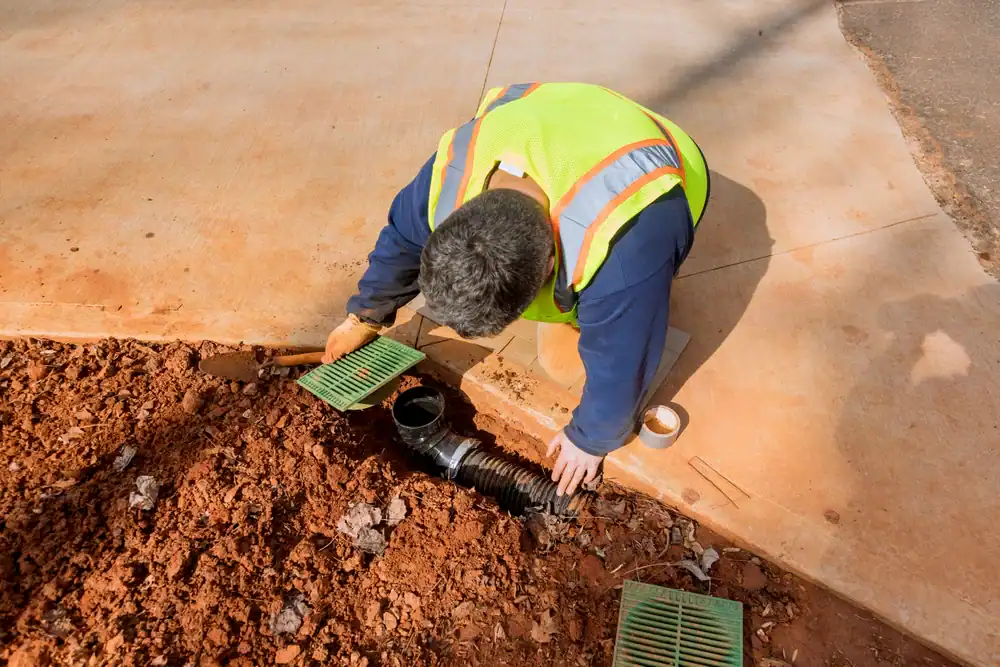
It depends on what’s failing and how much of the line is compromised. If you’ve got a single crack or a small section where tree roots broke through, a targeted repair might handle it. But if the pipe is old galvanized steel that’s corroding throughout, or if you’re seeing multiple failure points, replacing the whole run makes more sense than patching it and waiting for the next section to go.
We use camera inspections to see inside the pipe and assess the damage. That shows us exactly where the problems are, how severe they are, and whether the rest of the line is likely to fail soon. If 60% of your pipe is deteriorated, repairing 10 feet of it just buys you a few months before you’re calling again.
Age matters too. Most sewer lines in Nassau County were installed decades ago, and many homes built before 1980 are running on original pipes. If your line is 40+ years old and showing signs of failure, replacement is usually the right call. You’re not just fixing today’s problem—you’re preventing the next five emergencies.
Waste stops moving the way it should. Sewer lines rely on gravity to carry everything from your house to the cesspool, and that only works if the pipe is angled correctly—usually about 1/4 inch of drop per foot of pipe. Too flat, and waste sits in the line, creating clogs and backups. Too steep, and liquids run ahead of solids, leaving material stuck inside the pipe.
When a pipe has a “belly” or sag, that low spot becomes a collection point. Waste accumulates there, slows down drainage, and eventually blocks the line completely. You’ll notice slow drains first, then gurgling sounds, then full backups. Fixing it requires excavation to expose that section, re-grading the trench, and repositioning the pipe at the correct slope.
This is one of those things that only gets fixed by doing it right the first time. If the original installer didn’t grade the trench properly or if soil has shifted over the years, the problem won’t go away on its own. Snaking the line or using a hydro jet might clear a temporary clog, but the slope issue will keep causing backups until someone digs it up and corrects the pitch.
Most full line replacements in Nassau County run between $10,000 and $15,000, depending on the length of the run, how deep we have to dig, and what we encounter during excavation. Shorter repairs—replacing just a damaged section—typically cost between $4,500 and $9,500. Trenchless options can bring costs down if your property qualifies, but not every situation works for trenchless methods.
The price includes excavation, new pipe, proper grading, backfill, compaction, and restoration of your yard. It also covers permits and inspections required by the Nassau County Health Department. If we hit unexpected issues—like a utility line that wasn’t marked correctly or soil conditions that require extra shoring—that can add to the cost, but we’ll walk you through those situations before proceeding.
What you’re really paying for is work that lasts. Cheap installations fail early because corners get cut on slope, materials, or compaction. You end up paying twice—once for the bad job, then again to fix it correctly. We price our work to reflect the time, materials, and expertise required to do it right the first time, so you’re not dealing with the same problem in two years.
Sometimes, yes. Trenchless methods let us replace or repair pipes without full-length excavation. We create small access points at each end of the line, then either pull new pipe through the old one or use a liner to reinforce the existing pipe from the inside. It’s faster, cheaper, and leaves your landscaping mostly intact.
But trenchless doesn’t work for every situation. If your pipe has collapsed, if the slope is wrong, or if tree roots have crushed sections of the line, we need full access to fix it properly. Trenchless also requires the old pipe to be relatively intact—if it’s completely deteriorated or offset at the joints, there’s nothing to work with.
We’ll assess your specific situation and tell you honestly whether trenchless is an option. When it works, it’s a great solution. When it doesn’t, traditional excavation is the only way to ensure the new line is installed correctly, at the right slope, with proper compaction and support. We’d rather dig and do it right than force a trenchless method that won’t hold up.
Most line changes take one to three days, depending on the length of the run, how deep we’re digging, and whether we run into complications like unmarked utilities or difficult soil conditions. Trenchless jobs can finish in a single day if everything goes smoothly. Full excavation and replacement typically take longer because of the trenching, grading, pipe installation, backfill, and compaction required to do it correctly.
Permitting and inspections add time to the overall process, but we handle that coordination so you’re not chasing down paperwork or waiting on county schedules. In Nassau County, the Health Department needs to sign off on the work, and we make sure everything is documented and approved before we consider the job complete.
If you’re dealing with an emergency—sewage backing up into your house or a line that’s completely failed—we prioritize getting you functional again as quickly as possible. That might mean a temporary fix to stop the immediate problem, then scheduling the full replacement once permits are in place. We’re available 24/7 for emergencies and typically arrive on-site within 30 minutes of your call.
The line itself works the same way—it’s the pipe that carries waste from your house to the system. The difference is what happens once the waste gets there. A cesspool is basically a large pit that holds waste and lets liquids leach into the surrounding soil. A septic system treats the waste in a tank, separates solids from liquids, and distributes the liquid through a leach field.
If you currently have a cesspool and the line fails, we replace the line and reconnect it to your existing cesspool. That’s legal and allowed under current regulations as long as the cesspool itself is still functioning. But if your cesspool fails completely, New York State won’t let you replace it with another cesspool—you’ll have to upgrade to a full septic system, which costs significantly more.
That’s why maintaining your line and keeping your cesspool functional matters. A $10,000 line replacement is a lot cheaper than a $30,000+ septic system installation. Regular pumping every 2-3 years, proper line maintenance, and fixing problems before they cascade into full system failure keeps you from being forced into a major upgrade before you’re ready.
Other Services we provide in Woodbury