
Hear from Our Customers
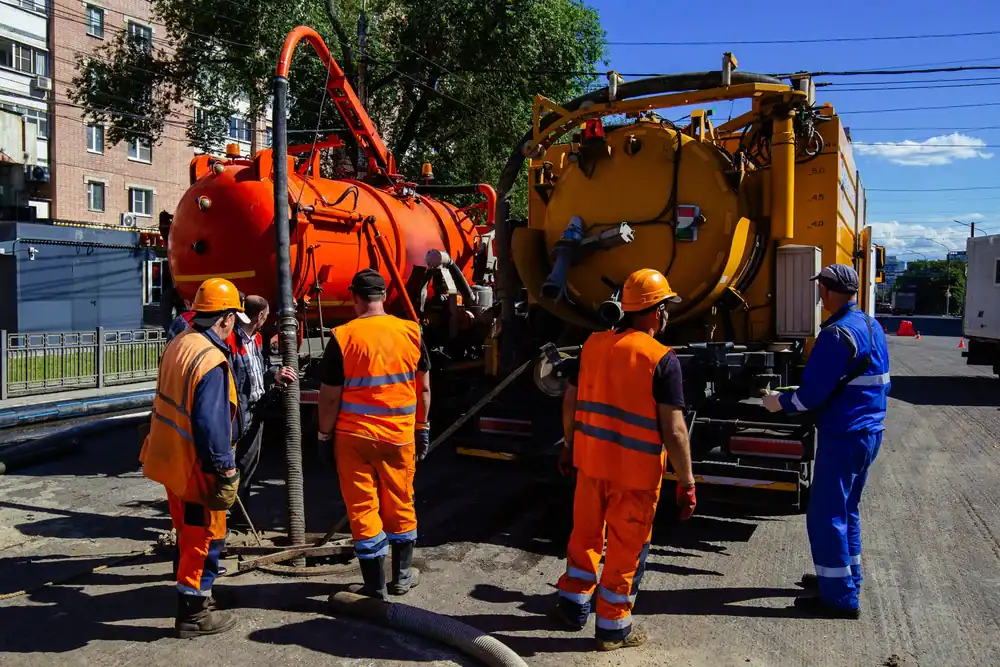
Regular septic tank pumping prevents the disasters that catch unprepared homeowners off guard. You get a system that processes waste efficiently, protects your property value, and keeps your family safe from sewage backups. No surprise failures when spring rains saturate Long Island’s sandy soil.
Most Huntington Bay homes need pumping every 3-5 years, but your specific timeline depends on household size, water usage, and system age. We inspect your tank during every service and give you a realistic schedule for your next pumping. No guesswork, no unnecessary services, no dealing with raw sewage in your yard.
When you skip maintenance, solids overflow into your drain field, creating replacement costs that can hit $5,000 to $15,000. That’s not including cleanup costs if sewage backs up into your house.
We’ve been serving Huntington Bay and Long Island for years, handling everything from routine maintenance to emergency septic situations. We’re licensed, insured, and familiar with the specific soil conditions and regulations that affect septic systems in our coastal area.
Long Island’s sandy soil and seasonal water table changes create specific challenges for septic systems, and our recommendations reflect that local knowledge. You won’t find us cutting corners or recommending services you don’t need.
We provide honest recommendations based on what we actually see, not what generates the most revenue. If your system looks good for another few years, we’ll tell you. If something needs attention, we’ll explain why and what happens if you wait.
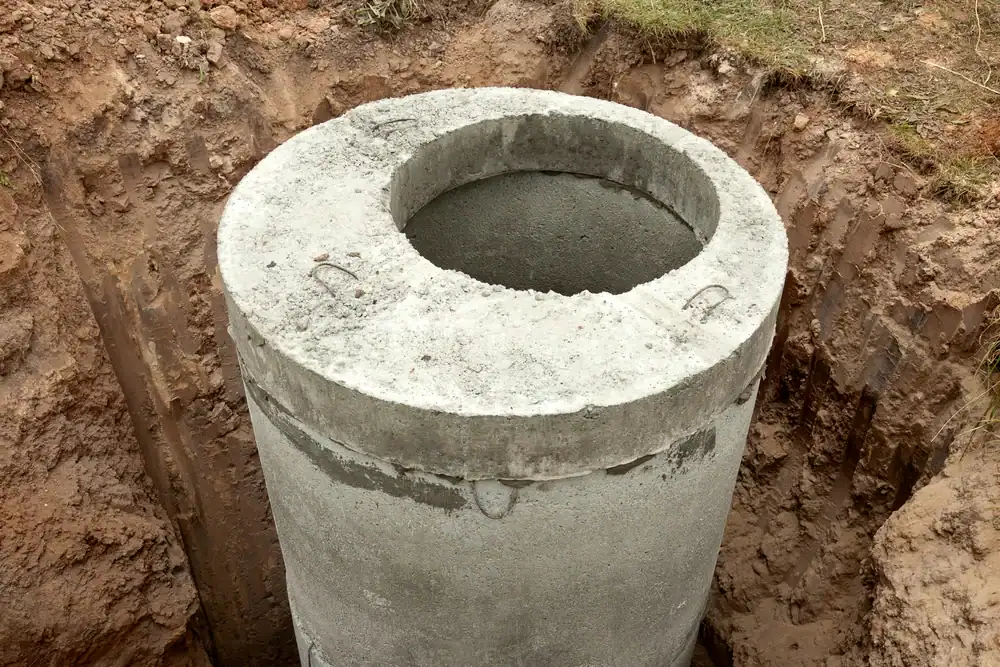
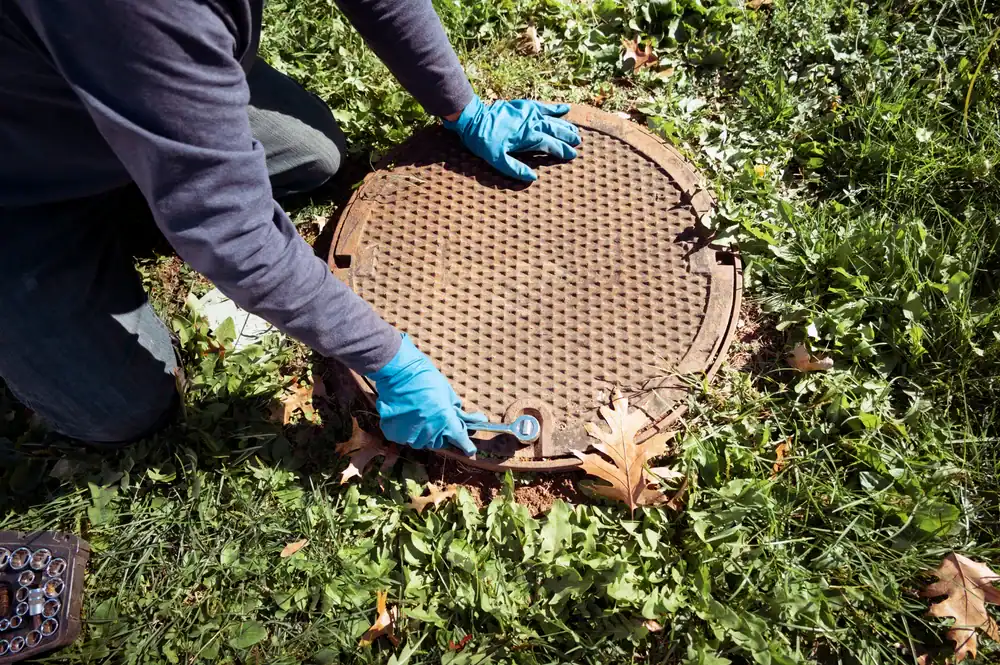
First, we locate and uncover your septic tank access ports. Many homeowners don’t know where these are, so we handle the detective work and note the location for future reference, making your next service faster.
Next, we pump out all accumulated sludge and scum layers from your tank. This isn’t just sucking out liquid—we’re removing the solid waste that builds up over time and can clog your drain field if left untreated. Our equipment handles this efficiently without damaging your tank or surrounding landscape.
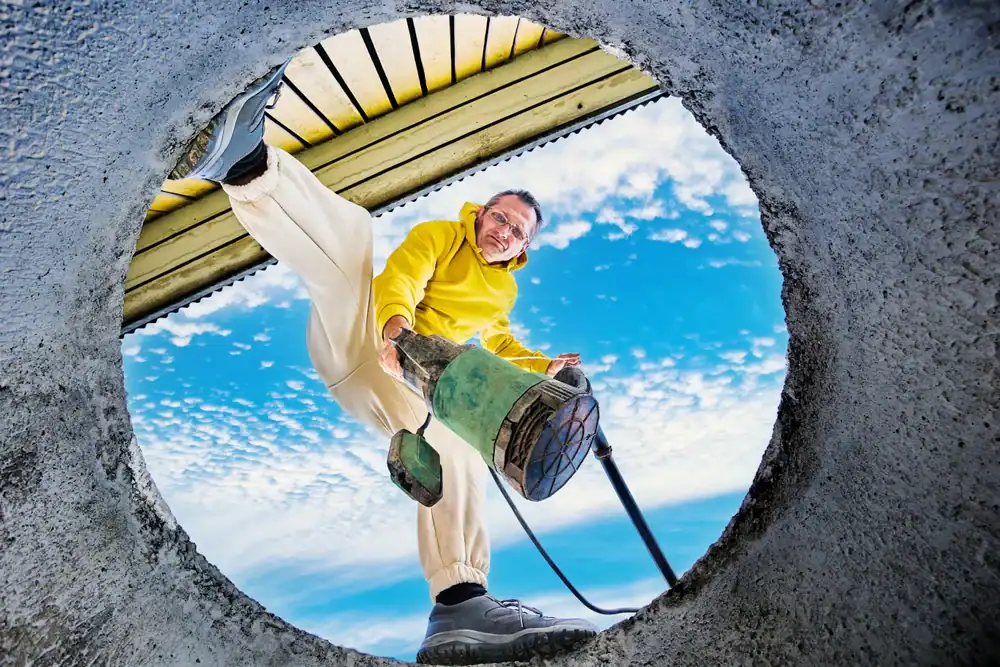
During pumping, we inspect your tank for cracks, damaged baffles, or other issues that could cause problems down the road. If we spot something concerning, we’ll explain what it means and whether it needs immediate attention or just monitoring. You’ll know exactly what condition your system is in before we leave.
Every septic pumping includes complete tank evacuation, not just partial pumping that some companies offer to cut costs. All waste goes to licensed treatment facilities where it’s processed according to environmental regulations.
Ready to get started?
Your septic system isn’t just managing waste—it’s protecting Long Island’s water quality. Nitrogen pollution from failing septic systems is the leading source of excess nutrients in our bays, causing algal blooms, fish kills, and beach closures that affect our entire community.
Huntington Bay’s location on Long Island’s North Shore means your system faces unique challenges. Sandy soil allows wastewater to move quickly, but that rapid movement can let effluent reach groundwater before it’s fully treated if your system isn’t properly maintained. Heavy spring rains can saturate the soil, preventing proper drainage and potentially causing backups.
Most residential septic tank pumping takes 1-2 hours from start to finish, including tank inspection and site cleanup. The actual pumping usually takes 30-45 minutes, but locating access ports, setting up equipment, and conducting a thorough inspection adds time. We also provide upfront pricing before starting work, so you know exactly what you’re paying.
Most Huntington Bay homes need septic tank pumping every 3-5 years, but your specific timeline depends on several factors. Household size makes the biggest difference—a family of four typically needs pumping every 3-4 years, while a couple might go 4-5 years between services.
Long Island’s sandy soil and often smaller property sizes mean many local systems can’t wait the standard national recommendations. Heavy water use, garbage disposals, and certain cleaning products can require more frequent pumping. The best way to know is to have your tank inspected—we can measure the sludge levels and give you a realistic timeline based on your specific situation rather than general guidelines.
Slow drains throughout your house, gurgling sounds from toilets or drains, and sewage odors around your tank or drain field are the most common warning signs. You might also notice unusually green grass over your septic area or standing water where it shouldn’t be.
However, don’t wait for these symptoms—they often indicate your tank is already overfull and potentially damaging your drain field. Regular pumping based on your household’s timeline prevents these problems and protects your entire septic system from costly damage. By the time you notice these warning signs, you’re often looking at emergency service calls and potentially expensive repairs.
Septic pumping costs in Huntington Bay typically range from $300 to $600 for standard residential tanks, depending on tank size, accessibility, and how full the tank is. Tanks that haven’t been pumped in many years cost more because there’s more waste to remove and dispose of.
Additional costs might apply if your tank is difficult to access or if we need to locate buried access ports. We provide upfront pricing before starting work, so you know exactly what you’re paying. Emergency weekend or holiday services carry additional fees, but routine scheduled pumping stays within the standard range. Regular maintenance is significantly cheaper than emergency repairs, which can cost thousands.
Long Island’s unique geography creates specific challenges for septic systems that don’t exist elsewhere. Our sandy soil allows wastewater to move quickly, which sounds good but can actually let effluent reach groundwater before it’s fully treated if systems aren’t properly maintained.
Proximity to the coast means dealing with high water tables, especially during storm seasons. Heavy spring rains can saturate the soil, preventing proper drainage and potentially causing backups. Many septic systems can fail at once when storm surges elevate the water table. These conditions mean your system works harder than systems in other areas and needs more frequent attention to function properly.
We start by locating and accessing your septic tank, which isn’t always straightforward since many Huntington Bay properties have tanks that aren’t clearly marked or have been covered over the years. Once we access the tank, we pump out all the accumulated sludge and scum layers using specialized equipment.
During pumping, we inspect your tank for cracks, damaged baffles, or other issues that could cause problems down the road. You get a thorough tank inspection at no extra charge—we check inlet and outlet baffles, look for structural damage, and assess the condition of your tank walls. This catches small problems before they become expensive repairs. We also provide guidance on proper septic system care and scheduling reminders for future maintenance.
While technically possible, DIY septic pumping isn’t recommended for several important safety and legal reasons. Septic pumping requires specialized vacuum trucks, proper waste disposal at licensed facilities, and knowledge of what to look for during tank inspection. More importantly, septic tanks contain dangerous gases that can be lethal, and the waste itself poses serious health risks.
Professional pumping also includes system inspection and documentation required for county compliance. All waste we pump from your septic tank goes to licensed waste treatment facilities where it’s processed according to environmental regulations. We don’t dump it illegally or dispose of it improperly—that would put our license and your property at risk. This responsible disposal protects Long Island’s groundwater and ensures you won’t face any environmental liability issues.