
Hear from Our Customers
Your septic system works quietly in the background like it should. No surprise backups during family gatherings or peak season when your property sees heavy use.
You know exactly when your next service is due and what to expect. Your system gets the maintenance it needs to last decades, not just until the next expensive emergency.
When something does go wrong, you have a direct line to licensed professionals who understand Southampton’s unique soil conditions and seasonal challenges. No scrambling through Google at 2 AM hoping someone decent will show up.
We’ve been handling septic tank pumping in Southampton for years. We know the local soil conditions, the health department requirements, and what actually works long-term in this area.
Southampton properties face unique challenges. The high water table, seasonal usage spikes, and environmental regulations require expertise that generic service companies simply don’t have.
We’re licensed, insured, and we dispose of waste properly at approved facilities. When we pump your septic tank, it’s done to Suffolk County code the first time. You won’t get surprise charges or find out later that corners were cut.

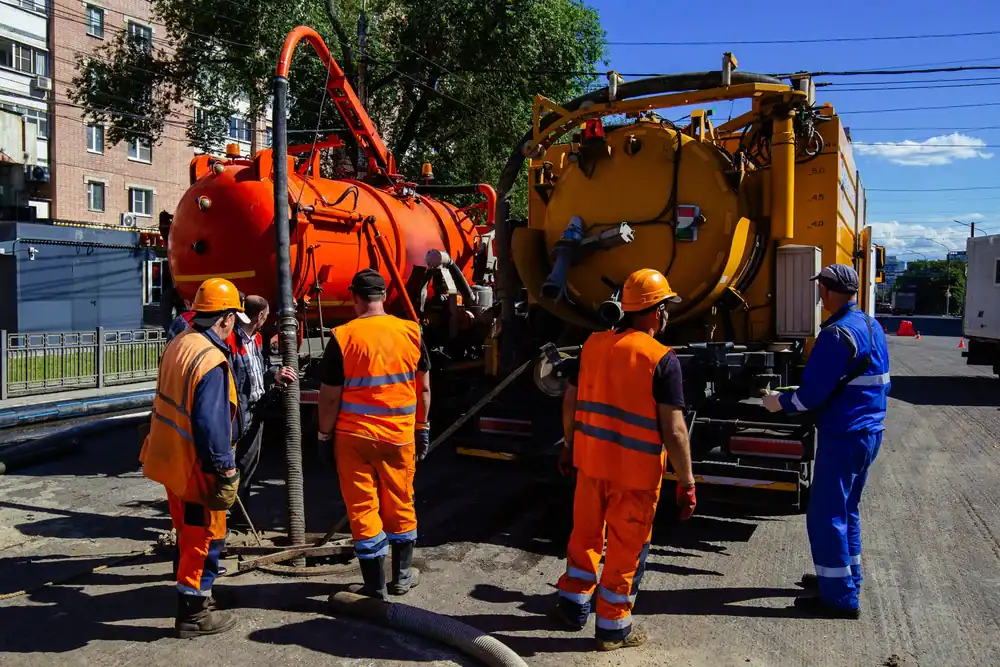
First, we locate and access your septic tank efficiently without damaging your landscaping. Our professional vacuum equipment removes all accumulated solids and liquids from every compartment of your tank.
During the pumping process, our technician inspects your system for signs of damage, wear, or potential issues that could cause problems down the road. You get a clear explanation of what we found and honest recommendations.
We handle all the technical details – proper waste disposal at licensed facilities, system documentation, and cleanup. The job gets done right, your property looks the same as when we arrived, and you know exactly when your next service is due.

Ready to get started?
Our septic tank pumping service includes complete system evaluation, not just waste removal. You get professional inspection, documentation of your system’s condition, and recommendations for maintaining optimal performance.
Southampton’s seasonal property usage patterns mean your system faces unique stresses. Summer months can see 2-3 times normal usage from guests and seasonal residents. We factor these local conditions into our service recommendations.
Most Southampton homes need septic tank pumping every 3-5 years, but your specific schedule depends on household size, water usage, and tank capacity. Properties with garbage disposals or high water usage may need more frequent service. We help you understand your system’s actual needs, not generic recommendations.
Most Southampton homes need septic tank pumping every 3-5 years, but your specific schedule depends on several factors. A family of four with a 1,000-gallon tank typically needs pumping every 3-4 years.
Properties with garbage disposals, high water usage, or frequent guests may need more frequent service. Southampton’s seasonal usage patterns also affect timing – summer properties that see heavy guest usage often need pumping every 2-3 years instead of the standard 4-5.
The key is monitoring your system for warning signs like slow drains, gurgling toilets, or odors around the tank area. These indicate it’s time for pumping regardless of schedule.
Septic tank pumping in Southampton typically costs between $300-600, depending on tank size, accessibility, and how full the tank is. A standard 1,000-gallon tank usually falls in the $300-400 range, while larger tanks cost more.
Factors that affect cost include distance from the truck to your tank, landscaping that needs protection, and whether additional repairs are needed. Tanks that haven’t been pumped in many years or require extra time to locate may cost more.
We provide upfront pricing before starting work – no surprises or hidden fees. The cost of regular pumping is minimal compared to septic system repairs or replacement, which can run thousands of dollars.
Septic tank pumping requires specialized vacuum equipment, proper safety procedures, and legal waste disposal that homeowners can’t handle themselves. The process involves working with hazardous gases, heavy equipment, and waste that must be disposed of at approved facilities.
Professional pumping also includes system inspection to catch problems early. Our technicians know what to look for – signs of tank damage, inlet/outlet issues, or drain field problems that could lead to expensive repairs if missed.
DIY attempts often result in incomplete pumping, safety hazards, and illegal waste disposal. The specialized equipment and expertise required make professional service the only practical option.
Common signs include slow drains throughout the house, toilets that won’t flush properly, sewage odors inside or outside, wet spots over the drain field, or sewage backing up into your home. You might also notice unusually green grass over the septic area or standing water where it should be dry.
Don’t wait for obvious problems to schedule septic pumping. By the time you notice slow drains, odors, or backups, you’re already dealing with a more expensive situation. Watch for subtle early warning signs instead.
Toilets that take slightly longer to flush, minor gurgling sounds from drains, or grass that grows unusually green over your drain field all suggest your system is getting full. If it’s been over five years since your last service, it’s time for pumping regardless of symptoms.
Simple septic tank pumping doesn’t require permits from Southampton or Suffolk County. However, any construction work, repairs, or system modifications do require permits and inspections.
New septic system installations definitely need permits from the health department. Major repairs often require permits too, depending on scope. We handle all permit applications when needed and know exactly what Southampton requires for different types of septic work.
We make sure everything is done to code so you don’t have issues when you sell your property or need inspections. Our experience with local regulations ensures compliance without delays or complications.
Cesspools are older systems that simply collect waste in a pit, while septic systems treat wastewater through a tank and drain field. Many Southampton properties still have cesspools, but they’re less environmentally friendly and often require more frequent pumping.
New installations must be septic systems that meet current health department standards. Cesspools can lead to groundwater contamination over time, which is why Suffolk County now requires septic systems for new construction and major renovations.
If you have an old cesspool that’s failing, we can help you understand your options for replacement with a modern septic system that will be more reliable and compliant with current environmental regulations.