
Hear from Our Customers
You’ve got slow drains, backups, or smells you can’t explain. Someone could dig up your yard and hope they find the problem. Or you could see it first.
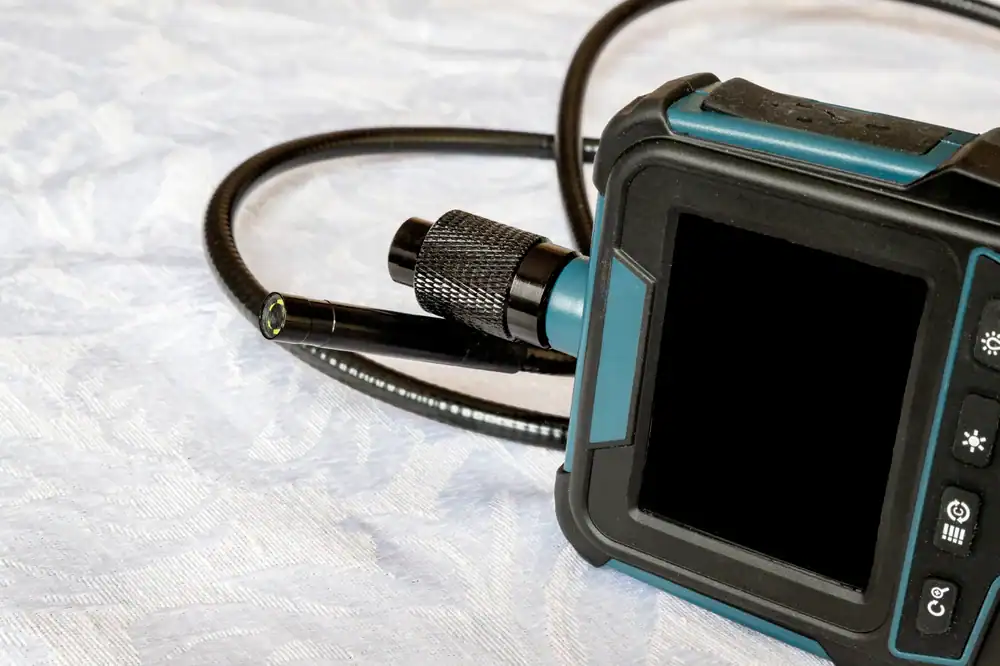
A sewer line video inspection puts a waterproof camera through your pipes and shows you what’s happening in real time. Roots growing through a crack. A collapsed section. Grease buildup blocking flow. Whatever it is, you’ll see it on screen before anyone touches a shovel.
That means you’re not paying for exploratory digging. You’re not guessing at repairs. You’re making decisions based on what’s actually there. And if the problem’s small now, you can catch it before it turns into a $15,000 emergency next winter.
We’ve been serving Central Islip and the surrounding Suffolk County area for over a decade. We’re fully licensed, locally based, and we’ve seen what happens to cesspools and septic systems in Long Island’s sandy soil.
Most systems here start showing problems after 15 to 20 years. Older clay pipes crack. PVC shifts at the joints. Distribution lines clog with waste. We’ve inspected hundreds of them, and we know what to look for.
When you call us, you’re working with people who understand Suffolk County’s regulations, soil conditions, and the common issues that show up in homes built in the ’50s and ’60s. We’re not learning on your property.
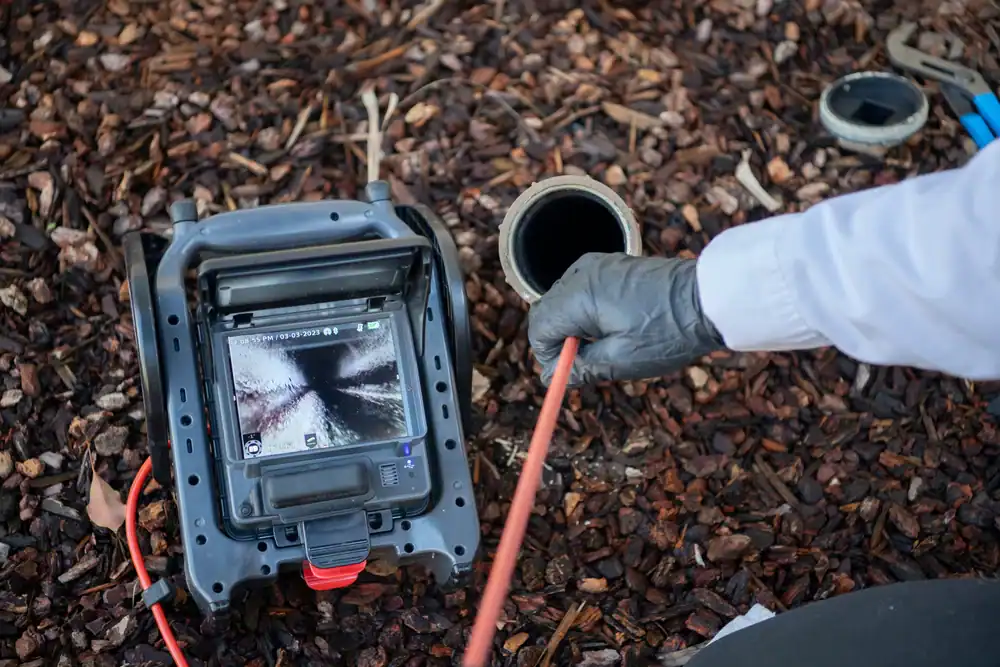
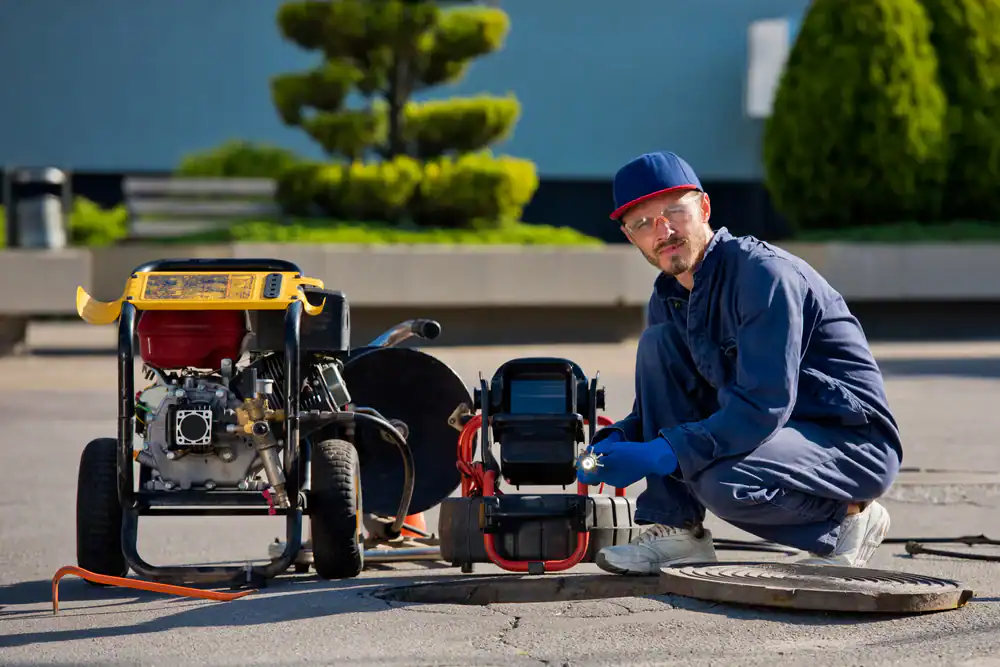
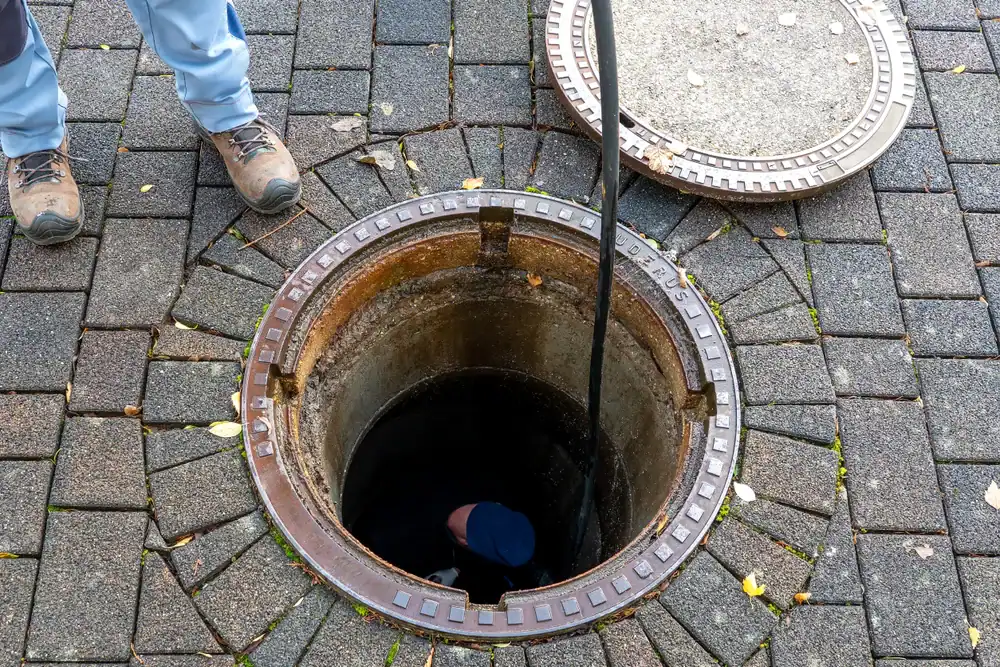
We start by locating your cleanout or access point. Then we feed a high-definition camera with LED lights through your pipes. The camera is waterproof, flexible, and built to navigate bends and junctions.
As it moves through your system, we’re watching live footage on a monitor. You can watch too if you want. We’re looking for cracks, blockages, root intrusion, corrosion, collapsed sections—anything that’s affecting flow or structure.
The camera also has a transmitter that lets us mark the exact location of a problem from above ground. So if there is damage, we know precisely where to dig. No tearing up your driveway to find a crack that’s 10 feet to the left.
Once we’re done, you get a full report with digital footage. If repairs are needed, we’ll explain what’s required and why. If everything looks fine, you’ll have documentation for your records or for a real estate transaction.
Ready to get started?
You get a complete visual record of your pipe’s interior. That includes identifying blockages, structural damage, and any signs of deterioration that could lead to bigger problems down the road.
In Central Islip and across Suffolk County, this matters more than in other areas. Over 400,000 cesspools and septic systems are in use here, and the sandy soil accelerates wear. Systems that would last 30 years elsewhere start failing at 20. If you’re buying a home built before 1970, a camera inspection can save you from inheriting a $25,000 replacement job.
You also get compliance documentation. Suffolk County requires inspections every three years for certain systems, and if you’re selling or renovating, you’ll need proof that your lines are in working order. We provide that in a format insurance companies and inspectors accept.
And if you’ve been dealing with recurring backups or slow drains that no one’s been able to explain, this is how you find out why. Most of the time, it’s not a mystery—it’s a root ball, a belly in the line, or a section that’s starting to collapse. Once you see it, you can fix it.
Most camera inspections in Central Islip run between $200 and $400, depending on the length of your line and how accessible your cleanout is. That’s a fraction of what you’d pay for exploratory digging or a repair based on guesswork.
If you’re buying a home, it’s one of the smartest $300 you can spend. Replacing a failed cesspool or sewer line costs anywhere from $8,000 to $25,000. An inspection tells you if that’s coming before you close.
For existing homeowners, the inspection often pays for itself by pinpointing the exact issue. Instead of paying a crew to dig in three different spots, you’re paying them to dig once—in the right place.
A sewer line video inspection shows cracks, breaks, root intrusion, blockages, corrosion, bellies (sagging sections), and collapsed pipe segments. It also reveals buildup from grease, waste, or sediment that’s restricting flow.
If tree roots have infiltrated your line, you’ll see them on camera. If a section of pipe has separated at a joint, we’ll spot it. If there’s a low spot where water pools and solids collect, that shows up too.
The camera doesn’t guess. It shows the interior condition of your pipes in real time, so you know exactly what’s causing slow drains, backups, or odors. That’s especially useful in older Central Islip homes where original clay pipes are still in the ground.
If the home has a cesspool or septic system, yes. A general home inspection doesn’t include a sewer line video inspection, and most sellers aren’t going to volunteer that their system is failing.
In Suffolk County, cesspools installed before July 2019 are grandfathered in, but they still age. If the system is 20+ years old and hasn’t been inspected, you’re rolling the dice. A failed system isn’t just expensive—it can delay your closing or kill the deal entirely.
An inspection gives you leverage. If the camera finds damage, you can negotiate repairs or a credit before you buy. If it’s clean, you’ve got peace of mind and documentation for your records.
Most inspections take between 45 minutes and two hours, depending on the length of your line and how many access points we need to check. If your system is straightforward and the cleanout is easy to reach, we’re usually done in under an hour.
If there’s a blockage or damage that requires us to navigate around it, or if we’re inspecting multiple lines, it can take longer. But you’re not waiting days for results—you see the footage in real time, and we’ll walk you through what we’re seeing as we go.
You’ll leave with a full report and digital footage the same day. No waiting for a lab, no follow-up appointment. Just clear answers about what’s happening underground.
Yes, but with a caveat. A camera inspection can identify cracks, breaks, and separations where leaks are likely occurring. You’ll see water seeping in from outside the pipe, or you’ll see a visible gap in the line.
What the camera can’t do is detect a pinhole leak in a section of pipe that otherwise looks intact. For that, you’d need a pressure test or a different diagnostic method. But most leaks that are causing problems—standing water in your yard, soggy spots near your foundation, or a sudden spike in your water bill—are visible on camera.
In Central Islip’s sandy soil, even small leaks can cause big problems. Water escaping from your sewer line can erode the soil around it, leading to sinkholes or foundation issues. Catching it early with a camera inspection can save you from a much larger repair bill later.
We’ll show you exactly what we found, where it is, and what your options are. If it’s a blockage, we can often clear it the same day. If it’s structural damage—like a cracked or collapsed section—we’ll explain whether it needs a spot repair or a full replacement.
You’re not locked into anything. You’ll get a written estimate, and you can take time to decide. Some issues are urgent—like a line that’s about to collapse—and some can wait. We’ll tell you the difference.
Because we mark the exact location of the problem with the camera’s transmitter, any repair work is targeted. You’re not paying to dig up half your yard. You’re paying to fix the section that’s actually damaged. That alone can save you thousands compared to a blind repair.
Other Services we provide in Central Islip