
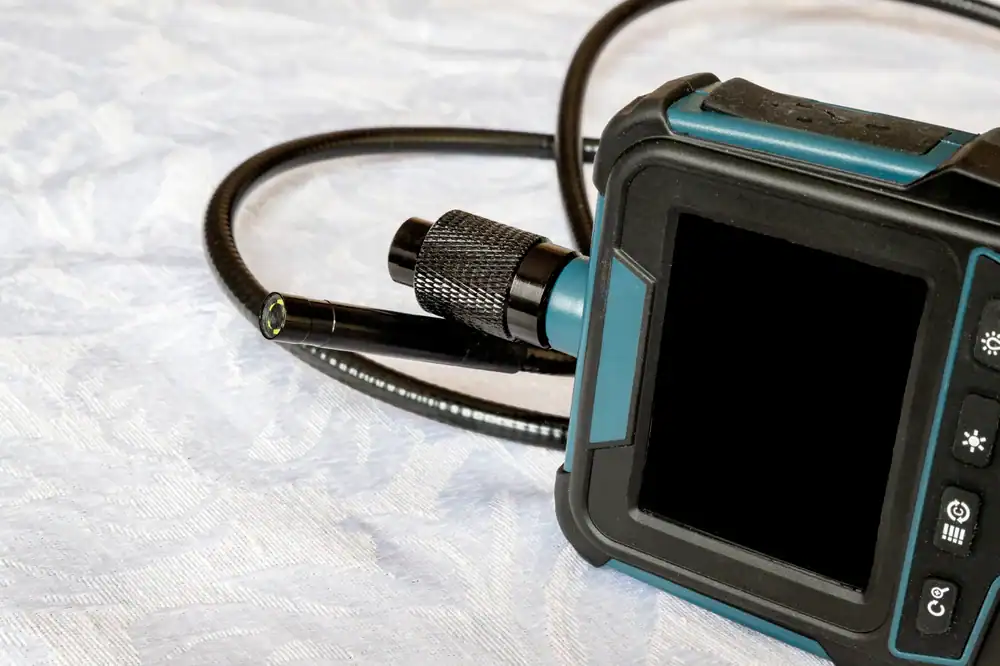
Hear from Our Customers
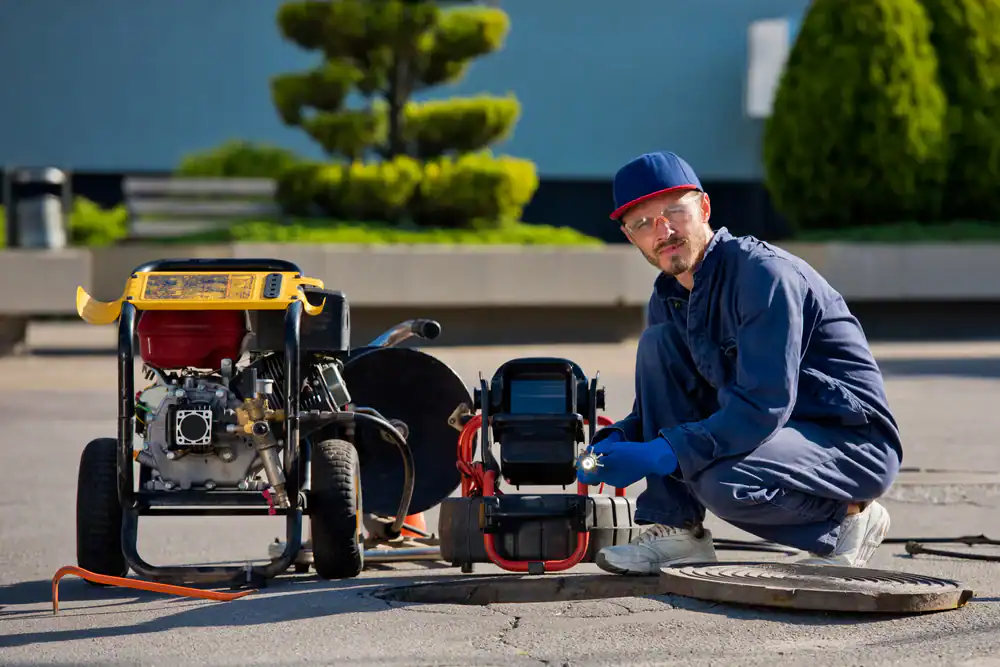
You’re not calling because everything’s fine. Something’s slow, something smells off, or you’re staring at a wet spot in the yard that wasn’t there last week.
Most companies show up, make their best guess, and start digging. That’s expensive. And if they’re wrong, it gets more expensive.
A sewer line video inspection shows you what’s actually happening underground. We feed a high-resolution camera through your pipes and you see what we see in real time. Roots growing through joints. Cracks from settling soil. Grease buildup choking the line. Whatever it is, you’ll know before anyone picks up a shovel.
That means you’re not paying to fix the wrong thing. You’re not replacing a system that just needs a repair. And you’re not wondering if the problem’s going to come back next month because nobody actually found the source.
We know Glen Cove’s older housing stock and the cesspool systems that came with it. Most homes here were built around 1960, back when cesspools were standard and nobody thought twice about what happened underground.
Now those systems are aging. And Nassau County’s regulations have gotten stricter. Mandatory inspections every five years, nitrogen reduction requirements, fines that start at $250 and climb fast if you’re not compliant.
We handle camera inspections the same way we handle everything else: show up when we say we will, tell you what we found, and give you a straight answer about what it’s going to take to fix it. No upselling. No scare tactics. Just the footage and the facts.
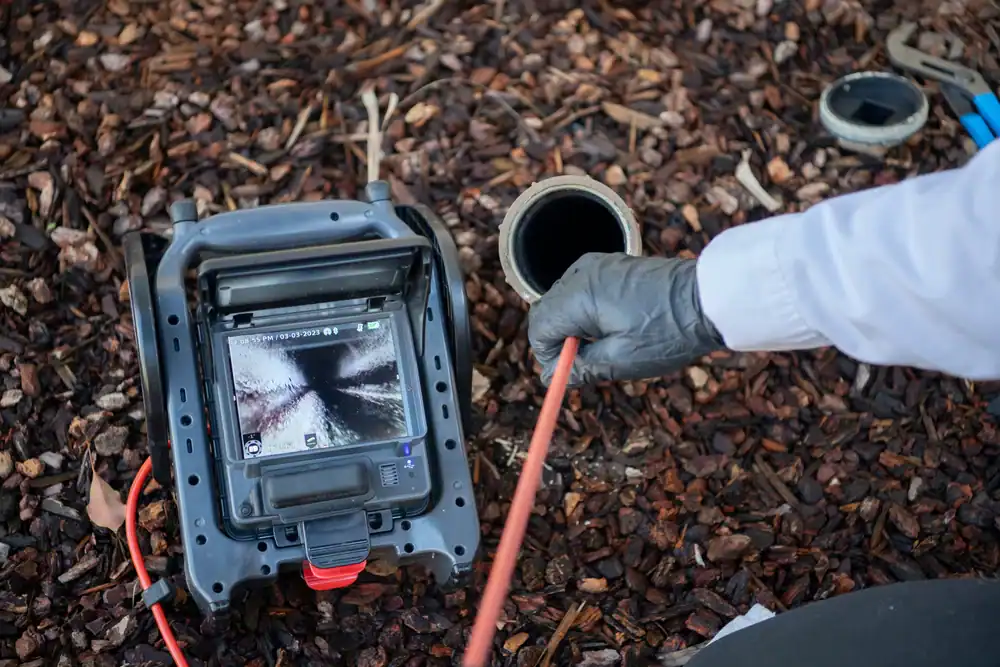
We start by locating your access point. If you don’t know where it is, we use electronic detection equipment to find it without tearing up your landscaping.
Once we’re in, we feed a flexible camera line through your pipes. The camera has its own light source and records high-definition footage as it moves through the system. You can watch the feed with us in real time or review the digital footage afterward.
We’re looking for cracks, blockages, root intrusion, pipe corrosion, and anything else that’s affecting flow or structural integrity. The camera also measures depth and distance, so if there is a problem, we know exactly where it is.
After the inspection, you get a full report with the footage, our findings, and a clear explanation of what needs attention now versus what you can monitor. If repairs are needed, we’ll walk you through your options and what each one costs. No surprises.
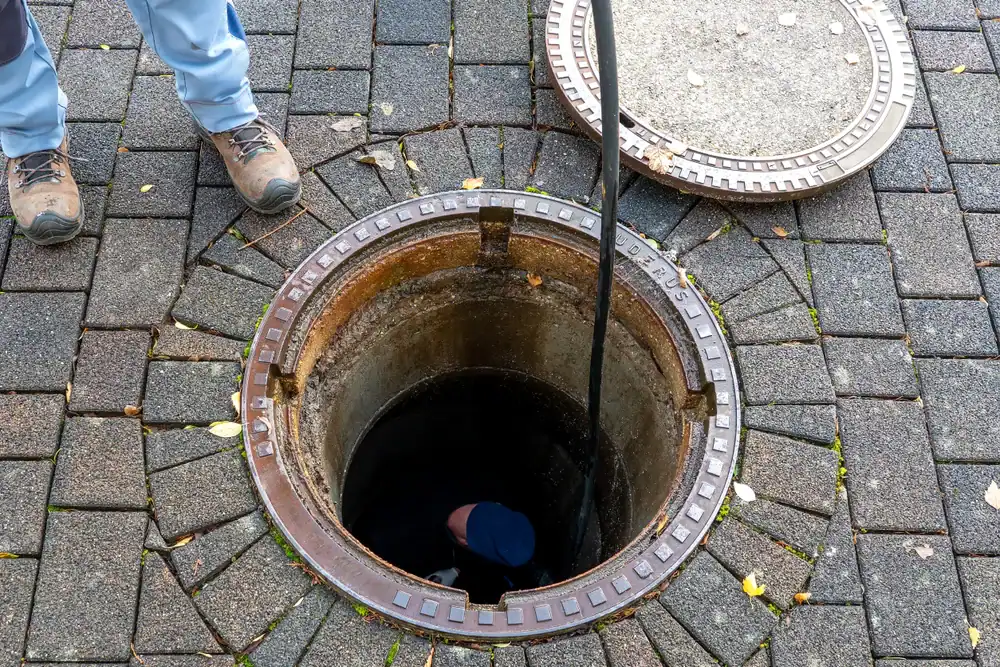
Ready to get started?
You get digital footage of your entire system. That includes the main line, any accessible laterals, and the connection points where problems usually start.
You also get real-time clog detection. If there’s a blockage, we see it immediately and can tell you what’s causing it: grease, roots, collapsed pipe, or something else. That’s important because the fix depends on the cause.
We’re also locating underground pipe leaks and documenting pipe condition for compliance purposes. Nassau County requires septic system inspections every five years now, and video documentation is becoming the standard for proving your system meets code.
Glen Cove sits on Long Island’s North Shore, where sandy soil and a high water table create unique challenges for underground systems. Pipes shift. Roots find their way in. And what worked fine for decades can fail fast once the damage starts. A camera inspection catches those issues while they’re still manageable instead of waiting until you’ve got sewage backing up into your house.
Most camera inspections in Glen Cove run between $300 and $500 depending on the length of the line and how accessible your system is. If we need to use locating equipment to find your cesspool or cleanout, that adds time but not much cost.
We give you flat-rate pricing upfront. You’ll know what you’re paying before we start, and that price doesn’t change unless you ask us to inspect additional lines or areas we didn’t originally discuss.
Some companies charge extra for the footage or the report. We don’t. The digital footage and a written summary of what we found are part of the service. You’re paying for answers, and that includes documentation you can keep for your records or share with the county if needed.
Get one if you’re dealing with slow drains that won’t clear, frequent backups, or wet spots in your yard that smell like sewage. Those are signs something’s wrong underground, and guessing costs more than knowing.
You should also get one before buying a home in Glen Cove, especially if it was built in the 1960s or earlier. A lot of older properties still have original cesspool systems, and you don’t want to find out after closing that you need a $10,000 repair or a full system replacement.
Nassau County now requires septic inspections every five years, and a camera inspection is the most thorough way to document your system’s condition. If you’re due for an inspection or you’re trying to stay ahead of compliance requirements, scheduling a camera inspection now saves you from scrambling later when the county sends a notice.
A camera inspection finds root intrusion, which is one of the most common problems in Glen Cove. Tree roots grow toward water sources, and once they find a crack or joint in your pipe, they’ll keep growing until the line is completely blocked.
We also find cracks and breaks caused by soil settling or ground movement. Long Island’s sandy soil shifts over time, and pipes that were installed 60 years ago weren’t built to flex. When the ground moves, pipes crack.
You’ll also see grease buildup, corrosion, and collapsed sections of pipe. Sometimes we find objects that shouldn’t be there: toys, construction debris, or things that got flushed and lodged in a bend. Whatever’s causing the problem, the camera shows it. And once you know what it is, you can fix it the right way instead of trying different solutions and hoping one works.
Yes. That’s the whole point of a camera inspection. We access your system through existing cleanouts or the cesspool opening, feed the camera line through, and inspect everything from there.
If we don’t know where your access point is, we use electronic locating equipment to find it. That’s common in Glen Cove, where older systems weren’t always documented and access points get covered over time by landscaping or new construction.
The only time we’d need to dig is if your system doesn’t have an accessible cleanout and we need to create one. But even then, it’s a small access point, not a full excavation. The camera does the rest of the work, and your yard stays intact.
Most inspections take between 45 minutes and two hours depending on how much line we’re inspecting and whether we run into any access issues. If your system is straightforward and we know where everything is, we’re usually done in under an hour.
If we need to locate your cesspool or cleanout first, that adds time. Same thing if we’re inspecting multiple lines or a larger property. But we’re not rushing. The goal is to see everything clearly and document what’s actually happening in your pipes.
You can watch the inspection in real time if you want, or we can walk you through the footage afterward. Either way, you’re not waiting days for results. We’ll show you what we found before we leave and explain what it means for your system.
If everything’s draining normally and you’re not noticing any smells or wet spots, you probably don’t need an emergency inspection. But there’s a difference between “seems fine” and “is fine.”
A lot of problems start small. A hairline crack. A root that just found its way into a joint. A section of pipe that’s starting to corrode. You won’t notice those things until they get worse, and by then you’re looking at a backup or a collapse instead of a simple repair.
If your system is older than 20 years, if you’ve never had it inspected, or if you’re due for a county-mandated inspection, a camera inspection is cheap insurance. You’re spending a few hundred dollars now to avoid spending thousands later. And if the camera shows everything’s fine, you’ve got documentation and peace of mind.
Other Services we provide in Glen Cove