
Hear from Our Customers
You shouldn’t have to pay for exploratory digging just to find out what’s wrong. A sewer line video inspection pinpoints the exact location and cause of your drain issues before any excavation starts. You see what we see—roots growing through joints, collapsed sections, grease buildup, or cracks letting groundwater seep in.
That means you’re only paying to fix what actually needs fixing. No unnecessary pipe replacement. No tearing up half your yard to locate a problem. The camera goes in through an existing access point, travels through your lines, and sends back live footage that shows pipe condition from the inside.
When you know exactly what’s broken and where it’s broken, you can make an informed decision about repairs. The footage doesn’t lie, and it gives you documentation if you need it for insurance or warranty claims down the road.
We’ve spent years working on cesspools and septic systems across Head of the Harbor, NY and the surrounding Suffolk County area. We know the soil conditions here. We know how systems age in this climate. We know what typically fails first in older homes near the harbor.
That local knowledge matters when you’re trying to diagnose underground problems. We’re licensed, insured, and we show up with the right equipment to handle whatever your property throws at us. No subcontractors. No runaround.
You get straightforward answers from people who’ve seen thousands of systems and know the difference between a quick fix and something that needs real attention.
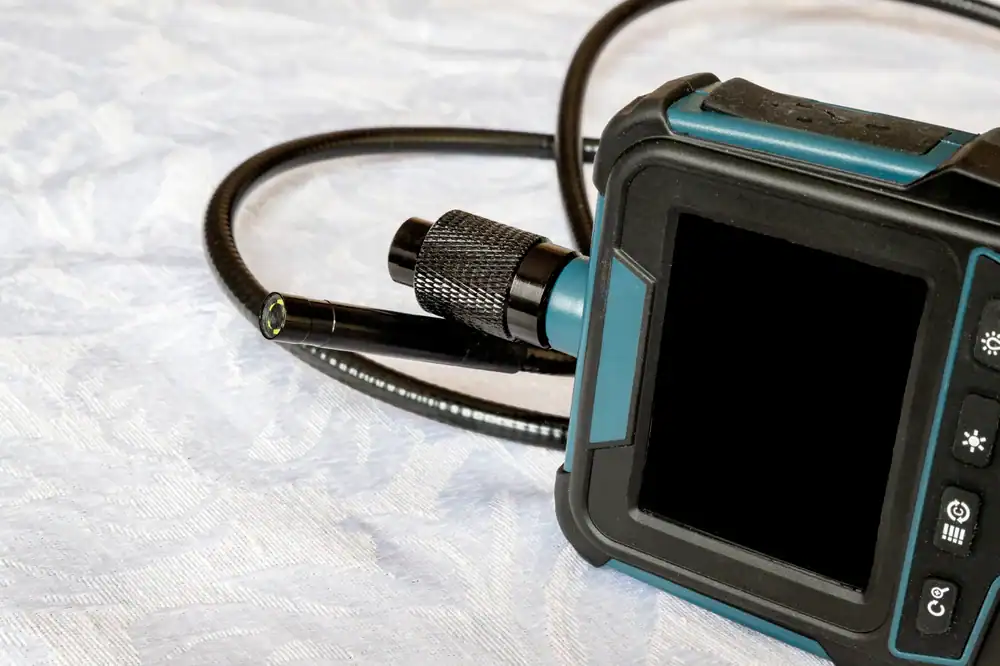
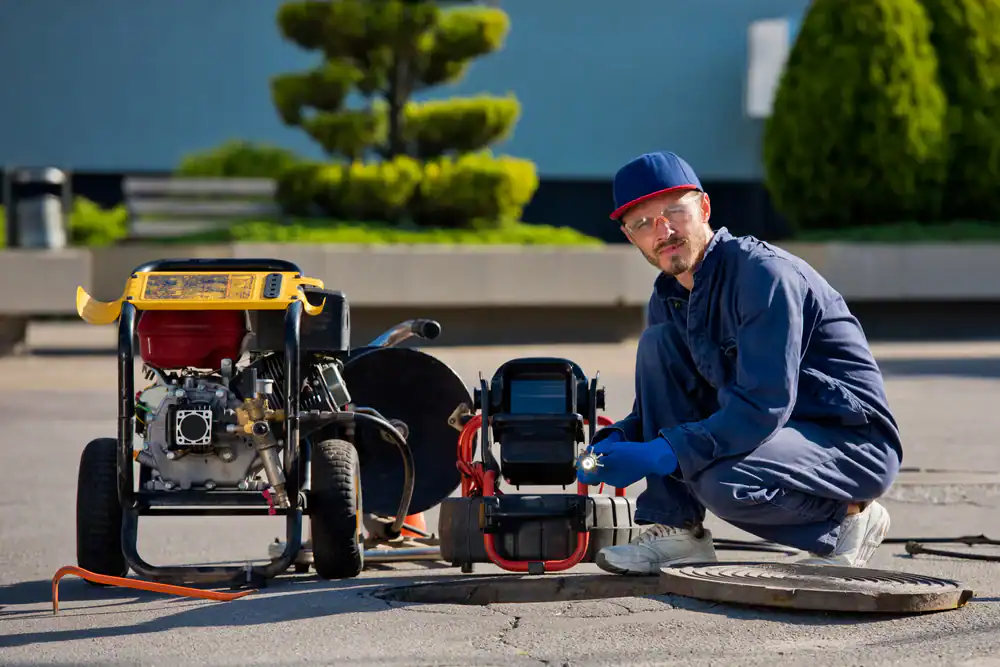
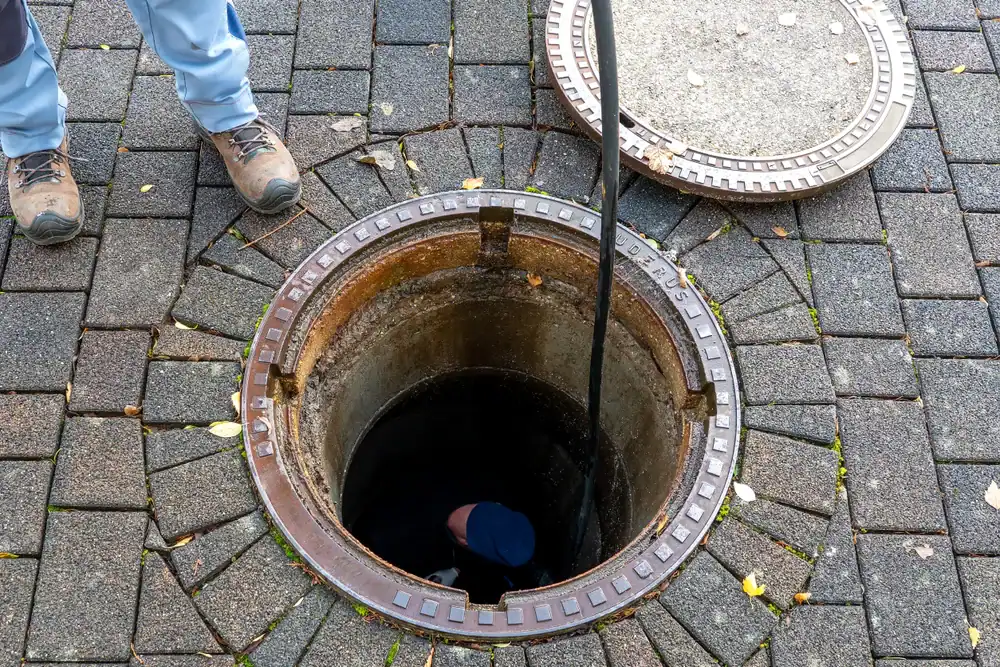
We start by locating the best access point to your sewer or cesspool line—usually a cleanout or existing opening. From there, we feed a flexible cable with a waterproof camera attached into your pipes. The camera has built-in LED lights so we can see clearly even in completely dark or water-filled lines.
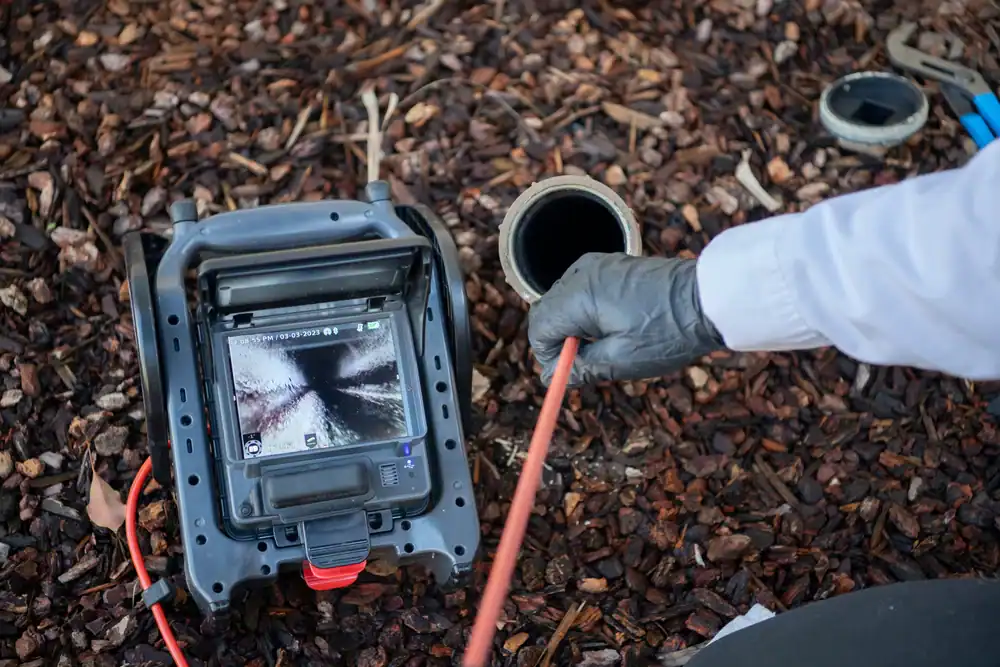
As the camera moves through your system, it sends live video back to our monitor. We’re looking for blockages, cracks, root intrusion, bellied sections where pipes have settled, corrosion, and anything else that could cause backups or leaks. The camera also has a locator beacon, so if we spot a problem deep underground, we can mark the exact spot on your property without digging exploratory trenches.
The whole process is non-invasive. We’re not tearing anything apart to look around. Once the inspection is done, you get a clear explanation of what we found, where the issues are, and what your options look like. If you want the footage for your records or to share with your insurance company, we can provide that too.
Ready to get started?
You get digital footage and reporting that shows the current state of your underground pipes. That includes identifying blockages before they turn into full backups, locating underground pipe leaks that are wasting water or contaminating your property, and assessing whether your system can handle normal use or if it’s on the edge of failure.
This matters in Head of the Harbor, NY because most homes here rely on private wastewater systems. Since Suffolk County closed the cesspool replacement loophole in 2019, any failed cesspool now has to be upgraded to a modern septic system. A camera inspection tells you whether your current system is still viable or if you’re looking at a mandated upgrade soon.
The inspection also catches root intrusion early. Tree roots are one of the most common causes of line failure on Long Island, and they don’t stop growing once they find a water source. Spotting them early means you can clear the roots and possibly repair the entry point before the entire section of pipe collapses.
You’re not just getting a video. You’re getting a documented assessment that helps you plan, budget, and avoid emergency repairs when your system decides to quit on a Saturday night.
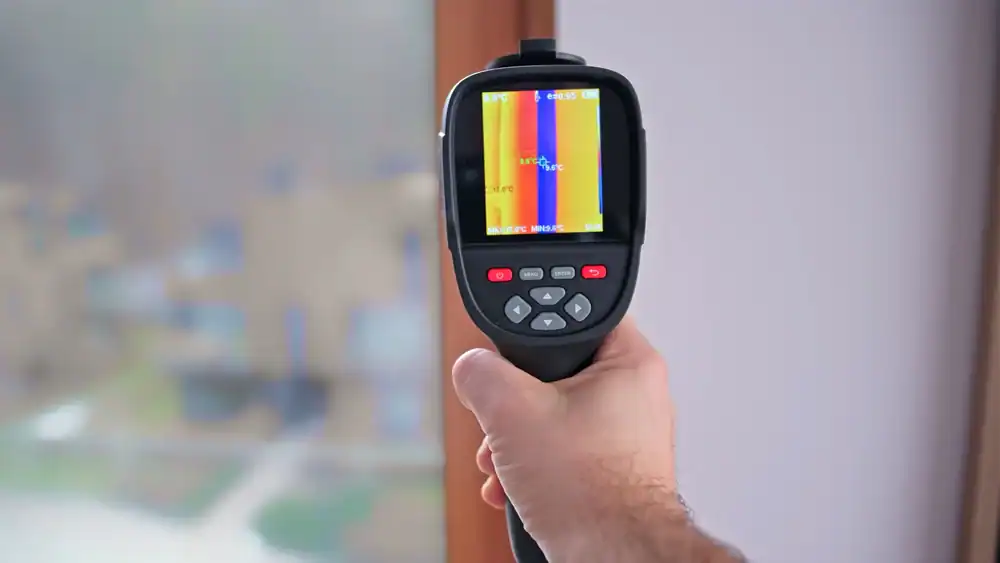
Most camera inspections in the area run between a few hundred dollars and close to a thousand, depending on how much line you need inspected and how complicated your system is. If your pipes are easily accessible and the run is short, you’re on the lower end. If we’re inspecting a long sewer line or dealing with multiple access points, the price goes up.
That said, the inspection almost always pays for itself. If it prevents even one unnecessary excavation or helps you avoid replacing pipe that’s still in good shape, you’ve already come out ahead. And if you’re buying a home or dealing with recurring backups, the inspection answers questions that could cost you thousands if you guess wrong.
We give free estimates, so you’ll know the cost upfront before we start any work.
Yes. The camera can spot cracks, separated joints, and corrosion that are letting water seep out or groundwater seep in, even if you haven’t noticed soggy spots in your yard yet. Those small leaks often go unnoticed until they turn into bigger issues—either because the pipe finally collapses or because you start seeing standing water and sewage odors around your property.
Catching leaks early gives you options. You might be able to reline a section of pipe or repair a joint without replacing the whole line. Wait until the leak causes a sinkhole or a backup, and you’re looking at emergency repairs with no time to compare options or plan around your budget.
In Head of the Harbor, where many properties are older and sit near the water, underground leaks can also affect your foundation or contaminate your soil. The camera inspection is a way to find those problems while they’re still manageable.
Drain cleaning clears a blockage so water flows again. A camera inspection shows you why the blockage happened and whether clearing it is enough or if there’s a bigger problem waiting to come back. You can snake a drain and get things moving, but if the real issue is a collapsed pipe or roots growing through a crack, that clog is coming back in a few weeks or months.
The camera tells you what you’re dealing with. If it’s just grease buildup or a simple obstruction, cleaning solves it. If it’s structural damage, you’ll know before you waste money on repeated cleanings that don’t last. A lot of times, we’ll do both—clean the line to restore flow, then run the camera to make sure there’s nothing else going on.
Think of it this way: drain cleaning is the fix. Camera inspection is the diagnosis. You don’t always need both, but if you’re having the same problem over and over, the camera is how you figure out why.
No. The camera is designed to travel through your existing pipes without causing any damage. It’s a small, flexible cable with a waterproof camera head, and it goes in through an access point that’s already part of your system—like a cleanout or a drain opening. There’s no digging, no cutting into pipes, and no disruption to your landscaping.
The whole process is non-invasive. We’re just looking. The camera doesn’t scrape, push, or force its way through—it follows the path of your pipes and sends back video as it goes. If there’s a complete blockage that the camera can’t pass, we’ll note that and discuss your options, but the inspection itself doesn’t create new problems.
That’s one of the main reasons to do a camera inspection before any major work. You get all the information without tearing up your property first. If repairs are needed, we already know exactly where to dig and what we’re fixing.
If your system is working fine and you’re not seeing any warning signs, you probably don’t need regular inspections. But if you’re buying a home in Head of the Harbor, dealing with slow drains or recurring backups, noticing foul odors, or your property has older pipes and mature trees nearby, an inspection makes sense now.
For preventive maintenance, some homeowners get an inspection every few years, especially if they’ve had root problems in the past or their system is getting up there in age. It’s a way to catch small issues before they become expensive emergencies. If your cesspool or septic system is over 20 years old, a camera inspection can show you how much life is left before you’re looking at a replacement.
After any major repair or cleaning, a follow-up inspection confirms the work was done right and the line is clear going forward. You’re not guessing or hoping—you’re seeing proof that the problem is actually solved.
It can show you the condition of your pipes leading to and from the cesspool, and it can inspect the interior of the tank itself in some cases. If your lines are collapsing, full of roots, or severely corroded, that’s a sign your system is failing. If the camera shows your pipes are still solid but you’re having capacity issues or your cesspool isn’t draining properly, that points to a different kind of problem—possibly soil saturation or a failed leaching system.
Since Suffolk County regulations changed in 2019, you can’t replace a failed cesspool with another cesspool. You have to upgrade to a septic system that meets current standards. A camera inspection won’t make that decision for you, but it gives you the information you need to understand what’s failing and why.
If your system is on its way out, you’ll see it in the footage. Cracks, separations, root intrusion, and structural damage all show up clearly. That documentation can also help if you’re applying for permits or dealing with the county on a required upgrade.
Other Services we provide in Head Of The Harbor