
Hear from Our Customers
You’re not looking at your cesspool system because everything seems fine. That’s exactly when small cracks, root intrusions, or partial blockages are quietly getting worse.
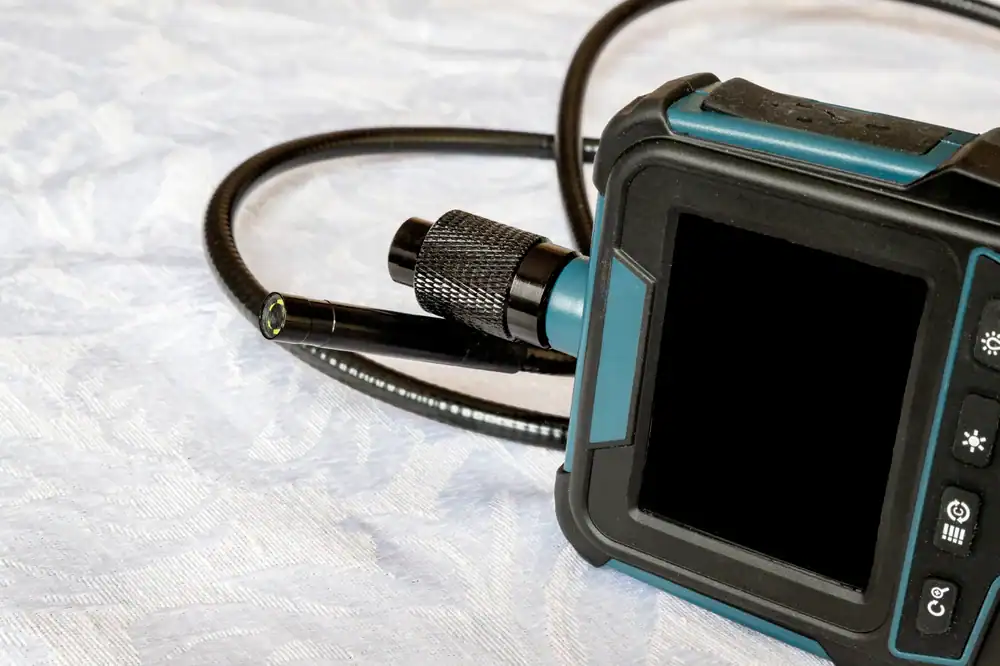
A sewer line video inspection shows you what’s actually happening down there. High-resolution cameras travel through your pipes and capture live footage of every inch. You see the same screen we do—cracks, clogs, corrosion, whatever’s there.
Most homeowners in Huntington Bay who schedule camera inspections do it for one of three reasons: they’re buying or selling a property and need documentation, they’ve had recurring backups and want to know why, or they’re being smart and checking things before a small issue becomes a full system replacement. The inspection itself takes one to three hours depending on your system size. You get digital footage and a detailed report within 24 hours.
This isn’t about selling you repairs you don’t need. It’s about showing you exactly what’s there so you can make an informed decision. Sometimes that means a quick fix now saves you from a massive excavation later. Sometimes it means your system is in great shape and you can stop worrying.
We’ve been handling cesspool and septic systems across Long Island for nearly two decades. Four generations of experience means we’ve seen what happens when systems are maintained and what happens when they’re ignored.
Huntington Bay’s sandy soils and fluctuating water table create specific challenges for cesspool systems. We know how these conditions affect your pipes, how quickly problems escalate here, and what actually needs attention versus what can wait. That local knowledge matters when you’re trying to figure out if you’re looking at a real problem or just normal wear.
We’re available 24/7 because cesspool emergencies don’t wait for business hours. But the whole point of camera inspections is catching things before they become emergencies.
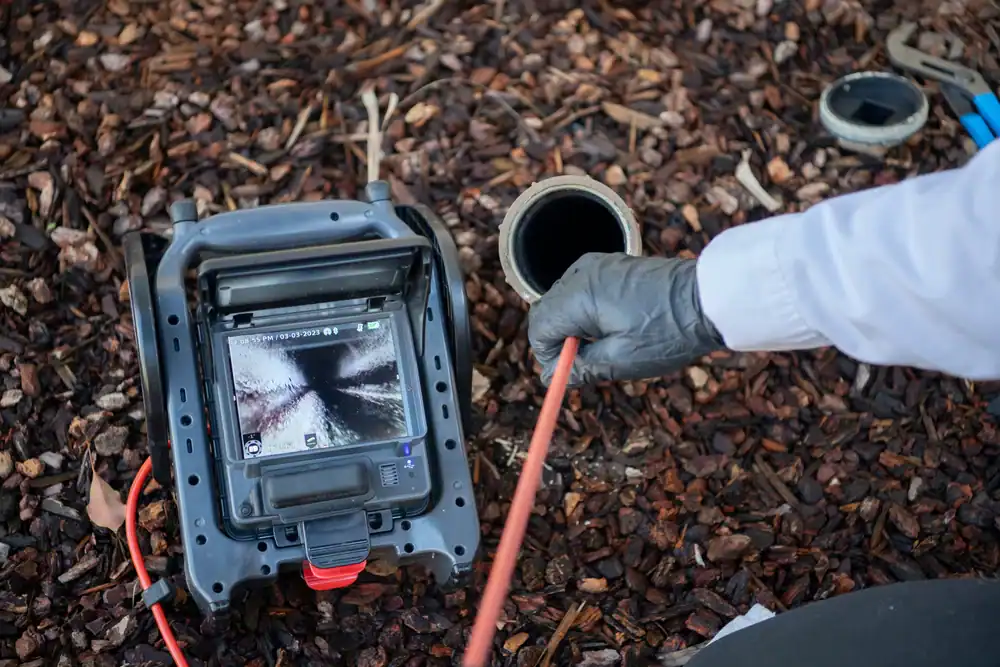
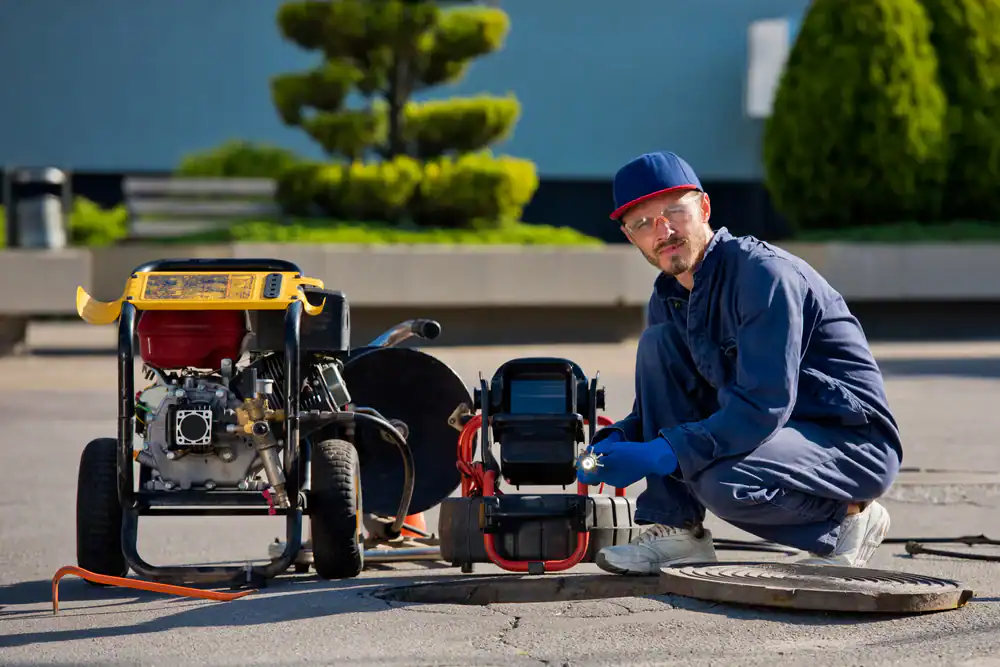
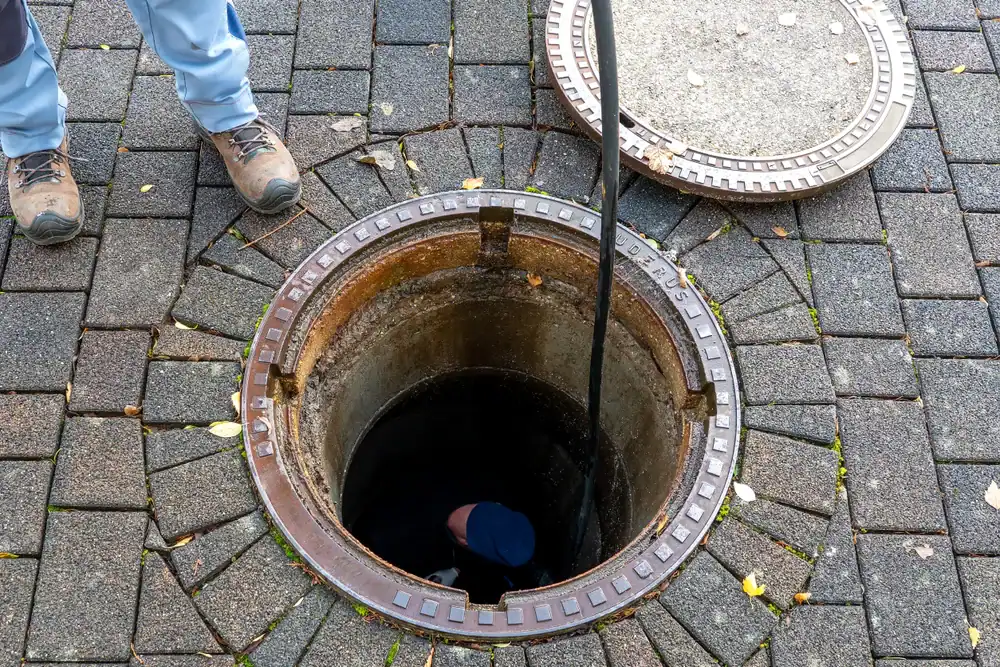
We start by accessing your system through existing cleanouts or access points—no digging required at this stage. A waterproof, high-definition camera attached to a flexible rod gets fed through your pipes. The camera has powerful LED lighting, so even in complete darkness, we’re capturing clear footage of your pipe’s interior.
You can watch the live feed with us if you want. We’re looking for cracks, root intrusions, blockages, corrosion, bellied pipes, or any separation in the joints. The camera records everything as it moves through the system, and we’re noting locations and conditions as we go.
Once we’ve inspected the full system, you get the recorded footage and a written report that explains what we found. If there are problems, we’ll tell you what they are, where they’re located, and what your options are for fixing them. If your system looks good, you’ll have documentation proving that—which is especially valuable if you’re in the middle of a real estate transaction.
The whole process typically takes one to three hours. Most homeowners are surprised by how non-invasive it is. No tearing up your yard, no guessing about what’s wrong, no unnecessary exploratory digging.
Ready to get started?
Your camera inspection includes the full video recording, not just a summary. You get digital footage showing the condition of your pipes, plus a detailed written report that identifies any issues we found and where exactly they’re located. If you need documentation for a mortgage lender or real estate closing, we can provide that directly to your bank.
In Huntington Bay, where properties often rely on older cesspool systems, this service catches problems that would otherwise stay hidden until they cause a backup or contamination issue. The sandy soil here means that when a cesspool fails, contamination spreads quickly. Camera inspections give you advance warning.
We also offer this service combined with our high-pressure jetting. That means we can show you the before and after—what your pipes looked like with buildup, then what they look like after a thorough cleaning. It’s proof the work was done right, and it gives you a baseline for future inspections.
If you’re buying a home in Huntington Bay, this inspection can save you from inheriting someone else’s deferred maintenance. If you’re selling, it gives buyers confidence and can speed up closing. If you’re just maintaining your property, it’s the difference between planned repairs and emergency calls.
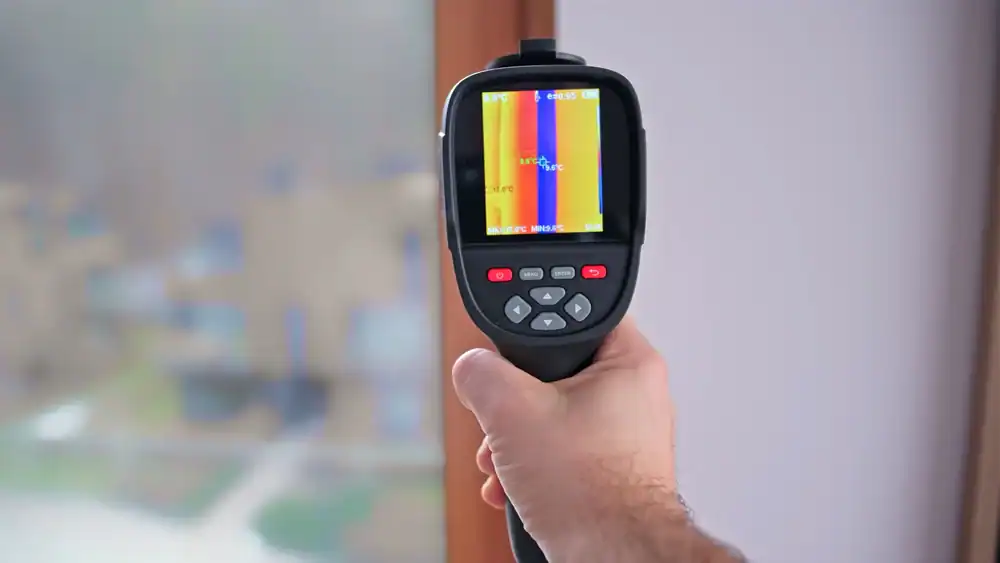
A camera inspection typically costs a few hundred dollars and takes a few hours. Exploratory digging to find a problem costs thousands and tears up your property.
Here’s the real cost difference: if you’re experiencing slow drains or occasional backups, you could guess at the problem and start digging in the wrong spot. Or you could spend a fraction of that amount on a camera inspection that shows you exactly where the issue is and what’s causing it. The inspection pays for itself by eliminating wasted labor and unnecessary excavation.
If the camera finds a problem that needs repair, you’re still ahead because now you know precisely where to dig and what needs fixing. If it finds that your system is fine and the issue is something simpler, you just saved yourself from a major expense. Either way, you’re making decisions based on actual evidence instead of guesswork.
The camera catches cracks in pipes, root intrusions, blockages, corrosion, separated joints, bellied sections where pipes have sunk, and buildup that’s restricting flow. Basically anything that’s affecting how your system functions.
Root intrusions are common in Huntington Bay, especially if you have mature trees near your sewer lines. Roots seek out moisture and can infiltrate even small cracks, then grow and cause major blockages. The camera shows exactly where roots have entered and how extensive the intrusion is.
Cracks and separations happen over time as soil shifts or pipes age. In areas with sandy soil and fluctuating water tables like Huntington Bay, this movement is common. The camera identifies these structural issues before they cause a complete failure. You’ll also see any corrosion or deterioration in older pipes, which helps you plan for replacement before you’re dealing with an emergency.
If the house has a cesspool or septic system, yes. Many mortgage lenders require documented proof that the system is functional before they’ll approve financing.
A camera inspection gives you and your lender visual evidence of the system’s condition. You’re not taking the seller’s word that everything works—you’re seeing inside the pipes yourself. This protects you from buying a property that needs a $15,000 to $30,000 system replacement right after closing.
In Huntington Bay’s real estate market, sellers who provide camera inspection documentation upfront often close faster because there’s no back-and-forth about system condition. As a buyer, requesting this inspection during your due diligence period is standard practice. It’s one of the few ways to actually verify what you’re getting before you commit to the purchase. If the inspection reveals problems, you have leverage to negotiate repairs or price adjustments before closing.
Most homeowners benefit from camera inspections every three to five years as part of routine maintenance. If you have large trees near your sewer lines, every two years makes more sense because root intrusion happens faster.
The inspection frequency also depends on what you find. If your first camera inspection shows early signs of root intrusion or minor cracks, you’ll want to check again sooner to monitor progression. If everything looks solid, you can space inspections further apart.
Think of it like any other home system—you don’t wait until your HVAC completely fails to have it serviced. The same logic applies to your cesspool. Regular camera inspections catch problems while they’re still manageable and inexpensive to fix. In Huntington Bay, where cesspool systems handle all your wastewater and failures can contaminate groundwater quickly, staying ahead of problems isn’t just about saving money—it’s about protecting your property and the local environment.
You get a clear explanation of what’s wrong, where it’s located, and what your options are for fixing it. No pressure, no inflated estimates—just straightforward information so you can decide what makes sense.
Sometimes a serious problem means you need a section of pipe replaced or a specific repair done. Sometimes it means your system is near the end of its lifespan and replacement makes more sense than ongoing repairs. The camera footage gives you proof of the problem, which is useful if you need to get multiple quotes or if you’re dealing with insurance or real estate issues.
The advantage of finding serious problems through a camera inspection is that you’re finding them on your terms, not during a sewage backup emergency. You have time to get estimates, plan the work, and budget for it. That $15,000 emergency repair we mentioned earlier? When you catch it early through a camera inspection, it might only be a $2,500 planned repair. The difference is having information before the crisis hits.
Yes. We bring screens on-site so you can watch the live feed as the camera moves through your pipes. Most homeowners want to see what we’re seeing, especially if they’ve been dealing with recurring problems.
Watching the inspection happen in real time means you understand exactly what’s going on in your system. When we point out a crack or root intrusion or blockage, you’re seeing it yourself—not just taking our word for it. That transparency matters when you’re making decisions about repairs.
You also get the full recorded footage and a written report after the inspection. Some homeowners share this documentation with contractors when getting repair quotes. Others keep it for their records or provide it to buyers if they sell the property. Either way, you have proof of your system’s condition at the time of inspection, which is valuable for planning maintenance or demonstrating that you’ve kept up with your property.
Other Services we provide in Huntington Bay