
Hear from Our Customers
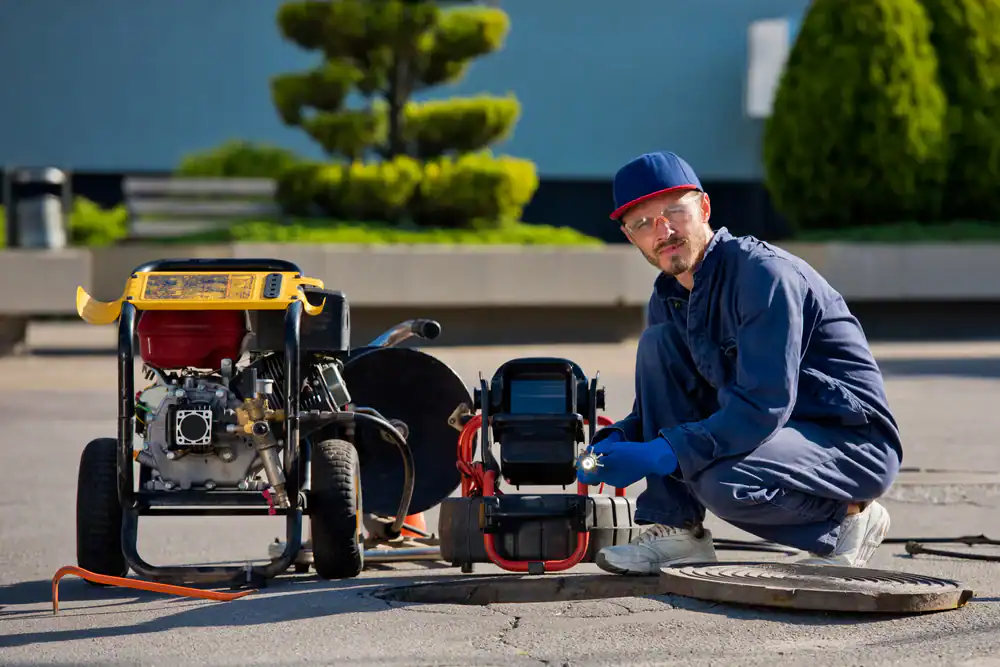
Most plumbing companies show up and start digging. They’re hoping they’ll find the problem somewhere under your driveway or lawn. You’re left with torn-up landscaping, a hefty restoration bill, and repairs that may or may not have been necessary.
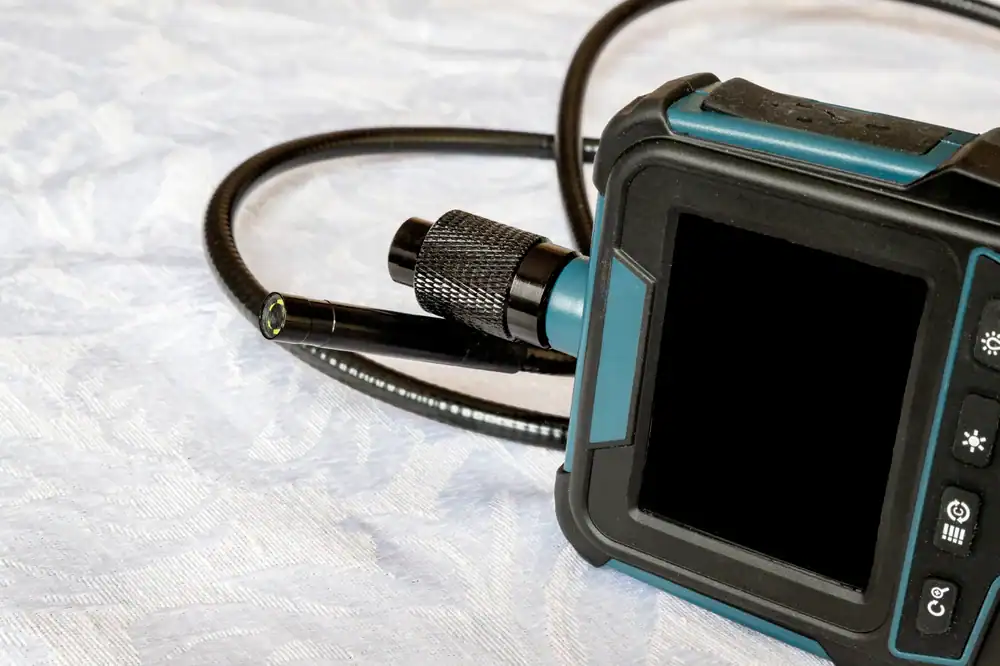
A sewer line video inspection changes that. You get a high-definition camera feed that travels through your pipes and shows you—in real time—what’s blocking flow, where roots are breaking through, or if your cesspool lines are collapsing. No guesswork. No unnecessary excavation.
The camera records everything and maps the exact GPS location of any issue it finds. That means repairs happen precisely where they’re needed. Your yard stays intact. Your costs stay reasonable. And you’re not paying someone to dig exploratory holes hoping to stumble onto the problem.
We’ve been handling cesspool and septic systems in Huntington Station for over a decade, backed by four generations of family experience. We’re not a national franchise or a plumbing company that does a little bit of everything—we specialize in cesspools, and we know Suffolk County soil conditions, common pipe problems, and what actually works here.
More than 360,000 homes in Suffolk County rely on cesspools or septic systems. Most of those systems are aging, and surface-level inspections miss the problems brewing underground. We use camera technology to catch those issues early, when they’re still manageable and affordable to fix.
Licensed, insured, and available when you need us—including emergencies. You’re working with people who’ve seen thousands of cesspool systems and know how to read what the camera shows.
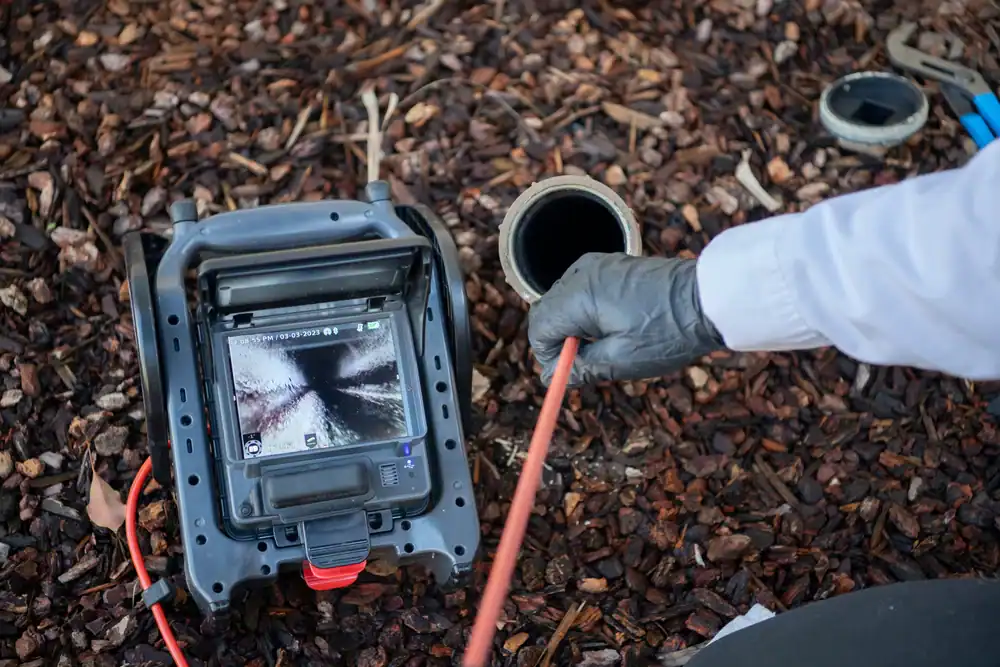
We start with an access point—usually a cleanout or an existing opening in your system. From there, a flexible camera on a rod travels through your pipes. The camera handles bends, turns, and pipes ranging from 2 inches to 36 inches in diameter, and it can extend up to 300 feet to cover your entire private sewer line.
You watch the feed with us on a monitor as the camera moves through. We’ll explain what you’re seeing: whether that’s normal buildup, tree root intrusion, cracks, bellied sections where water pools, or full blockages. The footage is recorded, and every problem gets tagged with its exact location using GPS coordinates.
Once the inspection wraps, you get a written report with video documentation. If repairs are needed, you’ll know exactly where to dig and what needs fixing. If your system is clear, you’ve got proof of that too—useful for insurance claims, real estate transactions, or just knowing your property is in good shape.
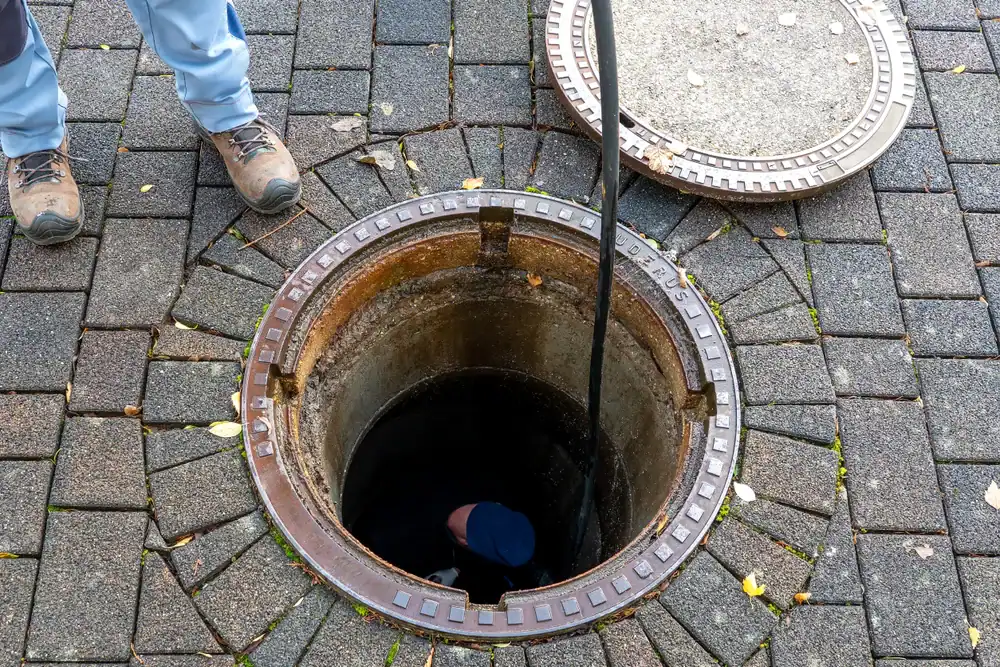
The whole process is non-invasive. Your landscaping stays untouched. There’s no trenching, no exploratory digging, and no damage to restore afterward.
Ready to get started?
You’re paying for clarity. The inspection typically costs between $200 and $400, depending on the scope. That’s a fraction of what you’d spend on unnecessary excavation or emergency repairs that could’ve been prevented.
Here’s what’s included: a full video recording of your pipe’s interior, real-time clog detection, a detailed assessment of pipe condition, and digital footage with reporting that shows exactly where problems are located. If tree roots are cracking your lines, you’ll see them. If there’s a belly in the pipe where waste is pooling, the camera catches it. If your cesspool is failing or your lines are collapsing, you’ll have documentation before it becomes a sewage backup in your basement.
In Huntington Station and across Suffolk County, aging infrastructure is common. Many homes were built decades ago, and the pipes underground weren’t designed to last forever. A camera inspection is one of the most cost-effective ways to stay ahead of expensive failures. It’s especially critical if you’re buying a home—sewer line replacement can cost $8,000 to $25,000, and most home inspections don’t include a camera look at what’s underground.
Insurance companies accept video documentation for claims. Mortgage lenders often require cesspool inspections before approving loans on properties with on-site waste systems. And if you’re dealing with slow drains, recurring backups, or foul odors, the camera will show you why.
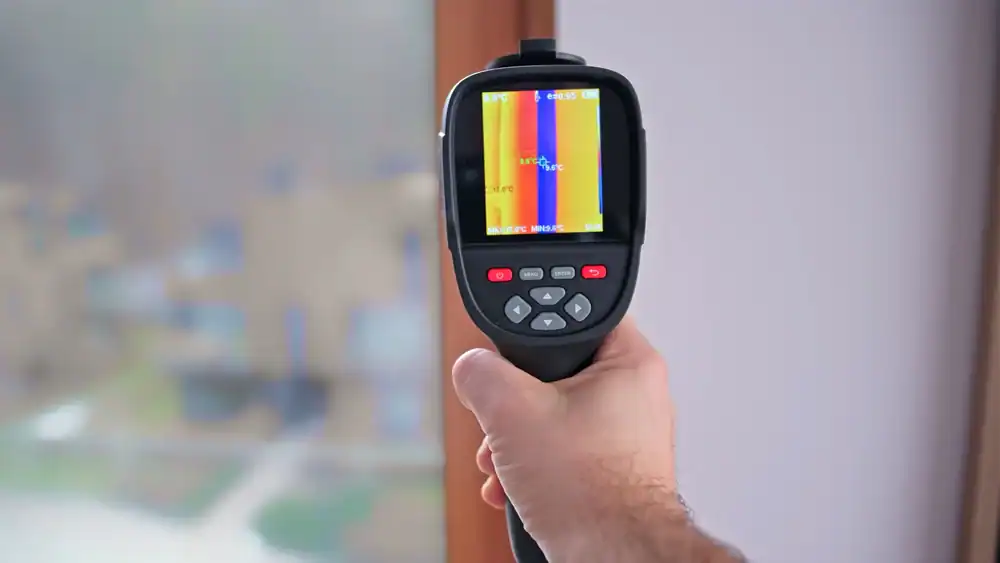
Most residential camera inspections in Huntington Station run between $200 and $400. The price depends on how much of your system needs to be inspected and how accessible your pipes are.
That cost often saves you thousands. Without a camera, plumbers are guessing where the problem is—which usually means digging multiple holes, damaging your property, and billing you for labor and restoration. A camera pinpoints the issue in one pass, so repairs are targeted and efficient.
If you’re buying a home, the inspection cost is minimal compared to the risk. Replacing a failed sewer line can cost $8,000 to $25,000. Spending a few hundred dollars upfront to know what you’re getting into is a straightforward decision.
A sewer camera shows you the interior condition of your pipes in real time. It detects blockages—whether that’s grease buildup, foreign objects, or collapsed sections. It catches tree root intrusion, which is one of the most common causes of line failure in Suffolk County.
The camera also identifies cracks, corrosion, and bellied pipes where sections have settled and are pooling water. If your cesspool is failing or your lines are separating at the joints, you’ll see it on the video feed.
You’re not relying on someone’s best guess. The footage is recorded, and problem areas are marked with GPS coordinates so repairs happen exactly where they’re needed. It’s documentation you can use for insurance claims, real estate negotiations, or just planning your next steps.
No. The camera enters your system through an existing access point—usually a cleanout or another opening that’s already part of your plumbing. There’s no digging required for the inspection itself.
The camera is on a flexible rod that navigates bends and turns inside your pipes. It’s designed to move through your system without causing damage to the lines or your property. Your driveway, lawn, and landscaping stay untouched.
If the inspection finds a problem that needs repair, you’ll know exactly where to dig—so even then, the work is targeted and minimal. Compare that to traditional methods where crews dig exploratory trenches hoping to find the issue. A camera inspection eliminates that guesswork and the property damage that comes with it.
Most residential inspections take between 30 minutes and two hours, depending on the length of your sewer line and how much of the system you need inspected. If your pipes are clear and accessible, it’s faster. If there are blockages or complex layouts, it takes a bit longer.
You’re welcome to watch the process. We’ll show you the live video feed and explain what we’re seeing as the camera moves through your pipes. That real-time walkthrough helps you understand what’s happening underground and why certain repairs might be necessary.
Once the inspection is done, you’ll get a written report with video documentation and GPS-tagged locations for any issues. The whole process is efficient, and you’re not left waiting days for results.
If the property has a cesspool or septic system, yes. Most standard home inspections don’t include a detailed look at what’s happening underground. A camera inspection shows you the actual condition of the sewer lines before you close on the property.
Sewer line replacement costs between $8,000 and $25,000. If the system is failing and you don’t know it, you’re inheriting a major expense. A camera inspection for a few hundred dollars gives you leverage in negotiations or lets you walk away from a bad deal.
Mortgage lenders often require cesspool inspections before approving loans on properties with on-site waste systems. Even if it’s not required, it’s one of the smartest steps you can take as a buyer. You’re getting documentation of what you’re actually purchasing, not just hoping the pipes hold up after you move in.
Yes. Catching problems early is the entire point. A small crack or root intrusion that shows up on a camera inspection might cost $2,500 to fix now. Ignore it, and that same issue can turn into a full system failure that costs $15,000 or more in emergency repairs, excavation, and property restoration.
Camera inspections are especially useful if you’re noticing warning signs—slow drains, gurgling sounds, foul odors, or wet spots in your yard. Those symptoms usually mean something’s wrong underground, and a camera will show you exactly what it is before it becomes a crisis.
Even if you’re not seeing problems, periodic inspections are smart maintenance for older systems. Suffolk County has a lot of aging infrastructure, and many cesspool systems are operating on borrowed time. A camera gives you a clear picture of where your system stands, so you can plan repairs on your timeline instead of dealing with an emergency in the middle of the night.
Other Services we provide in Huntington Station