
Hear from Our Customers
You can’t fix what you can’t see. And when it comes to your cesspool or sewer lines, what you can’t see could be costing you more than you think.
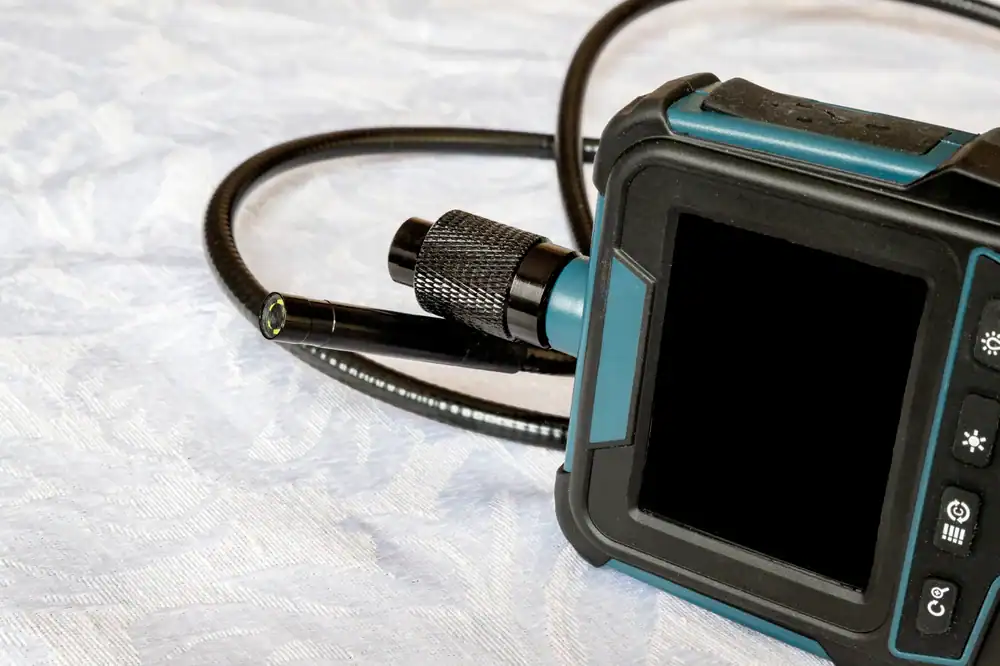
A sewer line video inspection gives you real-time footage of what’s happening inside your pipes. We’re talking about actual visual proof of clogs, cracks, root intrusion, or deterioration—not guesswork based on symptoms. The camera travels through your lines and transmits live video to a monitor, so you see exactly what we see.
This matters because it eliminates unnecessary excavation. Instead of digging up half your yard hoping to find the problem, we pinpoint the exact location and nature of the issue. That means targeted repairs, lower costs, and less disruption to your property. For Fire Island homeowners in Lonelyville, where access is already limited and every square foot of your yard matters, this approach saves time and money.
The footage also gets saved. So if you’re selling your home, refinancing, or just want documentation for your records, you have digital proof of your system’s condition.
We’ve been handling cesspool and septic services across Fire Island for years. We understand how the sandy soil and high water table in Lonelyville affect your system differently than mainland properties.
We’re not just dropping a camera down a pipe and calling it done. We know what to look for in Fire Island systems—the seasonal stress from summer rentals, the corrosion from salt air, the unique drainage challenges that come with barrier island living. Our team carries equipment that fits the access constraints common here, whether your tank is under a deck or in a tight corner of your property.
When we inspect your system, we’re looking at it through the lens of local conditions. That context matters when we’re making recommendations about repairs, replacements, or maintenance schedules.
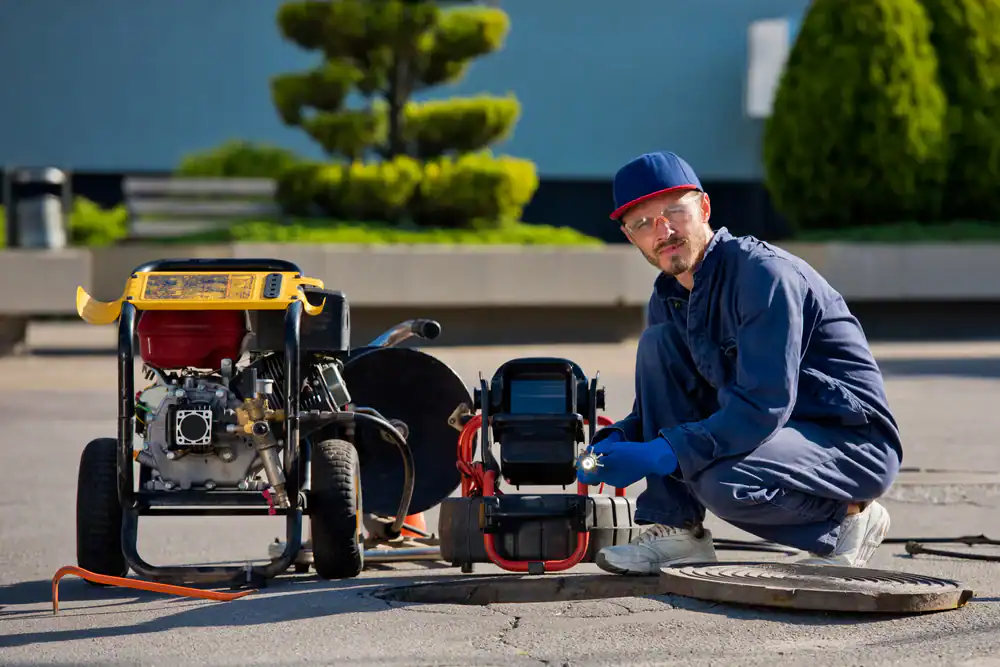
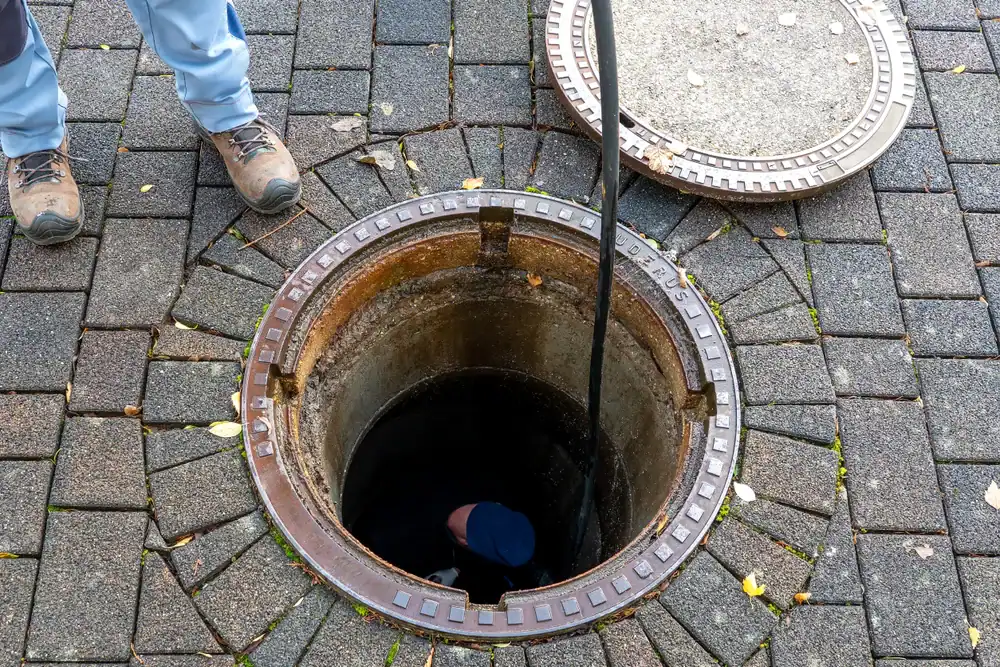
We start by locating your access points—usually your cleanout or septic tank opening. Our cameras are flexible enough to navigate through pipes from 2 inches to 36 inches in diameter, and they can extend up to 300 feet to cover your entire private sewer line.
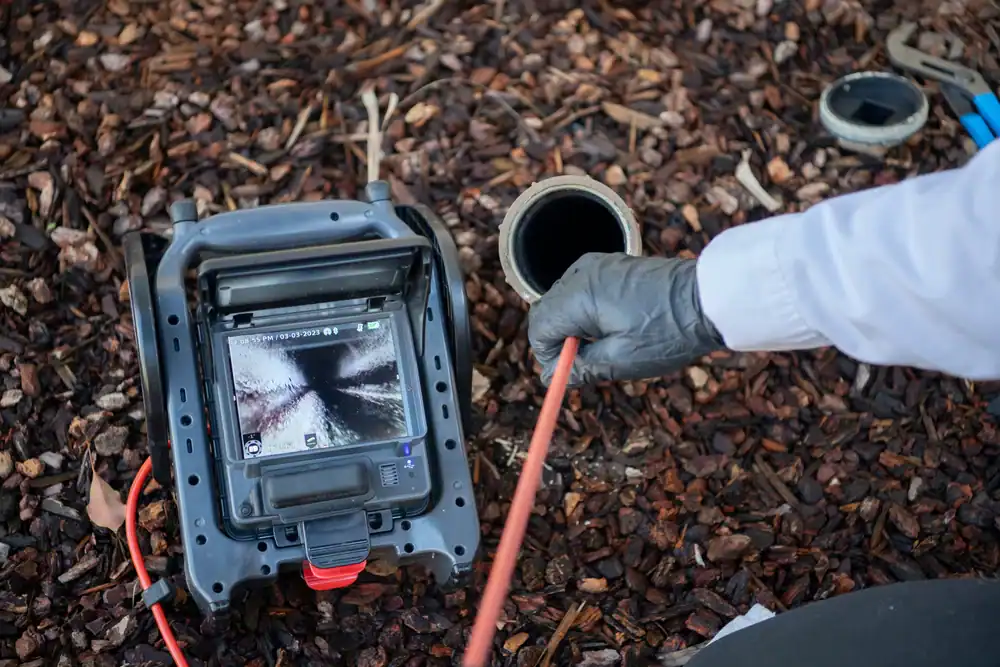
As the camera moves through your system, it transmits real-time footage to a monitor. You’re welcome to watch alongside us. We’re looking for blockages, cracks, root intrusion, pipe misalignment, corrosion, or any structural issues that could cause problems down the line.
The camera head includes a radio transmitter that records the depth and physical location of any defect or obstruction. This means if we find a crack 47 feet from your house, we know exactly where to dig—no guesswork, no exploratory excavation across your entire yard.
After the inspection, we walk you through what we found. If there’s an issue, we explain what it means, what your options are, and what happens if you wait versus addressing it now. The digital footage gets saved and provided to you for your records or to share with lenders, buyers, or insurance companies if needed.
Ready to get started?
Our camera inspection covers your entire private sewer line—from your indoor plumbing connections to where your lines meet the municipal system or your cesspool. We’re checking for real-time clog detection, structural damage, and anything that could compromise your system’s function.
In Lonelyville specifically, we pay close attention to how Fire Island’s environmental conditions affect your pipes. The sandy soil drains quickly, which is good for some things but means less natural filtration before wastewater reaches groundwater. We’re also looking at how seasonal use patterns—heavy summer traffic followed by off-season dormancy—impact your system’s wear and tear.
You get digital footage and reporting that documents everything we find. This isn’t just useful for your own peace of mind. If you’re in the middle of a real estate transaction, mortgage lenders typically require video documentation for properties with on-site waste management systems. We can supply this documentation directly to financial institutions, which keeps your closing on track.
Suffolk County now requires septic system inspections every three years. Miss that deadline and you’re looking at fines plus emergency compliance costs. Our camera inspection satisfies that requirement while also giving you actionable information about your system’s actual condition—not just a pass/fail checkbox.
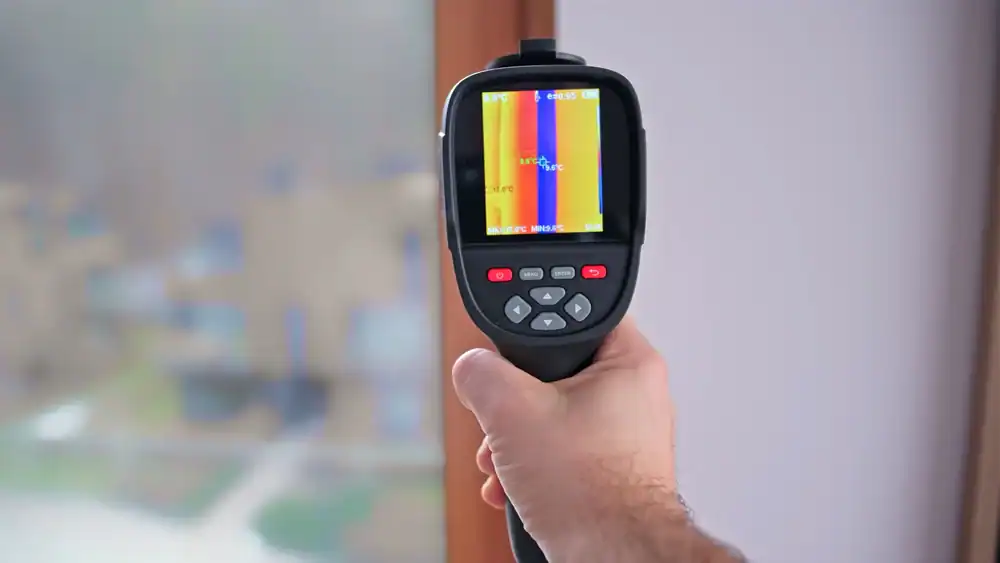
Most residential camera inspections in Suffolk County run between $200 and $400, depending on your pipe system’s length and how easy it is to access. For Fire Island properties, access can sometimes add complexity—if your cleanout is buried or your tank is in a tight spot, that affects the time involved.
But here’s the thing: that $200-$400 investment often saves you thousands. Without a camera, diagnosing a sewer problem usually means educated guessing followed by exploratory digging. You might dig up three different sections of your yard before finding the actual problem. With a camera, we know exactly where the issue is before anyone picks up a shovel.
If you’re buying or selling a home, the inspection often pays for itself by preventing deal-killing surprises or satisfying lender requirements upfront. And if you’re just being proactive about maintenance, catching a small crack now beats dealing with a full system failure later.
A camera inspection reveals clogs, root intrusion, cracks, pipe misalignment, corrosion, collapsed sections, and buildup on pipe walls. Basically anything that’s blocking flow or compromising your pipe’s structural integrity shows up on the footage.
Root intrusion is common in older systems—tree roots seek out moisture and can infiltrate through joints or small cracks, then expand and cause major blockages. Corrosion and deterioration happen over time, especially in Fire Island’s salt air environment. Sometimes pipes settle or shift in the sandy soil, creating misalignments where waste can’t flow properly.
We also catch issues that aren’t causing problems yet but will soon. A small crack might not be backing up sewage into your house today, but it’s letting groundwater seep in and will likely worsen. Finding it now gives you the option to address it on your timeline instead of during an emergency at peak summer rental season.
If your Lonelyville property has a cesspool or septic system, yes—you’ll almost certainly need documentation of its condition. Mortgage lenders typically require inspections for properties with on-site waste management systems before approving loans. Suffolk County also requires septic certifications as part of property sales.
Getting the inspection done early in the sales process is smarter than waiting. If the camera finds an issue, you have time to address it or adjust your pricing accordingly. If a problem surfaces during the buyer’s inspection period, you’re negotiating from a weaker position and potentially delaying closing.
The inspection also protects you from liability. If you sell a home without disclosing a known sewer issue and the new owner discovers it later, that’s a legal headache you don’t want. Having current video documentation shows you did your due diligence and disclosed the system’s actual condition.
Suffolk County requires septic system inspections every three years, so that’s your legal minimum. But the right frequency for camera inspections depends on your system’s age, condition, and how you use your property.
If you have an older system—say 20+ years—or you’ve had recurring clogs or slow drains, annual inspections make sense. You’re catching small problems before they become expensive emergencies. If you rent your property during summer months and it sits empty the rest of the year, that seasonal use pattern can stress your system in ways that benefit from regular monitoring.
For newer systems without any symptoms, every three to five years is usually sufficient unless you’re approaching a real estate transaction. The key is not waiting until you have sewage backing up into your house. At that point, you’re in emergency mode and your options are limited. Regular inspections let you plan repairs during the off-season when scheduling and costs work in your favor.
Yes. That’s the entire point of camera inspection—diagnosing problems without excavation. The camera enters through existing access points like your cleanout or septic tank opening, then travels through your pipes to assess their condition from the inside.
We only dig if the inspection reveals a problem that requires physical repair. And even then, we’re digging in one specific spot because we know exactly where the issue is located. Compare that to traditional methods where you’re essentially digging blind, hoping to find the problem somewhere along your sewer line.
For Fire Island properties where yard space is limited and landscaping is expensive to restore, this non-invasive approach matters even more. You’re not destroying your deck access or tearing up the path to your house just to figure out what’s wrong. The camera gives us answers first, then we make surgical repairs only where needed.
We walk you through exactly what we found, where it’s located, and what your options are. The footage is right there on the monitor, so you’re seeing the same thing we’re seeing—no mystery, no overselling.
If it’s a blockage, we can often clear it immediately or schedule hydro jetting to remove buildup. If it’s a structural issue like a crack or root intrusion, we explain whether it needs immediate repair or if you can monitor it for now. We also give you a realistic picture of what happens if you wait—some problems get worse quickly, others stay stable for years.
You get the digital footage and a written report documenting everything. Use that to get a second opinion if you want, or to plan repairs on your timeline. If you’re in the middle of a real estate transaction, we can work with your timeline and provide documentation to all parties. The goal is giving you enough information to make the right decision for your situation, not pressuring you into emergency repairs you might not actually need yet.
Other Services we provide in Lonelyville