
Hear from Our Customers
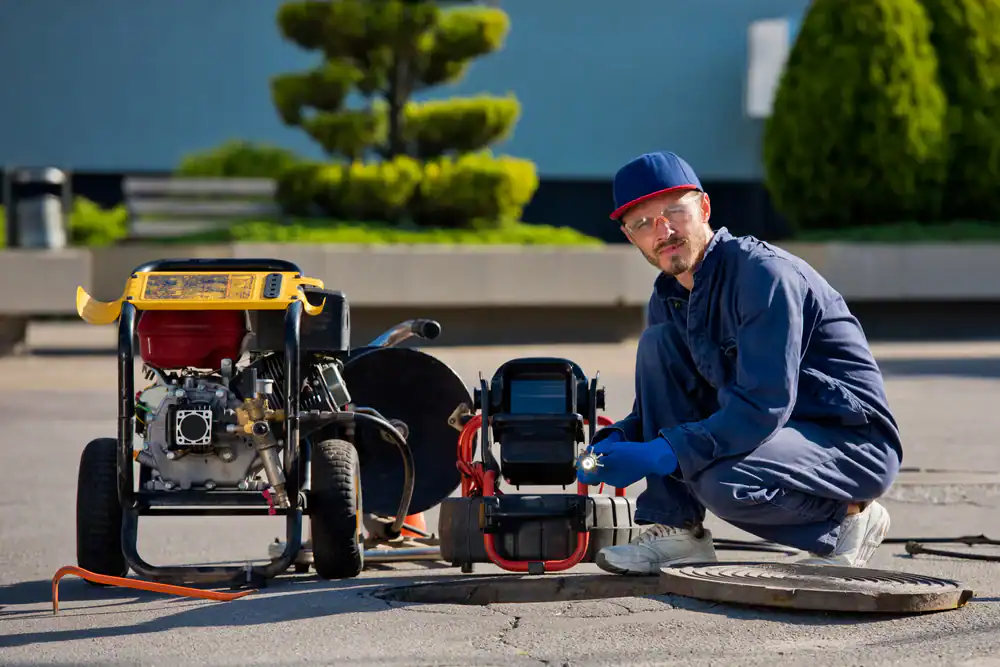
You’re not throwing money at a problem you can’t see anymore. A camera inspection gives you real-time clog detection and a clear view of what’s blocking your drains, cracking your pipes, or causing that backup you’ve been dealing with for weeks.
The footage doesn’t lie. You’ll see roots growing through joints, grease buildup narrowing your line, or a collapsed section that’s been the source of every slow drain in your house. That means you’re making decisions based on facts, not hunches.
And when it’s time to fix something, you know exactly where the problem is. No trial-and-error repairs. No digging up half your yard hoping to find the issue. Just a targeted fix that actually solves the problem.
We’ve been serving Suffolk County homeowners for years, and we’ve seen just about every pipe problem Long Island soil and water tables can throw at a system. North Bay Shore properties—especially the older ones—come with their own set of challenges, and we know how to read them.
We’re licensed, insured, and equipped with the camera technology that actually works in tight lines and deep systems. You’re not getting a crew that’s learning on your property. You’re getting technicians who’ve inspected thousands of feet of pipe and know what they’re looking at when they see it.
We show up when we say we will. We explain what we find in plain terms. And we don’t sell you work you don’t need.
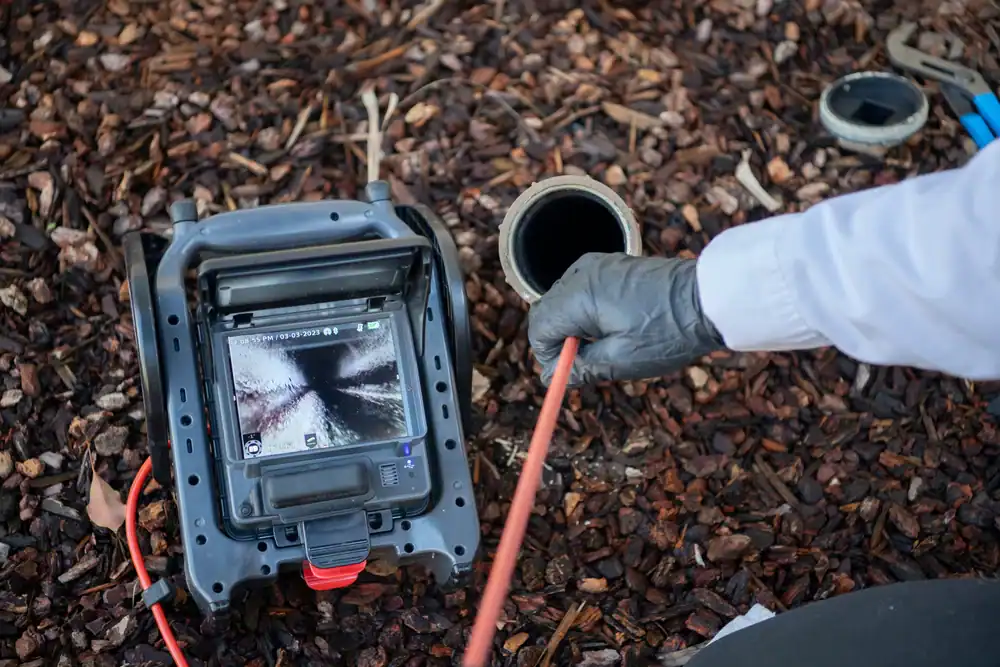
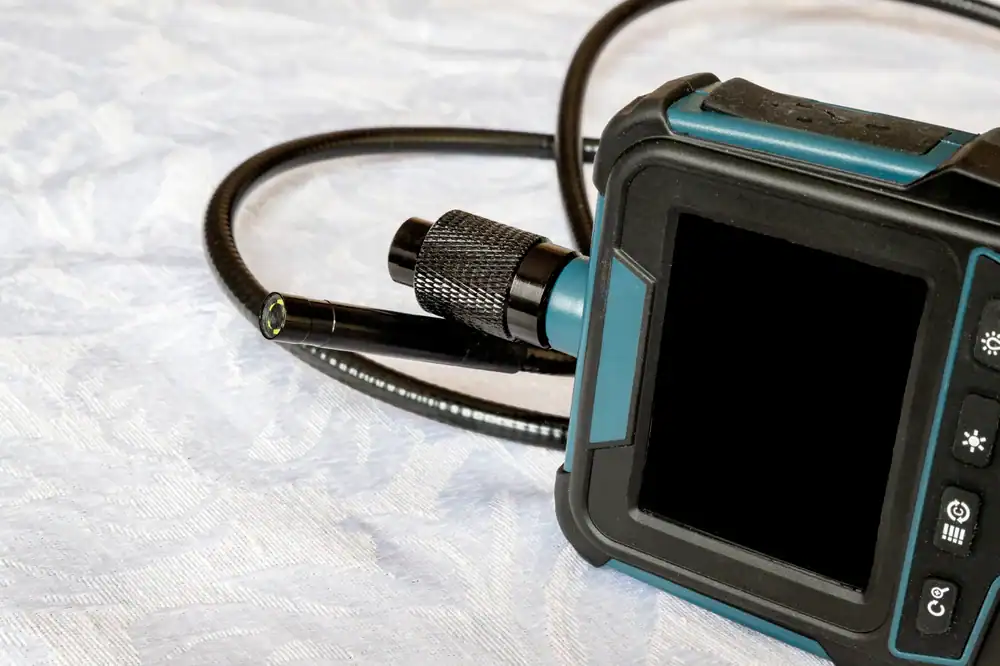
We start by locating your cleanout or access point—usually near the foundation or out in the yard. From there, we feed a flexible camera line into your sewer or drain system. The camera head has its own light source and sends live footage back to a monitor we can both watch.
As the camera moves through your pipes, we’re looking for cracks, offsets, root intrusion, grease buildup, bellied sections, or anything else that’s affecting flow. We can see the pipe material, measure the diameter, and pinpoint exactly where problems are located using the camera’s locator signal.
The whole process is non-invasive. No digging unless we find something that actually needs repair. And you get digital footage and reporting that documents everything we saw, so you have a permanent record of your system’s condition. That’s useful for your own records, for real estate transactions, or if you need to file an insurance claim down the road.
Ready to get started?
You’re getting more than just a camera run. You’re getting a full pipe condition assessment that covers the entire accessible length of your system—from your house connection out to your cesspool or septic tank. We document every section, every joint, and every potential problem area.
The footage is recorded and provided to you digitally. That means you can review it yourself, share it with contractors if you’re getting quotes, or keep it for future reference. We also walk you through what we found in real time, so you’re not left wondering what you’re looking at.
In North Bay Shore, where many homes were built decades ago and sit on high water tables, this kind of inspection is especially valuable. Older clay or cast iron pipes are prone to root intrusion and corrosion. Cesspools can develop cracks or inlet issues that aren’t obvious from the surface. A camera inspection catches these problems before they turn into full system failures that cost thousands to emergency-repair.
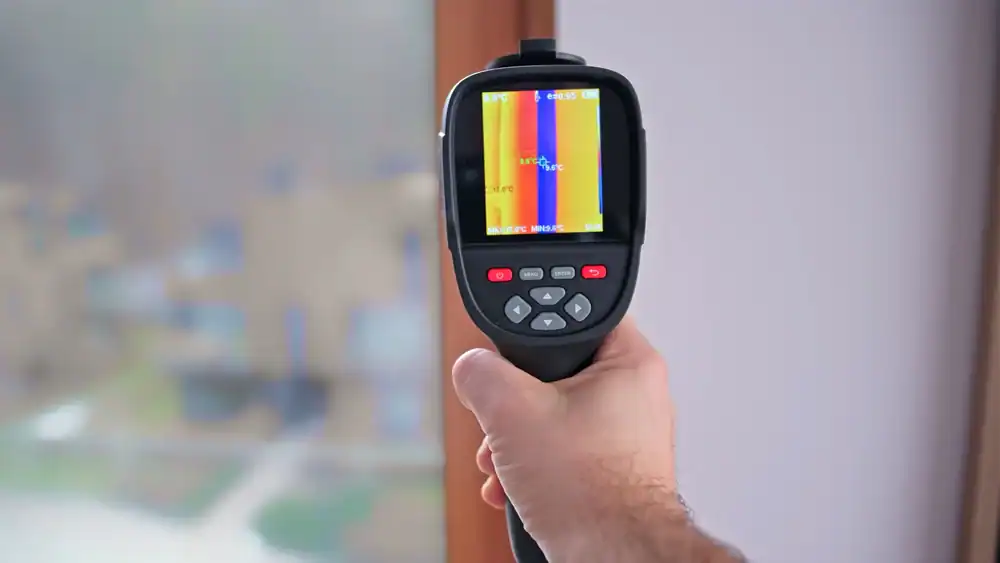
Most residential camera inspections run between $300 and $600 depending on the length of the line, accessibility, and how many access points need to be used. If your system is straightforward and we can access everything from one cleanout, you’re on the lower end. If we need to navigate multiple lines or deal with difficult access, it takes longer and costs a bit more.
You’re paying for the equipment, the expertise to interpret what the camera shows, and the documentation you get afterward. That’s a lot cheaper than guessing at a problem and paying for repairs that don’t fix anything.
We give you an upfront quote before we start. No surprises.
The camera shows the interior condition of your pipes in real time. You’ll see cracks, separations at joints, root intrusion, grease or scale buildup, bellied sections where the pipe has sagged, and any foreign objects causing blockages.
We can also identify the pipe material—whether it’s clay, cast iron, PVC, or Orangeburg—and measure the diameter. The camera’s depth counter tells us exactly how far into the system we are, so if we find a problem, we know its precise location from the entry point.
What the camera can’t do is see through water if your line is completely flooded, or navigate past a total blockage. In those cases, we may need to clear the line first, then run the camera to assess the underlying condition.
If the house has a cesspool or septic system, yes. You want to know what you’re buying before you own it.
A standard home inspection doesn’t usually include a sewer line video inspection. The inspector might flush toilets and run water, but they’re not looking inside the pipes or checking the condition of your underground system. That means you could be inheriting a system that’s one heavy rain away from failure.
A camera inspection shows you if there are roots in the line, if the pipe is cracked or collapsed, if the cesspool inlet is damaged, or if there’s any other issue that’s going to cost you money after closing. It’s a small investment compared to discovering a $10,000 problem three months after you move in.
Most residential inspections take between 45 minutes and two hours. It depends on how much line we’re inspecting, how many bends or obstacles we encounter, and whether we need to access multiple points.
If your system is straightforward—one main line from the house to the cesspool—we’re usually done in under an hour. If you’ve got a more complex setup with multiple branch lines or difficult access, it takes longer.
We’re not rushing through it. The whole point is to get a thorough look at your system, and that means taking the time to inspect every section carefully and document what we find.
Yes. The camera shows us where the leak or crack is inside the pipe, and the camera’s locator signal lets us pinpoint that spot from above ground. We can mark the exact location so if you need to excavate for a repair, you’re digging in the right place the first time.
That’s a huge advantage over the old method of digging exploratory holes until you find the problem. You’re saving time, money, and your landscaping.
Locating underground pipe leaks accurately means you’re only exposing the damaged section. The rest of your yard stays intact, and the repair is faster and less expensive.
We show you exactly what we found and explain what it means for your system. If it’s a minor issue—like some early root intrusion that can be cleared—we’ll tell you that. If it’s more serious—like a collapsed section that needs replacement—we’ll tell you that too.
You get the footage and a written report, so you’re not relying on memory or a verbal explanation. You can take that documentation to other contractors if you want additional quotes, or you can have us handle the repair.
Either way, you’re making an informed decision based on what’s actually happening in your pipes, not what someone thinks might be wrong.
Other Services we provide in North Bay Shore