
Hear from Our Customers
You don’t need another estimate based on assumptions. You need to see what’s actually blocking your line, where the crack is forming, or whether that slow drain is about to become a basement full of sewage.
A sewer line video inspection puts a fiber-optic camera into your pipes and shows you the problem in real time. No digging up your yard to find out what’s wrong. No paying for repairs you don’t actually need.
If you’re buying or selling a home in North Lindenhurst, mortgage lenders won’t accept inspections older than six months. That’s not bureaucracy—that’s because things change fast underground. A small crack becomes a collapse. A partial clog becomes a backup. The camera catches it while it’s still fixable.
You get digital footage and a written report within 24 hours. Everything’s explained in plain language, not plumber-speak. You’ll know what needs fixing now, what can wait, and what’s fine as-is.
We’ve been doing pipe condition assessments in North Lindenhurst since before most companies were offering camera inspections at all. We’re not a national franchise reading from a script. We know what fails in Suffolk County homes and why.
About 75% of properties here use septic systems. That means your wastewater isn’t going to a treatment plant—it’s going into the ground that sits above Long Island’s only drinking water source. When something goes wrong, it’s not just your problem. It’s an environmental issue and a property value issue.
We’re licensed, insured, and we’ve seen thousands of systems in this area. You’re not getting a sales pitch. You’re getting an honest assessment from people who actually know what they’re looking at.
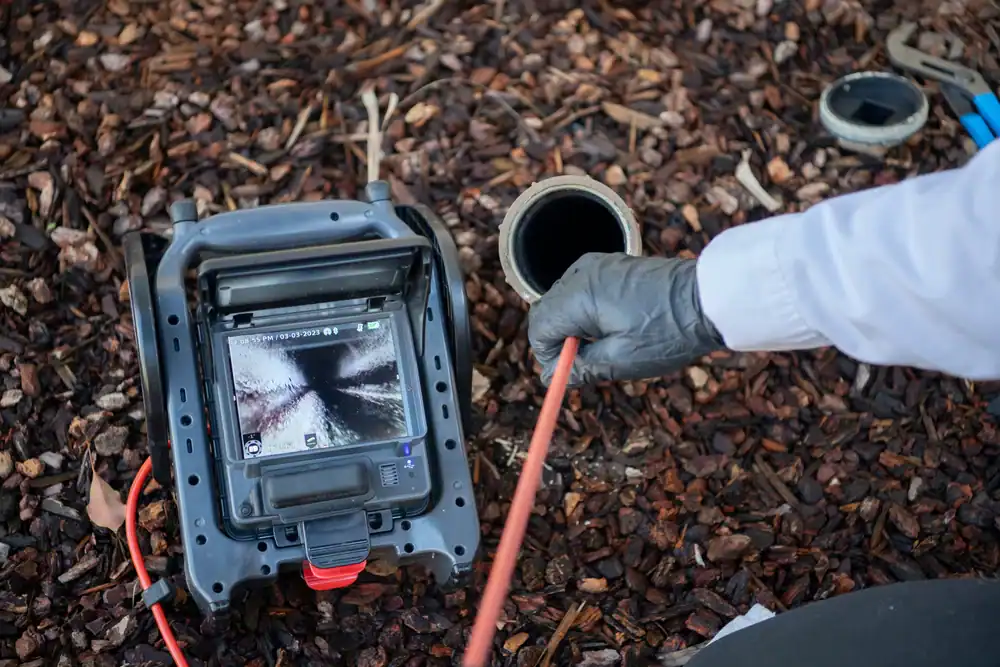
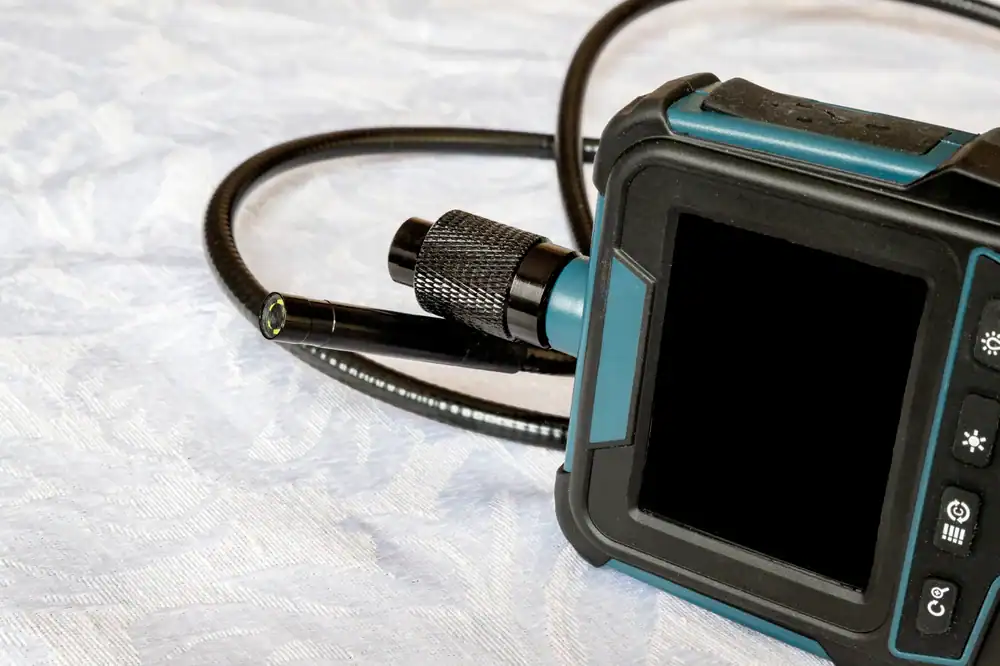
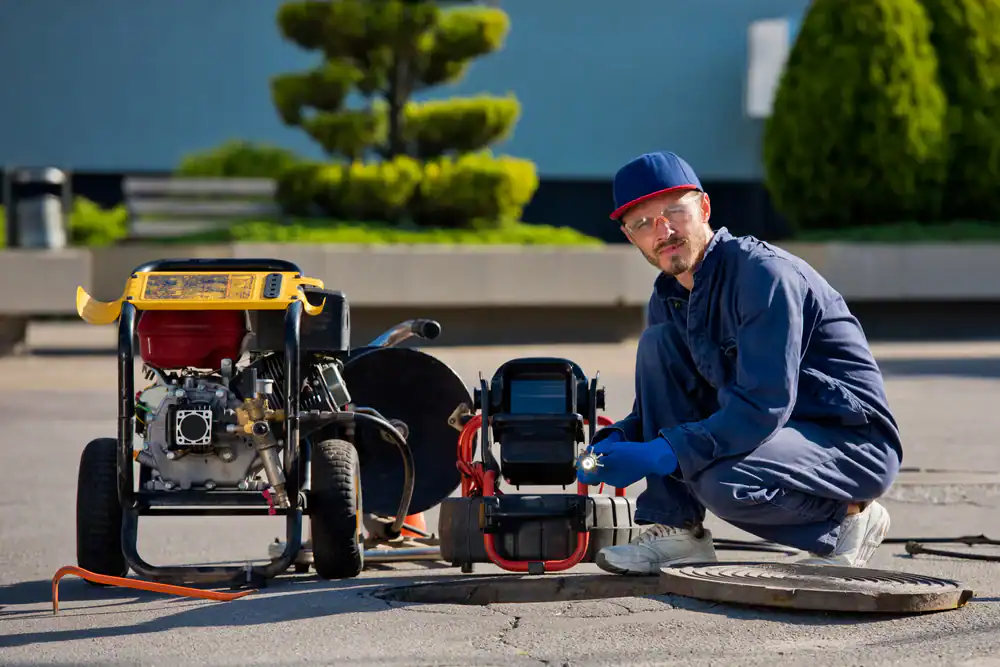
We start by locating your access points—usually your cleanout or an existing opening in the system. The fiber-optic camera goes in through there. It’s a small, waterproof camera on a flexible cable that can travel up to 300 feet through your pipes.
You can watch the feed in real time if you want. We’re looking for cracks, root intrusion, corrosion, grease buildup, bellied pipes, and anything else that’s causing problems or about to. The camera shows us exactly where issues are located, which means if you do need a repair, we’re not digging up half your yard to find the problem.
We run through an eight-point inspection that covers your private sewer line, tank outlets, and connecting pipes. Everything gets recorded. Within 24 hours, you get a written report that explains what we found, what it means, and what your options are. If repairs are needed, you’ll get realistic cost estimates—not inflated worst-case scenarios.
The whole process is non-invasive. Your landscaping stays intact. Your driveway doesn’t get torn up. You’re not left with a mess to clean up after we leave.
Ready to get started?
The inspection itself typically costs between $200 and $400, depending on your system size and complexity. That’s a fraction of what you’d spend on unnecessary excavation or emergency repairs that could’ve been prevented.
You get the camera inspection, real-time footage review, digital recording of the entire inspection, a written report in plain English, and pinpoint location data if we find problems. No upselling. No scare tactics. Just the facts about your system’s condition.
This matters more in North Lindenhurst than you might think. Suffolk County changed the rules in 2019—you can’t just replace a failing cesspool with another cesspool anymore. You need an advanced system that reduces nitrogen by 70%. That’s a bigger job and a bigger cost, which is exactly why catching problems early makes financial sense.
If you’re over 20 years since your last inspection, you’re overdue. If you’re buying a home, you need this before closing. If you’re dealing with slow drains, sewage odors, or wet spots in your yard, the camera will show you why.
The county offers grants up to $20,000 for system upgrades, but you need documentation of what’s actually wrong. A camera inspection gives you that documentation.
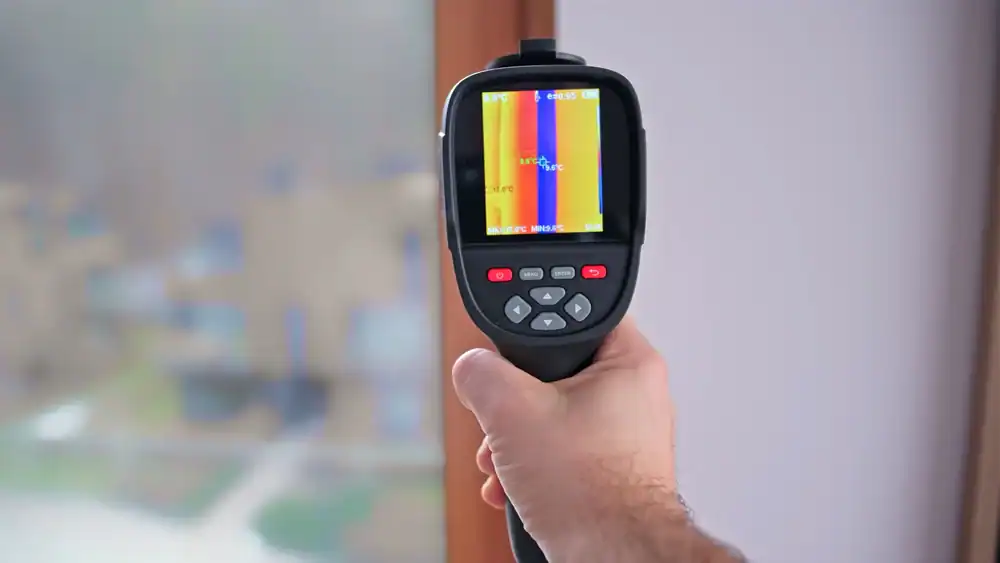
Most inspections take between one and two hours, start to finish. That includes setup, running the camera through your entire system, and reviewing findings with you on-site.
You don’t need to be home the whole time, but most people want to see the footage themselves. There’s something clarifying about watching tree roots push through a pipe joint or seeing exactly where a crack is forming. It makes the repair recommendation make sense instead of just trusting someone’s word.
We’re not tearing anything up, so there’s no noise, no mess, and nothing to clean up afterward. Your day continues as normal. If you need to step away for a call or an appointment, that’s fine—we’ll catch you up when you’re available.
No. The report prioritizes what’s urgent and what’s not.
Some issues need immediate attention because they’re about to fail or they’re already causing damage. Other issues are worth monitoring but don’t require action right now. We’ll tell you the difference.
If you’ve got a small crack that’s not leaking yet and a separate section with root intrusion that’s partially blocking flow, we’ll explain which one is the bigger risk and why. You can make decisions based on your budget and timeline, not based on fear or pressure.
A lot of people use the inspection to plan repairs over time instead of getting hit with one massive emergency bill. That’s a smarter way to manage an aging system, especially if you’re planning to stay in the home long-term.
It’ll tell you the condition of your current system—whether it’s functioning properly, starting to fail, or already compromised. From there, you can make an informed decision about repair versus replacement.
Here’s what matters: if your cesspool is failing and you’re in North Lindenhurst, you can’t legally replace it with another cesspool. Suffolk County requires an Innovative/Alternative Onsite Wastewater Treatment System that cuts nitrogen pollution. That’s a different setup and a higher upfront cost, but grants are available to offset it.
The camera inspection shows whether you’re dealing with a simple repair, a partial system upgrade, or a full replacement scenario. You’ll know where you stand before you commit to anything.
If the system is still working and the camera shows minimal wear, you’re not replacing anything. If we find significant structural damage or contamination risk, that’s a different conversation—but at least you’ll have documentation and options instead of guessing.
Yes, and that’s one of the biggest reasons to do it proactively instead of waiting for a backup.
The camera picks up early warning signs like hairline cracks, corroding joints, minor root intrusion, and pipe sections that are starting to sag or separate. None of those things cause obvious problems right away, but they all get worse over time.
Catching them early means you can schedule a targeted repair on your timeline instead of dealing with an emergency on a Saturday night when everything costs more and availability is limited. It also means smaller repairs—patching a crack is a lot cheaper than replacing a collapsed section of pipe.
If you’re in an older home in North Lindenhurst, your system has been underground for decades. A camera inspection is the only way to see what’s actually happening down there before it becomes your problem in the worst possible way.
If you’re buying or selling a home, yes—it’s often required by lenders and it protects both parties in the transaction. If you haven’t had your system inspected in over three years, it’s worth doing even if everything seems fine.
Septic and cesspool systems don’t usually give you much warning before they fail. By the time you notice slow drains or sewage odors, the problem has often been developing for months. The camera catches it before it reaches that point.
Regular inspections also create a maintenance record that helps with property value and resale. Buyers want to know the system has been maintained. Sellers want to avoid last-minute surprises that delay closing or kill a deal.
If your system is over 20 years old, an annual inspection is a good idea. If it’s newer and you’re not having issues, every two to three years is reasonable. Either way, it’s cheaper than emergency repairs and it keeps your property protected.
We’ll tell you upfront if there’s a section we can’t reach and why. Sometimes it’s because of a severe blockage, a collapsed pipe, or a system design that doesn’t have accessible entry points in certain areas.
In those cases, we’ll inspect everything we can access and let you know what’s visible versus what isn’t. If there’s a blockage preventing the camera from moving forward, that’s actually useful information—it tells us there’s a problem in that specific area that needs to be cleared or repaired.
Most systems in North Lindenhurst are straightforward enough that we can get full coverage with the camera. If we run into limitations, we’ll explain your options, whether that’s clearing a blockage first and re-inspecting, or using locating equipment to narrow down where the issue is.
You won’t pay for an incomplete inspection. If we can’t give you useful information, we’ll figure out the next step together.
Other Services we provide in North Lindenhurst