
Hear from Our Customers
You don’t want to tear up your lawn based on a hunch. A sewer line video inspection gives you visual proof of what’s happening inside your pipes—tree roots 40 feet down, a collapsed section under your driveway, or a belly in the line that’s collecting waste.
That clarity changes everything. Instead of digging a 50-foot trench and hoping you find the problem, you target a specific 5-foot section. You save thousands in labor, avoid destroying landscaping you just paid to install, and you actually understand what needs fixing.
If you’re buying or selling property in Oyster Bay, this footage becomes documentation. Lenders want it. Inspectors request it. And if there’s an issue, you’ll know before closing—not three months after you move in when the system backs up into your basement.
We’ve been handling cesspool and septic work across Long Island for four generations. We’re not new to Oyster Bay’s older homes, sandy soil shifts, or the tree root problems that come with mature properties in established neighborhoods.
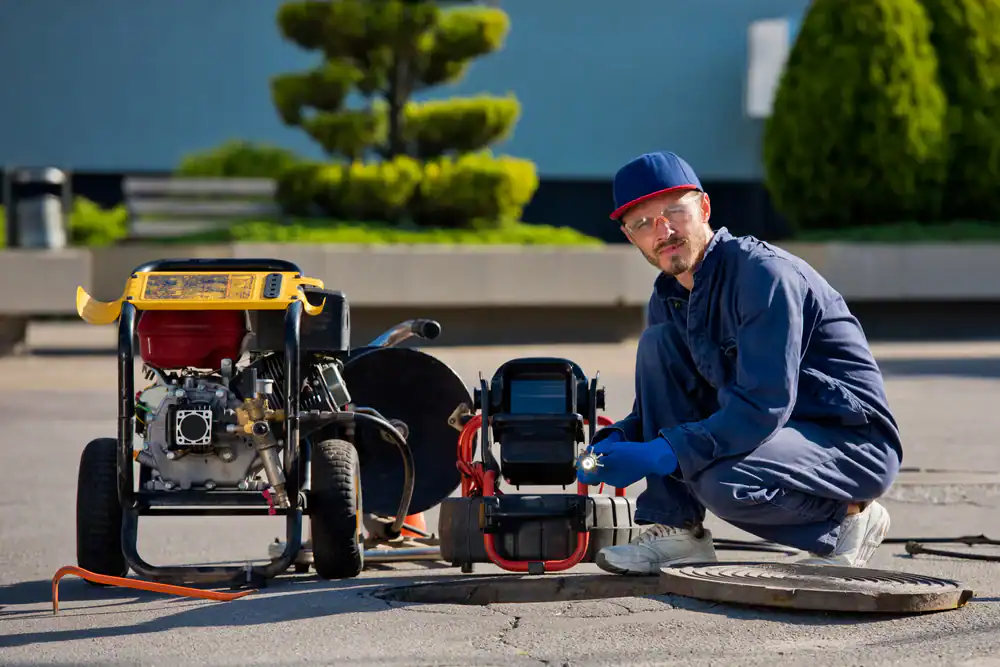
Our technicians are licensed and insured, and we use the latest camera equipment to give you clear digital footage and a same-day report when you need it fast. We’ve seen what happens when systems fail in homes worth over a million dollars—it’s expensive, disruptive, and often avoidable.
You’re not getting a corporate call center. You’re working with a family-run operation that’s built its reputation on showing up, doing the work right, and being straight with people about what they’re facing.
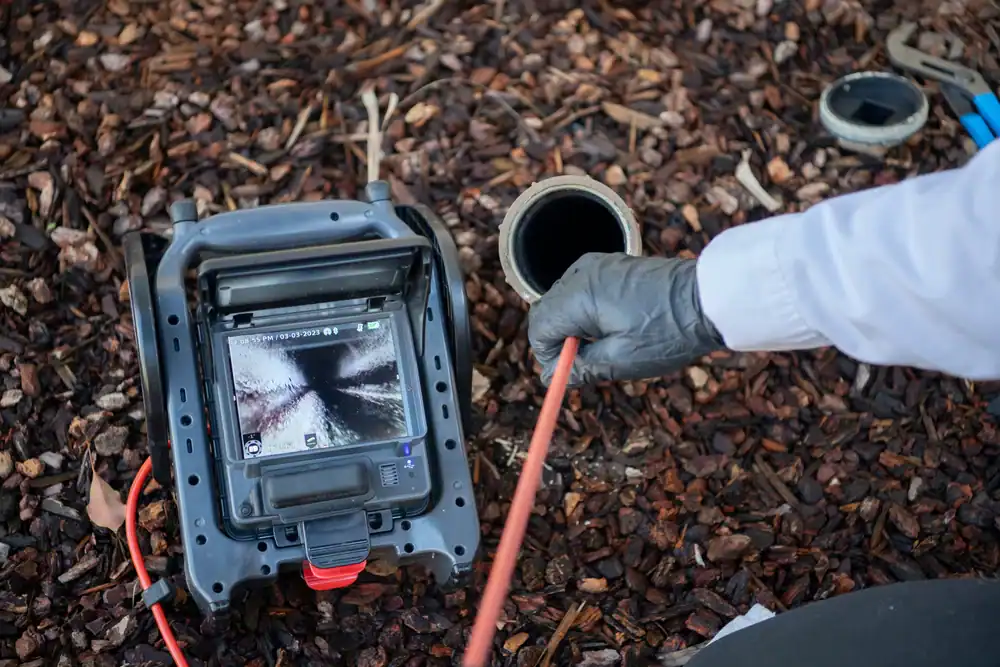
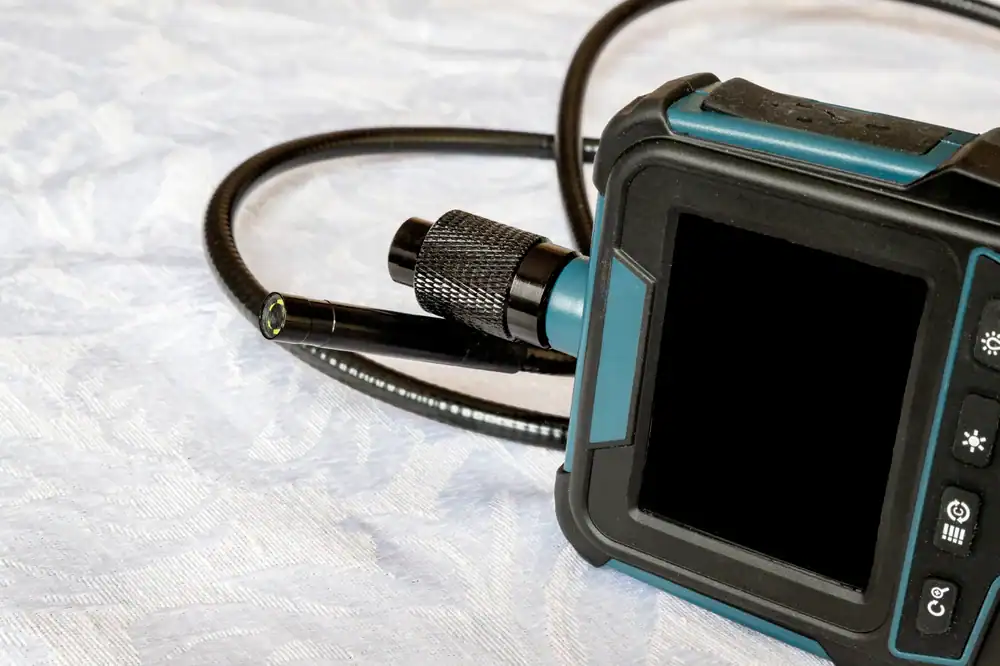
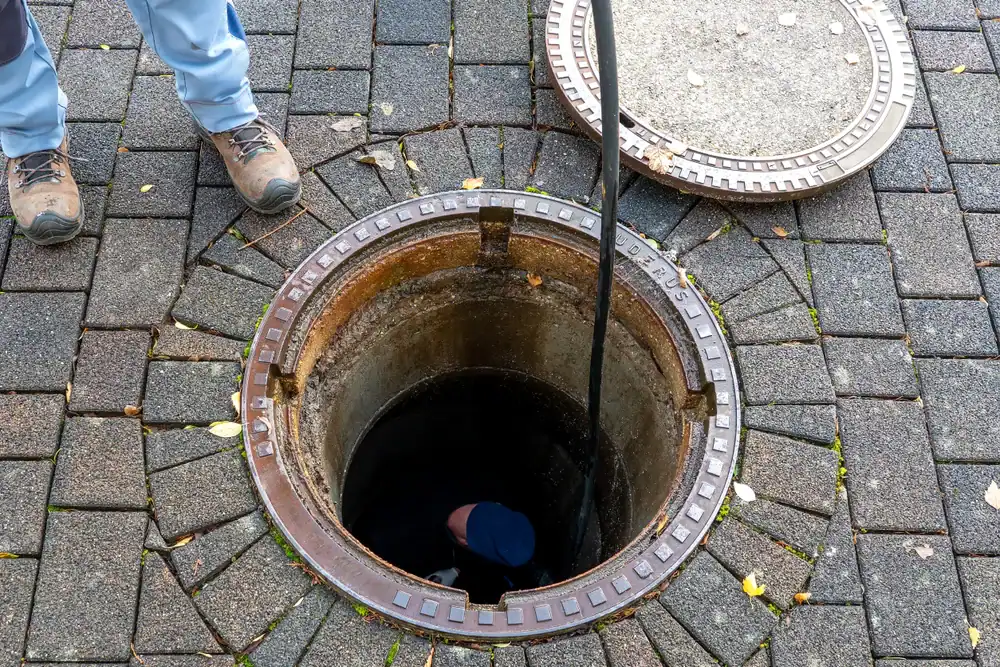
We start by accessing your cleanout or entry point—usually without any digging. From there, we feed a waterproof camera attached to a flexible cable into your sewer line or cesspool system. The camera has its own light source and sends live footage to a monitor so you can watch in real time.
As we move through the line, we’re looking for blockages, cracks, root intrusion, pipe corrosion, and any structural issues. The camera also has a locator so we can mark the exact spot on your property where a problem exists. If there’s a clog 38 feet from your house, we know it. If a section of cast iron pipe has deteriorated under your driveway, we can see it and measure it.
Once the inspection is complete, you get a recording of the footage and a written report. That report includes what we found, where we found it, and what we recommend. If you’re dealing with a real estate transaction, you can send that documentation directly to your attorney, lender, or buyer.
Ready to get started?
Every camera inspection includes live footage you can watch as it happens, a recorded copy for your records, and a detailed report with our findings and recommendations. If we locate a problem underground, we mark it on your property so any repair crew knows exactly where to dig.
In Oyster Bay, many homes were built decades ago and still have original clay or cast iron pipes. Those materials break down over time, and tree roots from mature landscaping find their way into even the smallest cracks. A pipe condition assessment catches those issues before they turn into full system failures.
You’ll also get documentation that satisfies Suffolk County’s inspection requirements if your property falls under those regulations. If you’re selling, this becomes part of your disclosure. If you’re buying, it gives you leverage to negotiate repairs or pricing before you close. And if you’re just maintaining your system, it tells you whether you’re looking at a minor fix now or a major replacement down the road.
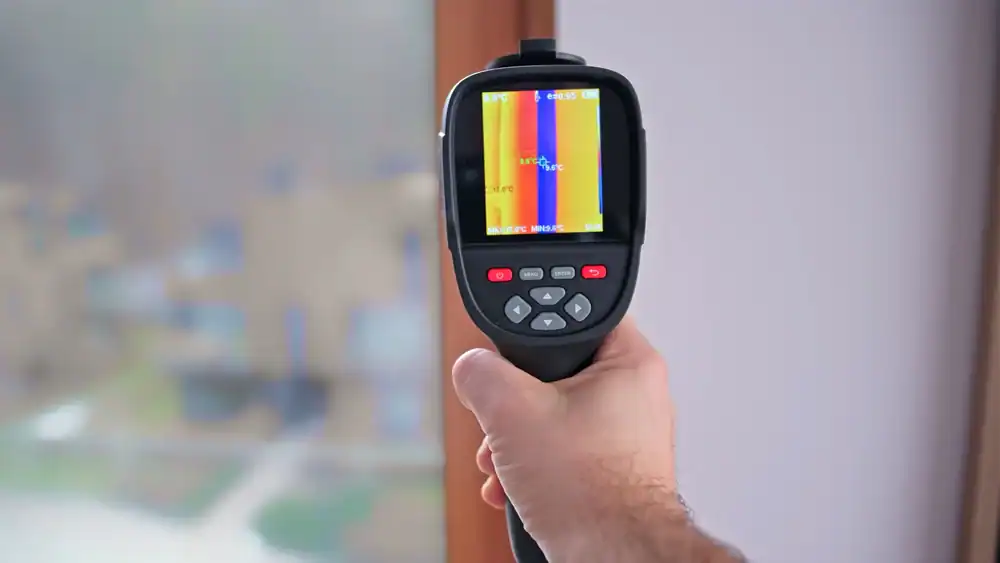
Most camera inspections in Suffolk County run between $200 and $400, depending on the length of the line and how accessible your system is. That’s a small cost compared to emergency repairs, which start around $3,000 and can easily hit $10,000 or more if you’re replacing sections of pipe or dealing with a collapsed line.
If you’re scheduling the inspection as part of routine maintenance or a real estate transaction, the cost is straightforward. If it’s an emergency and we’re trying to locate a blockage that’s already causing backups, the pricing may be higher due to the urgency and after-hours availability.
The real value isn’t just in the inspection itself—it’s in avoiding the wrong repair. Without a camera, you’re guessing. With one, you’re making decisions based on what’s actually happening inside your system.
A sewer line video inspection shows you blockages from grease buildup, tree roots, or foreign objects. It also reveals structural problems like cracks, collapsed sections, corrosion, and bellies in the pipe where waste collects instead of draining properly.
You’ll see whether your pipes are cast iron, clay, PVC, or another material, and you’ll know their condition. If tree roots have infiltrated a joint or crack, the camera picks that up. If a section of pipe has separated or shifted due to soil movement—common in Oyster Bay’s sandy soil—you’ll see the gap.
The camera can also identify the exact distance from the entry point to the problem, so if we need to dig, we’re not tearing up your entire yard. We’re targeting one specific section, which saves you time, money, and the headache of major landscape restoration.
Many lenders and attorneys now require video documentation of your cesspool or sewer system before approving a mortgage or finalizing a sale. It’s become standard practice in Long Island real estate transactions, especially for older homes or properties with private septic systems.
If you’re selling, having an inspection done upfront prevents delays and gives buyers confidence that the system is in good shape. If you’re buying, requesting an inspection protects you from inheriting someone else’s expensive problem. A system that looks fine on the surface can have serious issues underground, and you won’t know until it’s too late—unless you get a camera in there first.
The inspection also satisfies Suffolk County’s requirement for cesspool certifications in certain situations. Even if it’s not legally required for your transaction, it’s smart due diligence when you’re dealing with properties in the million-dollar range.
Most inspections take between 30 minutes and an hour, depending on how much line we’re inspecting and whether we run into any access issues. If your system is straightforward and we’re just checking the main line from your house to the street or cesspool, it’s usually on the shorter end.
If we’re inspecting multiple lines, dealing with older access points that need clearing, or working around a complicated property layout, it might take a bit longer. Either way, you’re not looking at an all-day disruption.
You’ll get results immediately. We’re not sending footage to a lab or waiting on a third-party report. You watch the inspection happen, we walk you through what we’re seeing, and you leave with a recording and written summary the same day—or that evening if it’s an urgent situation.
It won’t prevent the need for repairs if something’s already broken, but it absolutely prevents you from doing the wrong repair or paying for unnecessary excavation. Homeowners who invest in regular camera inspections report significantly lower long-term maintenance costs because they catch small problems before they become emergencies.
For example, if we spot early-stage root intrusion, you can have those roots cleared for a few hundred dollars. If you wait until the roots completely block the line and cause a backup, you’re looking at emergency service rates, potential pipe replacement, and damage to your home from wastewater overflow.
The inspection also helps you plan. If we see a section of pipe that’s deteriorating but not yet failed, you can budget for a replacement on your timeline instead of scrambling to cover an unexpected $8,000 bill when the system collapses during a family gathering or right before you’re supposed to close on a sale.
If we find something that needs immediate attention—a collapsed pipe, a major blockage, or a section that’s about to fail—we’ll walk you through your options on the spot. You’ll see the footage yourself, so there’s no confusion about what’s wrong or why it needs fixing.
Depending on the issue, the solution might be a targeted repair where we excavate just the damaged section, or it could involve pipe lining, root removal, or in some cases, a full replacement of the affected area. We’ll give you a clear recommendation based on what we’re seeing, not based on what’s easiest for us to sell you.
You’re not obligated to use us for the repair, but you’ll have the documentation and footage to show any contractor so they know exactly what they’re dealing with. That transparency protects you from getting three different opinions and three wildly different quotes. You have the facts, and you can make an informed decision about how to move forward.
Other Services we provide in Oyster Bay