
Hear from Our Customers
You’re not paying to dig up your yard based on a hunch. Our camera goes into your sewer line and shows you what’s actually there—root intrusion, cracks, blockages, pipe deterioration. You watch the footage in real time on our monitor.
This matters because most sewer problems in Patchogue start small. A hairline crack. Roots finding their way into a joint. Clay pipes that have been underground since the 70s finally giving out. Catch these early and you’re looking at manageable repairs. Miss them and you’re dealing with basement flooding, emergency excavation, and bills that climb into five figures.
The camera doesn’t lie. You see the condition of your pipes, we explain what you’re looking at, and you decide what makes sense. If your pipes are fine, we tell you. If there’s a problem developing, you’ll know exactly where it is and what it’ll take to fix it.
We’ve been handling cesspool and sewer issues in Patchogue for nearly two decades. We’re a family operation—four generations deep—and we’ve seen just about every pipe problem Long Island soil and weather can create.
Most homes around here were built before 1980. That means clay pipes that are past their expected lifespan, tree roots that have had decades to find weak points, and soil conditions that don’t do your drainage system any favors. We know what fails first in Patchogue properties, and we know how to find it before it becomes your emergency.
Licensed, insured, and available when you need us. We’re not the cheapest option, but we’re the one that shows up with the right equipment and actually knows how to use it.
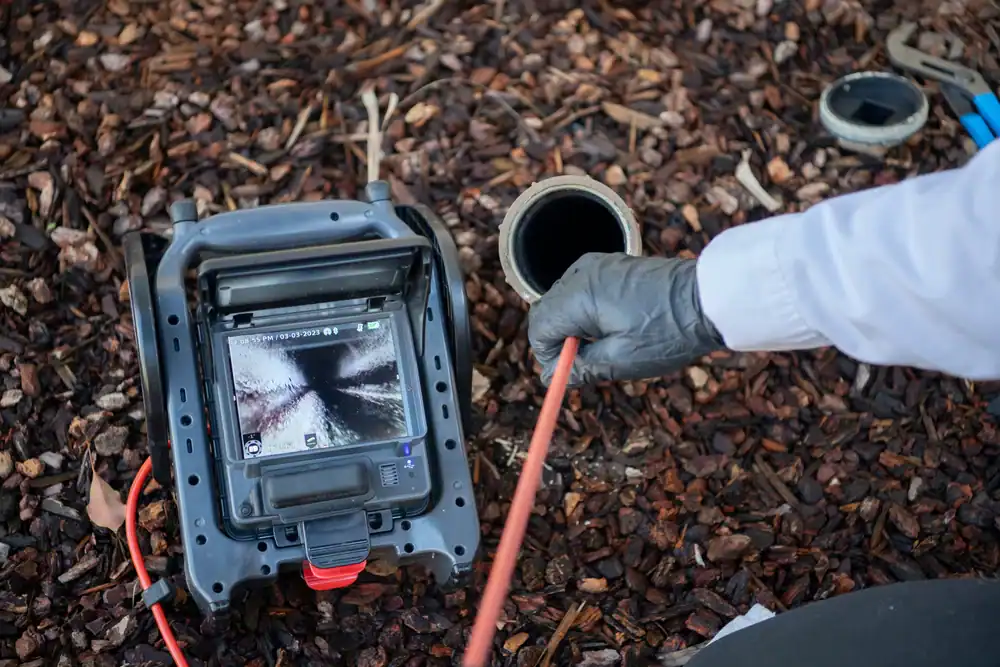
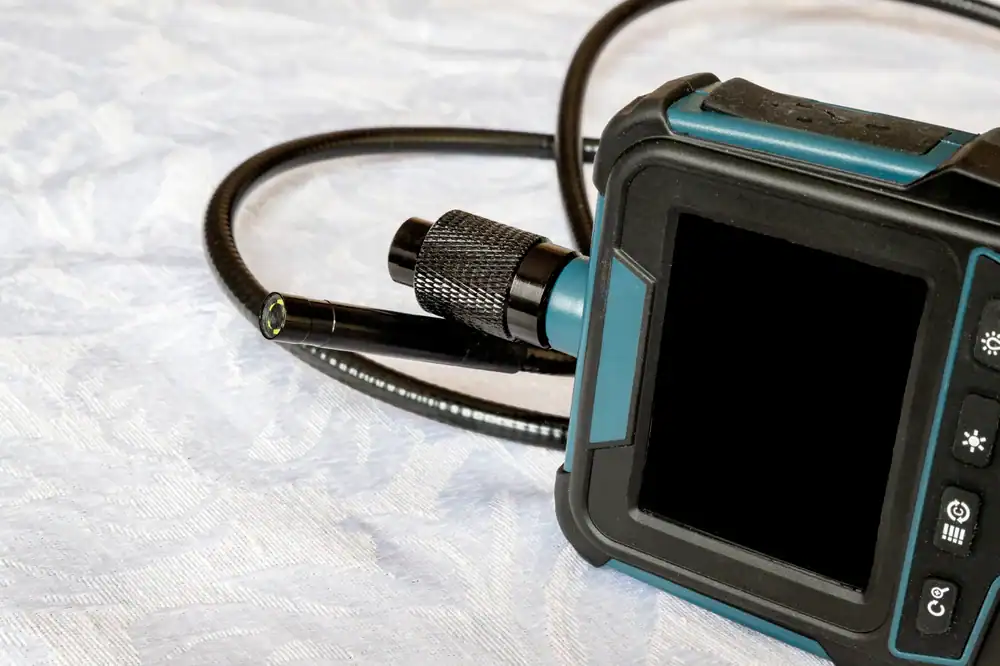
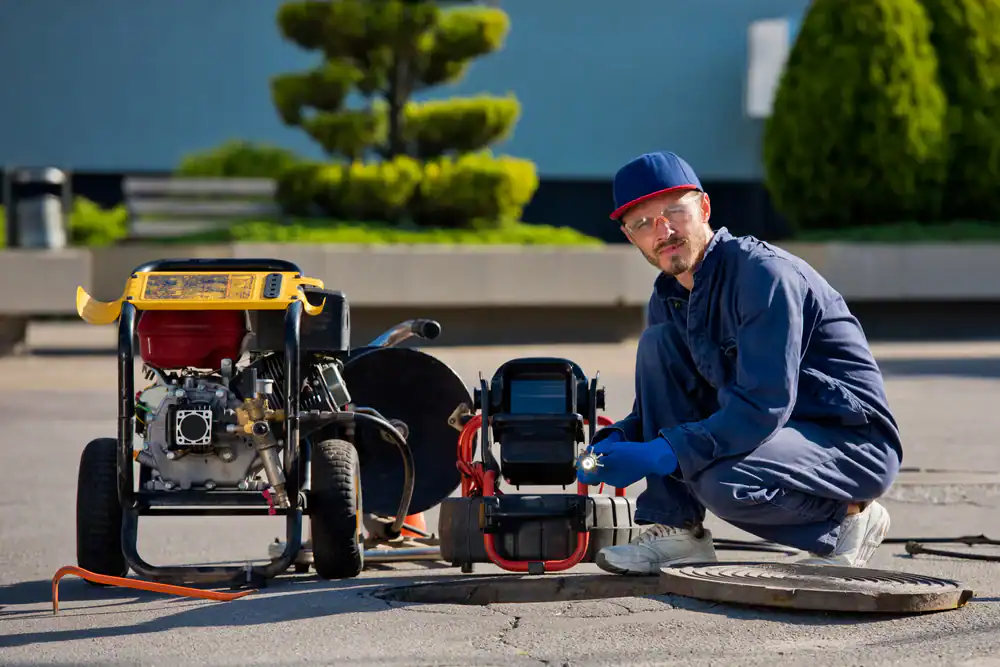
We start at an access point—usually a cleanout or drain. The camera head is small, waterproof, and equipped with high-definition video and its own light source. We feed it through your line, and it transmits live footage back to our monitor.
You’re watching the same screen we are. As the camera moves through your pipes, you’ll see the interior condition. We’re looking for cracks, root intrusion, blockages, corrosion, bellied sections where pipes have settled, and any separation at the joints. The camera can travel up to 300 feet, which covers most residential sewer lines from your house to the street connection.
The camera also has a built-in transmitter. If we find a problem, we can pinpoint its exact location underground—down to the foot. That means if you do need a repair, the crew knows exactly where to dig. No exploratory excavation. No tearing up more of your property than necessary.
You get digital footage and a written report. That documentation is useful if you’re buying a home, filing an insurance claim, or just want a record of your system’s condition. The whole process usually takes about an hour, depending on the length of your line and what we find.
Ready to get started?
The inspection covers your entire private sewer line—from where it connects to your home’s plumbing to where it meets the municipal system or your cesspool. That’s the section you’re responsible for maintaining, and it’s the section that causes the most expensive problems when it fails.
You’re getting real-time clog detection. If there’s a blockage, we see it immediately and can often tell you what caused it—grease buildup, foreign objects, root masses, or collapsed pipe sections. For homebuyers in Patchogue’s $535K+ market, this inspection can save you from inheriting someone else’s deferred maintenance. Mortgage lenders often require it for properties with septic systems, but it’s just as valuable for homes on municipal sewer.
The video documentation we provide isn’t just for your records. Insurance companies accept it for claims processing. Real estate transactions use it for negotiations. And if you do need repairs down the line, any reputable contractor will want to see it before giving you a quote.
Patchogue sits in an area where 45% of properties face flood risk over the next 30 years. Your sewer system is your first line of defense against water backing up into your home. This inspection tells you if that line is ready to handle what’s coming, or if you’re one heavy rain away from a basement full of sewage.
Most residential camera inspections run between $125 and $500, depending on the length of your line and how accessible it is. If you’re adding it to a home inspection during a real estate transaction, it’s usually on the lower end of that range—around $100 to $250.
The cost breaks down to the equipment, the technician’s time, and the reporting. You’re paying for high-definition camera equipment that can navigate 300 feet of pipe, a trained operator who knows what they’re looking at, and documentation you can actually use.
Here’s the math that matters: the average emergency sewer repair in Suffolk County runs $3,000 to $7,000. A collapsed line that requires excavation and replacement can hit $15,000 or more. Spending a few hundred dollars to know what’s down there before it fails is the cheapest insurance you’ll buy for your property.
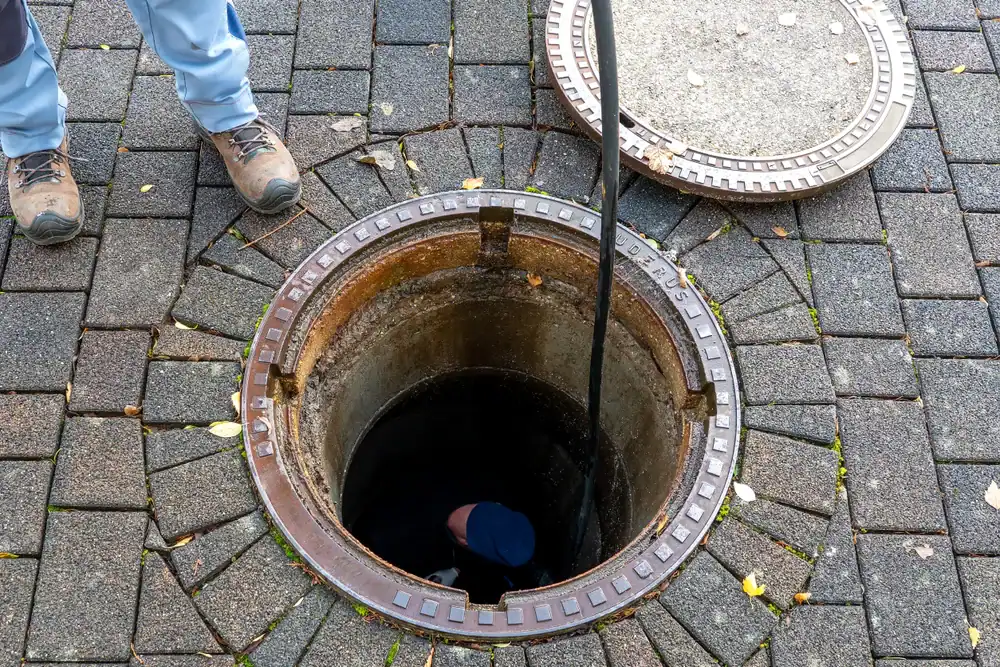
Yes. That’s the entire point of the camera. We access your sewer line through existing cleanouts or drain openings. No excavation required for the inspection itself.
Your landscaping, driveway, and hardscaping stay intact. The camera is flexible enough to navigate bends and joints in your pipe, and it’s built to handle the conditions inside a sewer line—water, debris, tight spaces.
The only time we’d need to dig is if the inspection reveals a problem that requires physical repair. But even then, the camera has already told us exactly where that problem is located. We’re digging in one specific spot, not trenching your entire yard to find the issue. That’s the difference between a targeted repair and exploratory destruction.
Root intrusion is the big one in Patchogue. Tree roots seek out water, and your sewer line is a consistent water source. They find small cracks or loose joints and work their way in. Once they’re inside, they grow into masses that catch everything flowing through the pipe. The camera shows us exactly where roots have penetrated and how extensive the intrusion is.
We also catch pipe deterioration before it becomes a collapse. Clay pipes—common in older Patchogue homes—crack and separate as they age. The camera picks up hairline cracks, sections that are starting to belly or sag, and joints that are separating. These are problems you can plan for and budget for, rather than dealing with as an emergency.
Blockages show up clearly on camera. We can tell if it’s a grease clog, foreign objects that shouldn’t be in your line, or sediment buildup. We also find structural issues like bellied sections where the pipe has settled below grade and creates a low spot where waste collects. And we locate exactly where your line connects to the municipal system or cesspool, which is useful information if you ever need to do work on your property.
If your home was built before 1980, every few years makes sense. Those clay pipes are at or past their expected lifespan, and Long Island’s soil conditions aren’t doing them any favors. You’re not waiting for a problem—you’re monitoring a system that’s aging.
If you have large trees near your sewer line, annual inspections catch root intrusion early. Roots grow aggressively in late summer when they’re seeking water. An inspection in early fall shows you what happened during growing season and whether you need to address it before winter.
For everyone else, get one done when you’re buying a home, if you’re experiencing slow drains or frequent backups, or if you just want to know what’s down there. There’s no downside to having current documentation of your system’s condition. The downside is not knowing until something fails at the worst possible time.
You get the information you need to make a decision. We show you exactly what the camera found, explain what it means for your system, and lay out your options. Sometimes it’s a simple fix—hydro jetting to clear roots, spot repair on a cracked section. Sometimes it’s more involved.
The advantage is that you’re not making decisions in crisis mode. You know where the problem is, what’s causing it, and what it’ll take to fix it properly. You can get multiple quotes if you want. You can plan the work around your schedule and budget. You’re in control.
If we find something during a pre-purchase inspection, you’ve got leverage in the transaction. You can negotiate the repair cost with the seller, ask them to fix it before closing, or walk away if the problem is too expensive. That’s information you want before you own the property, not after.
You want the video. A verbal report is someone’s opinion. Video is proof of what’s actually in your pipes. If you’re dealing with insurance, they want documentation. If you’re negotiating a real estate deal, the seller’s agent wants to see evidence. If you’re getting repair quotes, contractors want to see what they’re dealing with before they price the job.
The video also protects you from getting sold repairs you don’t need. You’re not taking anyone’s word for it—you saw the problem yourself. And if you decide to get a second opinion, you can show the footage to another contractor without paying for another inspection.
Digital footage and reporting don’t cost extra. It’s part of the service. You get a copy of the video, a written report that details what we found, and the exact location of any issues we identified. File it with your property records. You’ll be glad you have it if you ever need it, and you won’t miss it if you don’t.
Other Services we provide in Patchogue