
Hear from Our Customers
You’re not calling because everything’s fine. Something’s off. Slow drains. Gurgling sounds. Maybe sewage backing up where it shouldn’t. Or you’re buying a property and need to know what’s underground before you sign.
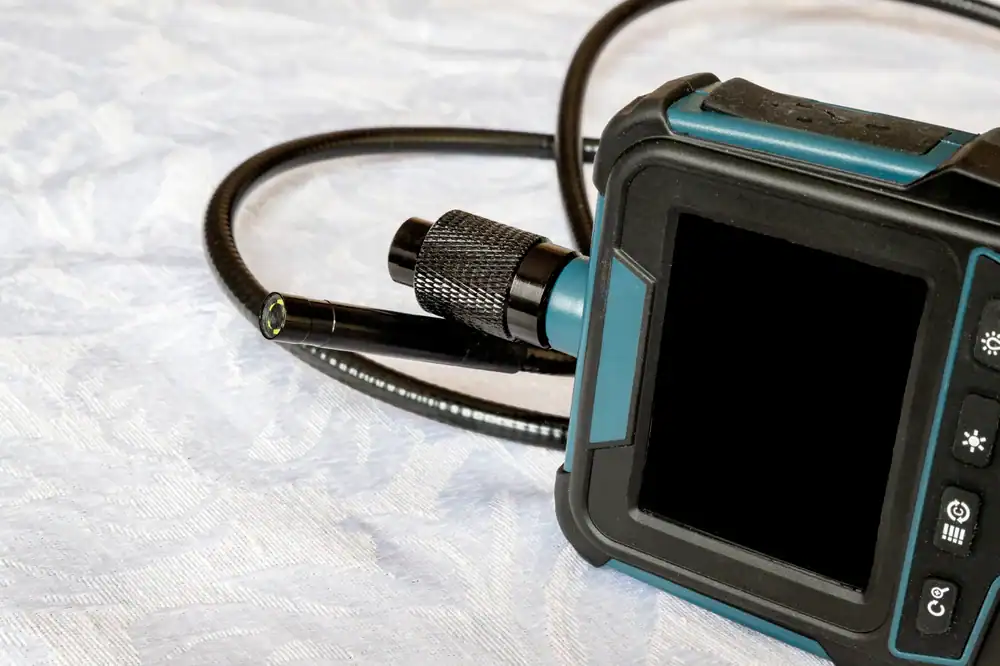
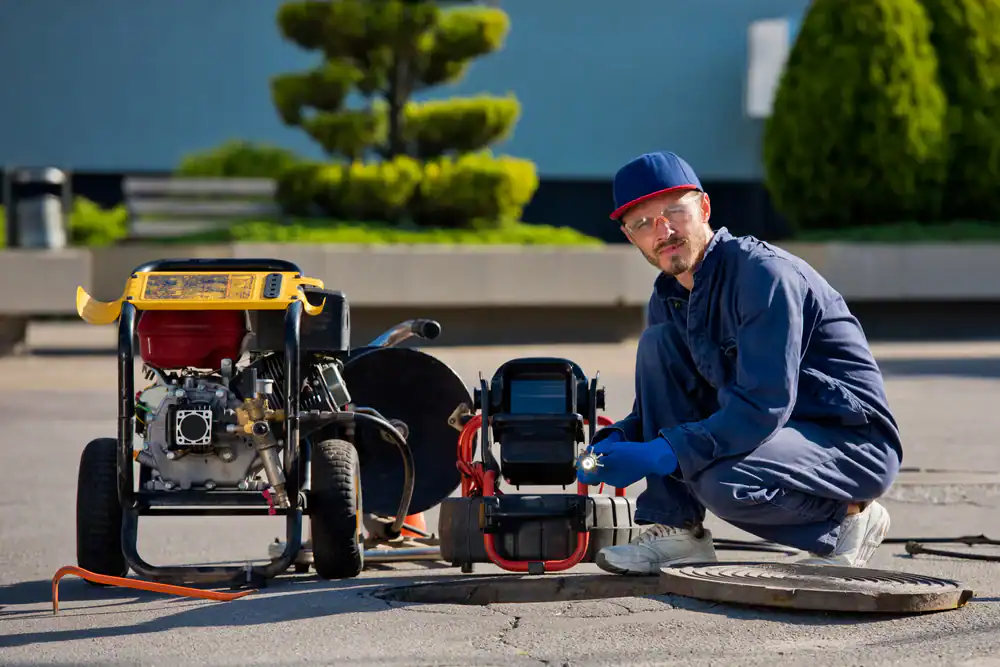
A camera inspection gives you the full picture without tearing up your yard. We send a high-definition camera through your pipes and show you what’s there in real time. Roots growing into the line. Cracks forming. Buildup restricting flow. Whatever it is, you see it.
That means no more paying for repairs based on hunches. No excavating in the wrong spot. No wondering if the problem’s actually fixed. You know what needs attention, where it is, and what it’ll take to handle it. That’s how you make decisions that actually protect your property.
We’ve maintained septic systems and cesspools across Shelter Island, NY for more than 10 years. We know how island properties behave. The shallow water table here doesn’t leave much room for error, and your system has to sit at least two feet above seasonal high groundwater.
That’s not a problem you solve with generic advice. It takes local knowledge and the right equipment. We use fiber-optic cameras and locating technology that show us exactly what’s happening below ground, even when conditions are tight.
You’re not getting a crew that just learned your address today. You’re working with people who’ve seen what happens when systems fail here and know how to catch problems early.
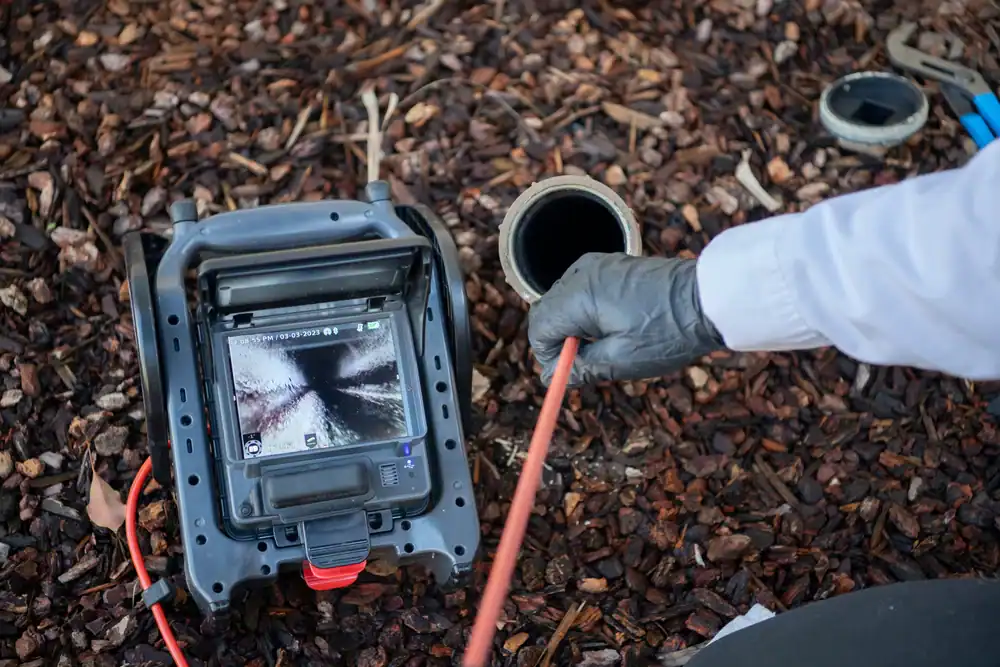
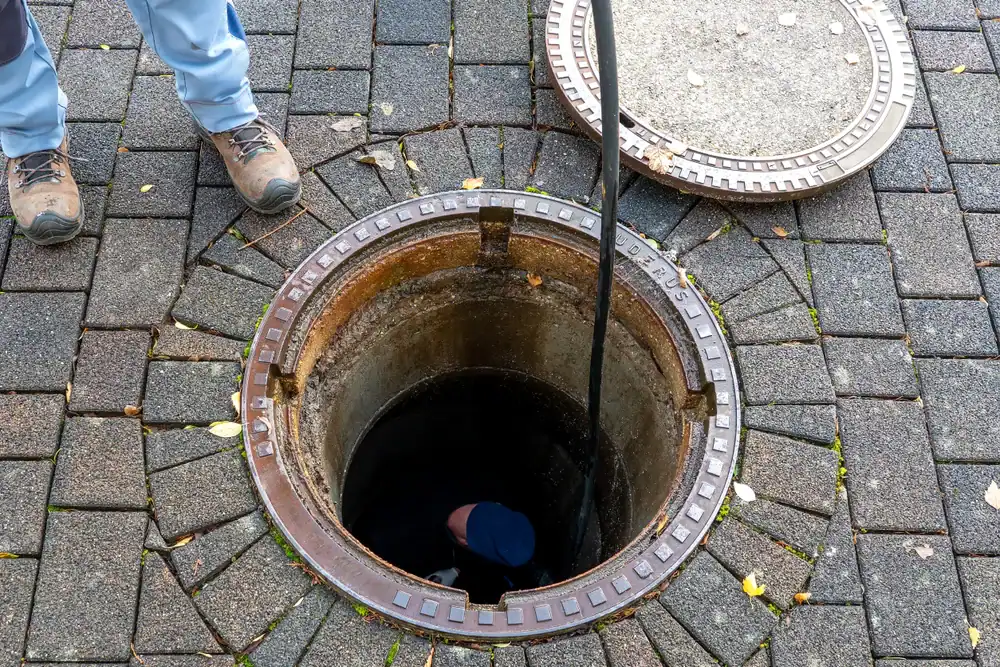
We start by accessing your sewer line through an existing cleanout or entry point. No digging required at this stage. A flexible cable with a waterproof camera on the end gets fed into the pipe, and you can watch the footage with us as it moves through.
The camera sends back real-time video. We’re looking for cracks, blockages, root intrusion, corrosion, and anything else that affects flow. The cable tracks distance as it goes, so when we spot a problem, we know exactly how many feet in it sits. That’s critical if repairs are needed later.
Once the inspection’s done, you get digital footage and a full report. We walk through what we found, what it means, and what your options are. Some issues need immediate attention. Others you can monitor. Either way, you’re making decisions based on what’s actually there, not what someone thinks might be wrong.
Ready to get started?
Every inspection includes high-definition video of your entire sewer line. You’re not getting a verbal summary. You see the inside of your pipes yourself. We capture still images of any problem areas and save everything for your records.
The camera has a radio transmitter that lets us locate issues from above ground. If there’s a crack 40 feet into your line, we can mark that exact spot on your property. That matters when it’s time to dig. No trial and error. No unnecessary excavation.
You also get a full report with digital footage. Some insurance companies ask for this documentation. If you’re selling a property, buyers want proof the system’s in good shape. If you’re buying, this inspection can save you from inheriting someone else’s expensive problem. Shelter Island properties change hands regularly, and septic issues are one of the most common surprises that derail closings. Knowing what’s underground before money changes hands protects everyone involved.
Most inspections take between 45 minutes and an hour and a half, depending on how much line you have and what we find. If your system’s straightforward and there’s no major blockage slowing the camera down, we’re usually done in under an hour.
If we hit a clog or need to navigate multiple lines, it takes longer. We’re not rushing through. The whole point is to cover every section thoroughly so nothing gets missed.
You can watch the process in real time if you want. Some people prefer to see what we’re seeing. Others just want the report at the end. Either way, you’re not waiting days for results. We walk through what we found before we leave.
Yes. The camera cable measures distance as it travels through your pipe, so we know exactly how many feet from the entry point any issue sits. If there’s a crack at 38 feet, that’s what we record.
We also use a locating device that picks up the camera’s signal from above ground. That lets us mark the spot on your property where the problem is. If you need a repair, the crew knows exactly where to dig. No guesswork. No tearing up half your yard hoping to find it.
This is especially useful on Shelter Island properties where space is tight and you can’t afford to excavate in the wrong area. Precision saves time, money, and a lot of frustration.
The most common issues we find are root intrusion, cracks or breaks in the pipe, grease buildup, and sections that have started to collapse or separate at the joints. Tree roots are a big one here. They grow toward water sources, and once they find a small crack, they work their way in and expand.
We also catch things like bellied pipes where a section has sunk and creates a low spot that traps waste. Corrosion shows up on older metal pipes. Sometimes we find objects that shouldn’t be there, things that got flushed and lodged somewhere along the line.
The inspection shows the condition of your entire system, not just active blockages. That means you can see problems forming before they cause a backup. Early detection gives you time to plan repairs instead of dealing with an emergency.
If the property has a septic system or cesspool, yes. A general home inspection doesn’t show you what’s happening inside the sewer lines. You could be buying a system that’s one flush away from failure, and you won’t know until it’s your problem.
We’ve inspected lines for buyers that looked fine from the outside but had major root damage or collapsing sections underground. Those repairs can run into thousands of dollars. Finding out before you close gives you leverage to negotiate or walk away if it’s too far gone.
Shelter Island properties often have older systems, and the shallow water table here adds extra risk. A camera inspection is cheap insurance compared to what you’d pay fixing someone else’s neglected septic system after the sale goes through.
No. The camera is non-invasive. It’s a flexible cable with a small waterproof camera on the end, designed to move through pipes without causing any damage. We’re not forcing anything or using tools that scrape or break.
We access the line through an existing cleanout or entry point. There’s no digging required for the inspection itself. Your yard stays intact. If we do find a problem that needs repair, then excavation might be necessary, but that’s a separate decision you make after seeing what’s actually wrong.
The whole point of the inspection is to avoid unnecessary digging. We locate problems precisely so that if work is needed, it’s targeted and minimal. You’re not tearing up your property on a guess.
If your system’s working fine and you’re not seeing any warning signs, every three to five years is reasonable for preventive maintenance. That catches slow-developing issues like root growth or pipe deterioration before they become emergencies.
If you’ve had backups, slow drains, or unusual odors, get it inspected now. Don’t wait. Those are signs something’s already wrong, and putting it off usually makes the repair more expensive.
You should also inspect before buying or selling property, after any major plumbing work, or if your system’s more than 20 years old and hasn’t been checked. Shelter Island’s conditions are tough on septic systems. The high water table and salt air accelerate wear. Regular inspections let you stay ahead of problems instead of reacting to them.
Other Services we provide in Shelter Island