
Hear from Our Customers
You’re dealing with slow drains or backups, and someone’s about to start digging. But where? Your driveway? The lawn you just reseeded? That’s the problem with underground pipes—you can’t see what’s wrong until you destroy something trying to find it.
A sewer line video inspection changes that. We send a high-resolution camera through your pipes and show you exactly what’s causing the issue. Root intrusion at the connection point. A crack 15 feet from your foundation. Grease buildup narrowing your line to half its diameter. You see it in real time, and we can tell you precisely where it is.
That means no exploratory excavation. No ripping up three sections of your yard hoping we find the problem. You know what’s wrong, where it is, and what it’ll take to fix it before anyone picks up a shovel. Especially in Southampton, where properties are expensive and landscaping isn’t cheap, that clarity matters.
We’ve been handling septic and cesspool work in Southampton for over a decade, and we’re a fourth-generation family business. That means we’ve seen what happens when systems aren’t maintained, when shortcuts get taken, and when homeowners get stuck with expensive surprises because no one bothered to actually look.
We’re licensed, insured, and we use professional-grade camera equipment—not the stuff you rent at a hardware store. We know Southampton’s soil conditions, the older cesspool systems still in use here, and how summer season usage spikes can push a marginal system over the edge.
You’re not getting a sales pitch. You’re getting someone who’ll show you what’s in your pipes and explain what it means in plain terms.
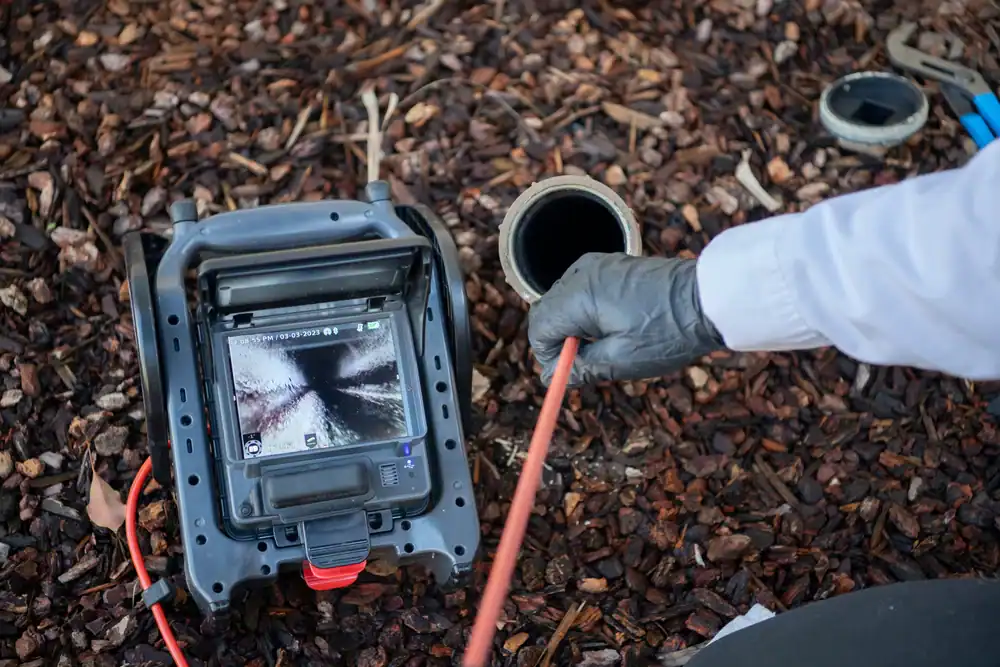
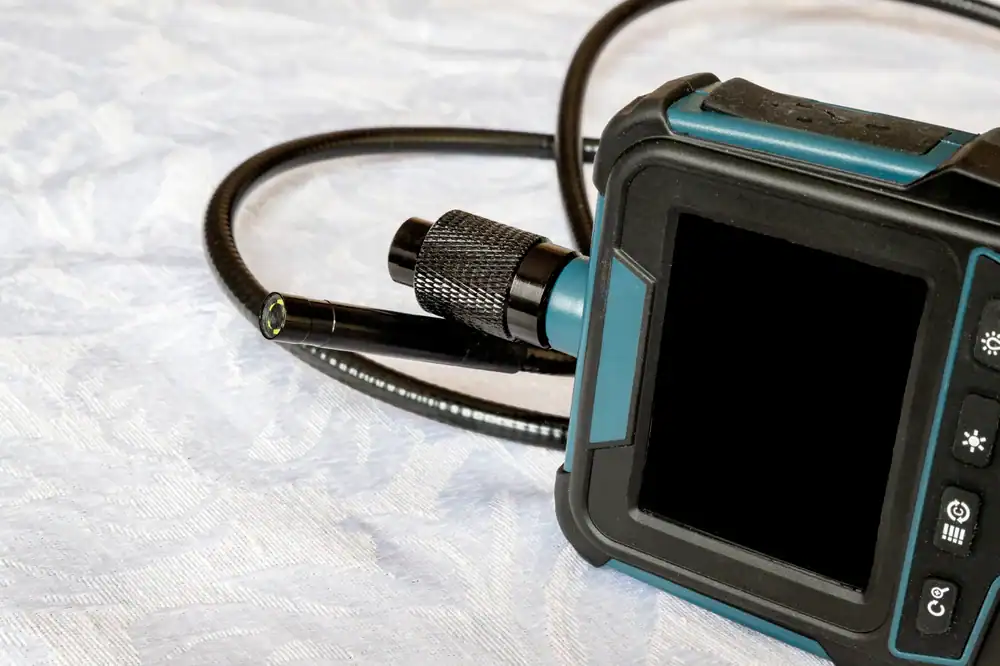
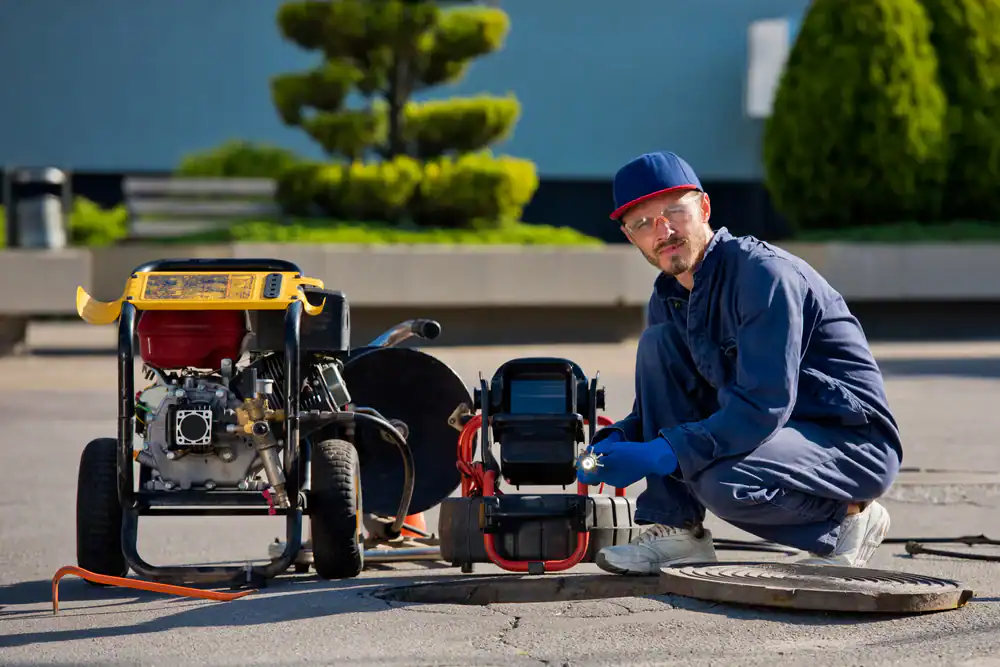
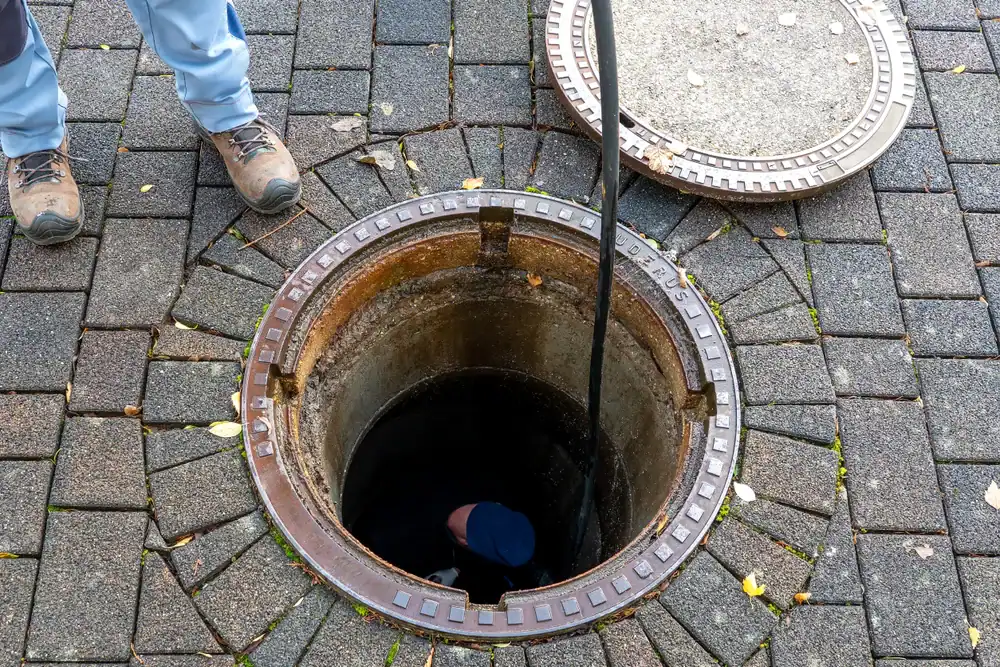
We start by accessing your system through an existing cleanout or entry point—no demolition required to begin. Then we feed a flexible camera line equipped with high-resolution video and LED lighting through your pipes. The camera transmits real-time footage to a monitor, so you can watch along as we move through your system.
As we go, we’re looking for blockages, cracks, root intrusion, corrosion, bellied pipes, and any structural damage. We mark the depth and location of any issues we find. The camera records everything, and you get digital footage and a detailed report showing what we saw and where we saw it.
Most inspections take one to three hours depending on your system size and complexity. You’ll have answers the same day—often within minutes of finishing the inspection. If we find a problem, we’ll explain what’s causing it, how urgent it is, and what your options are for fixing it. No pressure, no upselling. Just information you can actually use.
Ready to get started?
You get a complete visual record of your pipe’s interior condition. That includes real-time clog detection, identification of root intrusion points, assessment of pipe integrity, and documentation of any structural issues like cracks, collapses, or misaligned joints.
You also get precise location data. We can tell you the problem is 18 feet from your foundation, 3 feet deep, near the property line—whatever the specifics are. That’s critical information for repair planning and cost estimation.
In Southampton, this service is especially valuable for older properties where the original cesspool or septic system is decades old. Many homes here were built when cesspools were standard, and those systems weren’t designed for modern water usage or the seasonal influx of guests that’s common in the Hamptons. A camera inspection shows you whether your system is holding up or developing problems before you’re dealing with a backup during a summer weekend when you have a house full of people.
You also get documentation you can use for property transactions, insurance claims, or maintenance records. The digital footage and reporting we provide gives you proof of your system’s condition—useful whether you’re buying, selling, or just planning ahead.
Most camera inspections in Southampton run between $300 and $600 depending on the complexity of your system and how much line needs to be inspected. That’s significantly less than the cost of exploratory excavation, which can easily hit $1,500 to $3,000 before you’ve even identified the problem.
The price includes the inspection itself, real-time footage review, a digital recording, and a detailed report with our findings and recommendations. If you’re dealing with a known issue and just need us to locate it, that’s typically on the lower end. If you want a full system assessment with multiple access points, it’ll be higher.
We give you upfront pricing before we start. No trip charges that mysteriously appear later, no “minimum service fees” that turn into something else. You know what you’re paying before we run the camera.
You should get an inspection if you’re experiencing slow drains, frequent backups, gurgling sounds, or sewage odors—those are signs something’s wrong and a camera will show you what. You should also get one before buying property in Southampton, especially older homes where the septic system or cesspool might be original to the house.
If your property is over 20 years old and you’ve never had the lines inspected, it’s worth doing proactively. Root intrusion doesn’t announce itself until you have a backup, and by then you’re dealing with an emergency instead of a planned repair.
It’s also smart to inspect after any major landscaping work, tree removal, or ground settling. Shifting soil can crack pipes, and roots from a tree that’s been gone for years can still be clogging your line. A camera inspection gives you peace of mind or early warning—either way, you’re better off knowing.
Yes. The camera equipment we use includes locating technology that lets us mark the precise depth and distance of any problem we find. If there’s a crack, root intrusion, or blockage, we can tell you it’s 22 feet from your cleanout, 4 feet deep, near the oak tree on the east side of your property—whatever the specifics are.
That precision matters because it means repair crews know exactly where to dig. You’re not excavating a 50-foot trench hoping to find the problem. You’re opening up one targeted section, fixing the issue, and backfilling. Less disruption, less cost, faster turnaround.
For Southampton properties where you might have expensive landscaping, paved driveways, or irrigation systems in the way, knowing the exact location before you start digging can save thousands in restoration costs. You’re not guessing. You’re working with accurate data.
A camera inspection can identify blockages from grease, debris, or foreign objects. It shows root intrusion—where tree roots have penetrated joints or cracks and are growing inside your pipe. It reveals structural damage like cracks, breaks, corrosion, or collapsed sections. It also catches bellied pipes where settling has created a low spot that collects waste and causes recurring backups.
You’ll see pipe misalignment at joints, scale buildup that’s reducing flow capacity, and any previous repairs that might be failing. If there’s something in your line that shouldn’t be there—toys, construction debris, whatever—the camera will find it.
What it won’t do is see through solid blockages or inspect pipes that are completely collapsed. In those cases, we can usually get close enough to identify the issue and locate it, but we might not be able to push the camera all the way through. Still, you’ll have enough information to know what needs to happen next.
Most residential inspections take one to three hours from start to finish. That includes setup, running the camera through your lines, reviewing footage with you, and generating the report. Smaller systems with easy access are faster. Larger properties with multiple lines or difficult access points take longer.
You’ll get preliminary findings immediately—we can show you problems as we’re seeing them on the monitor. The formal written report with digital footage usually follows within 24 hours, though often we can provide it the same day.
If you’re scheduling an inspection as part of a property purchase or before planned repairs, factor in a half-day window to be safe. We’re not rushing through your system. We’re being thorough. But we’re also not dragging it out—there’s no benefit to taking longer than necessary, and we know you’ve got other things to do.
No. The camera is designed specifically for pipe inspection and is much smaller than the pipe diameter. It’s flexible, waterproof, and moves smoothly through your lines without causing damage. We’re not forcing anything or applying pressure that could crack or break your pipes.
If your pipes are already severely damaged or on the verge of collapse, the camera might not be able to get past that point—but it’s not creating the damage, it’s just revealing what’s already there. In extremely fragile systems, we’ll assess the situation before proceeding and let you know if there’s any risk.
The reality is that camera inspections are non-invasive. We’re using existing access points, we’re not excavating, and we’re not introducing anything into your system that could cause problems. It’s diagnostic, not destructive. That’s the whole point—getting information without tearing anything up.
Other Services we provide in Southampton