
Hear from Our Customers
Most cesspool and septic problems start small. A crack lets roots in. A joint separates slightly. Water starts pooling where it shouldn’t.
Without a camera, you’re guessing. Your plumber is guessing. And that guessing usually means digging up your yard in three different spots before finding the actual problem.
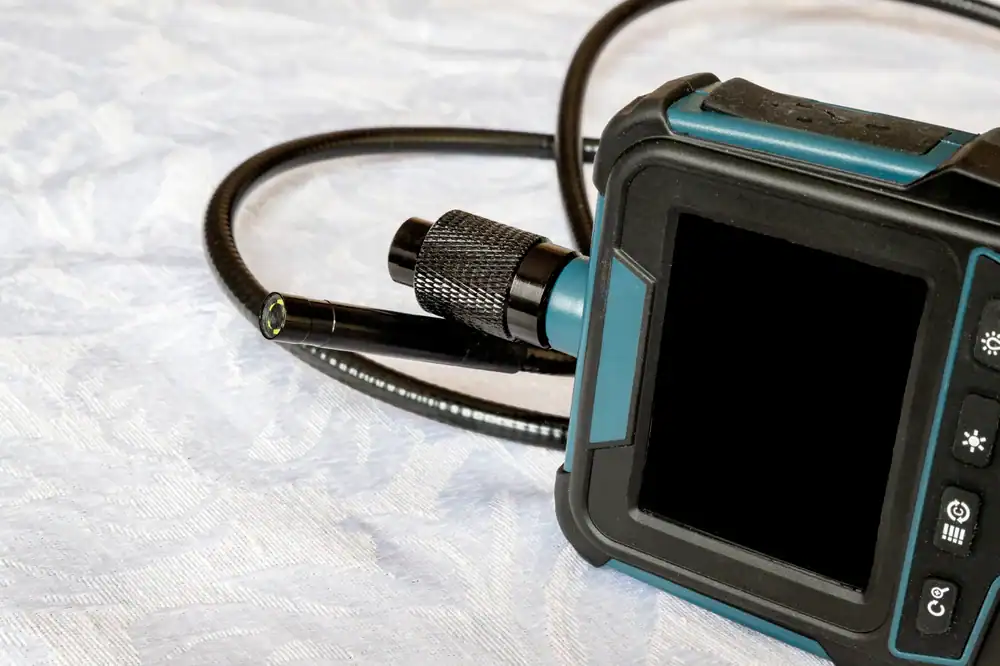
Sewer line video inspection changes that completely. We feed a waterproof camera through your system and watch everything in real time on a monitor. Roots growing through a cracked pipe at the 40-foot mark? We see it. Bellied section holding water and waste? We see exactly where. Collapsed line that’s about to fail? You’ll know before sewage backs up into your house at 2 AM.
The camera gives us GPS coordinates for problem areas. When repairs are needed, we dig in one spot—the right spot. That saves you money on labor, saves your landscaping, and gets your system working faster. For Southold homeowners dealing with Suffolk County’s stricter septic regulations, this kind of documentation matters even more. You’re not just fixing a problem; you’re proving compliance.
We’ve been maintaining cesspool and septic systems in Southold, NY for over a decade. We’re a family-owned operation—four generations deep—so we’ve seen what works and what doesn’t when it comes to Long Island’s unique soil conditions and regulatory requirements.
Southold properties face specific challenges. Sandy soil drains fast, which sounds good until you realize it means less natural filtration before wastewater reaches groundwater. Shallow water tables make contamination risks higher. And Suffolk County’s evolving regulations mean what passed inspection five years ago might not cut it today.
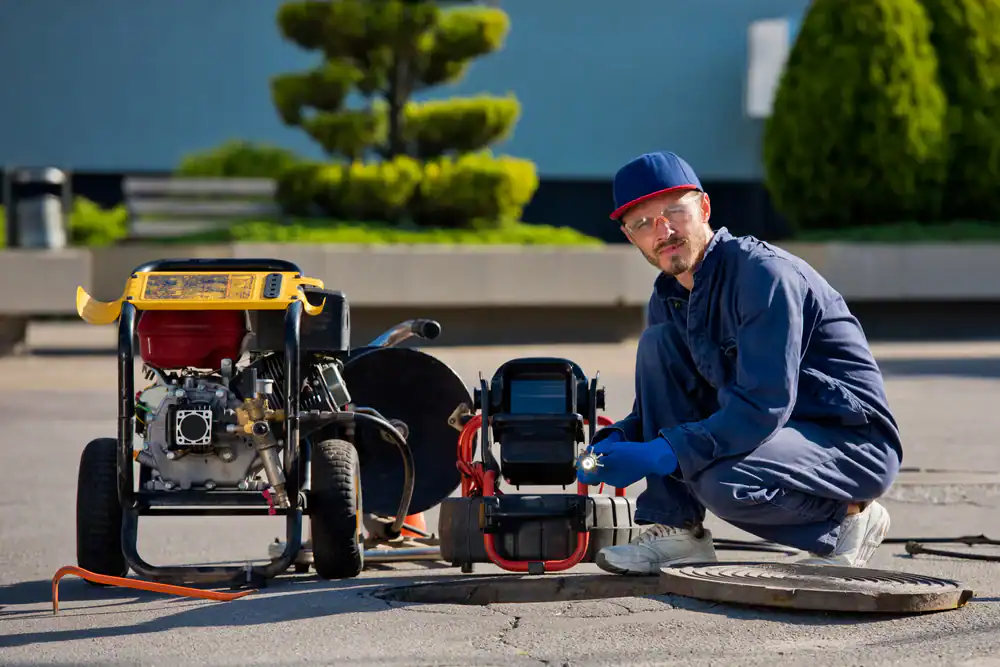
We’re licensed, insured, and available 24/7 because cesspool emergencies don’t wait for business hours. Our technicians use professional-grade camera equipment designed for daily use in tough conditions—waterproof, impact-resistant, with LED lighting that shows us everything even when pipes are partially filled.
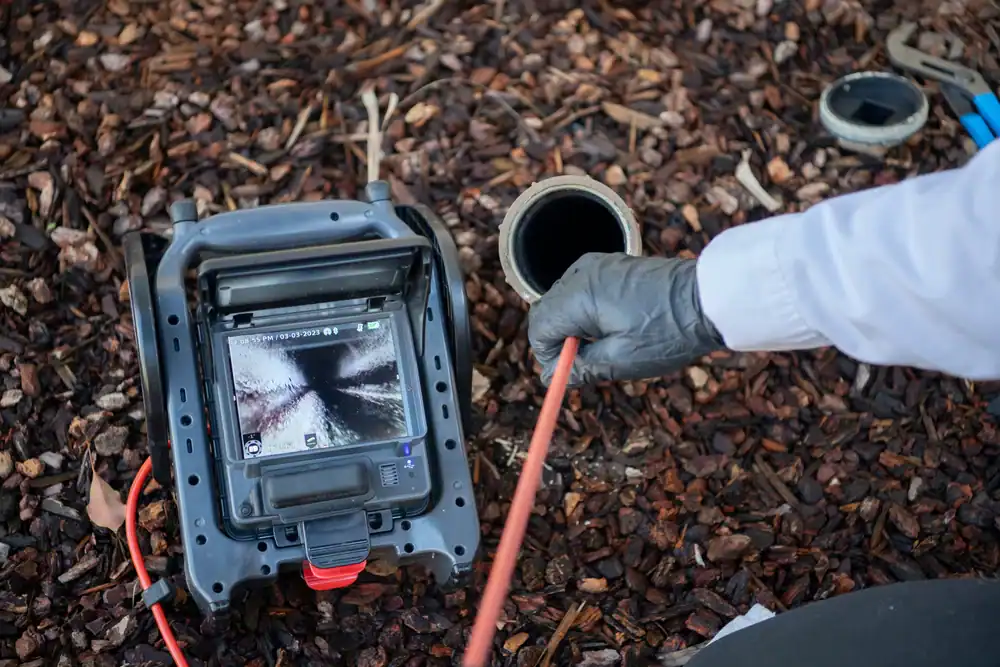
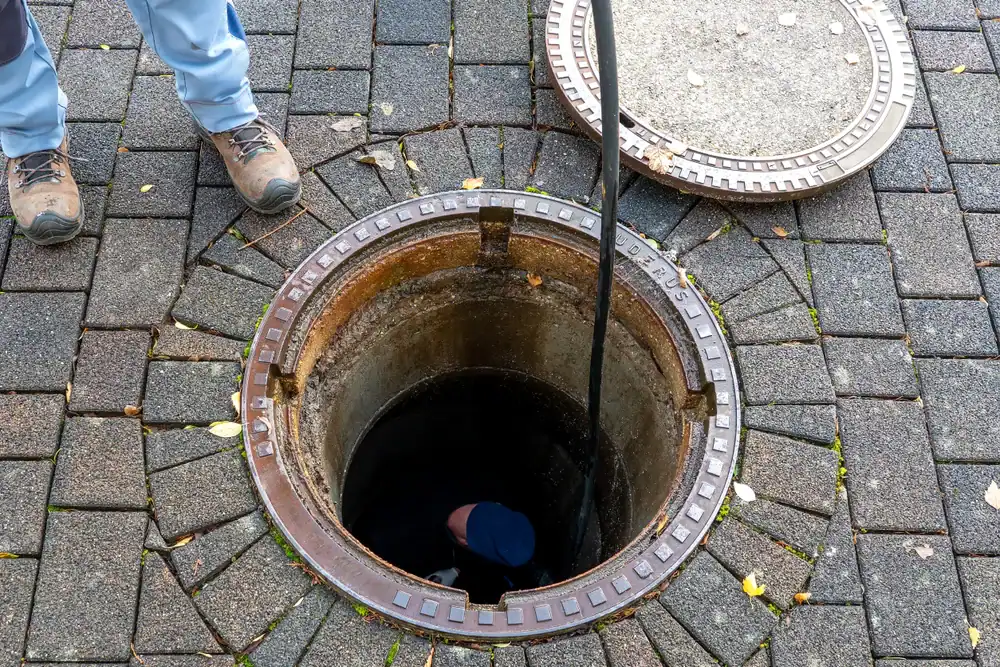
We start by locating your system’s access points. Most homes have a cleanout port or we can access through a vent. The camera head is small—usually 1 to 2 inches—so it fits through standard pipes without forcing anything.
Once we feed the camera line into your system, you can watch the monitor with us. The camera has powerful LED lights and records in high definition, so you’re seeing the same clear footage we are. We move slowly through the pipes, noting any cracks, root intrusions, blockages, or deterioration. The system tracks distance and location using GPS, so we know exactly where each issue sits.
Real-time clog detection means we spot problems as they’re happening. Tree roots pushing through a joint? We see them. Grease buildup narrowing your pipe diameter? It’s right there on screen. Sections where the pipe has bellied and water is pooling? We measure the severity.
After the inspection, you get digital footage and a written report. This documentation is critical if you’re selling your home, dealing with a mortgage company that requires cesspool certification, or just want records for future reference. If we find problems, we’ll explain what needs fixing now versus what you can monitor. No upselling, no scare tactics—just honest assessment based on what the camera shows.
Ready to get started?
Camera inspections catch the issues that standard maintenance misses. We’re looking at pipe integrity, joint connections, and anything that could cause a failure down the road.
Root intrusion is huge on Long Island. Trees seek out water, and even a hairline crack in your cesspool or sewer line is an invitation. Roots work their way in, expand, and eventually block the entire pipe. The camera shows us exactly where roots have penetrated so we can address it before you’re dealing with a complete backup.
We also find deteriorated piping that’s common in older Southold homes. Clay pipes crack. Cast iron corrodes. Concrete develops holes. If your system is 20+ years old and you’ve never had it inspected, there’s a good chance something is compromised. The camera documents the condition so you can plan repairs on your timeline instead of during an emergency.
Locating underground pipe leaks is another major benefit. Water infiltration works both ways—groundwater can seep into damaged pipes, overloading your cesspool, or wastewater can leak out, contaminating soil and groundwater. Both scenarios are expensive to fix and dangerous to ignore, especially with Suffolk County’s focus on nitrogen pollution from failing septic systems.
For homeowners preparing to sell, camera inspection provides the documentation buyers and mortgage companies now require. Suffolk County’s cesspool certification requirements mean you need proof your system is functional. Our digital footage and reporting gives you exactly that.
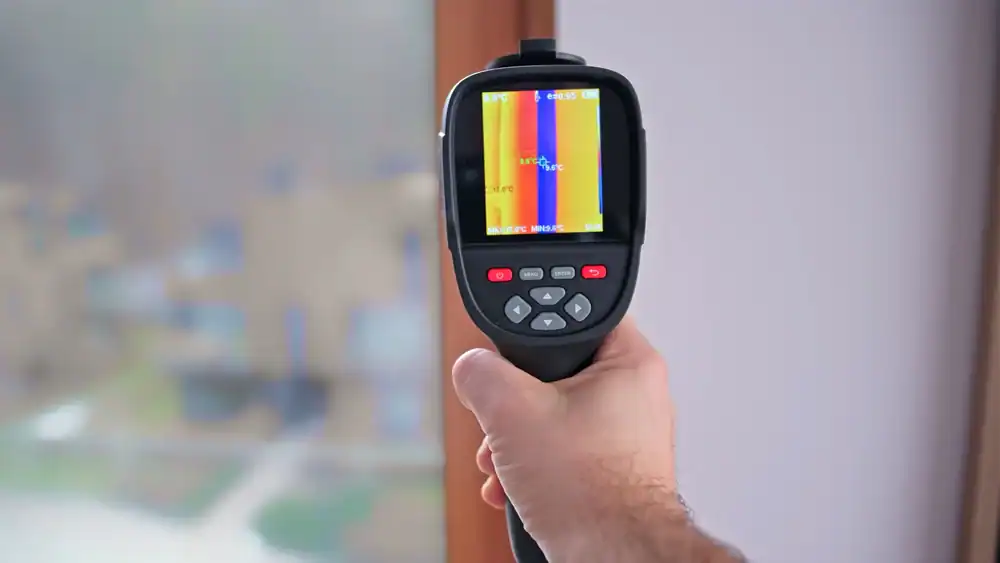
A camera inspection typically runs a few hundred dollars and takes a couple of hours. Compare that to exploratory excavation, which starts around $1,500 and goes up depending on how many spots need digging before finding the problem.
The real savings come from accuracy. Without a camera, your contractor is making educated guesses about where to dig. That means multiple excavation sites, more labor hours, and more of your landscaping destroyed. With video inspection, we pinpoint the exact location using GPS coordinates. One dig, right spot, problem solved.
If you’re dealing with a slow drain or suspect root intrusion, the camera pays for itself immediately. You’ll know whether you need a simple cleaning, a spot repair, or if you’re looking at a larger issue that requires planning and budgeting.
Absolutely, and that’s often when it’s most valuable. Most cesspool failures don’t happen overnight—they develop slowly over months or years.
A camera can show us a crack that’s just starting to let roots in, even though your drains are still flowing normally. We’ll see sections where pipes are beginning to separate at the joints, or where corrosion has thinned the pipe walls. These issues aren’t causing symptoms yet, but they will.
For Southold homeowners, this is especially important because of Suffolk County’s inspection requirements and the high cost of emergency repairs. Catching deterioration early means you can schedule repairs during good weather, get multiple quotes, and avoid the premium pricing that comes with emergency service calls. It’s the difference between a $2,000 planned repair and an $8,000 emergency replacement when your system fails during a holiday weekend.
We’ll show you exactly what we’re seeing on the monitor and explain your options. For roots, the solution depends on how extensive the intrusion is and where it’s located.
Minor root intrusion can often be cleared with hydro-jetting, which uses high-pressure water to cut through roots and clean pipe walls. If roots have caused significant damage or the pipe is cracked where they entered, you might need a spot repair or pipe section replacement. The camera footage shows us the severity, so we’re not guessing about the right fix.
For blockages, we can usually tell what’s causing them. Grease buildup, foreign objects, or collapsed pipe sections all look different on camera. That determines the approach—sometimes it’s cleaning, sometimes it’s repair, sometimes it’s just changing how the system is being used.
The key advantage is that you’re making decisions based on visual evidence, not someone’s opinion. You see the problem, you understand why it needs fixing, and you know exactly what you’re paying for.
It’s not legally required before listing, but it’s becoming practically necessary because of how buyers and mortgage companies approach cesspool systems now.
Suffolk County requires cesspool certifications for many mortgage transactions. If you can’t provide maintenance records showing regular pumping and inspection, the buyer’s lender will require a professional inspection before approving the loan. If that inspection finds problems, you’re paying for repairs anyway—but now you’re doing it under time pressure with a sale hanging in the balance.
Getting a camera inspection before listing gives you control. You know what condition your system is in, you can address any issues on your timeline, and you can provide documentation that reassures buyers and lenders. Homes with recent inspection reports and maintenance records sell faster and with fewer complications during the closing process.
For older Southold properties with original cesspool systems, this is even more critical. If your system is 30+ years old and you’ve never had it inspected, there’s a high probability the camera will find something. Better to know now than during a buyer’s inspection when you have zero negotiating leverage.
Suffolk County requires septic system inspections every three years, but camera inspections are different from standard maintenance inspections. You don’t necessarily need video inspection every three years unless you’re having symptoms or your system is older.
For most Southold homeowners, camera inspection makes sense in a few situations. First, if you’re buying or selling a home—it’s cheap insurance against expensive surprises. Second, if you’re experiencing slow drains, gurgling sounds, or sewage odors, the camera shows us exactly what’s wrong. Third, if your system is over 20 years old and you’ve never had video inspection, it’s worth doing once to establish a baseline and catch any developing issues.
After that, you might inspect again if symptoms develop or if you’re doing major property work that could affect your cesspool location. Trees growing near your system are another reason to check periodically—roots can infiltrate pipes within a few years if conditions are right.
The goal isn’t to inspect constantly; it’s to use the camera strategically when it provides the most value. We’ll tell you honestly whether you need it or if you’re better off saving your money for routine maintenance.
A regular cesspool inspection focuses on the tank itself—checking liquid levels, looking for structural damage, measuring sludge depth, and making sure the system is pumping and draining properly. The inspector might open the tank, take measurements, and verify that wastewater is flowing out to the leaching area.
Camera inspection goes inside the pipes. We’re looking at the sewer lines connecting your house to the cesspool, the distribution pipes in the leaching area, and any other underground components. The camera shows us the interior condition of pipes that are otherwise impossible to see without excavation.
Both types of inspection serve different purposes. Regular inspections catch tank problems and ensure your system is being maintained properly. Camera inspections find hidden pipe damage, root intrusion, blockages, and deterioration that won’t show up during a standard tank inspection.
For Southold homeowners dealing with Suffolk County’s regulations, you need both. The county requires regular maintenance inspections, but if you’re having drainage issues or preparing for a property sale, the camera inspection provides the detailed documentation that standard inspections can’t offer. Think of it this way: regular inspection tells you if your system is working today; camera inspection tells you if it’s going to keep working tomorrow.
Other Services we provide in Southold