
Hear from Our Customers
Most cesspool failures don’t happen overnight. They build slowly—tree roots creeping into pipes, cracks spreading through aging clay lines, sediment piling up where you can’t see it. By the time you notice slow drains or sewage odors, the damage is already expensive.
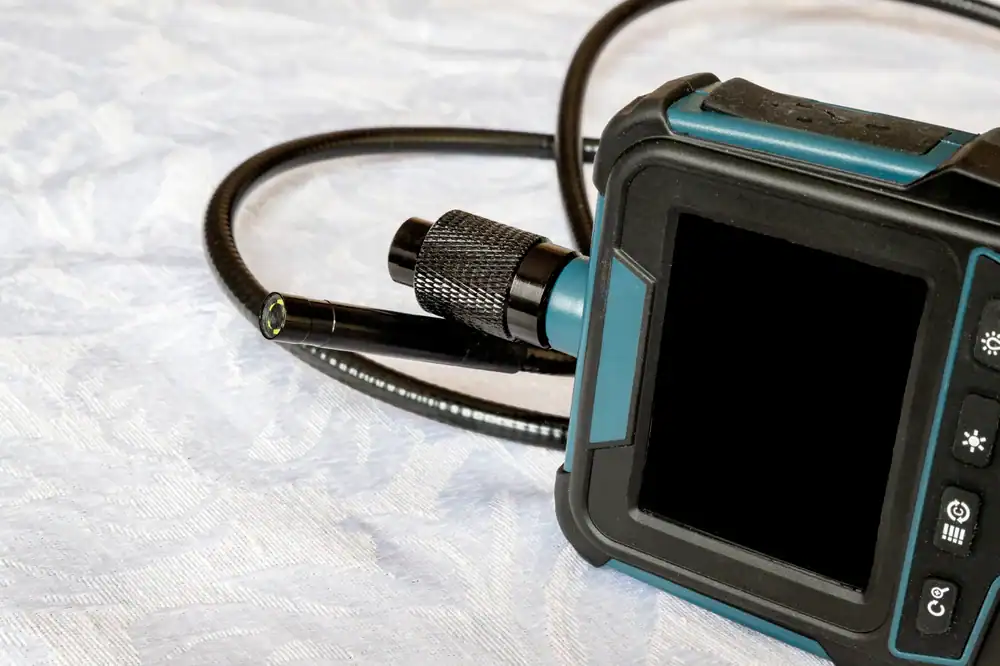
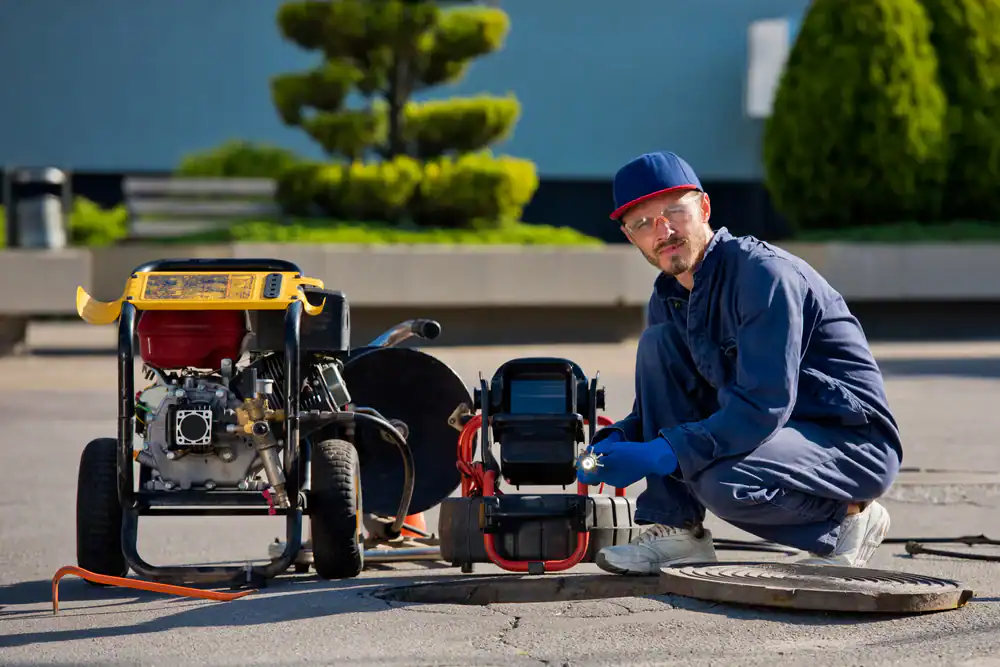
A camera inspection changes that timeline. We send a high-resolution camera through your sewer lines and cesspool system to show you exactly what’s happening underground. You see the same footage we do—roots, cracks, blockages, pipe deterioration—in real time.
That means you’re not guessing. You’re not waiting for a backup to confirm there’s a problem. You’re making decisions based on what’s actually there, while repairs are still manageable. A $300 inspection can prevent a $15,000 emergency dig-up, and you’ll have documentation if you ever need it for insurance or a property sale.
We’ve been handling cesspool and septic systems across Long Island for over four generations. We’re not general plumbers dabbling in cesspools—this is what we do, day in and day out.
Stony Brook’s soil, water table, and aging infrastructure create specific challenges. Most homes here were built in the 1960s with clay or cast iron pipes that are now 60+ years old. We’ve seen what fails, when it fails, and how Long Island’s sandy soil and high water table accelerate those problems.
We’re licensed, insured, and familiar with Suffolk County’s regulations. When we inspect your system, we’re looking at it through decades of local experience—not a generic checklist.
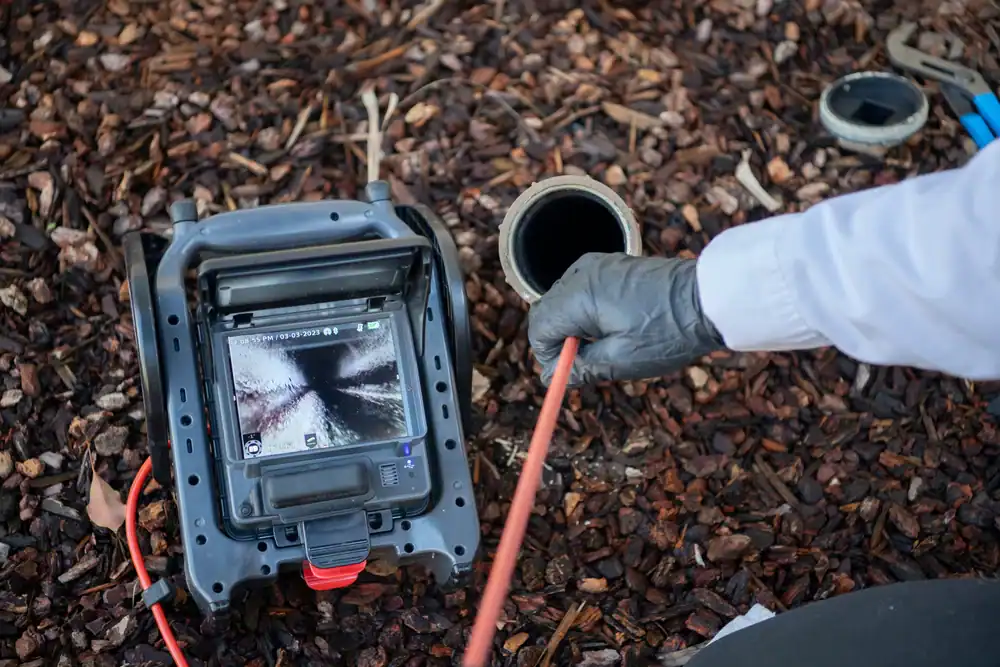
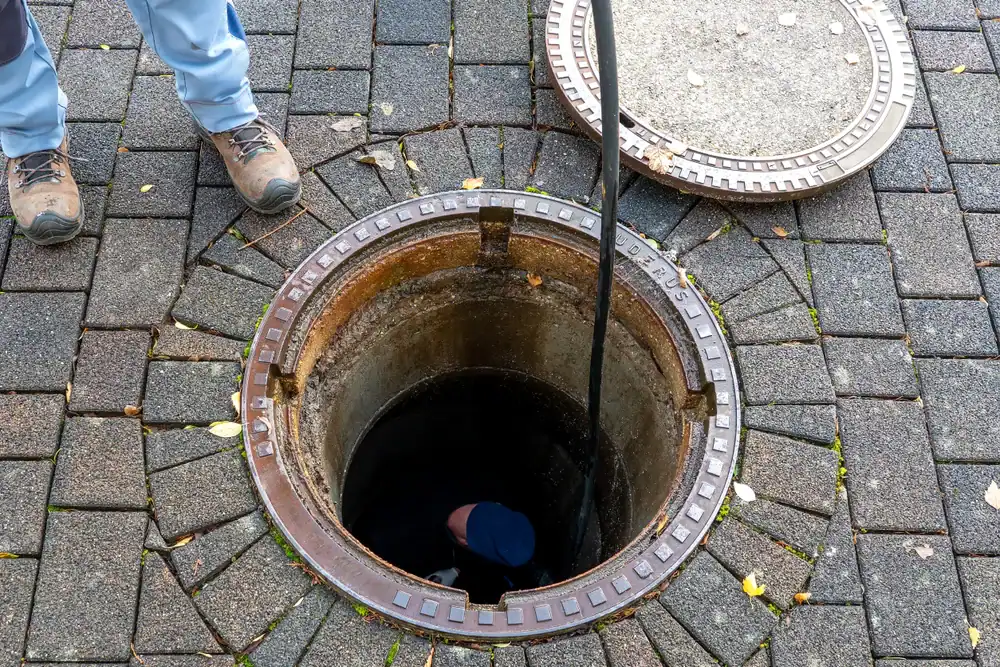
We start by locating your cleanout access point—usually a pipe with a cap in your yard or basement. From there, we feed a waterproof camera attached to a flexible cable into your sewer line. The camera is small enough to navigate bends and turns, and it can travel up to 300 feet through pipes as narrow as two inches.
As the camera moves through your system, it sends live video back to a monitor. You can watch alongside us. We’re looking for cracks, root intrusion, blockages, pipe corrosion, and any signs your cesspool is failing or full. The camera also records GPS coordinates so we know exactly where problems are located—no guessing when it’s time to dig.
After the inspection, you get a written report with video footage, screenshots, and our assessment. If we find issues, we’ll explain what needs attention now versus what you can monitor. If your system looks good, you’ll have documentation proving it—useful for home sales, insurance, or just peace of mind.
The whole process typically takes 30 to 60 minutes, and we don’t need to tear up your yard to do it.
Ready to get started?
When you schedule a camera inspection with us, you’re getting more than a quick look. You’re getting a full pipe condition assessment that pinpoints problems before they escalate.
Here’s what that includes: real-time video of your entire sewer line and cesspool system, a recorded copy of the footage for your records, a written report with GPS-tagged problem areas, and a clear explanation of what we found. If there’s a blockage, we’ll tell you what’s causing it. If there’s a crack, we’ll show you where and how serious it is.
This matters in Stony Brook because of how homes here are built. With a median home age pushing 60 years, most properties are sitting on original clay or cast iron pipes that are well past their expected lifespan. Long Island’s sandy soil shifts, tree roots grow aggressively toward water sources, and the high water table puts constant pressure on aging systems. A camera inspection gives you the full picture of how your system is holding up under those conditions—and whether you’re looking at a $500 repair now or a $20,000 replacement later.
You’ll also get our recommendation on next steps, whether that’s a simple cleaning, a targeted repair, or planning for a larger project down the road.
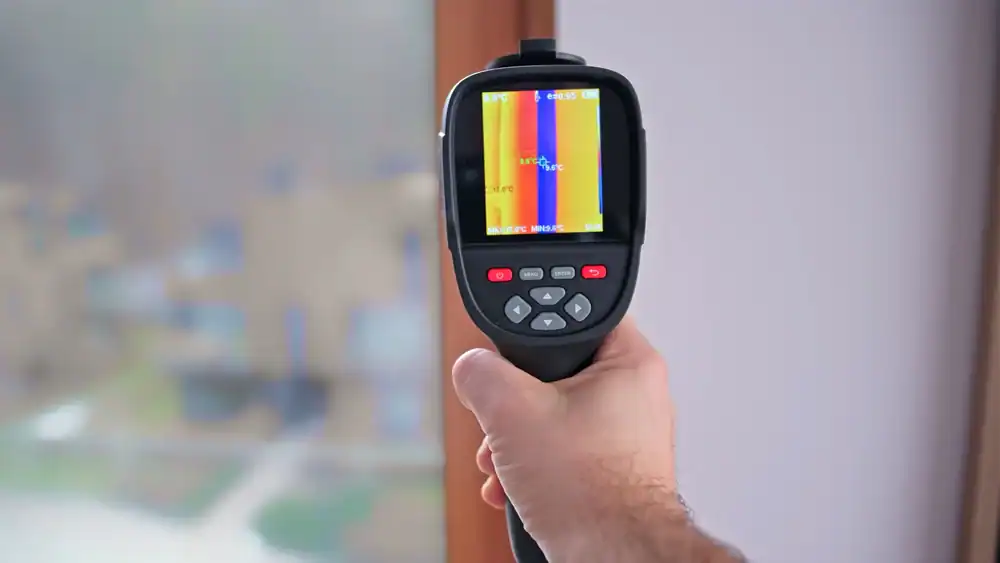
Most camera inspections run between $200 and $400, depending on the length of your sewer line and how accessible your system is. That’s a small cost compared to what you’re protecting against.
Without a camera, diagnosing underground problems means guessing—or waiting until something fails and you’re facing an emergency. A single sewage backup can cost $3,000 to $5,000 to clean up and repair. A full sewer line replacement can run $8,000 to $25,000. If you’re buying a home, skipping a sewer inspection can mean inheriting someone else’s $15,000 problem a month after closing.
The inspection pays for itself if it catches even one issue early. And if your system looks good, you’ve got documentation proving it—useful for future buyers, insurance claims, or just knowing you’re not sitting on a ticking time bomb.
If you’re buying a home in Stony Brook, get one before you close. Standard home inspections don’t include sewer lines, and most problems are hidden underground until they’re expensive. Sellers aren’t required to disclose cesspool issues unless they know about them, so you’re taking a risk if you skip it.
If you already own your home, schedule an inspection if you’re noticing slow drains, gurgling toilets, sewage odors, or wet spots in your yard. Those are early warning signs that something’s wrong. Even if everything seems fine, it’s smart to inspect older systems—especially if your home was built before 1980 and you’ve never had the lines checked.
You should also get an inspection before any major landscaping or construction work near your sewer lines. Knowing where your pipes are and what condition they’re in can save you from accidentally damaging them—and from expensive repairs that could’ve been avoided.
A camera inspection shows you everything happening inside your pipes. The most common issues we find are tree root intrusion, cracks or breaks in the pipe, blockages from grease or debris buildup, corrosion in older metal pipes, and bellied or sagging sections where the pipe has settled unevenly.
We also catch signs that your cesspool is failing—like standing water, sediment buildup, or structural collapse. In Stony Brook, root intrusion is especially common because trees naturally grow toward water sources, and older clay pipes have seams that roots can penetrate. Once roots get in, they expand and create blockages that lead to backups.
The camera also reveals problems you wouldn’t know to look for, like improper pipe slope, connections that weren’t sealed correctly, or damage from soil shifting. About 80% of inspections turn up issues beyond what the homeowner originally called about. That’s not a sales tactic—it’s just what happens when you finally get a clear look at a system that’s been underground for decades.
Sometimes, yes. If the camera reveals a simple blockage—like a grease clog or a small root intrusion—we can often clear it on the spot with hydro jetting or mechanical snaking. You’ll know right away because we can run the camera back through to confirm the line is clear.
For more serious issues—cracks, collapsed pipes, or a failing cesspool—we’ll need to schedule a follow-up. But the camera inspection gives us the exact location and nature of the problem, so we’re not guessing or digging up your entire yard to find it. That saves time and money when it’s time to make repairs.
We’ll walk you through what we found, explain your options, and give you a clear estimate before any work starts. If it’s something that needs immediate attention, we’ll tell you. If it’s something you can monitor and address later, we’ll tell you that too. The goal is to give you enough information to make the right call for your situation and budget.
If you’re buying a home, yes—even if everything seems fine. Cesspool and sewer line problems develop slowly, and by the time symptoms show up, the damage is often extensive. A system can seem perfectly functional for months while roots are growing, pipes are cracking, or a cesspool is filling up. Then one day it fails, and you’re looking at an emergency repair bill.
If you’ve owned your home for years and never had issues, you’re probably okay to wait until you notice symptoms—but it’s worth inspecting older systems proactively, especially if your home was built in the 1960s or earlier. Long Island’s soil and water table are tough on aging pipes, and most systems here weren’t designed to last 60+ years.
Think of it like this: you wouldn’t skip a roof inspection just because you don’t see leaks yet. Underground systems are the same—they’re expensive to replace, and catching problems early is always cheaper than waiting for a failure. A camera inspection gives you a baseline so you know what you’re working with and can plan accordingly.
If we find something major—like a collapsed pipe, a failing cesspool, or extensive root damage—we’ll explain what’s happening, why it’s a problem, and what your options are. You’ll get a written report with video evidence, GPS coordinates of the problem area, and a clear cost estimate for repairs.
From there, you decide how to move forward. If it’s an urgent issue that’s causing backups or risking property damage, we’ll prioritize getting it fixed quickly. If it’s something that’s deteriorating but not critical yet, we can help you plan for repairs on a timeline that works for your budget.
The advantage of having camera footage is that you’re not taking our word for it—you’ve seen the problem yourself. That also helps if you need to file an insurance claim, negotiate with a home seller, or get a second opinion. And because we’ve pinpointed the exact location, repairs are faster and less invasive. Instead of digging a 50-foot trench to find a 5-foot problem, we go straight to the issue and fix it.
Other Services we provide in Stony Brook