
Hear from Our Customers
You don’t want to tear up your yard based on a guess. A sewer line video inspection gives you real-time footage of what’s happening inside your pipes—blockages, cracks, collapsed sections, tree roots pushing through joints. You see it on a screen while the camera moves through the line.
That means no excavating your driveway to find out the problem is actually 50 feet in the other direction. No paying for a full replacement when a targeted repair would’ve handled it. The camera pinpoints the issue, measures the depth, and gives you a clear picture of what needs attention and what doesn’t.
If you’re buying a home in West Sayville, this is how you avoid inheriting someone else’s plumbing disaster. If you’re dealing with slow drains or backups, this is how you stop guessing and start fixing the right thing.
We’ve been servicing cesspools and septic systems across West Sayville and the South Shore for years. We know how Long Island’s sandy soil affects drainage, how older homes were plumbed, and what typically goes wrong with systems in this area.
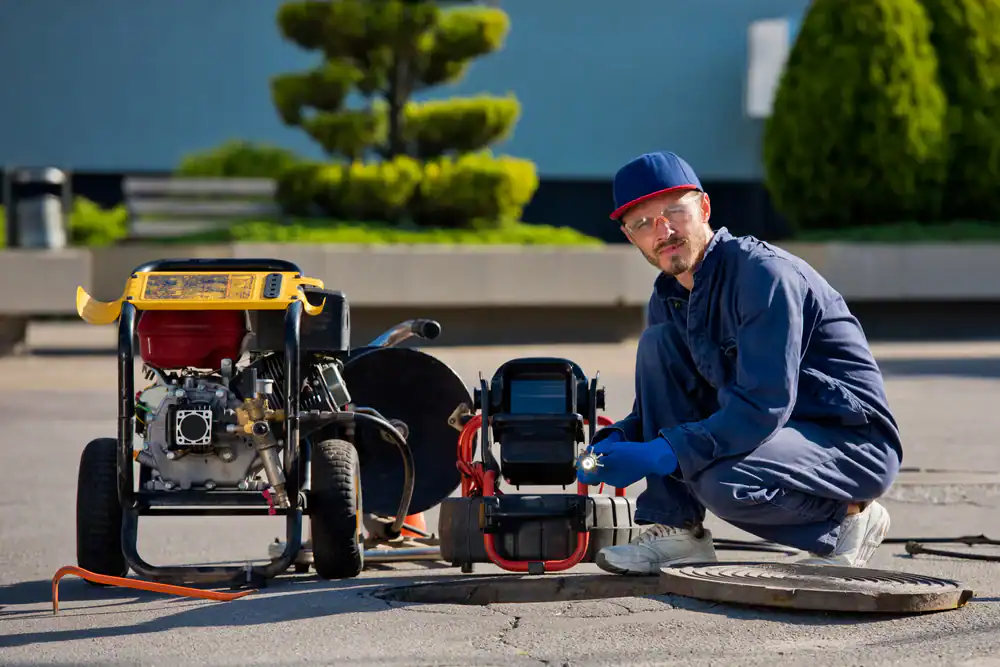
Our trucks carry the cameras, the locating equipment, and the experience to interpret what we’re seeing. We’re licensed, insured, and available 24/7 if something goes sideways. You’ll get a straight answer about what’s happening underground—not a sales pitch for work you don’t need.
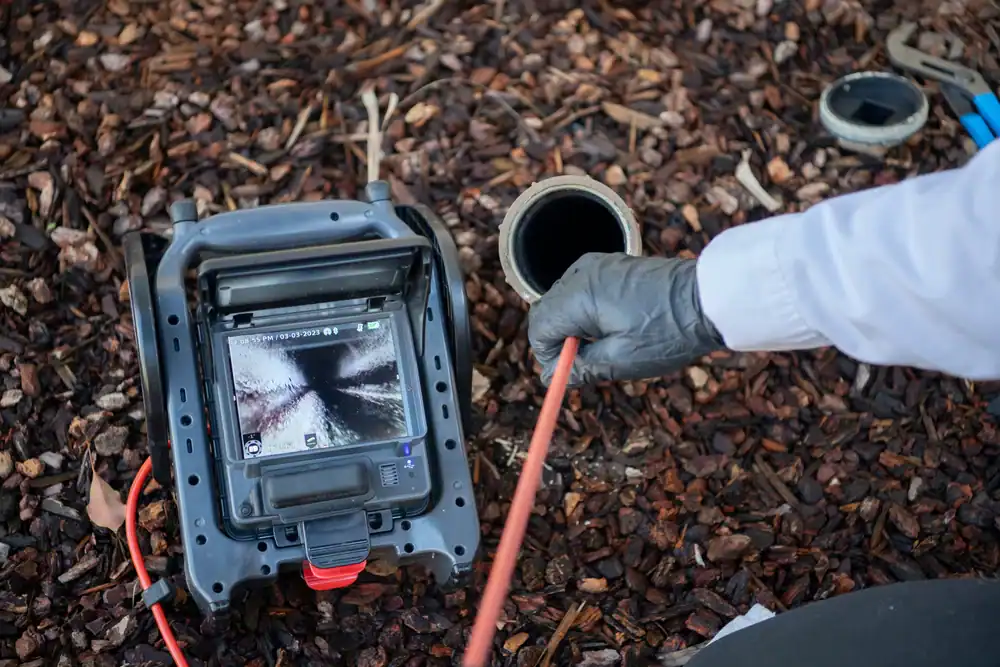
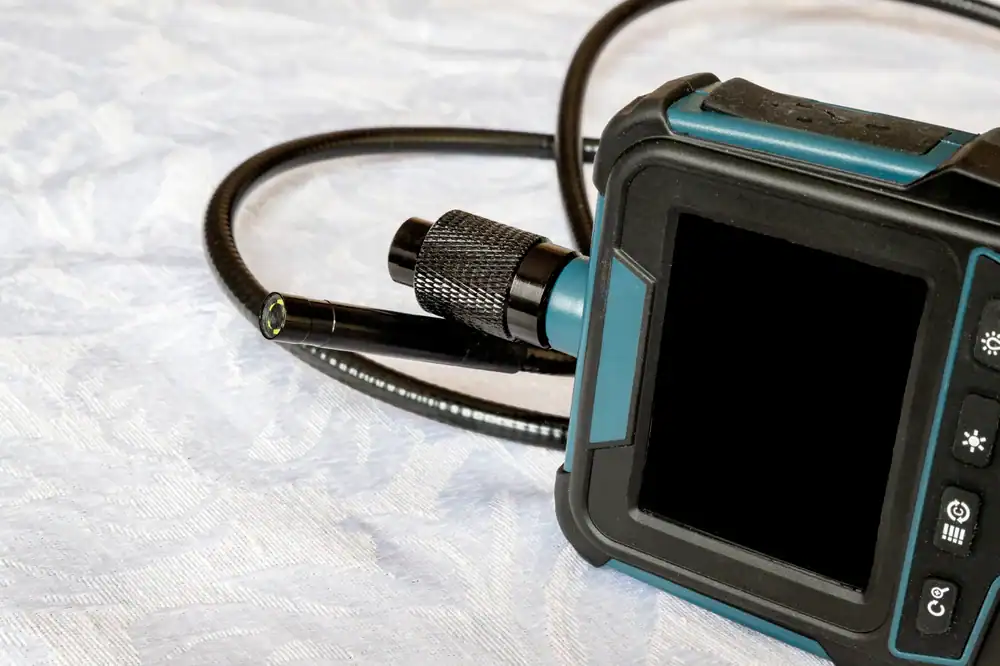
We start by locating your cleanout or access point—usually near the foundation or in the yard. The camera head is small, waterproof, and attached to a flexible cable that feeds through your sewer line. As it moves, it sends live video back to a monitor so you can watch along with us.
The camera travels the full length of the line, up to 300 feet if needed. We’re looking for clogs, cracks, root intrusions, pipe separation, corrosion, or collapsed sections. The system timestamps and marks the location of any issues, so if you do need to dig, we know exactly where to go.
You get a digital recording of the inspection and a report that explains what we found. If there’s a problem, we’ll tell you what it’ll take to fix it. If everything looks fine, you’ll have documentation proving your system is in good shape—helpful for home sales or just peace of mind.
Ready to get started?
The inspection includes the camera run, live monitoring, digital footage, and a written report with findings and locations. If we spot a clog, we’ll tell you what’s causing it—grease buildup, foreign objects, root infiltration. If there’s structural damage, you’ll see the crack or collapse on screen.
In West Sayville, we often find tree roots working their way into older clay or cast iron pipes. The sandy soil here drains well, but it also shifts, which can separate pipe joints over time. A camera inspection catches these issues before they turn into a full backup or a flooded basement.
You’ll also get depth and distance measurements, so if repair or replacement is necessary, contractors know exactly where to work. That saves time, reduces labor costs, and keeps your property disruption to a minimum. The whole process usually takes an hour or less, depending on the length of your line and what we find.
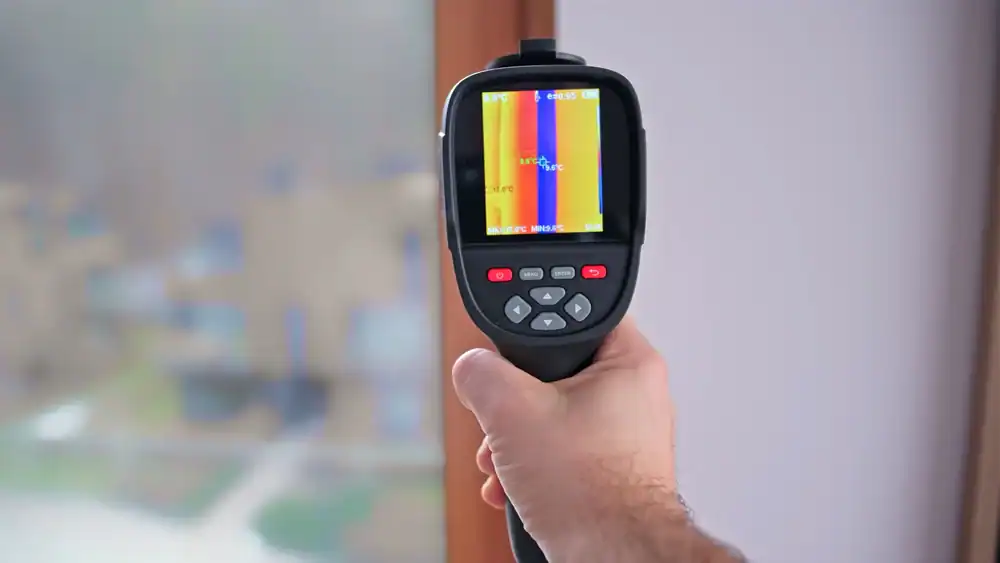
Most camera inspections in this area run between $150 and $400, depending on the length of the line and how accessible your cleanout is. If you’re already scheduling a pump-out or repair, we’ll include the inspection at a reduced rate or fold it into the service.
The cost is a fraction of what you’d spend on unnecessary excavation or misdiagnosing the problem. If you’re buying a home, it’s one of the smartest investments you can make before closing—sewer line repairs can easily hit $5,000 to $10,000 if you inherit a failing system.
We give free estimates, so you’ll know the price upfront. No surprises, no upselling. Just a clear number for a clear service.
The camera shows you the interior condition of your pipes in real time. You’ll see blockages—whether it’s grease, debris, or tree roots. You’ll see cracks, holes, or sections where the pipe has separated at the joints. You’ll see corrosion or scaling on the pipe walls, and you’ll see if a section has collapsed or shifted.
The footage is high-resolution, so it’s not grainy or hard to interpret. We can pause, rewind, and zoom in on problem areas. The camera also measures distance from the entry point, so we know exactly how far down the line the issue is.
What it can’t do is see through solid blockages. If there’s a complete clog, we may need to clear it first before running the camera through to check for damage. But in most cases, the camera gives you a full picture of what’s going on underground without ever breaking ground.
If you’re dealing with repeated backups, slow drains, or wet spots in your yard, a camera inspection will show you why. If you’re buying a home, get one done before you close—standard home inspections don’t cover sewer lines, and that’s where expensive problems hide.
You should also consider an inspection if your system is over 20 years old and you’ve never had one done. Pipes don’t last forever, especially older clay or cast iron lines common in West Sayville. Catching a crack or root intrusion early means you can plan a repair on your timeline, not during an emergency.
If you’re planning a renovation or addition, knowing the condition and location of your sewer line can prevent costly surprises during construction. And if you’ve just had a backup cleared, a camera inspection confirms the line is actually clear and checks for underlying damage that caused the clog in the first place.
Yes. Tree roots are one of the most common causes of sewer line damage on Long Island. Roots grow toward moisture, and even a tiny crack or loose joint in your pipe is enough to attract them. Once they get in, they expand, crack the pipe further, and create blockages as debris catches on the root mass.
In West Sayville, older homes often have mature trees near the sewer line path. Clay and cast iron pipes are especially vulnerable because the joints aren’t sealed as tightly as modern PVC. A camera inspection will show you if roots have infiltrated, how severe the intrusion is, and whether you need root removal, pipe repair, or replacement.
Ignoring root damage doesn’t make it go away—it makes it worse. The roots keep growing, the cracks get bigger, and eventually the pipe collapses or creates a full blockage. Catching it early with a camera inspection means you can address it before it becomes a major excavation job.
Most inspections take 30 minutes to an hour, depending on the length of your sewer line and whether we find any issues that need a closer look. If your line is short and straightforward, we can be in and out quickly. If it’s a longer run or we’re navigating multiple bends, it takes a bit more time.
We’re not rushing through it. The goal is to give you a thorough look at the entire line, not just spot-check a section. If we find a problem, we’ll spend extra time documenting it, measuring the location, and explaining what you’re looking at.
You’ll leave with the footage, a written report, and a clear understanding of your system’s condition. If repairs are needed, we’ll walk you through the options and give you an honest estimate. If everything looks good, you’ll have peace of mind and documentation to prove it.
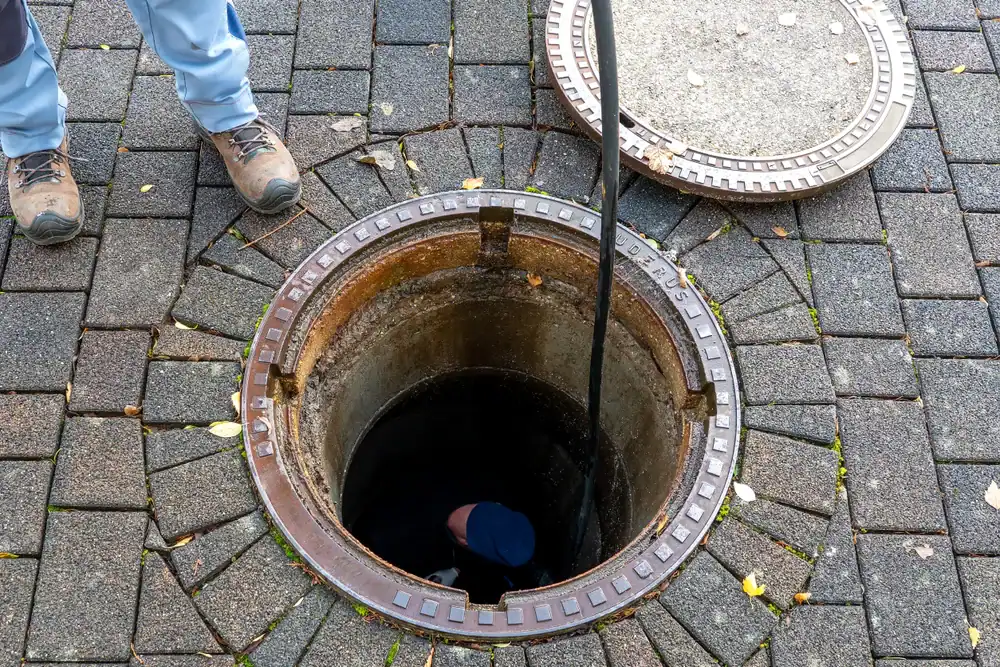
Not much. We need access to your cleanout, which is usually a capped pipe near your foundation, in the yard, or sometimes in the basement. If you know where it is, that helps. If you don’t, we’ll locate it.
If your line is completely blocked, we may need to clear the clog first before running the camera through. The camera can push through some debris, but a total blockage will stop it. In that case, we’ll clear the line, then inspect it to check for damage that caused or contributed to the backup.
You don’t need to be home the whole time, but it’s helpful if you can be there for the review. We’ll show you the footage, explain what we’re seeing, and answer any questions on the spot. If you can’t be there, we’ll send you the recording and report and walk you through it over the phone.
Other Services we provide in West Sayville