
Hear from Our Customers
No more sewage backing up into your home during heavy rain. No more standing water in your yard that won’t drain. No more wondering if today’s the day your old clay pipes finally collapse completely.
A proper line change means your waste flows where it’s supposed to—from your house to your cesspool—without pooling, without backup, without that smell you’ve been trying to ignore. The right pipe pitch matters. So does the excavation depth. And the connection points between sections.
When it’s done correctly, you shouldn’t think about your sewer line again for decades. That’s what a real replacement gets you—not a temporary patch, but a system that handles everything you put down your drains without complaint. Your property stays dry. Your home stays clean. And you stop worrying every time someone flushes.
We’ve been handling cesspool systems across Suffolk County since before most companies in this space even existed. Four generations of the same family, all learning the same ground conditions, the same soil types, the same water table issues that make Aquebogue different from the rest of Long Island.
That means when we trench your property, we already know what’s six feet down. We know how sandy soil affects settling. We know what happens to old lines when the ground freezes and thaws year after year.
You’re not getting a crew that learned this trade somewhere else and moved here last year. You’re getting people who’ve dug thousands of lines in this exact area, who understand the local codes, and who’ve seen what works long-term versus what fails in five years.
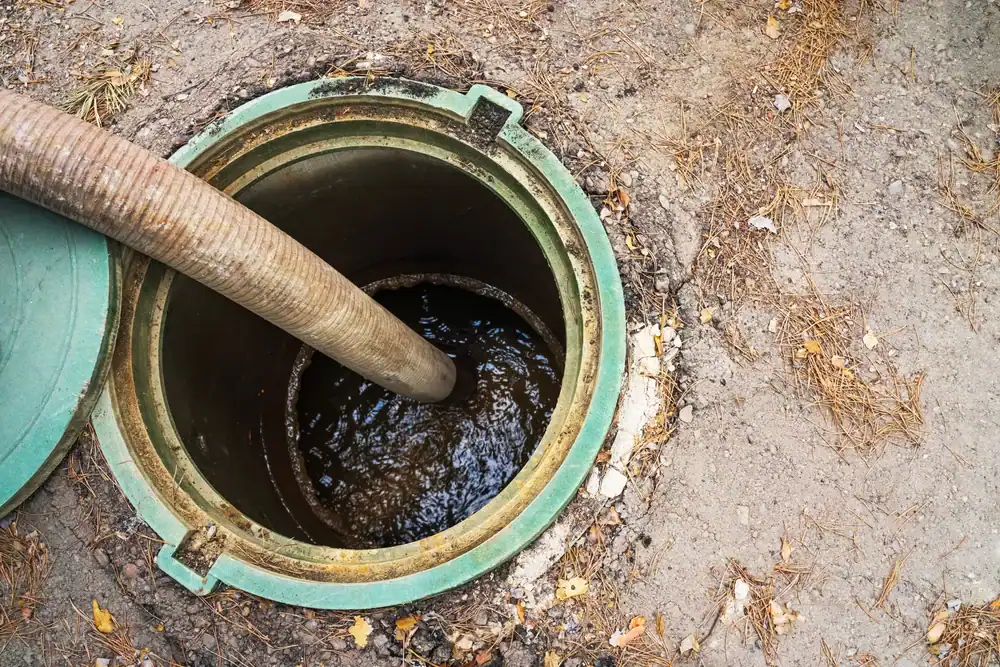
First, we locate your existing line and figure out where it’s failing. Sometimes it’s obvious—there’s a sinkhole in your yard. Other times we need a camera to find the break or the root intrusion that’s choking your flow.
Once we know what we’re dealing with, we map the new route. This isn’t random. We’re calculating proper pipe pitch and slope—typically a quarter inch per foot—so gravity does the work and waste doesn’t pool in low spots. We mark utilities. We plan access points that won’t destroy your landscaping more than necessary.
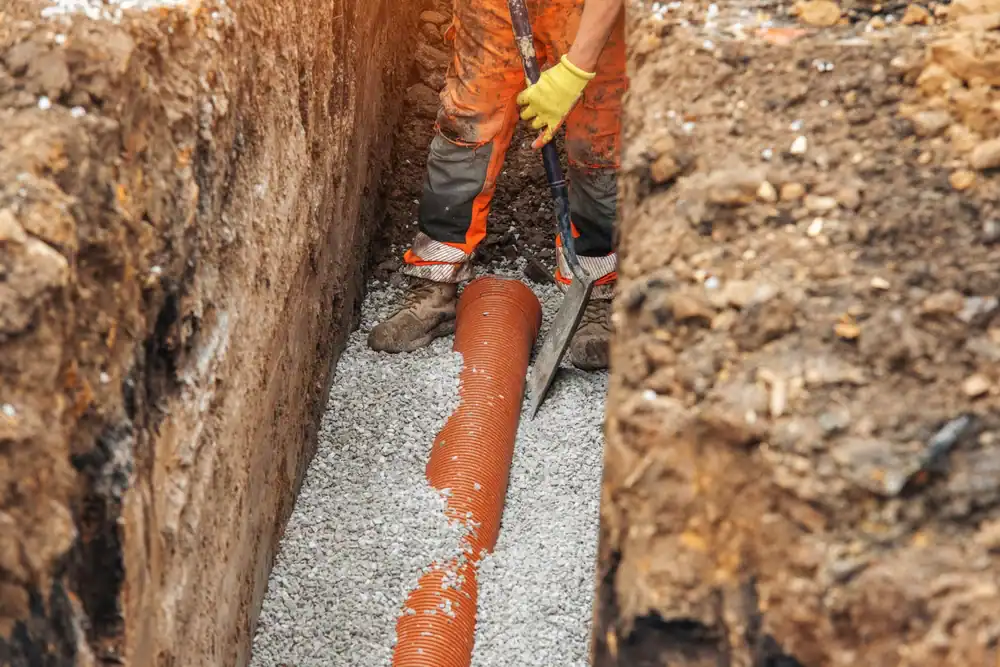
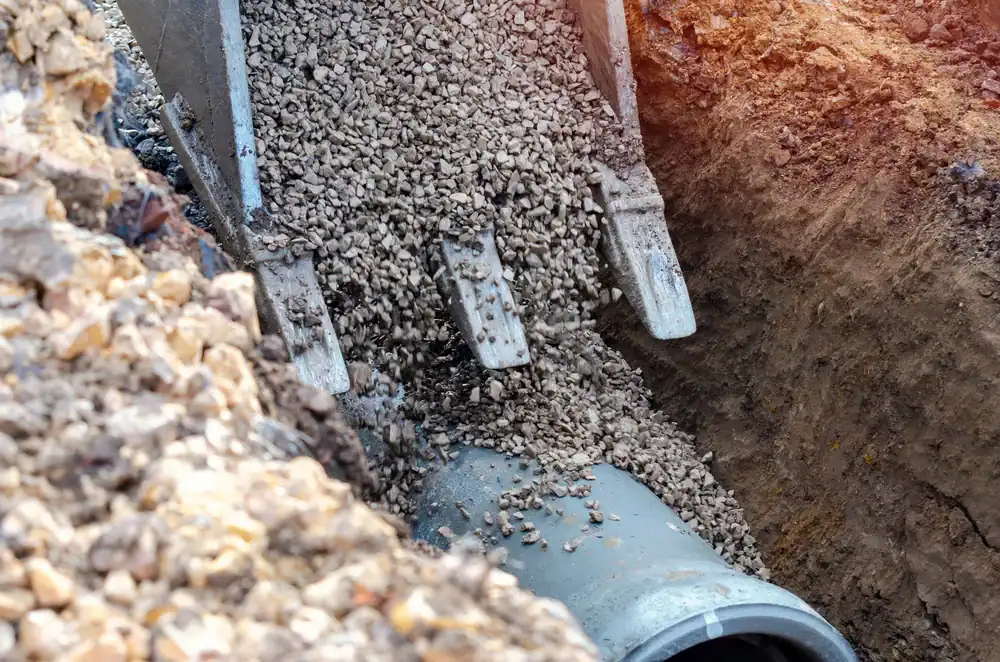
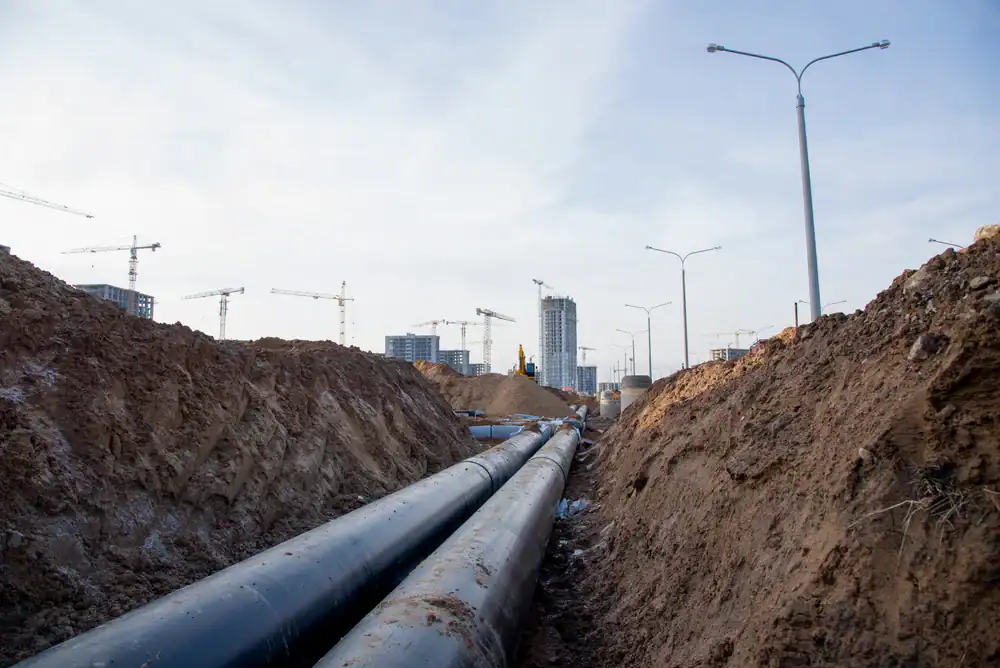
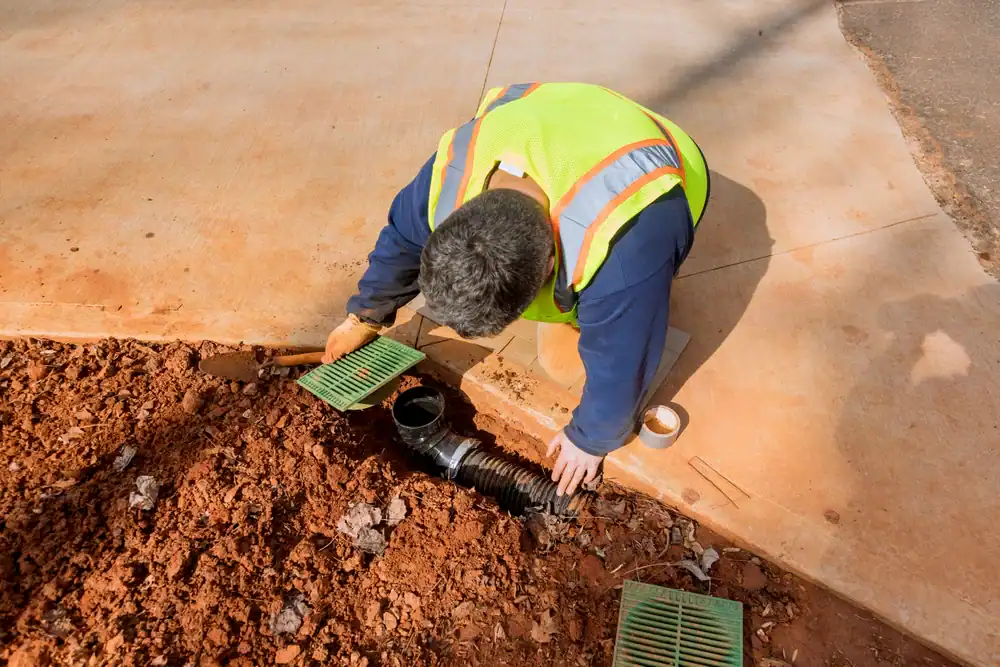
Then comes trenching and excavation. We dig to the depth your new line needs, set the grade, and lay the pipe in sections. Each connection gets checked. Each joint gets sealed. We’re not just dropping pipe in a hole—we’re building a system that has to work under pressure, under load, under Long Island’s freeze-thaw cycles.
After the line’s in and connected to your cesspool, we test it. We backfill carefully, compacting as we go so you don’t get settling later. And we leave your property as close to how we found it as possible—minus the failing sewer line.
Ready to get started?
You get the full scope—not just the pipe. That means locating and marking existing utilities so we don’t hit anything we shouldn’t. It means proper excavation to the correct depth for your specific property and cesspool location. It means new pipe rated for Long Island conditions, not the cheapest option we can source.
We handle the pitch and slope calculations so your system drains correctly. We manage the connection points—where your house line meets the new main, and where that main connects to your cesspool. These aren’t places you want leaks or weak joints, so we don’t cut corners.
In Aquebogue, soil conditions can vary even within the same neighborhood. Sandy areas drain differently than clay pockets. We adjust our backfill and compaction approach based on what we’re actually digging through on your property, not some generic standard that doesn’t account for local ground composition.
And if we find something unexpected—old roots, a collapsed section we didn’t see on camera, ledge rock—we handle it. You’re not getting surprise charges for things that should’ve been part of the estimate in the first place.
Most full line changes in this area run between $3,000 and $6,000, depending on distance and site conditions. That’s for a complete replacement—new pipe from your house to your cesspool, proper excavation, correct pitch, and professional installation.
The price moves based on how far we’re running the line and what we encounter underground. A straight 50-foot run through sandy soil costs less than a 100-foot run that has to navigate around mature trees or go deeper to avoid ledge rock. If your property has access issues—tight spaces, established landscaping we need to work around, or a cesspool that’s unusually far from the house—that affects the number too.
What you’re paying for is work that lasts. A properly installed line should give you 50-plus years of service with zero maintenance. Compare that to patching a failing line every few years, and the math makes sense. You’re also avoiding the emergency pricing that comes when your line fails completely and you need someone out today, regardless of cost.
Ground movement is the biggest culprit. Long Island goes through freeze-thaw cycles every winter. The ground heaves, settles, shifts. Old lines—especially clay or Orangeburg pipe—can’t flex with that movement. Joints separate. Cracks form. Once you get a small leak, it erodes the soil underneath, which causes more settling, which makes the leak worse.
Tree and shrub roots are the other major issue. Roots grow toward water sources. A tiny leak in your sewer line is basically a beacon. Roots work their way into joints and cracks, then expand as they grow. Eventually they create a full blockage, or they break the pipe apart completely.
Age plays a role too. If your line was installed 40 or 50 years ago, it’s likely made of materials that just don’t hold up long-term. Clay can crack. Cast iron corrodes. Orangeburg—a tar paper product used mid-century—literally disintegrates. At some point, patching old pipe stops making sense. You’re better off replacing it with modern materials that won’t have the same failure points.
If you’re dealing with a single localized break—maybe a root punctured one section, or a vehicle drove over part of your line and crushed it—a repair might be enough. We can excavate that section, replace the damaged pipe, and leave the rest of the line intact.
But if your line is old and showing multiple problems, replacement makes more sense. Frequent backups, slow drains throughout the house, wet spots in multiple areas of your yard—these point to systemic failure, not one bad section. Repairing one spot doesn’t fix the fact that the rest of your line is the same age and deteriorating the same way.
A camera inspection usually tells the story. We can see the condition of your pipe from the inside—cracks, root intrusion, corrosion, bellied sections where the pipe has sagged and waste is pooling. If we’re seeing issues along the entire run, patching one area is just delaying the inevitable. You’ll be calling us back in six months or a year when another section fails. At that point, you’ve spent money on multiple repairs when one replacement would’ve handled it all.
Gravity is what moves waste through your line. Your system doesn’t have pumps or pressure—it relies entirely on downhill flow from your house to your cesspool. If the pitch isn’t right, waste doesn’t flow. It sits in low spots, builds up, and eventually blocks the line.
The standard is a quarter inch of drop per foot of pipe. That’s enough slope to keep things moving without being so steep that liquids rush ahead and leave solids behind. Too flat, and you get pooling. Too steep, and you get separation—the water flows but the waste doesn’t, which leads to clogs.
When we’re installing a new line, we’re checking grade constantly. We’re not eyeballing it or assuming the trench is level. We’re using actual measurements to make sure every section has the correct pitch from start to finish. This is one of those details that separates a line that works for decades from one that gives you problems within a few years. Get the slope wrong, and it doesn’t matter how good your pipe is—you’ll have drainage issues.
Most residential line changes take one to three days, depending on length and complexity. A straightforward replacement—accessible property, no major obstacles, standard distance—usually wraps up in a day or two. More involved jobs can stretch to three days if we’re navigating difficult terrain or working around existing structures.
Day one is typically excavation and old line removal. We’re digging the trench, pulling out the failed pipe, and prepping the route for new installation. Day two is setting the new line, making all the connections, testing the system, and starting backfill. If it’s a longer run or we hit complications, day three finishes backfill and site cleanup.
You’ll have working plumbing throughout the process in most cases. We coordinate the work so you’re not without sewer service for extended periods. There might be a few hours where you need to avoid running water while we’re making final connections, but we’re not leaving you without a functioning bathroom for days. And when we’re done, your yard gets restored as close as possible to its original condition—graded, compacted, and ready for grass or whatever landscaping was there before.
Yes. Suffolk County requires permits for most underground utility work, and sewer line replacement falls under that. We handle the permit application, the required documentation, and any inspections that need to happen during or after the job.
This isn’t optional paperwork—it’s how you ensure the work meets local code and how you protect yourself if you ever sell the property. Buyers and inspectors will ask about major system work. Having permitted, inspected work on record means you can show the job was done correctly and legally.
Some homeowners try to skip permits to save money or time. That’s a risk. If the work isn’t permitted and something goes wrong—a collapse, a contamination issue, a problem that affects neighboring properties—you’re liable. Insurance may not cover unpermitted work. And if you’re caught, you’ll pay penalties plus the cost of bringing everything up to code after the fact. We pull permits because it’s the right way to do the work, and because it protects you long-term.