
Hear from Our Customers
Your waste flows where it should. No more sewage surfacing in the yard during heavy rain. No more backups when you run the washing machine or flush multiple toilets.
A proper line change fixes the root problem—whether that’s collapsed pipes, wrong pitch and slope, or a connection that’s been failing for years. You’re not patching it. You’re replacing the section that’s causing the issue so it doesn’t come back next month.
Most importantly, you’re protecting your property value and avoiding the health risks that come with raw sewage exposure. Copiague sits in Suffolk County, where roughly 75% of homes rely on cesspool systems. When those lines fail here, it’s not just an inconvenience—it’s a contamination risk to your foundation, your yard, and the aquifer underneath all of us.
We’ve been handling line changes and cesspool work in Copiague and across Long Island for almost two decades. We’re a family-owned operation—four generations deep—so when we say we’ve seen it all, we mean it.
We know how cesspool systems behave in this area. We know the soil conditions, the common failure points, and what actually holds up long-term. That matters when you’re digging up part of your property and counting on the repair to last.
We also know that Copiague homeowners are dealing with Suffolk County’s tightening regulations. Since the 2019 cesspool installation ban and the push toward nitrogen-reducing systems by 2026, there’s more pressure than ever to keep your existing system compliant and functional. We help you navigate that without the runaround.
First, we assess the problem. That usually means a video inspection to see exactly where the line failed, whether it’s a collapse, root intrusion, or improper slope. You’re not guessing. You’re seeing what’s wrong.
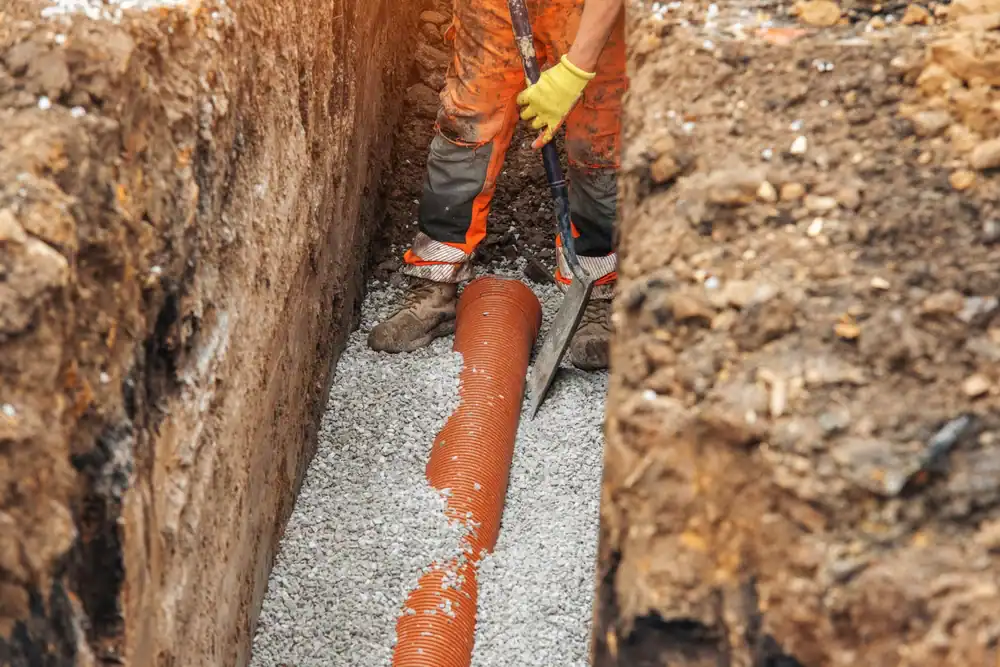
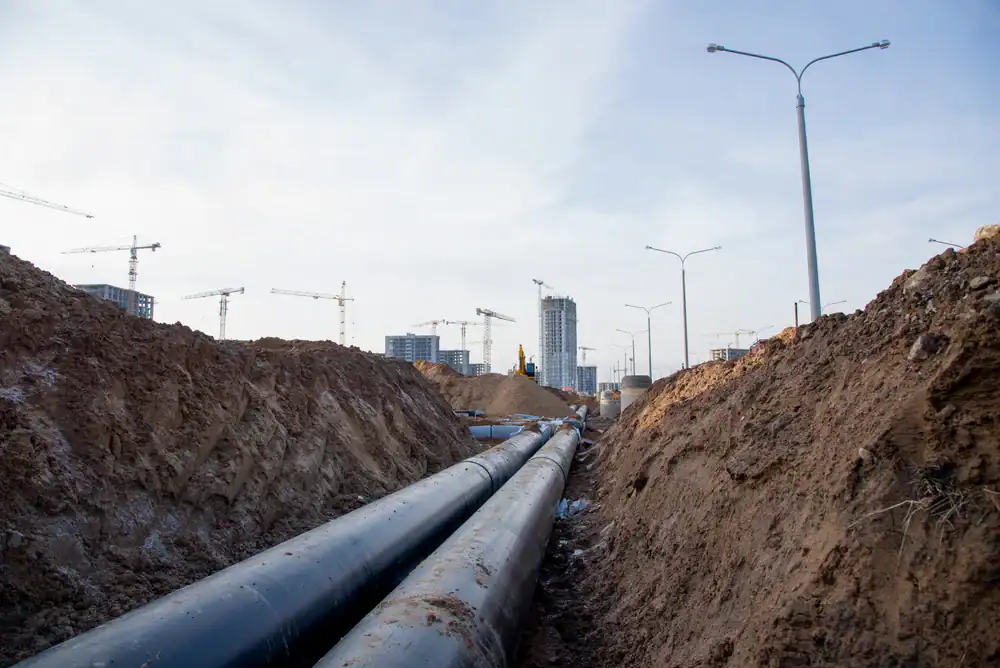
Next comes trenching and excavation. We dig down to expose the damaged section of your sewer line to cesspool connection. This is where experience matters—we protect your landscaping as much as possible and work efficiently so your property isn’t torn apart longer than necessary.
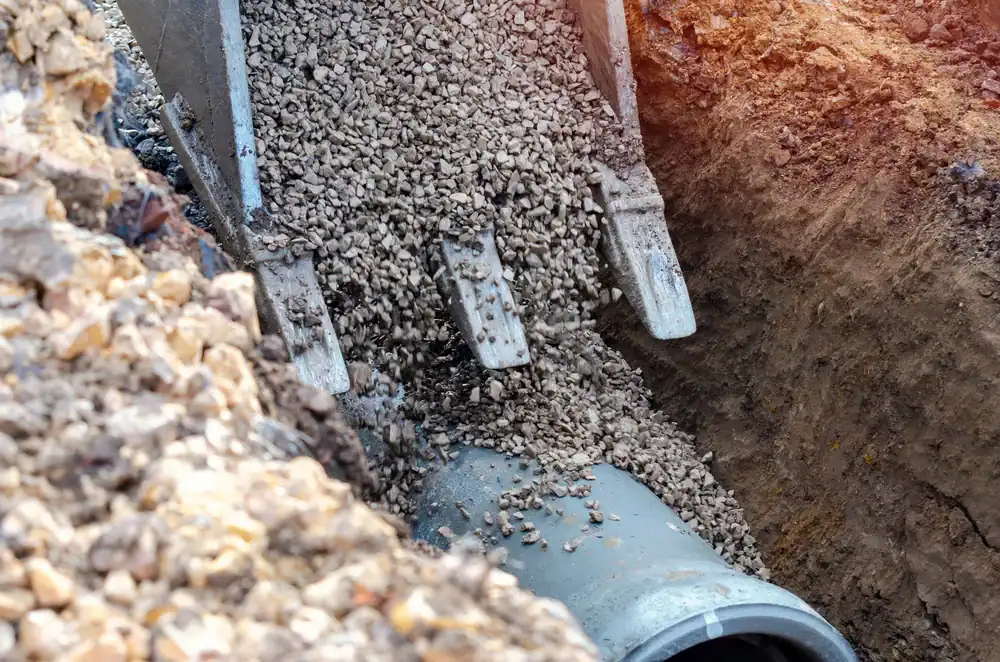
Then we remove the old pipe and install the new line with the correct pitch and slope. If waste isn’t flowing downhill at the right angle, it’ll back up again. We make sure that doesn’t happen. Once the new line is in, we backfill, compact, and test the system to confirm everything’s flowing properly.
You get documentation of the work. That’s important if you ever sell the property or need to show compliance with local regulations.
Ready to get started?
You get a full assessment before we dig. We use video inspection technology to pinpoint the exact location and cause of the failure—whether it’s backups and pipe failure from age, tree roots, or ground shifting.
We handle all the trenching and excavation required to access your main waste line. That includes protecting your driveway, walkways, and landscaping wherever possible. If we need to dig through grass or garden beds, we restore it after the line is replaced.
The new pipe is installed with proper pitch and slope so waste flows correctly into your cesspool. We don’t just drop in a new section and hope for the best. We measure, level, and test to make sure it works.
In Copiague and throughout Suffolk County, cesspool systems are under more scrutiny than ever. Approximately 250,000 cesspools here discharge untreated waste directly into the ground, which is why the county banned new installations in 2019 and is pushing upgrades by 2026. When we change your line, we’re making sure it meets current standards and won’t flag issues if you need to sell or refinance.
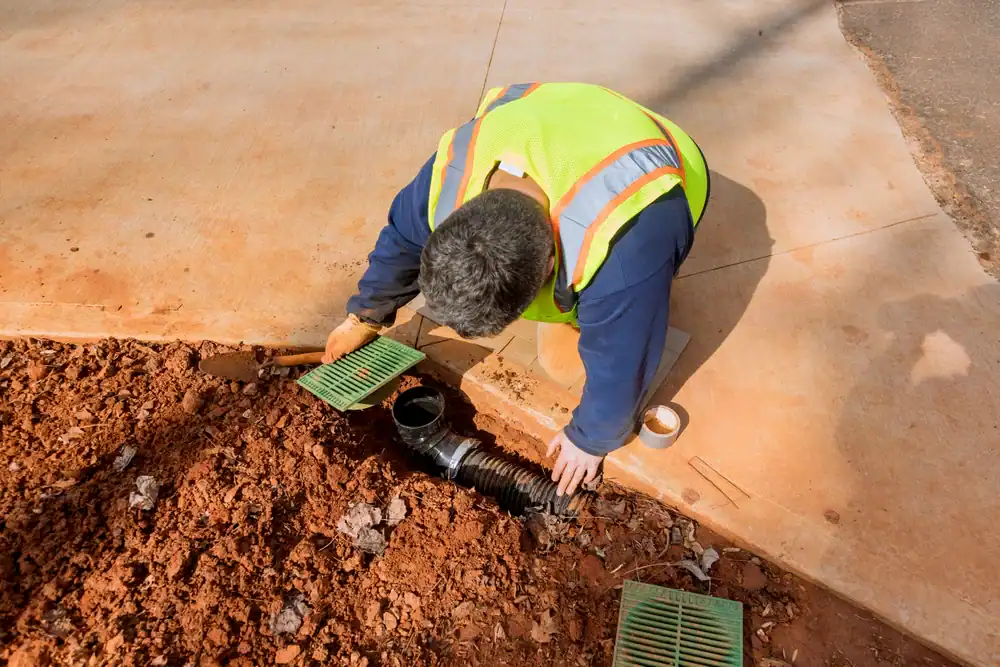
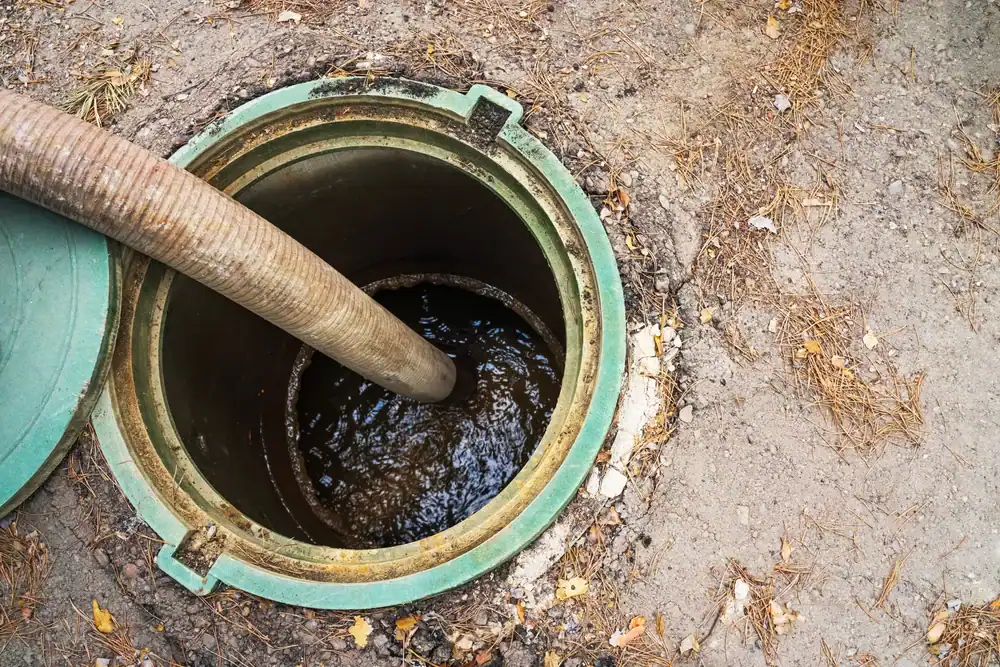
If your cesspool is full and waste is backing up, a pump-out might solve it temporarily. But if the backup keeps happening even after pumping, or if you’re seeing sewage surfacing in your yard, that’s usually a line problem.
Common signs you need a line change: slow drains throughout the house, sewage odors near the cesspool, wet spots or standing water in the yard, or backups that happen when you use multiple fixtures at once. These point to a blockage, collapse, or improper slope in the line itself.
A video inspection will show exactly what’s going on. We can see if the pipe is cracked, crushed, full of roots, or sagging. That takes the guesswork out and tells you whether you’re looking at a repair or a full line replacement.
Most line changes take one to three days depending on the length of pipe being replaced, how deep we need to dig, and what’s in the way. If we’re replacing a short section close to the surface with clear access, it’s faster. If the line runs under a driveway or requires deeper excavation, it takes longer.
Weather and soil conditions in Copiague can also affect timing. Heavy rain or saturated ground slows things down because we need stable conditions to trench safely and backfill properly.
We’ll give you a realistic timeline upfront based on what the video inspection shows. Once we start, we work straight through to get your system back online as quickly as possible without cutting corners on the install.
No. We only excavate the section of line that’s damaged or failing. The video inspection shows us exactly where the problem is, so we’re not guessing or digging up more than necessary.
If the failure is between your house and the cesspool, we trench a path to that specific area. If it’s right at the cesspool connection, the excavation is even more contained. We’re not tearing up your whole property.
We also take care to protect landscaping, driveways, and hardscaping wherever possible. After the new line is in and tested, we backfill the trench, compact the soil, and restore the surface. You’ll see some disruption during the job, but we’re not leaving your yard looking like a construction zone when we’re done.
Age is the biggest factor. Older pipes crack, corrode, or collapse over time, especially if they’re made from clay or cast iron. Tree roots are another common culprit—they grow into joints and cracks looking for water, then expand and break the pipe apart.
Improper installation also causes failures. If the original line was installed without the right pitch and slope, waste doesn’t flow properly and solids build up. Over time, that leads to blockages and backups. Ground shifting or settling can also throw off the slope or crack pipes.
In Copiague and across Suffolk County, the soil and water table conditions put extra stress on cesspool systems. With about 75% of properties here relying on cesspools, line failures are more common than in areas with municipal sewer. Regular maintenance helps, but eventually most lines need replacement.
Cost depends on how much pipe needs replacing, how deep it is, and what’s involved in the excavation. A straightforward line change on accessible property costs less than one that requires digging under a driveway or through heavily landscaped areas.
We give you a clear estimate after the video inspection so you know exactly what you’re paying for. No surprises, no hidden fees. You’ll see the scope of work, the materials, and the labor broken down.
It’s also worth considering the cost of not fixing it. A failing line leads to repeated backups, property damage, contamination risks, and potential fines from Suffolk County if your system isn’t compliant. Emergency repairs during a sewage backup always cost more than a planned line change. Fixing it right the first time saves you money and stress down the road.
If you’re seeing backups, sewage in your yard, or persistent slow drains, waiting makes it worse. A failing line doesn’t fix itself—it continues to deteriorate until you’re dealing with a full collapse or a sewage emergency.
Delaying also increases the risk of contamination. Raw sewage carries bacteria, viruses, and parasites that pose serious health risks to your family and neighbors. In Suffolk County, where cesspools discharge directly into the ground above our sole-source aquifer, a failing line is an environmental issue too.
There’s also the regulatory side. Suffolk County has been cracking down on failing cesspool systems, with fines ranging from $250 to $2,000 for non-compliance. If you’re planning to sell your property, buyers and mortgage companies will require documentation that your system is functional and up to code. A failing line will delay or kill the sale. Getting it fixed now protects your property value and keeps you compliant.
Other Services we provide in Copiague