
Hear from Our Customers
Your drains flow like they should. No more slow sinks or toilets that hesitate. No more wondering if today’s the day your system backs up into the house.
That’s what proper line changes give you. When the main waste line is replaced correctly—with the right pitch, the right materials, and the right installation—your cesspool system does its job without drama. You’re not calling for emergency service. You’re not dealing with raw sewage in your yard or basement.
The difference between a line that works and one that fails comes down to how it’s installed. Pitch matters. Slope matters. Bedding matters. Get those wrong, and you’re looking at backups, clogs, and expensive repairs within a few years. Get them right, and your system runs quietly in the background for decades.
We’ve been handling line changes and cesspool work on the North Fork for years. We’re not new to Cutchogue’s sandy soil or the way older properties were plumbed. We know where the problems show up and how to fix them so they stay fixed.
We’re licensed, insured, and equipped to handle everything from a simple pipe repair to a full main waste line replacement with trenching and excavation. Our trucks are ready. Our crew knows the work. And we treat your property like it’s ours—because reputation matters more than rushing through a job.
You’ll find us serving homeowners throughout Cutchogue and the surrounding North Fork communities. We show up when we say we will, we explain what needs to happen, and we don’t surprise you with the bill.
First, we locate the problem. That might mean camera inspection to see where the line failed, or it might be obvious from where the backup’s happening. Either way, we figure out what section needs replacement and what’s causing the issue.
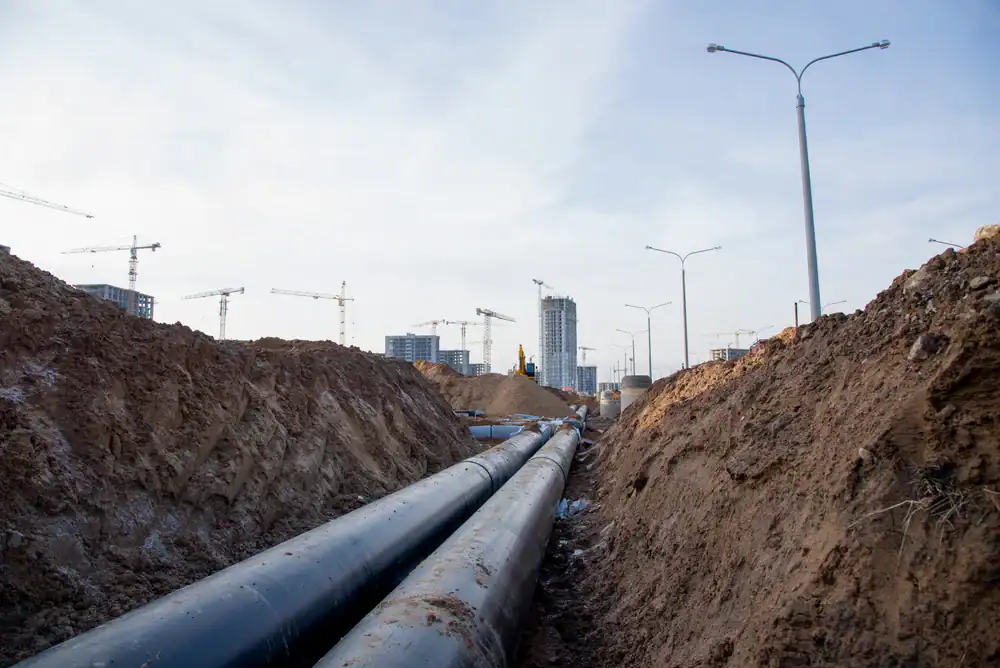
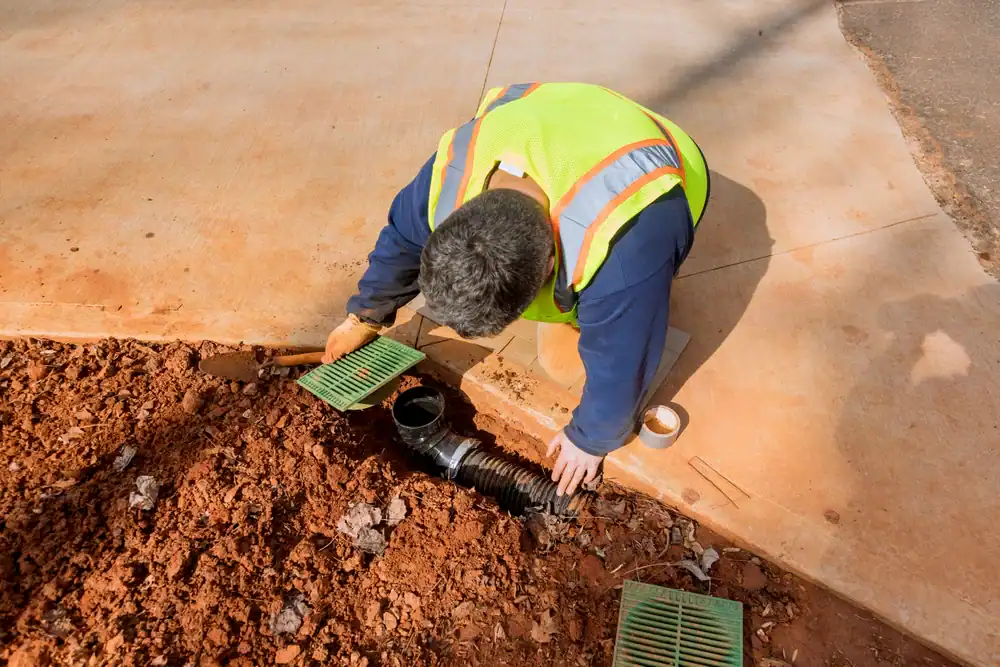
Next comes excavation. We trench carefully to expose the damaged line without tearing up more of your property than necessary. On Long Island, that means working with sandy soil that shifts, so we do it right—proper depth, proper width, and safe positioning of equipment.
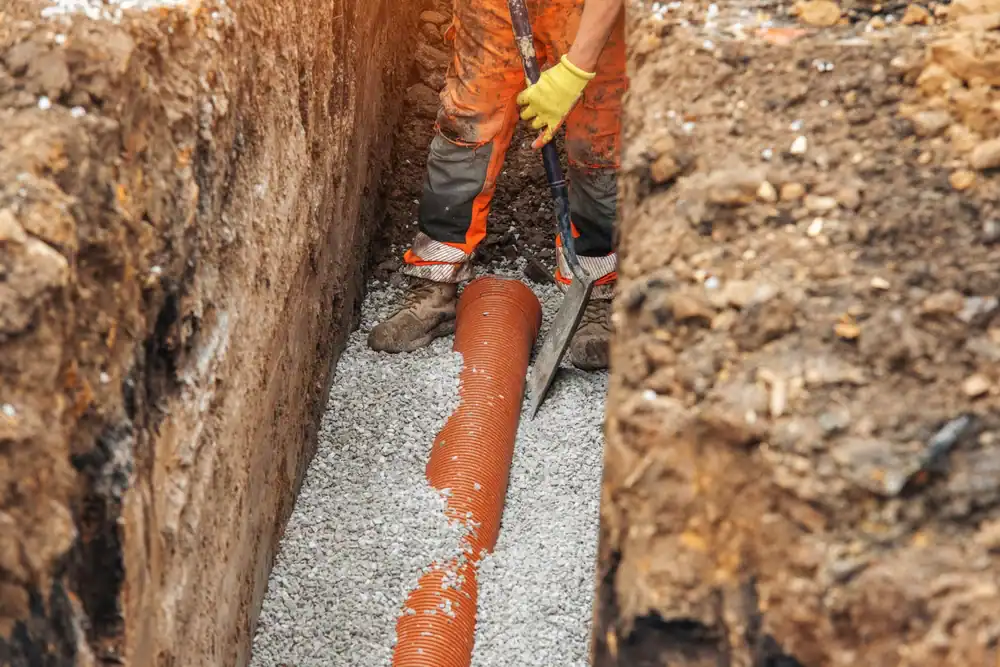
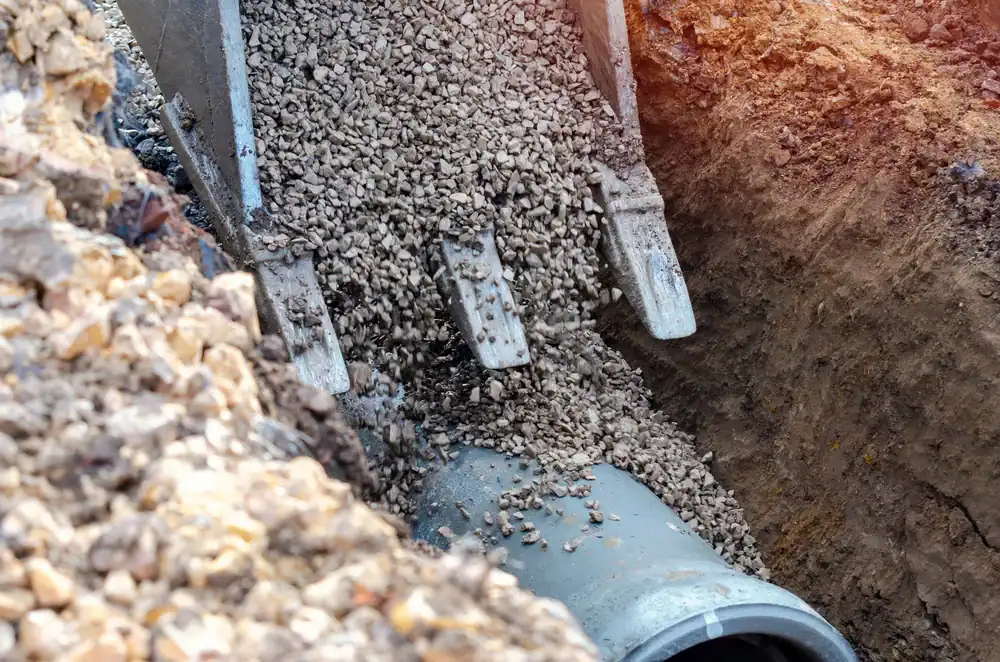
Then we install the new line. This is where experience matters most. The pipe has to slope at least a quarter inch per foot so wastewater flows properly toward your cesspool. Too flat and it won’t drain. Too steep and you get other problems. We bed the pipe in sand and gravel so it has support underneath and won’t settle or shift after we backfill.
Finally, we connect everything—your house line to the new section, the new section to your cesspool. We test it, backfill the trench, and clean up. You’re left with a system that works and a yard that doesn’t look like a construction zone.
Ready to get started?
Here’s what most people don’t realize: Long Island’s sandy soil shifts more than you’d expect. Heavy rains, freeze-thaw cycles, even just time—all of it causes settling. If your sewer line to cesspool connection wasn’t installed with proper bedding and slope, that shifting cracks joints and disrupts flow.
The standard is a quarter inch of drop per foot of pipe. That’s the minimum for gravity to move wastewater without leaving solids behind to clog the line. Go too steep—more than a foot of drop per four feet of run—and you create other issues. Water flows too fast and can siphon traps dry, letting sewer gases into your home.
We calculate slope before we dig. We verify it during installation. And we make sure the bedding under your new line gives it the support it needs so it doesn’t settle unevenly. That’s how you avoid callbacks and failures down the road.
Cutchogue properties, especially older ones, often have cast iron lines that corroded or PVC that was installed without proper technique. When we do line changes here, we’re not just swapping pipe. We’re correcting decades-old mistakes and setting your system up to handle another few decades without trouble.
It depends on what’s actually failing and how old your system is. If you’ve got a single crack or a small section where tree roots broke through, a spot repair might handle it. But if the line’s old cast iron that’s corroding in multiple places, or if you’re dealing with widespread settling and joint separation, replacing the whole run makes more sense.
We can camera-inspect the line to show you exactly what’s happening inside. That takes the guesswork out. You’ll see where the damage is, how extensive it is, and whether patching it will actually solve the problem or just buy you a few months.
Most of the time, if a line’s failed in one spot and it’s more than 30 years old, other sections aren’t far behind. Replacing it all at once costs more upfront, but it’s cheaper than paying for excavation and labor three separate times over the next few years.
Sandy soil is the main culprit. It doesn’t hold pipe in place the way clay or heavier soils do. When it shifts—and it does, especially after storms or during freeze-thaw cycles—pipes move with it. Joints separate. Cracks form. Flow gets disrupted.
Older properties also have cast iron lines that corrode from the inside out. You don’t see it until the pipe’s already failing. Newer homes might have PVC, but if it wasn’t installed with proper slope and bedding, it settles unevenly and causes the same problems.
Tree roots are another issue. They find any crack or joint and work their way in, looking for water. Once they’re inside the line, they create blockages and make the damage worse. If you’ve got older trees near your sewer line, roots are probably involved in whatever’s going wrong.
Most residential line changes take one to two days, depending on how much line we’re replacing and what we run into during excavation. If it’s a straightforward run from your house to the cesspool with easy access, we can often finish in a day.
Longer runs, difficult access, or complications like unexpected ledge or utilities in the way can add time. We won’t know for sure until we start digging, but we’ll keep you updated if anything changes the timeline.
During the work, your plumbing will be out of service. That means no flushing toilets, no running water down drains. We move as quickly as we can because we know that’s disruptive. Once the new line’s in and connected, everything’s back to normal.
We do our best to minimize damage, but trenching for a line replacement means digging. If your sewer line runs under landscaping, we’ll need to excavate that area. Same goes if it crosses under a driveway or patio—though we’ll explore options for routing around obstacles when it makes sense.
What we won’t do is tear up more than necessary. We trench only as wide and deep as the job requires. We position equipment carefully. And we clean up and restore the area as close to original condition as possible once the line’s in.
If you’ve got specific concerns about a tree, a garden bed, or hardscaping, tell us upfront. We’ll walk the route with you before we start and talk through what has to happen. Sometimes there are ways to work around things. Sometimes there aren’t. Either way, you’ll know what to expect before we dig.
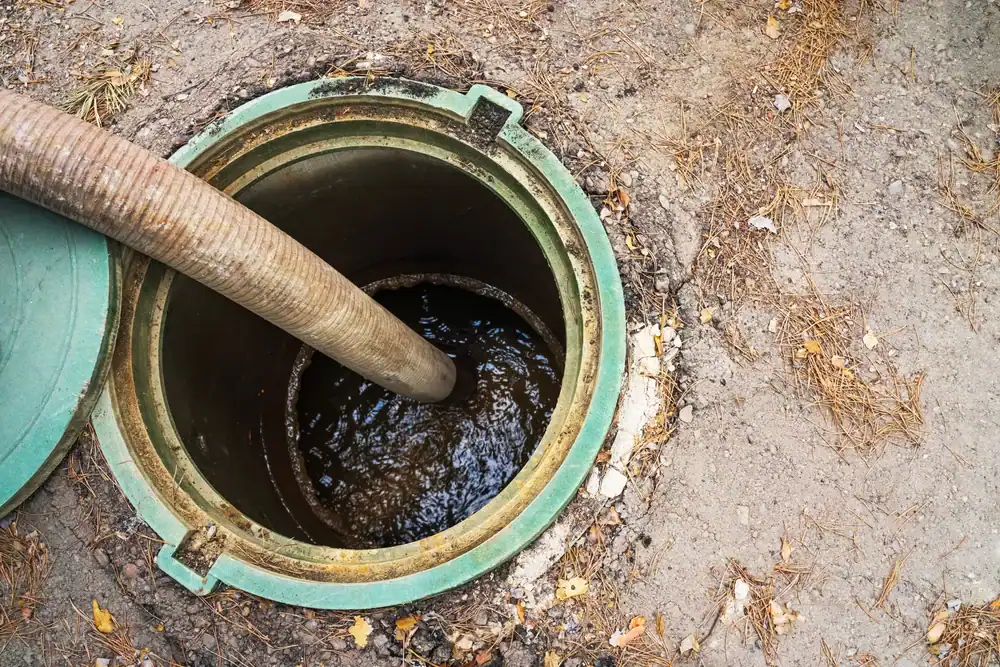
Pumping removes the solids and liquids that have accumulated in your cesspool. That’s routine maintenance—something you should be doing every two to three years depending on household size and usage. It keeps your system from overflowing and your leach field from getting clogged with solids.
Line changes are about the pipes that carry wastewater from your house to the cesspool. If those pipes are broken, misaligned, or clogged with roots, pumping the cesspool won’t fix the problem. You’ll still have slow drains, backups, or sewage surfacing in your yard.
Think of it this way: pumping is like changing your oil. Line replacement is like fixing a broken transmission. Both are necessary, but they solve completely different problems. If your drains are backing up and pumping the cesspool doesn’t help, the issue’s probably in the line.
Usually, yes. Any time you’re doing significant excavation or replacing a main waste line, local codes require permits. That’s to make sure the work meets health and safety standards—especially important with wastewater systems.
We handle the permit process as part of the job. We know what Cutchogue and Suffolk County require, and we make sure everything’s filed correctly before we start. That protects you if there’s ever a question about the work down the road, and it keeps the job legal.
Don’t skip permits to save money or time. If you ever sell your property, unpermitted work can come back to haunt you during inspection. And if something goes wrong with an unpermitted system, your homeowner’s insurance might not cover it. It’s not worth the risk.
Other Services we provide in Cutchogue