
Hear from Our Customers
Your main waste line either works or it doesn’t. When it stops working, you get backups in your house, sewage smells in your yard, and a problem that gets worse every day you wait.
A proper line change means trenching and excavation done to the right depth, pipes installed at the correct slope, and connections that won’t fail six months later. That’s 1/4 inch of drop per foot of pipe—not close enough, not eyeballed, but measured and verified.
You get a system that handles whatever you throw at it. Peak summer usage with a full house. Heavy spring rains. Years of normal wear. When the work is done right from the start, you stop thinking about your cesspool system because it just works.
Quality Cesspool has spent years working in East Hampton, NY and throughout Suffolk County. We’re licensed, insured, and we show up with the tools and knowledge to handle line changes the right way.
East Hampton’s sandy soil drains differently than other areas. The water table shifts seasonally. Properties here deal with heavy summer usage that stresses systems in ways year-round homes don’t see.
We know how to work with those conditions because we’ve been doing it for years. You’re not getting someone who learned cesspool work last month—you’re getting a team that understands exactly what your property needs and how to deliver it without the runaround.
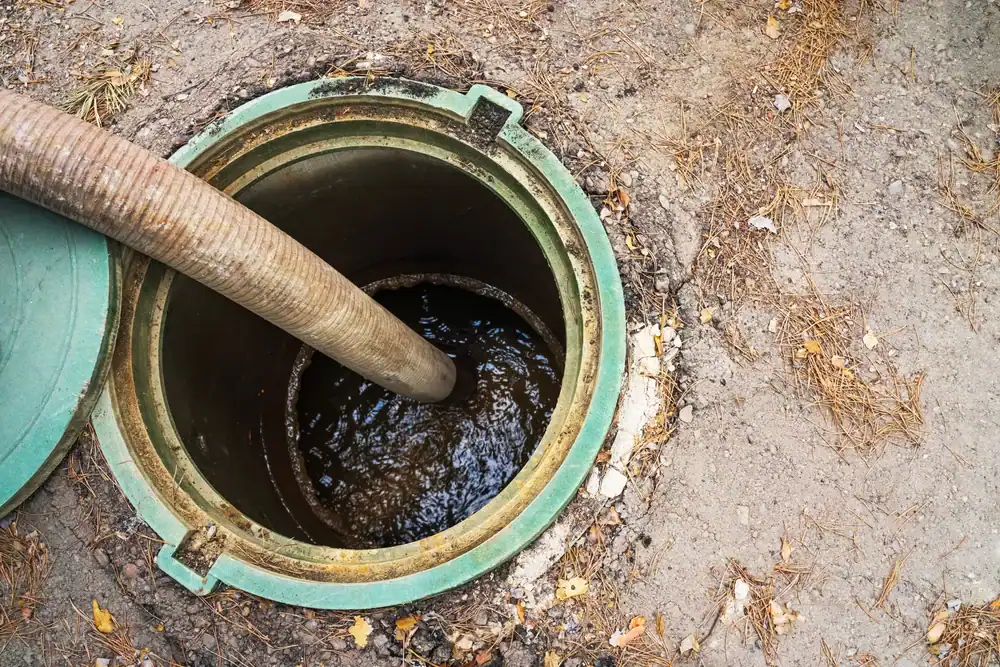
First, we assess your current system. That means locating your cesspool, inspecting the existing line for failure points, and figuring out what caused the problem in the first place. If your line failed because of poor slope or root intrusion, we need to know before we start digging.
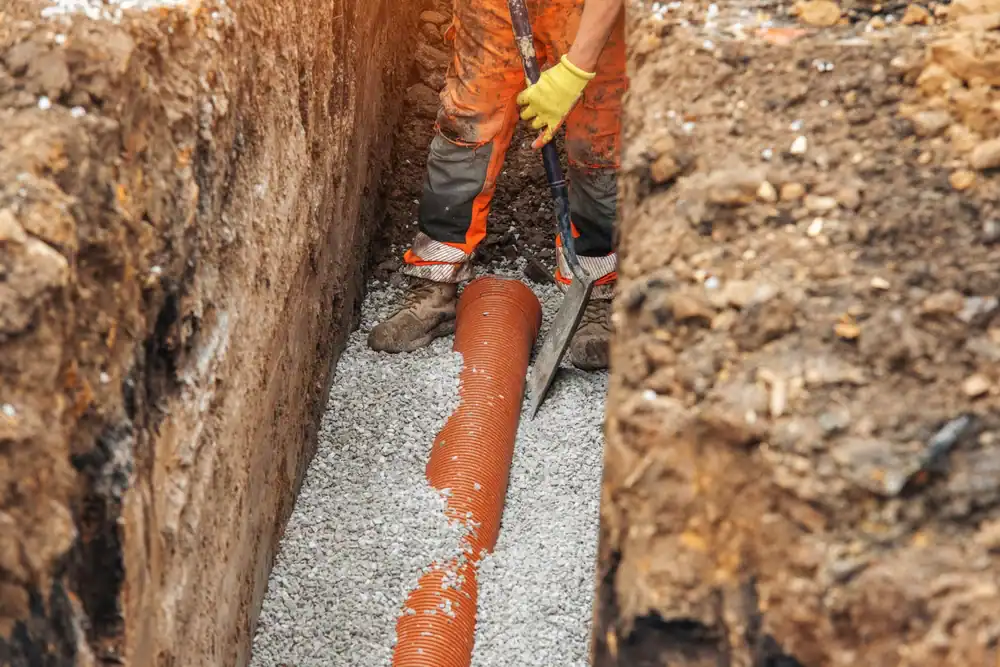
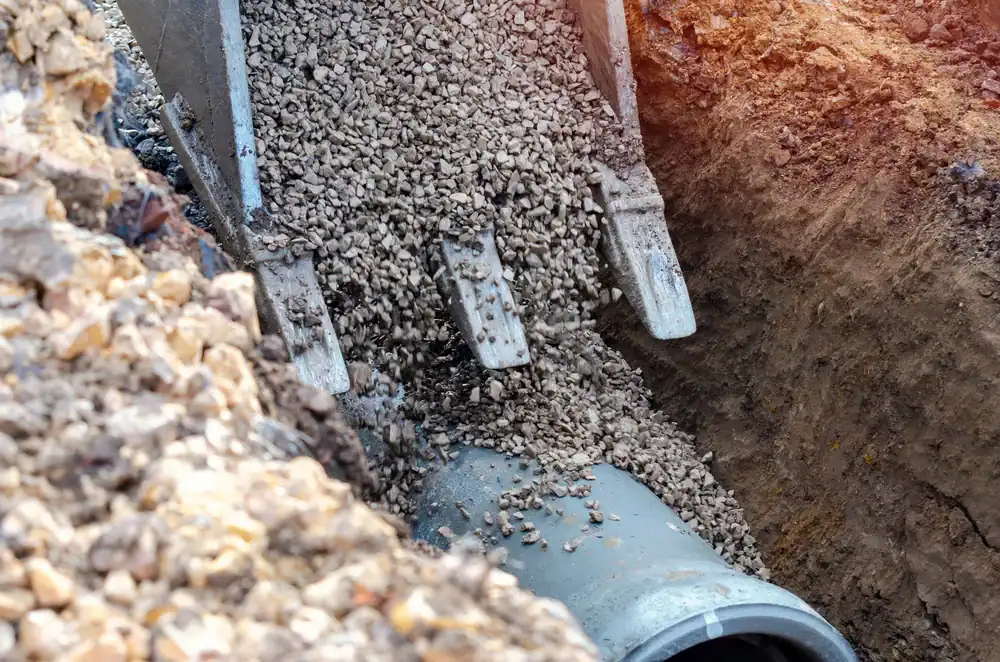
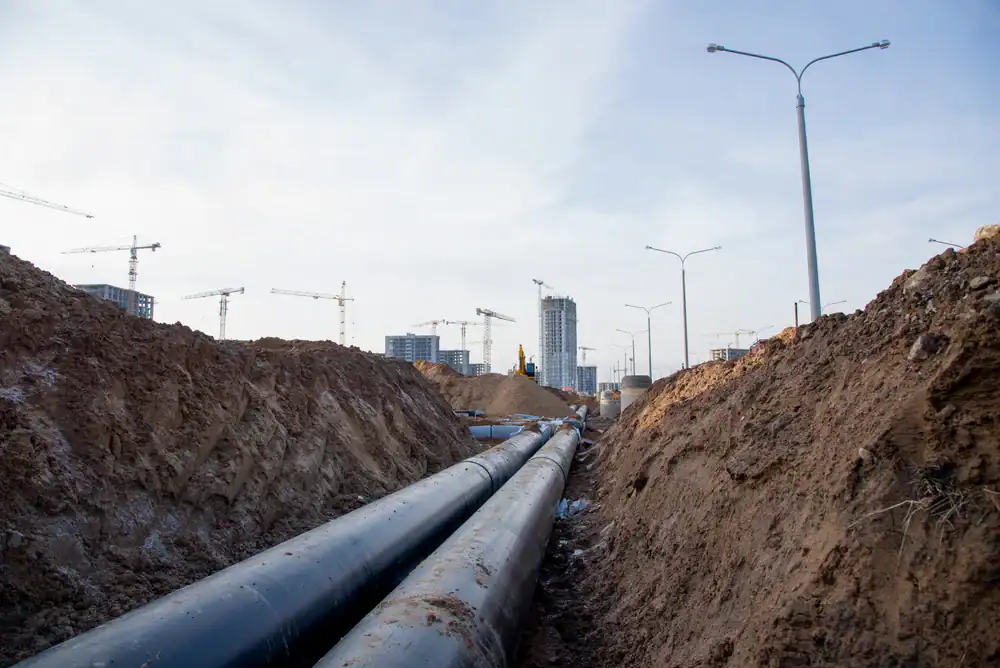
Next comes trenching and excavation. We dig to the proper depth, following Suffolk County requirements and maintaining the setbacks your property needs. The trench gets prepared so the new pipe sits on stable ground—no settling, no future sagging.
Then we install the new line with the correct pipe pitch and slope. Every section gets checked to ensure that 1/4 inch per foot minimum. We connect to your cesspool with proper fittings, backfill the trench in layers to prevent settling, and compact as we go.
Before we leave, we test the system. Water flows, drainage works, and you see exactly what you paid for. No shortcuts, no assumptions, no leaving you with a system that’s going to cause problems down the road.
Ready to get started?
You get a main waste line replacement designed for East Hampton’s specific conditions. That means accounting for sandy soil that drains fast but doesn’t always provide stable bedding. It means understanding how seasonal properties with heavy summer usage need systems that can handle peak loads without backing up.
The pipe pitch and slope gets engineered correctly—not guessed at. Residential drain lines need at least 1/4 inch of fall per foot of horizontal run. Too flat and waste doesn’t flow. Too steep and liquids outrun solids, leaving buildup that causes clogs.
Your new line meets Suffolk County Department of Health Services standards and respects wetland setbacks. We pull the required permits, follow the code, and document everything so you’re covered if you ever sell or refinance.
You also get transparent pricing before we start. Emergency line changes cost more than scheduled work—that’s just reality. But you’ll know what you’re paying upfront, and you’ll understand exactly what that money gets you.
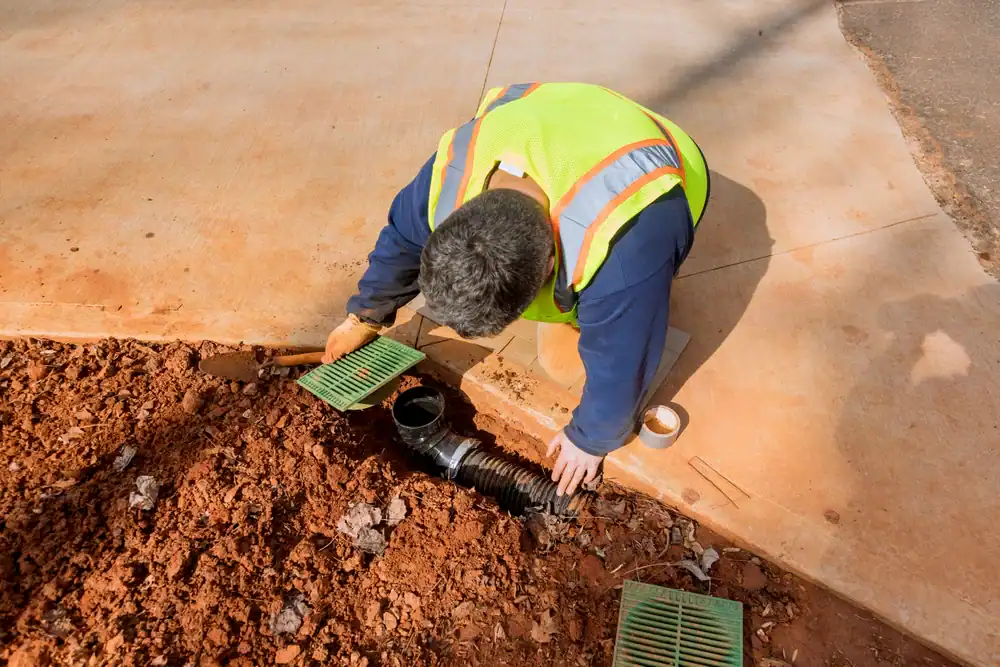
If you’re seeing repeated backups even after pumping, or if sewage is surfacing in your yard between the house and cesspool, your line has likely failed. Repairs work when the damage is localized—a single crack, a small root intrusion, or a separated joint.
A full line change makes sense when the pipe has multiple failure points, when it was installed at the wrong slope originally, or when the material has deteriorated beyond spot fixes. Cast iron lines in older East Hampton homes eventually corrode through. Clay pipes crack and separate as the ground shifts.
We’ll inspect your system and tell you what actually needs to happen. If a repair gets you another ten years, we’ll say that. If the whole line needs replacement to avoid doing this again in two years, we’ll tell you that too.
East Hampton’s sandy soil drains well, but it doesn’t provide much support for pipes. Over time, sections can settle or shift, creating low spots where waste pools instead of flowing. That leads to clogs and eventual backups.
Tree roots are another major cause. Roots seek out moisture, and even a tiny crack in your sewer line gives them an entry point. Once inside, they expand and block flow until you’re dealing with a complete stoppage.
Seasonal properties face unique stress. A house that sits empty nine months a year, then suddenly hosts a dozen people every summer weekend, puts extreme demands on the system. Lines installed without accounting for that peak usage fail faster than they should.
Most residential line changes take one to three days, depending on distance, soil conditions, and what we find once we start digging. A straightforward replacement on a 50-foot run with good access might finish in a day.
Longer runs, difficult terrain, or complications like hitting ledge or encountering high groundwater add time. If we need to work around landscaping, driveways, or other structures, that slows things down but protects your property.
We’ll give you a realistic timeline before we start. East Hampton’s sandy soil actually works in your favor here—it’s easier to excavate than clay or rocky ground. But we’re not rushing the work just to finish fast. Proper compaction and testing take the time they take.
Trenching means digging, and digging means some disruption. We minimize it, but we can’t eliminate it entirely. If your line runs under a lawn, you’ll have a trench that needs to be filled, compacted, and reseeded or sodded.
If the line runs under a driveway or patio, we’ll need to cut through it, do the work, and then restore the surface. We backfill in layers and compact as we go to prevent settling later. You won’t have a sinkhole six months from now because we rushed the backfill.
In some cases, trenchless methods can reduce surface disruption. We’ll discuss that option if your situation allows for it. But traditional trenching gives us full access to inspect, repair, and verify everything is right before we close it back up.
Yes. Any work on your cesspool system in East Hampton requires permits from Suffolk County Department of Health Services. That includes line changes, new installations, and major repairs.
The permit process ensures your work meets code requirements for pipe slope, setbacks from wells and property lines, and environmental protection standards. Suffolk County has specific rules about how close cesspool systems can be to wetlands and water bodies—common concerns in East Hampton.
We handle the permit application as part of the job. You don’t need to figure out what forms to file or which department to contact. We submit the plans, coordinate inspections, and make sure everything is documented correctly.
A properly installed line with correct pitch and slope, quality materials, and solid connections shouldn’t fail prematurely. We’re not installing systems that need replacement in five years—you’re getting work that lasts decades.
If something does go wrong, we stand behind our work. That means coming back to assess what happened and making it right. But the reality is that when line changes are done correctly from the start, failures are rare.
Most problems we see are from lines installed without proper slope, cheap materials, or shortcuts during backfilling. We don’t work that way. You’re paying for a system that works long-term, and that’s exactly what you get.
Other Services we provide in East Hampton