
Hear from Our Customers
Your drains empty fast. Your toilets flush without that gurgling sound. You stop smelling sewage in your yard every time it rains, and you’re not calling plumbers at 11 PM because your basement flooded again.
A proper line change means your main waste line connects to your cesspool at the right angle with the right slope. Waste flows the way it’s supposed to. Your system handles normal use without backing up into your house or pooling in your yard.
You’re not dealing with emergency repairs every few months. You’re not replacing sections of pipe because the last guy didn’t trench deep enough or set the pitch correctly. Your cesspool works quietly in the background, and you forget it’s even there.
We’ve been fixing sewer line connections and cesspool systems across Farmingville and Suffolk County for years. We’re the company other contractors call when they’re in over their heads.
Farmingville’s soil isn’t forgiving. It’s not good for agriculture, and it’s not easy on cesspool systems either. We’ve worked in enough yards here to know what fails, what lasts, and what you actually need versus what someone’s trying to upsell you on.
We show up with the equipment to handle the job on the first visit. We pull permits with Suffolk County so you don’t have to figure out local regulations. And we give you upfront pricing before we start digging.
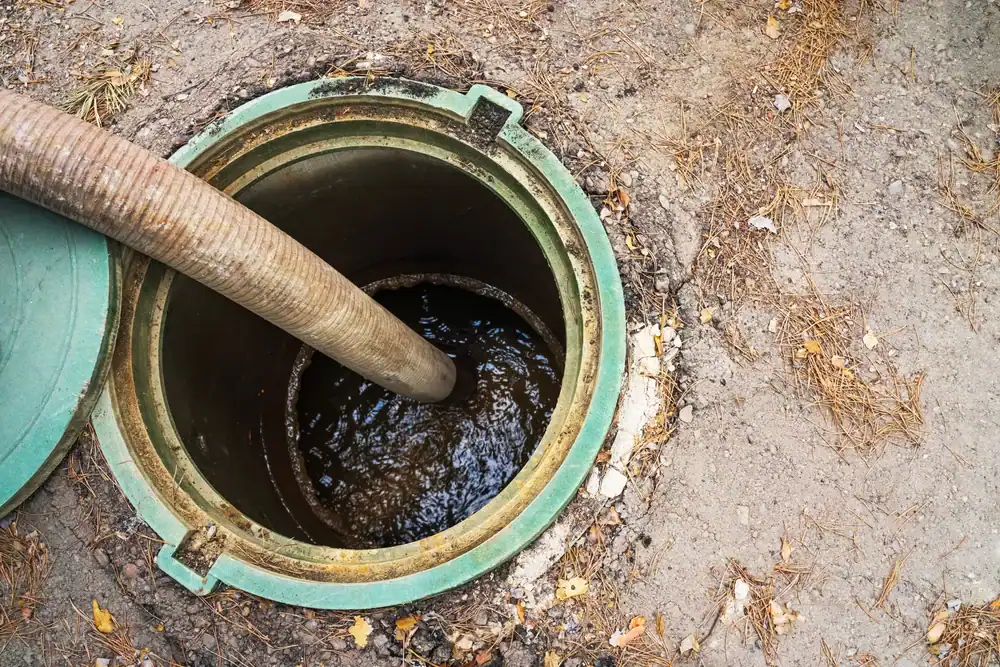
We start with a camera inspection if you’re not sure where the problem is. That shows us exactly what’s broken, blocked, or pitched wrong. No guessing, no unnecessary digging.
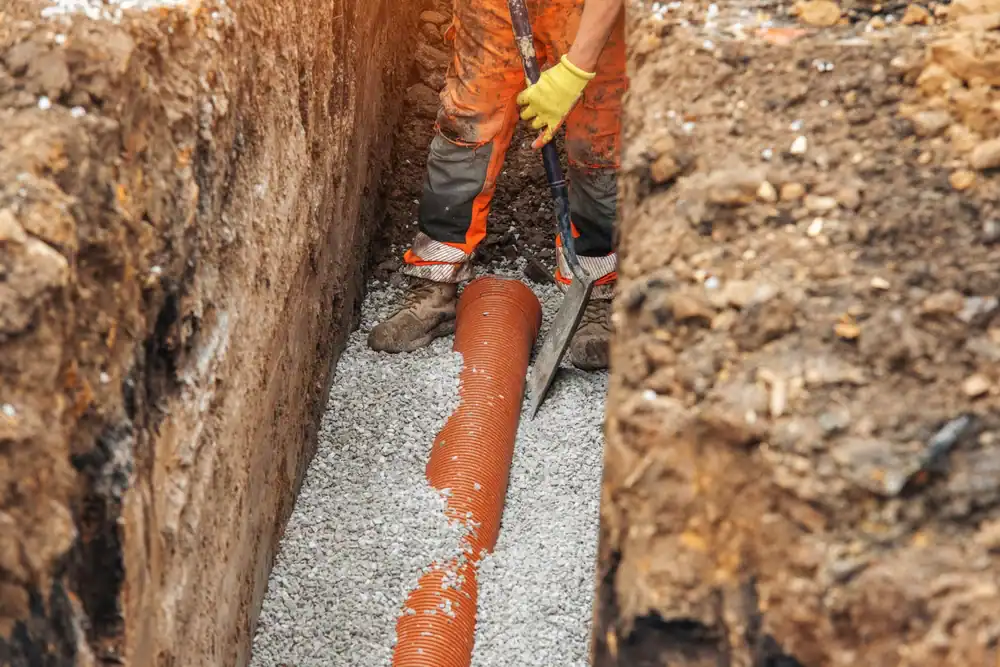
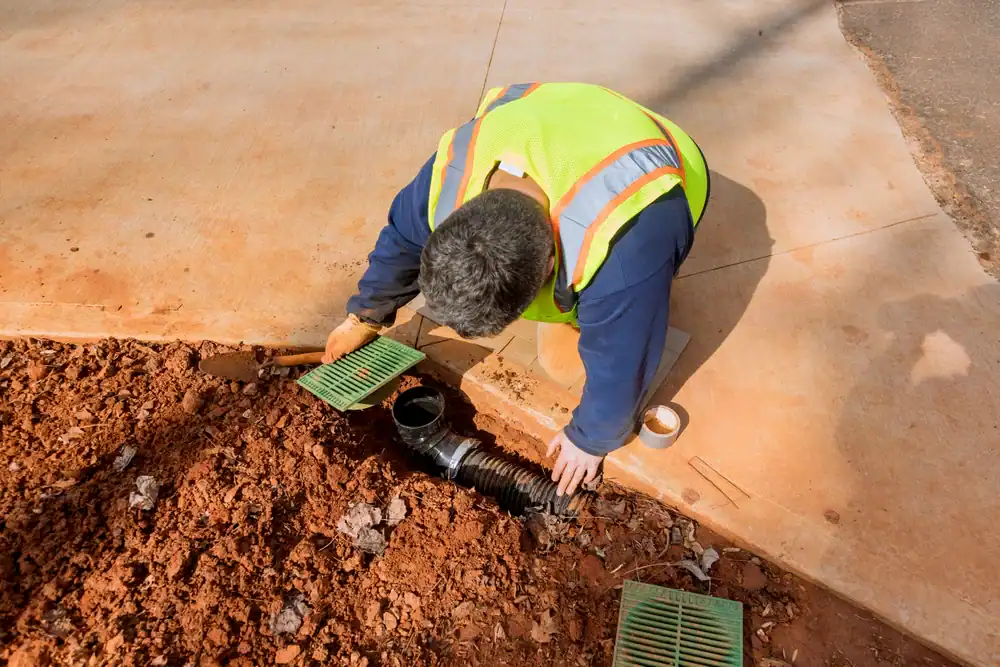
Once we know what needs fixing, we handle the trenching and excavation. We dig down to your main waste line, expose the damaged section or failed connection, and assess whether you need a full replacement or a targeted repair. If your sewer line to cesspool connection is the issue, we rebuild it with the correct pipe pitch and slope so waste flows properly.
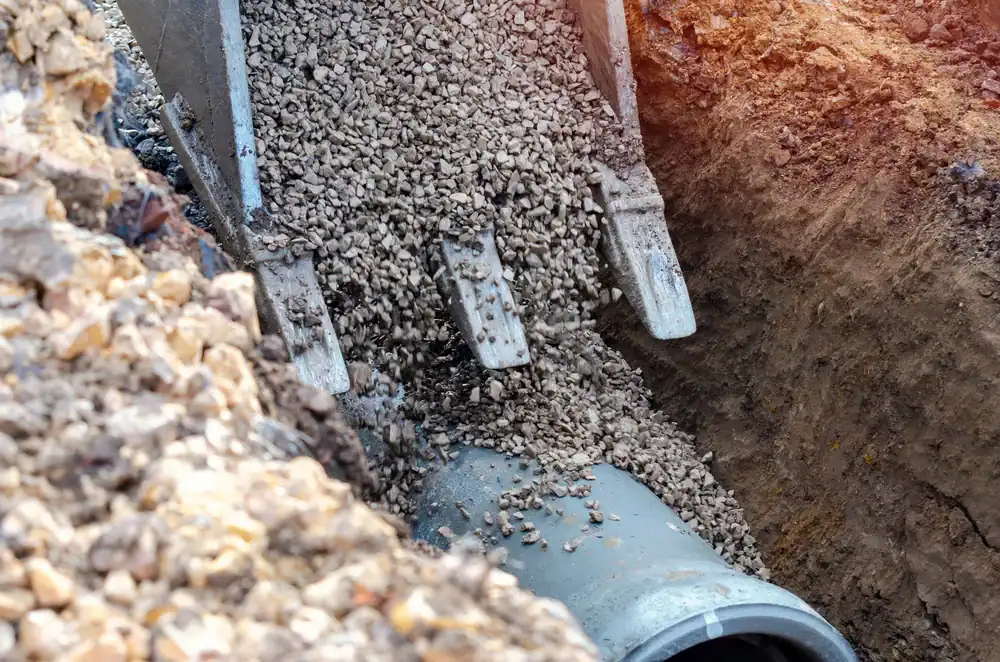
We replace any corroded or collapsed pipe, reconnect everything to your cesspool, backfill the trench, and compact the soil so you’re not left with a sinking mess in your yard six months later. Then we test the system to make sure drains are flowing and nothing’s backing up.
You get a system that works. We clean up the site. You’re done.
Ready to get started?
You get full trenching and excavation to access your main waste line. We remove the damaged or failing pipe, whether that’s a small section or the entire run from your house to the cesspool. We install new pipe with proper pitch and slope so gravity does its job and waste doesn’t sit in your line.
If your connection to the cesspool is the problem, we rebuild that too. A lot of backups and pipe failures happen right at the connection point because it wasn’t installed correctly the first time. We make sure it’s sealed, angled right, and built to handle decades of use.
In Farmingville, we’re also dealing with older systems that were installed before current codes. That means a lot of line changes involve bringing your setup up to Suffolk County standards while we’re already in the ground. We handle the permits, the inspections, and the compliance paperwork so you’re not stuck figuring that out on your own.
If you’re getting frequent backups even after pumping your cesspool, that’s usually a line problem. Same thing if you’ve got slow drains throughout the house, sewage smells near your cesspool, or wet spots in your yard that won’t dry out.
A cleaning handles buildup inside your cesspool. A line change fixes the pipe that connects your house to that cesspool. If the pipe is cracked, collapsed, or pitched wrong, pumping won’t solve anything. The waste has nowhere to go, or it’s flowing back toward your house instead of into the cesspool.
We can run a camera through your line and show you exactly what’s happening. If you’re seeing roots growing through the pipe, sections that have caved in, or connections that are completely separated, you need a line change. If it’s just sludge and buildup, we pump it and you’re good.
Age is the biggest factor. A lot of homes here were built decades ago, and the pipes weren’t designed to last forever. Cast iron corrodes. Clay cracks. PVC that was installed poorly shifts and separates over time.
Tree roots are the other major issue. Roots grow toward water, and your sewer line is a water source. They work their way into any crack or joint, then expand and break the pipe apart from the inside. Once roots are in, you’re looking at blockages, backups, and eventually a full collapse.
Poor installation is more common than it should be. If the original line wasn’t set at the right slope, waste doesn’t flow properly. It sits in the pipe, builds up, and eventually causes a backup. If the trench wasn’t deep enough, the pipe shifts when the ground freezes and thaws. Farmingville’s soil conditions make proper installation critical, and not everyone does it right the first time.
Most line changes take one to two days depending on how much pipe needs replacing and how deep we have to dig. If we’re just fixing a short section near the cesspool, that’s usually a one-day job. If we’re replacing the entire run from your house to the tank, plan on two days.
Weather and ground conditions affect the timeline. If the ground is frozen or we hit unexpected ledge, that adds time. If your yard is easy to access and the soil cooperates, we move faster.
You’ll have limited water use during the work. We’ll tell you exactly when you can and can’t run water, flush toilets, or use drains. Once the new line is in and tested, you’re back to normal use immediately. We’re not leaving you without a working system for days while we wait on inspections or materials.
Sometimes, yes. If you’ve got one cracked section and the rest of the pipe is solid, we can replace just that part. But if your line is old and one section failed, the rest is usually close behind.
Patching makes sense if the damage is localized and recent—like a tree root broke through in one spot, or a vehicle drove over your yard and crushed the pipe. It doesn’t make sense if you’ve got an old clay or cast iron line that’s deteriorating in multiple places. You’ll end up calling us back in six months to fix the next section that fails.
We’ll tell you honestly what makes sense. If a full replacement saves you money and headaches in the long run, that’s what we’ll recommend. If a targeted repair gets you another ten years, we’ll do that instead. We’re not here to upsell you on work you don’t need, but we’re also not going to patch something that’s going to fail again next season.
Your drains stop working. Toilets back up into your house. Sewage comes up through your basement drains or pools in your yard. You’re dealing with raw sewage, health hazards, and property damage that gets worse the longer you wait.
A failed line doesn’t fix itself. The problem spreads. What starts as a slow drain turns into a full backup. What starts as a small crack turns into a collapsed pipe. You go from a $2,000 line change to a $15,000 emergency replacement because now you’ve got contaminated soil, damaged landscaping, and a system that’s completely non-functional.
Suffolk County can also get involved if untreated sewage is contaminating groundwater or creating a health hazard. You’re looking at fines, mandatory repairs, and inspections on top of the cost of fixing the line. The longer you wait, the more expensive and complicated it gets. If you’re seeing signs of a problem, get it looked at now before it turns into an emergency.
Yes. We pull the permits with Suffolk County and handle the inspections. You don’t have to figure out what forms to file or who to call at the county office.
Line changes typically require a permit because you’re modifying your waste system and doing excavation work. The county wants to make sure the work meets code and doesn’t create a contamination risk. We know what they’re looking for, we know how to document the work, and we know how to get it approved without delays.
You’ll need to be present for the final inspection in most cases, but we coordinate the timing and make sure everything’s ready before the inspector shows up. We’re not handing you a finished job and leaving you to deal with the permitting on your own. It’s part of the service, and it’s included in the price we quote you upfront.
Other Services we provide in Farmingville