
Hear from Our Customers
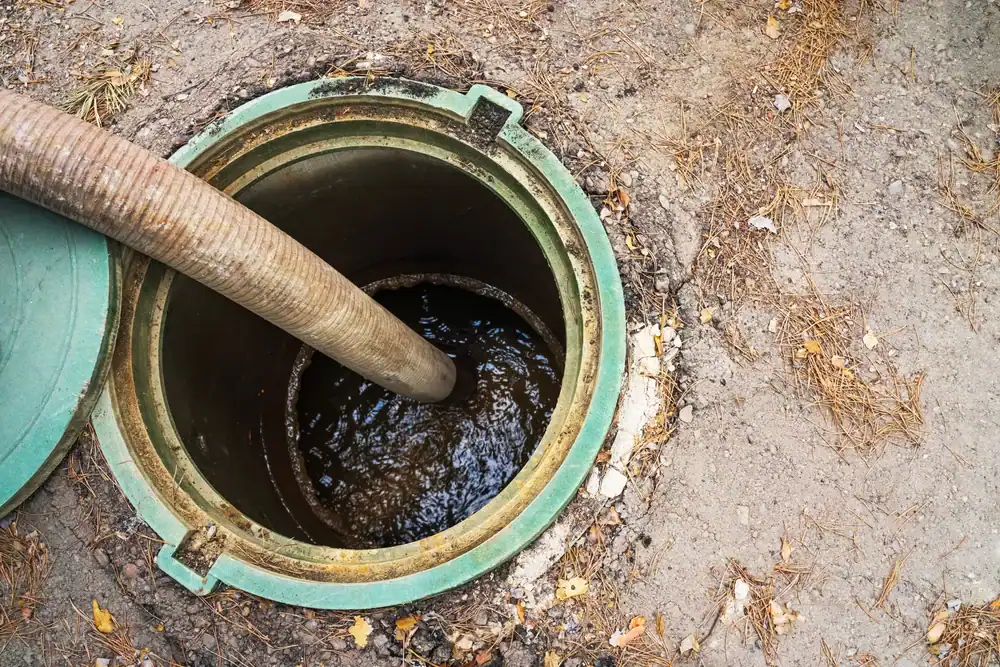
Your sewer line runs 4 to 6 feet underground, connecting your home to your cesspool. When it fails, you’re dealing with backups, odors, and potential property damage.
A proper line change means you get pipes that last. We’re talking heavy-duty polyethylene with up to 100-year life expectancy, installed at the correct 1/4-inch per foot pitch so gravity does its job. No more root intrusion. No more cracks from shifting soil.
You also get your property back the way it was. We plan the excavation to minimize damage to your lawn and hardscaping. For some jobs, trenchless methods mean we only need small access pits instead of tearing up your entire yard. The goal is simple: get your system working again without leaving your property looking like a construction zone for weeks.
We’ve been handling sewer and cesspool work across Long Island since the 1950s. That means we’ve worked on properties like yours before—older homes with aging infrastructure that needs careful handling.
Mill Neck has unique challenges. Many homes here were built in the post-war era with original pipe materials like Orangeburg, clay, or metal that don’t hold up over time. We understand how Long Island soil affects these systems and what Nassau County requires for compliant installations.
We’re licensed, insured, and we stock everything we need. When you call us for a line change, we’re not waiting on parts or subcontracting the excavation. We show up with the right equipment and get it done.
First, we assess the situation. Where’s the failure? What’s the best access point? Can we use trenchless methods, or do we need full excavation? You’ll know the plan before we start digging.
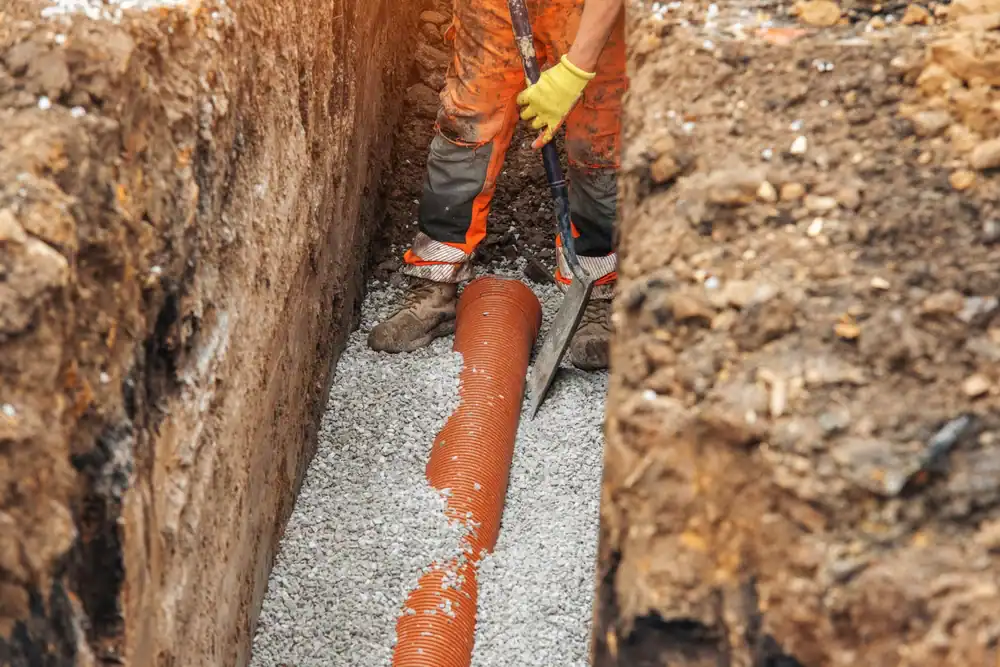
Next comes trenching and excavation. We dig down to expose the damaged section, whether that’s a few feet or the entire run from your house to the cesspool. We use proper safety measures—traffic cones, barriers, and shoring where needed. If your line runs under a driveway or landscaping, we plan the route to minimize disruption.
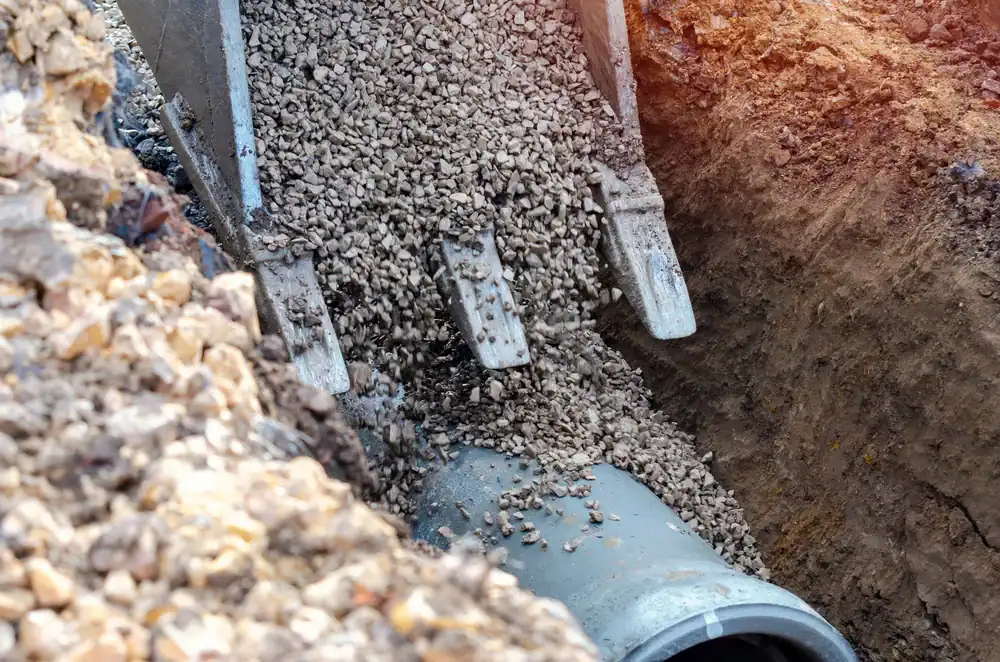
Then we install the new pipe. This isn’t just dropping pipe in a hole. We prepare the trench bed with sand and gravel, set the pipe at the correct slope (1/4-inch per foot is standard for proper drainage), and make sure every connection is sealed. The pipe connects to your home’s waste system on one end and your cesspool on the other.
Finally, we backfill, compact, and restore. You want the ground stable so you don’t have settling issues later. We clean up the site and make sure everything’s flowing before we leave.

Ready to get started?
When we handle line changes in Mill Neck, you’re getting a complete system replacement designed for Long Island conditions. That means pipes rated for our soil, our weather, and our water table.
The pipes themselves are seamless polyethylene—no joints that can separate or leak over time. They’re impervious to the chemicals in wastewater and they won’t corrode like old metal pipes or crack like clay. Root intrusion isn’t an issue because there are no seams for roots to penetrate.
You’re also getting proper slope installation. If the pitch is wrong, waste doesn’t flow. It sits in the pipe, causes clogs, and you’re back to square one. We use laser levels and grade stakes to ensure that 1/4-inch per foot slope from your house to the cesspool. Gravity does the work.
Nassau County has specific requirements for sewer line installation, especially regarding depth, materials, and environmental protection. We handle the permits and make sure the work meets code. If an inspector shows up, the job passes.
And if you’re dealing with an emergency—sewage backing up into your home—we offer 24-hour service. Pipe failures don’t wait for business hours, and neither do we.
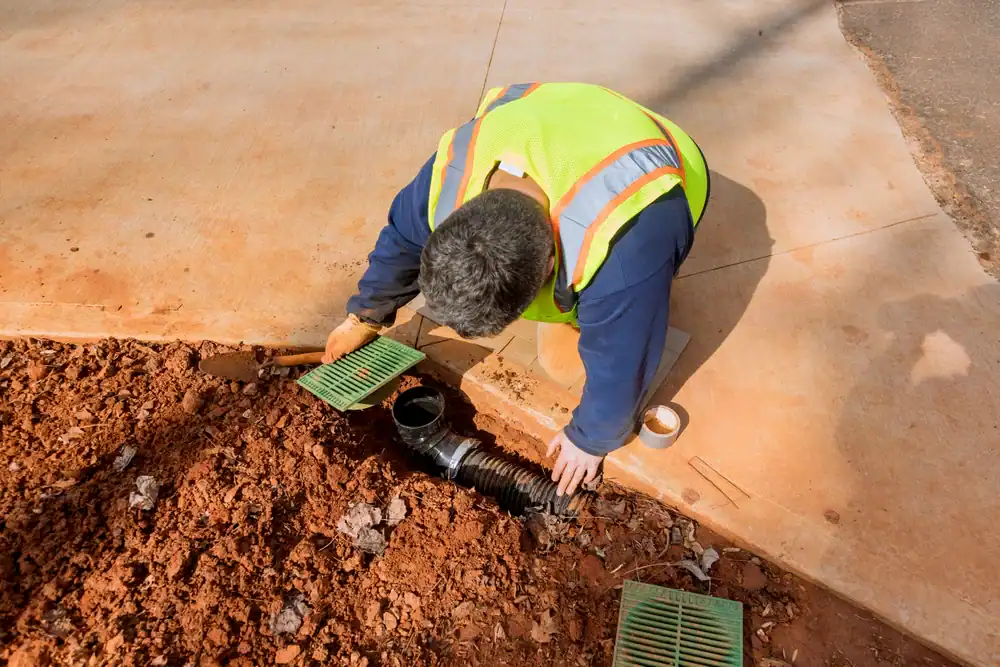
Most line changes take one to three days depending on the length of the run and site conditions. A straightforward replacement where we’re swapping out 30 feet of pipe from your house to the cesspool usually wraps up in a day.
Longer runs or complicated access—like if your line goes under a paved driveway or through heavily landscaped areas—add time. Trenchless methods can actually speed things up because we’re not excavating the entire length. We dig access pits at each end and pull the new pipe through.
Weather matters too. Heavy rain turns excavation into a mud pit and makes backfilling difficult. We’d rather wait a day for conditions to improve than rush a job and have settling issues later. You’ll get a realistic timeline upfront based on your specific property.
Most failures come down to age and material. Homes built in the 1950s and 60s often used Orangeburg pipe—a wood pulp product that was cheap and easy to install. It warps, collapses, and deteriorates over time. Clay pipes crack from ground movement. Metal pipes corrode.
Tree roots are another major culprit. Roots seek out water and nutrients, and your sewer line provides both. They infiltrate through cracks or joints, then grow inside the pipe until flow is blocked. Even if you cut the roots out, they’ll come back unless you replace the pipe with seamless material.
Ground settling causes problems too. Long Island soil shifts, especially in areas with high water tables. That movement can break rigid pipes or throw off the slope so waste doesn’t drain properly. You end up with standing water in the line, which leads to clogs and backups.
In many cases, yes—especially if you’re a candidate for trenchless pipe replacement. This method requires small access pits at the entry and exit points rather than a continuous trench. We pull the new pipe through the existing path, which means your lawn, garden beds, and hardscaping stay mostly intact.
Traditional excavation is sometimes necessary, particularly if the old pipe has completely collapsed or if we’re changing the route. When we do dig, we plan the trench path to avoid mature trees, irrigation systems, and high-value landscaping where possible. We also save the sod and topsoil separately so we can restore the area properly.
The reality is that some disruption is unavoidable when you’re working 4 to 6 feet underground. But we’re not in the business of wrecking properties. We take photos before we start, we’re careful during excavation, and we restore the site when we’re done. Most homeowners are surprised at how quickly the area recovers.
Repairs make sense when you have a localized problem—a single crack, a small section damaged by roots, or a separated joint. We can excavate that specific area, fix the issue, and you’re back in business. Repairs are faster and less expensive than full replacement.
Replacement is what you need when the pipe is failing in multiple places or when the material itself is at the end of its life. If you’re dealing with Orangeburg or heavily corroded metal pipe, patching one section doesn’t solve the underlying problem. You’ll be calling us back in six months for another failure three feet away.
Here’s the honest assessment: if your home is 50+ years old and still has original sewer lines, replacement is probably the smarter move. You’re going to spend the money eventually—either all at once for a complete line change, or bit by bit for repeated repairs. Full replacement gives you new pipes with a 100-year life expectancy and eliminates the recurring headache.
Yes. Nassau County requires permits for sewer line replacement and main waste line work. The permit process ensures the work meets local codes for depth, materials, slope, and environmental protection.
We handle the permit applications as part of the job. You don’t need to visit Town Hall or figure out what forms to file. We submit the plans, coordinate inspections, and make sure everything’s documented properly. This protects you if you ever sell the property—you’ll have records showing the work was done legally and to code.
Some homeowners try to skip permits to save money or avoid the hassle. That’s a mistake. Unpermitted work can come back to haunt you during a home sale, and if something goes wrong, your insurance may not cover it. Plus, if the county discovers unpermitted work, you’re looking at fines and potentially having to redo the entire job. It’s not worth the risk.
Costs vary based on the length of the run, depth, access difficulty, and whether we’re using traditional excavation or trenchless methods. A typical residential line change in Mill Neck ranges from several thousand dollars to significantly more for complex jobs.
Trenchless replacement costs more per foot than traditional excavation, but you save on restoration—no need to rebuild driveways, re-landscape, or replace irrigation systems. If your line runs under expensive hardscaping, trenchless often comes out cheaper overall.
The only way to give you an accurate number is to assess your property. We need to know where the line runs, how deep it is, what obstacles we’re dealing with, and what condition the existing pipe is in. Call us for an evaluation and we’ll give you a detailed estimate based on your specific situation. No surprises, no hidden fees—just a clear breakdown of what the job entails and what it costs.
Other Services we provide in Mill Neck