
Hear from Our Customers
You’ll know your line changes worked when water drains fast again. When toilets flush without hesitation. When that sewage smell around your yard disappears completely.
Most homeowners in Miller Place don’t realize their waste line problems until sewage backs up into the house or the yard stays wet and smelly. By then, you’re dealing with an emergency instead of a planned fix.
Proper line changes mean your main waste line has the right slope—typically a quarter inch per foot for smaller pipes. It means the connection between your home and cesspool is sealed correctly. It means the trenching was done deep enough that tree roots won’t crush your pipes in two years.
You get a system that moves waste efficiently away from your home. You avoid the nightmare of sewage backing up during heavy rain. You stop worrying every time you hear a toilet flush.
We’ve handled line changes across Miller Place for years. We’re licensed and insured, which matters more than you might think when someone’s digging up your yard and connecting to your cesspool system.
Miller Place has older homes—many dating back generations when agricultural properties relied on basic cesspool systems. Those systems are aging out. Suffolk County changed the rules in 2019, and now you can’t just replace a cesspool with another cesspool. If you’re upgrading your system voluntarily or replacing failed lines, the work has to meet current standards.
We know the local soil conditions. We know how deep to trench based on Miller Place’s climate. We know which permits Suffolk County requires before we start digging. You’re not explaining your property to someone learning on the job.
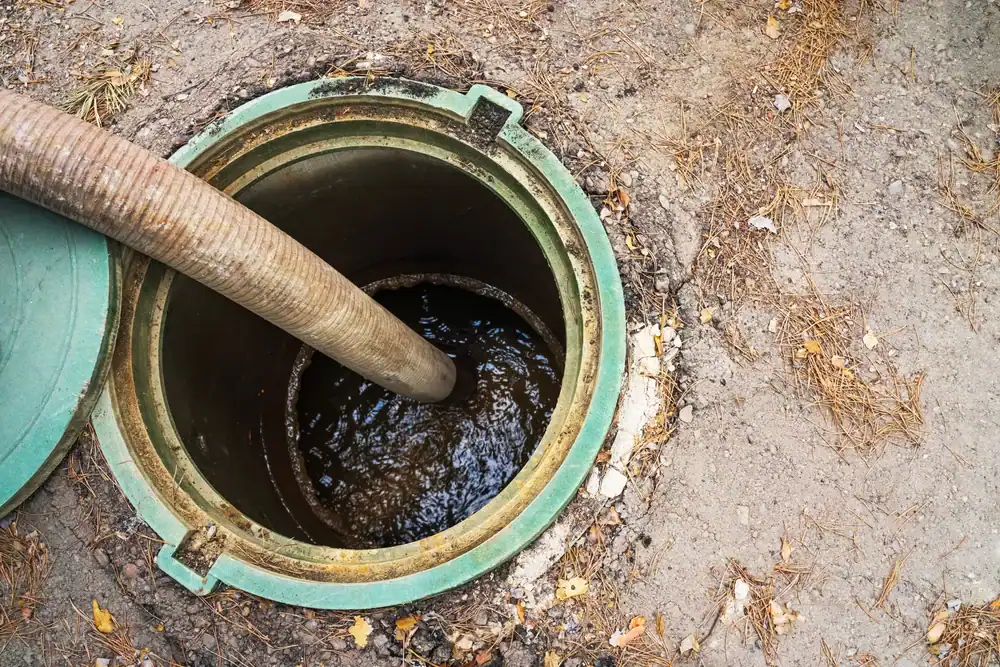
First, we assess your current system. That usually means a camera inspection to see exactly where the problem is—whether it’s root intrusion, collapsed pipe, improper slope, or a failed connection at the cesspool. You’ll see what we see.
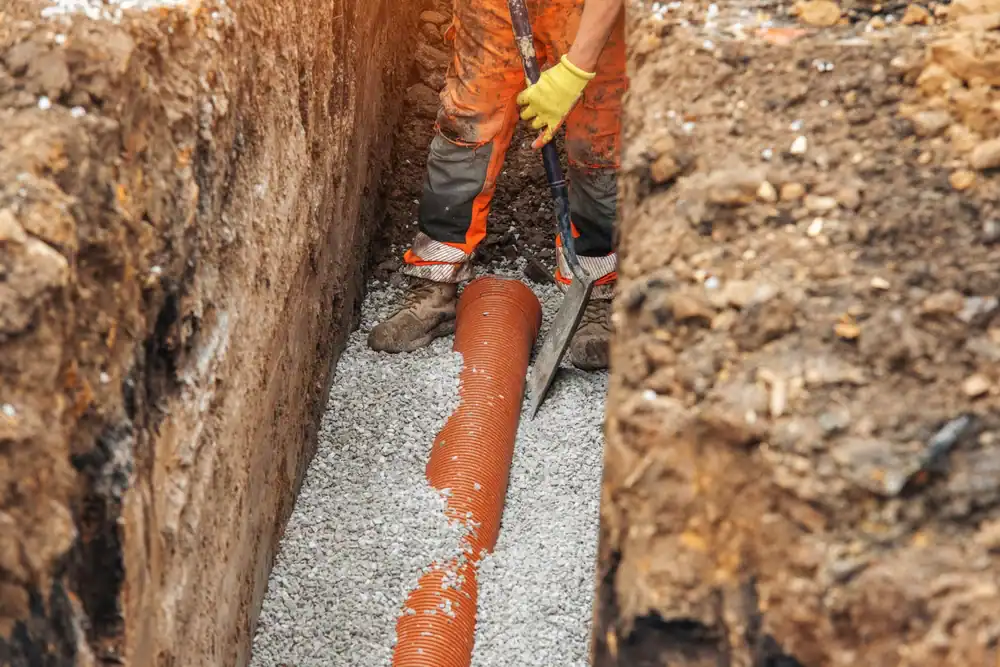
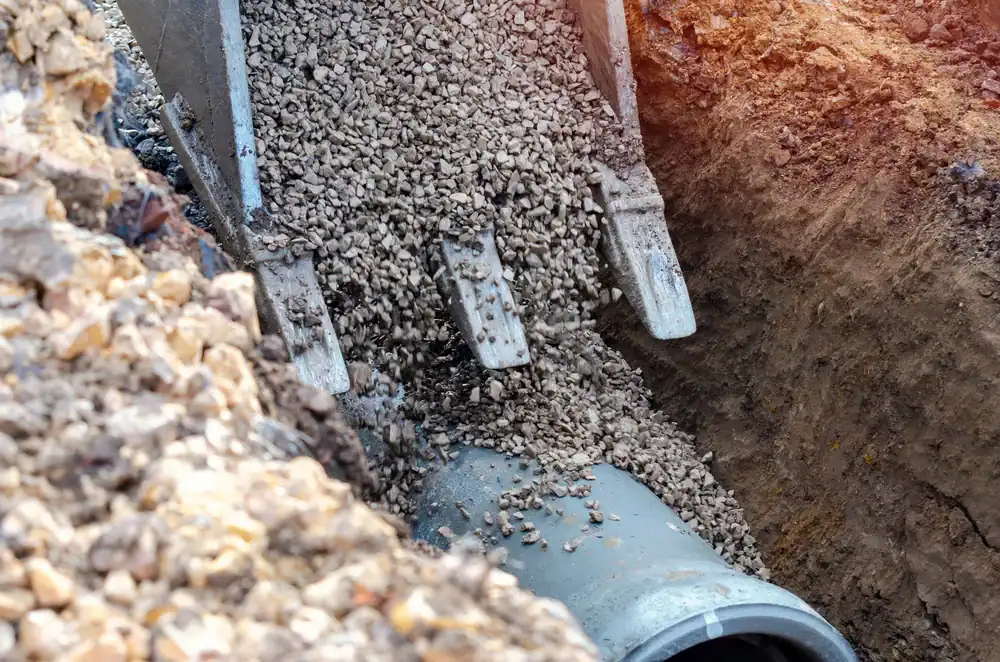
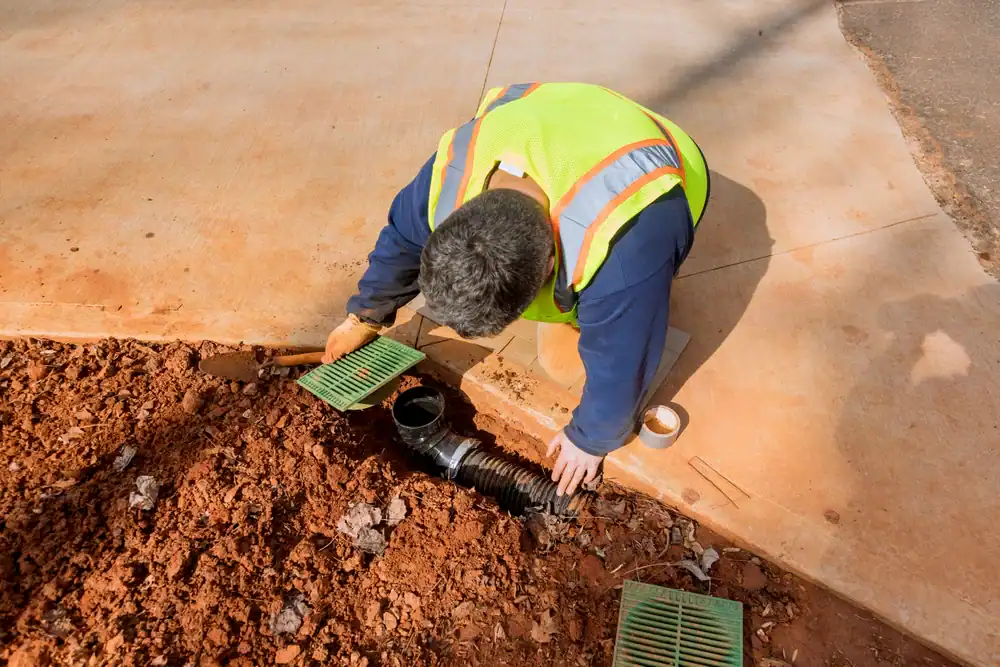
Next comes excavation. We dig a trench from your home to the cesspool, going deep enough to protect the new line from freezing and surface damage. Trench depth and width depend on your specific property, but we’re typically looking at 12 to 24 inches deep, sometimes more in colder areas.
Then we install the new waste line with proper pitch. For most residential lines, that’s a quarter inch of slope per foot of pipe. Get that wrong and waste doesn’t flow—it sits in the pipe and causes backups. We make sure the grade is right before we backfill anything.
Finally, we connect everything to your cesspool or septic system and test it. We don’t just bury the line and hope it works. You’ll know it’s done right before we leave your property.
Ready to get started?
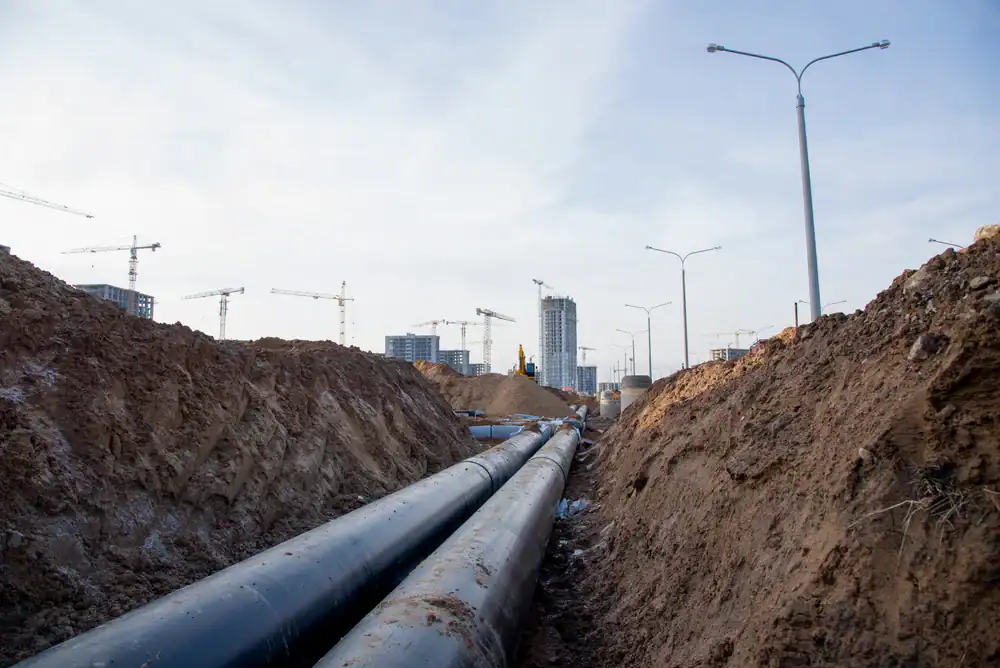
You get proper excavation and trenching sized for your specific pipe diameter and property layout. You get new waste line installed at the correct slope so gravity does its job. You get secure connections at both ends—your home’s main drain and your cesspool or septic tank.
We handle the permit process with Suffolk County. Since 2019, any cesspool work requires a county permit, and the regulations are stricter than they used to be. If you’re replacing lines as part of a larger system upgrade, you may need to install a septic tank instead of connecting to an old cesspool. We’ll tell you exactly what applies to your situation before we start.
You also get a system designed to prevent future backups. That might mean installing a backwater valve if your property is prone to flooding during heavy rain. Miller Place gets hit with storms, and when the sewer system is overwhelmed, sewage can flow backward into your home unless you have protection in place.
We clean up after ourselves. Trenching tears up your yard, but we backfill properly and restore the area as close to original condition as possible. You’re not left with a mud pit or a trench that collapses the first time it rains.
If you’re dealing with frequent backups even after pumping your cesspool, that’s usually a line problem. If water drains slowly throughout your whole house—not just one sink—that points to a main waste line issue, not a clog you can snake out.
Camera inspections show the difference clearly. We can see if your pipe has collapsed, if roots have broken through, or if the line was installed without proper slope. A cleaning won’t fix a broken pipe or a line that’s pitched wrong.
Another sign is standing water or sewage smell in your yard near where the line runs. That means waste is leaking out of the pipe instead of flowing into the cesspool. You need a line replacement, not a pump truck.
For most residential sewer lines, you need at least a quarter inch of drop for every foot of horizontal pipe. So if your line runs 50 feet from your house to the cesspool, it should drop about 12.5 inches over that distance.
Too little slope and waste doesn’t flow—it sits in the pipe, solids settle out, and you get chronic clogs and backups. Too much slope and liquids run ahead of solids, which also causes problems. There’s a range that works, and it’s not something you eyeball.
Older homes in Miller Place sometimes have lines that were installed flat or with inconsistent pitch. That might have worked decades ago with different usage patterns, but modern water-saving toilets and appliances need proper slope to move waste effectively. If your line doesn’t have it, you’ll keep having problems until it’s replaced correctly.
Most residential line changes take one to three days depending on distance, soil conditions, and whether we hit rock or other obstacles. The actual digging and pipe installation might only take a day, but prep work and final grading add time.
We dig a trench from your home’s main drain to the cesspool. Trench width is usually two to three feet—wide enough to work in but not wider than necessary. Length depends on your property layout. Some Miller Place homes have cesspools 30 feet from the house, others are 80 feet or more.
We try to minimize disruption. If you have landscaping or hardscaping in the way, we’ll talk through options before we start. Sometimes we can route around features, sometimes we can’t. But we’re not tearing up your entire yard—just the path the line needs to follow.
Yes. Suffolk County requires permits for cesspool and septic work, including line changes. That requirement started in 2019 as part of stricter regulations to protect Long Island’s groundwater.
The permit process isn’t complicated, but it does add time to the project. We handle the paperwork and make sure the work meets county standards. An inspector may need to see the trench and new line before we backfill, depending on the scope of work.
If you’re replacing a failed cesspool as part of this project, the rules are even more specific. You can’t install a new cesspool—you have to upgrade to a septic system with a tank and leaching structure. That’s a bigger job than just line changes, and it definitely requires permits and inspections. We’ll walk you through exactly what applies to your situation.
Yes, if the line isn’t protected. Tree roots seek out water and nutrients, and they’ll grow into any crack or joint in a sewer pipe. Once they’re in, they expand and eventually break the pipe.
We use solid pipe for the main waste line run, not perforated pipe. Joints are sealed properly. If your property has large trees near the line path, we’ll recommend a root barrier or route the line to avoid the root zone when possible.
Even with a new line installed correctly, you should have a camera inspection done every few years if you have mature trees on your property. Catching root intrusion early means a simple cleaning instead of another excavation and line replacement. Miller Place has plenty of older properties with big trees, so this isn’t a minor concern—it’s something to plan for.
Call us. We handle emergency line repairs and can often get someone out the same day, even on weekends. If sewage is backing up into your home, that’s not something you wait on.
Emergency work costs more than scheduled work—that’s true everywhere. But a failed waste line during a storm means sewage has nowhere to go except back into your house or out into your yard. The longer you wait, the worse the damage and contamination.
If it’s after hours and you’re dealing with a backup, shut off water to prevent more flow into the system. Don’t use toilets, sinks, or showers. If you have a basement floor drain, plug it so sewage doesn’t come up through there. Then call us at 631-368-1022. We’ll talk you through immediate steps and get someone to your Miller Place property as quickly as possible.
Other Services we provide in Miller Place