
Hear from Our Customers
A failing sewer line to cesspool connection doesn’t give you much warning. You might notice slow drains for a week or two, maybe some gurgling sounds. Then one morning, sewage backs up into your basement or pools in your yard.
The average sewage backup cleanup runs between three and seven thousand dollars. That’s after the emergency pumping, which costs another eight hundred to twelve hundred. If the backup happens at night or on a weekend, you’re paying premium rates while your family can’t use the toilets or showers.
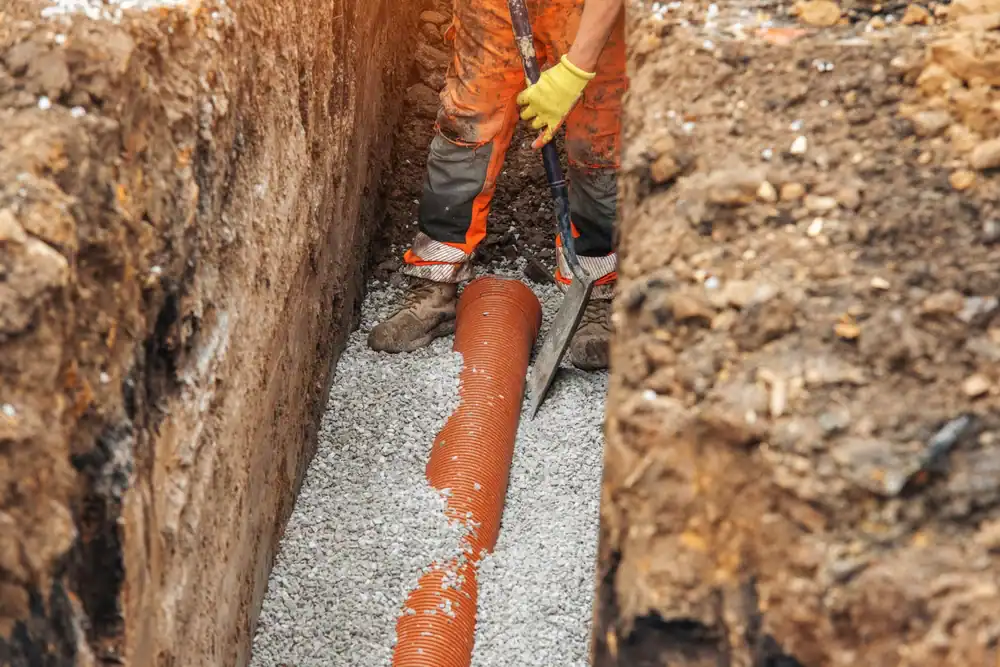
Proper line changes fix the root problem. When we replace your main waste line with correct pipe pitch and slope, gravity does the work. Water flows downhill at a quarter inch per foot, which means no standing water, no clogs building up, and no pressure backing up into your home. You get a system that works the way it should have from the start.
We’ve handled cesspool and septic work in Northwest Harbor for nearly two decades. We’re a family operation, four generations deep, which means we’ve seen what works and what fails on Long Island’s sandy soil and high water tables.
Northwest Harbor sits right on the coast, which creates specific challenges for cesspool systems. The water table rises and falls with the seasons, and that old concrete from the 1960s and 70s wasn’t built to handle it. We’ve replaced enough failed lines in this area to know exactly what your property needs.
When you call, you’re talking to people who live here and understand the local regulations. Suffolk County doesn’t mess around with cesspool compliance, and we make sure your work passes inspection the first time.
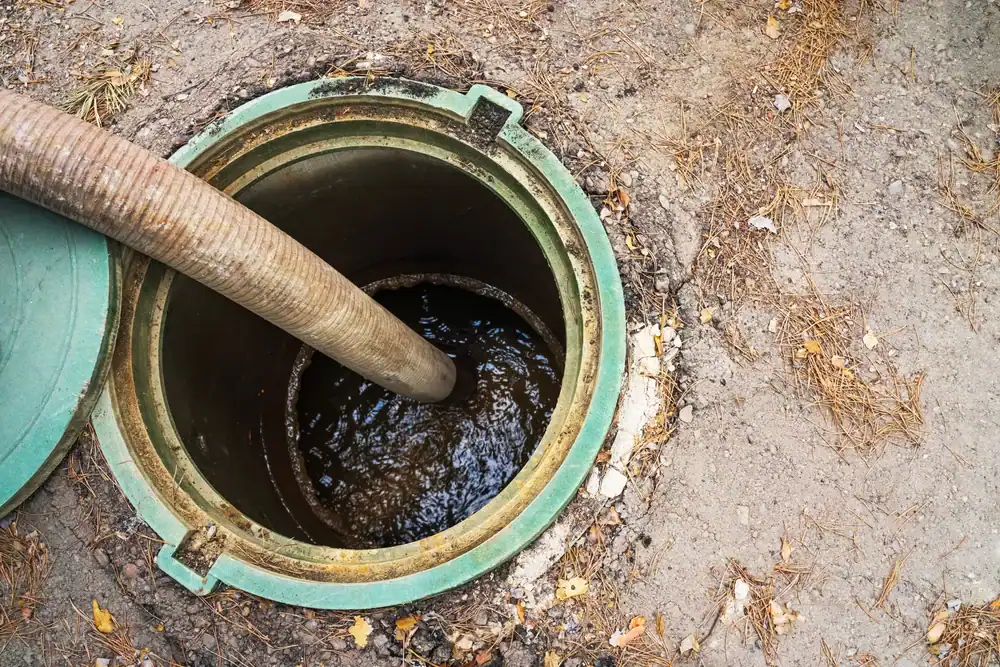
First, we locate your existing line and assess the damage. Most failures happen where pipes connect to the cesspool or where roots have infiltrated cracked sections. We use cameras to see exactly what’s going on underground before we dig.
Trenching and excavation comes next. If your trench is five feet deep or more, OSHA requires protective systems, and we follow those standards every time. We’re not cutting corners on safety because someone has to work in that hole.
Once the trench is open, we remove the failed section and install new pipe at the correct slope. That quarter-inch-per-foot pitch matters more than most people realize. Too flat and waste sits in the pipe. Too steep and water outruns solids, leaving them behind to clog the line.
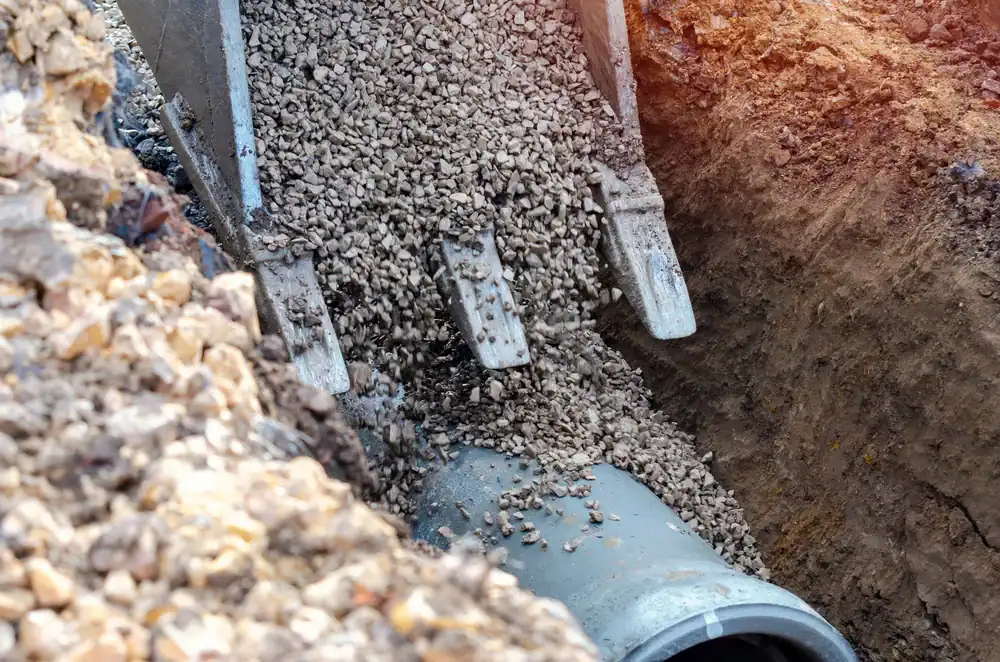
We backfill carefully, compact the soil in layers, and test the system before we’re done. You’ll see water flowing properly, and you’ll have documentation that the work meets Suffolk County requirements. The whole process typically takes one to two days depending on how much line needs replacement.
Ready to get started?
Line changes aren’t just about swapping old pipe for new. You’re getting a system designed to handle Northwest Harbor’s specific conditions.
The soil here is mostly sand, which shifts and settles. We account for that when we set pipe slope and choose bedding material. Your new line sits on a stable base that won’t shift after the first heavy rain.
Suffolk County requires specific documentation for any cesspool work. We handle the permits, submit the completion reports to the county database, and give you copies for your records. If you sell your property, that documentation proves your system was maintained properly.
You also get emergency backup. Cesspool problems don’t wait for business hours, and we’re available around the clock. If something goes wrong with your new line (which is rare, but it happens), you’re not scrambling to find someone who’ll answer the phone at midnight.
Most importantly, you’re getting expertise that understands Long Island cesspools. More than seventy percent of Suffolk County residents rely on septic or cesspool systems. We’ve worked on thousands of them, and we know what fails, what lasts, and what passes inspection.
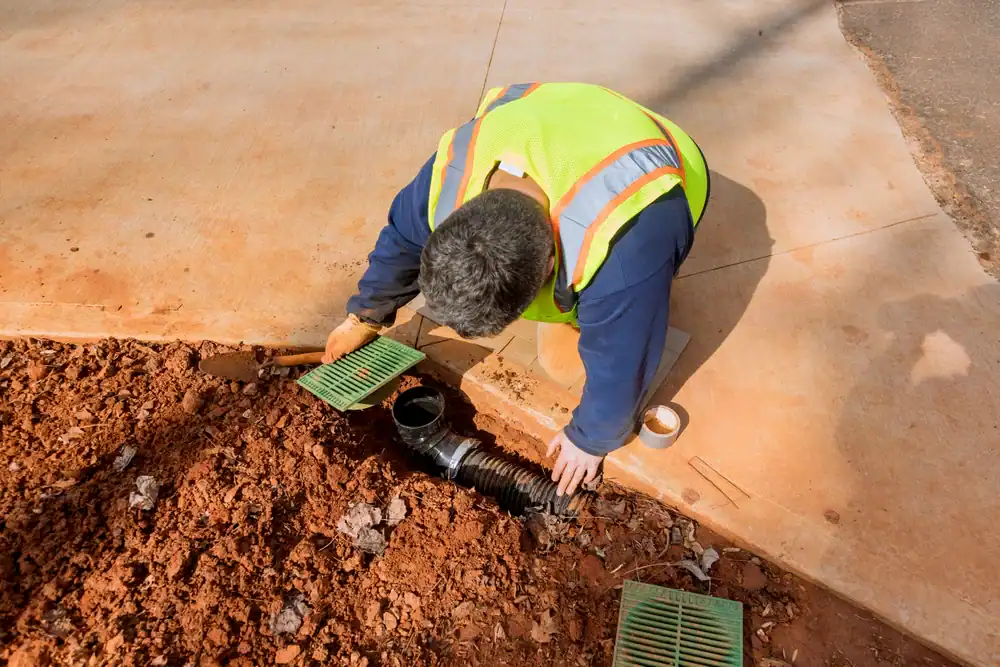
If your pipe has a single crack or a small section damaged by roots, a repair might work. But if you’re dealing with multiple problem areas, old concrete or clay pipe, or a line that was never installed at the right slope, replacement makes more sense.
Here’s the reality: patching one section of a fifty-year-old line doesn’t fix the rest of the pipe that’s just as old. You might get another year or two before the next section fails. Then you’re paying for excavation and labor again.
We’ll camera your line and show you exactly what’s happening underground. If sixty percent of your pipe looks good and there’s one bad spot, we’ll tell you a repair is fine. But if the whole line is deteriorating or improperly sloped, replacement prevents you from dealing with this again in two years.
Northwest Harbor’s coastal location means your water table fluctuates more than inland properties. When groundwater rises, it puts pressure on aging cesspool walls and pipe connections. If those connections weren’t sealed properly or the concrete has deteriorated, water infiltrates your system.
That extra water overloads your cesspool. It fills faster than it should, and suddenly you’re dealing with backups even though your family’s water usage hasn’t changed. The problem isn’t how much you’re using – it’s groundwater getting in where it shouldn’t.
Tree roots cause the other major issue. Roots seek out water, and even a hairline crack in your sewer line is an invitation. Once roots get in, they expand and break the pipe apart. Willow trees and maples are particularly aggressive, but any mature tree within twenty feet of your line can cause problems.
Most line changes take one to two days. If we’re replacing a straight run from your house to the cesspool with no obstacles, that’s usually a one-day job. If we’re working around mature landscaping, dealing with a deep line, or replacing a longer section, it might stretch to two days.
Weather affects the timeline. Heavy rain turns trenches into mud pits, and we’re not doing quality work in those conditions. We’ll reschedule rather than rush a job that needs to last decades.
You can use your plumbing during the work with some restrictions. We’ll let you know when we need to disconnect the line, and we’ll get it reconnected as quickly as possible. Most families plan to be conservative with water usage during the work – shorter showers, running the dishwasher after we’re done for the day, that kind of thing.
Our workmanship is guaranteed. If something fails because of how we installed it, we come back and fix it at no charge. That covers issues like improper slope, poor connections, or settling caused by inadequate compaction.
What it doesn’t cover is damage you cause or new problems unrelated to our work. If you drive heavy equipment over the line or plant a tree that eventually damages the pipe, that’s on you. If your cesspool fails five years later because it’s reached the end of its lifespan, that’s a separate issue from the line we replaced.
The pipe itself comes with manufacturer specifications. Modern PVC and ABS pipes last fifty-plus years when installed correctly. We use schedule 40 pipe rated for underground burial, and we follow manufacturer guidelines for bedding and backfill. You’re getting materials designed to outlast the typical homeowner’s time in the house.
Line replacement costs depend on how much pipe needs replacing and what we encounter when we dig. A basic job replacing fifty feet of line from house to cesspool typically runs between two and four thousand dollars. If we’re going deeper than five feet, working around obstacles, or replacing a longer run, costs go up.
Emergency work costs more. If you call us on Sunday morning with sewage backing up, you’re paying premium rates for immediate response. That’s why catching problems early matters – scheduled work costs a fraction of emergency service.
Suffolk County offers grants that can offset costs. The county provides up to ten thousand dollars for cesspool upgrades, with additional funding available in specific situations. Nassau County goes up to twenty thousand. We can walk you through the application process and help you understand what qualifies.
The real cost is ignoring the problem. Emergency pumping during a backup runs eight hundred to twelve hundred dollars. Water damage restoration averages three to eight thousand for basement flooding. Complete system replacement ranges from fifteen to thirty thousand. Fixing your line now prevents all of that.
Root damage usually means replacement, not repair. Once roots infiltrate a pipe, they’ve already cracked it open. We can cut the roots out, but they’ll grow back within months because the crack is still there giving them access to water.
The replacement process involves removing the damaged section and installing new pipe. We also look at what tree caused the problem. If it’s a mature tree sitting ten feet from your line, you might face a choice between removing the tree or rerouting the line away from it.
Some homeowners want to save the tree, which we understand. In those cases, we can install the new line along a different path or add root barriers. But you need to know that roots will always seek out water, and any crack or connection point is vulnerable. The most permanent solution is eliminating the source or moving the line out of range.
Other Services we provide in Northwest Harbor