Summary:
You schedule regular septic service. The truck shows up, pumps out your tank, and you assume everything’s handled for another few years. But if you’re only getting pumping service, you might be leaving behind the exact buildup that causes system failures. There’s a real difference between pumping and cleaning, and most Long Island homeowners don’t know it exists until they’re facing a backup or a failing drain field. Here’s what you need to understand about why septic tank cleaning matters, when you need it instead of basic pumping, and how it protects your system from the unique challenges Long Island’s soil and water table create.
What Septic Tank Cleaning Actually Removes
When wastewater enters your septic tank, it separates into three layers. Solid waste sinks to the bottom and forms sludge. Oils and grease float to the top as scum. The liquid in the middle flows out to your drain field.
Over time, that bottom layer of sludge doesn’t just sit there. It compacts. It hardens. It sticks to your tank walls and bottom like concrete. Standard pumping removes the liquids and some of the loose material floating near the top, but it can’t touch that compacted layer. That’s where cleaning comes in. Septic tank cleaning uses high-pressure water jets or mechanical agitation to break up and remove everything—including the hardened sludge that’s been building for years.
How the Septic System Clean Out Process Works
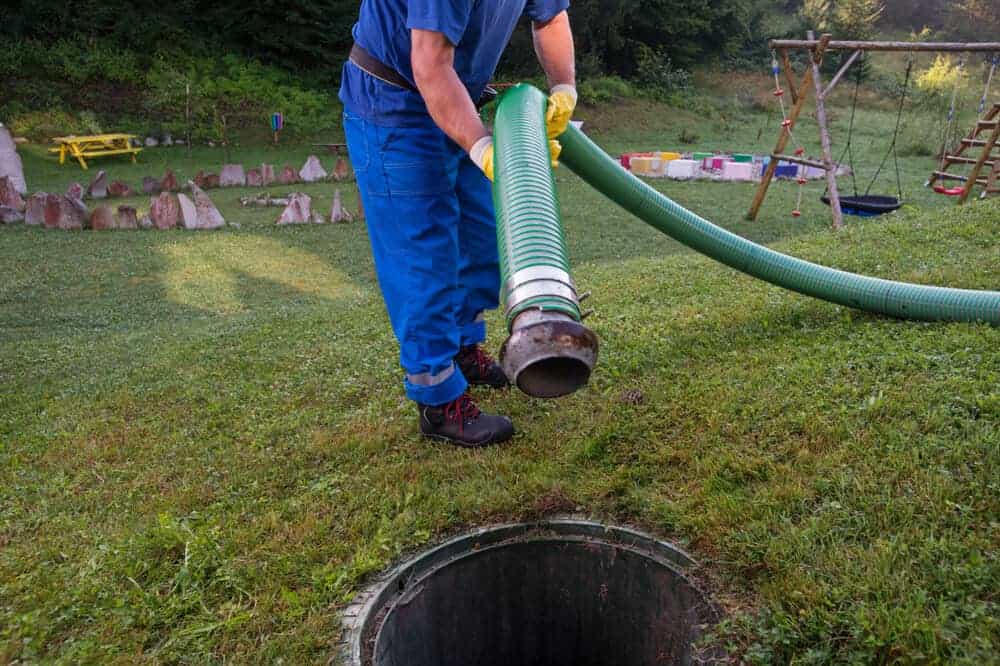
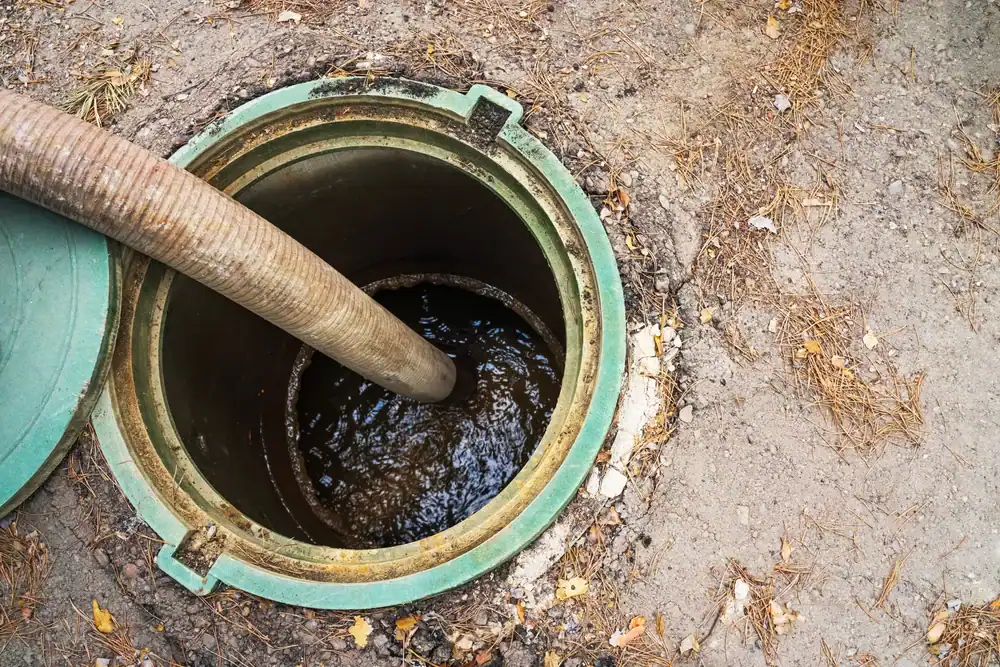
The septic clean out process starts the same way pumping does. A vacuum truck connects to your tank through the manhole. But instead of just sucking out liquids, we take it further.
First, we pump out the accessible liquid and floating material. Then comes the difference. High-pressure water gets directed at the tank walls and bottom to dislodge the compacted sludge. We use mechanical scrapers or agitators to break up material that’s been sitting for years. The goal is to physically separate the hardened waste from the tank surfaces so it can be vacuumed out.
This process takes longer than standard pumping. It requires more specialized equipment. But it’s the only way to truly clean out a septic tank that’s been accumulating sludge beyond what pumping can handle. When it’s done right, your tank is genuinely empty—not just reduced.
For Long Island properties, this thoroughness matters more than you might think. Your sandy soil drains fast, which sounds good until you realize it also means your system works harder. The high water table here puts constant pressure on tanks and drain fields. When sludge builds up and reduces your tank’s effective volume, more solids escape to the drain field with every flush. That’s how drain fields fail, and replacing one costs $5,000 to $12,000. A proper clean out septic tank service prevents that by ensuring your tank can do its job—separating solids from liquids before anything reaches your drain field.
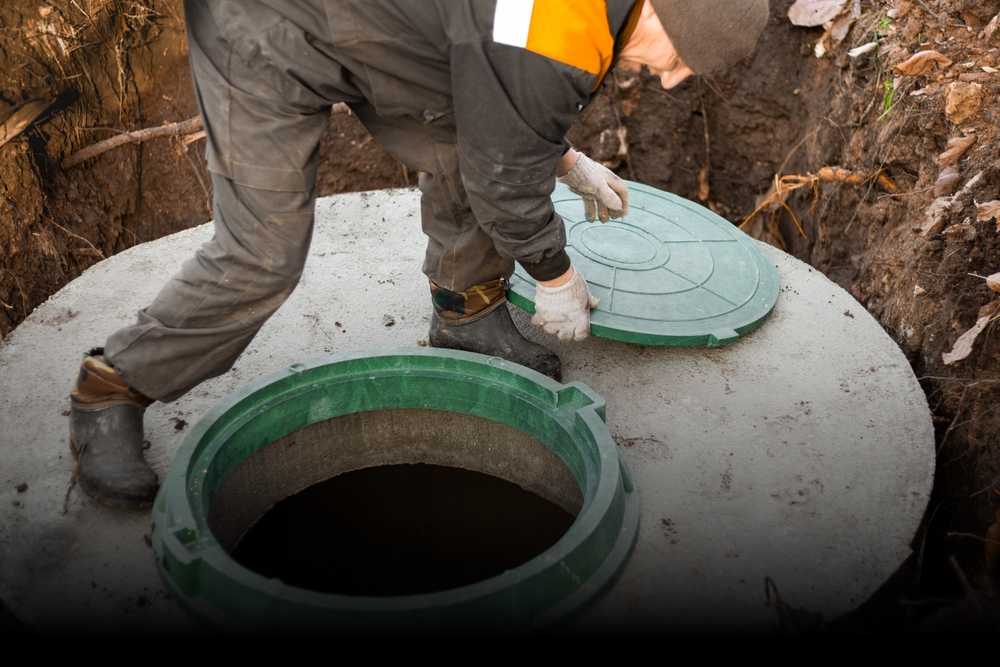
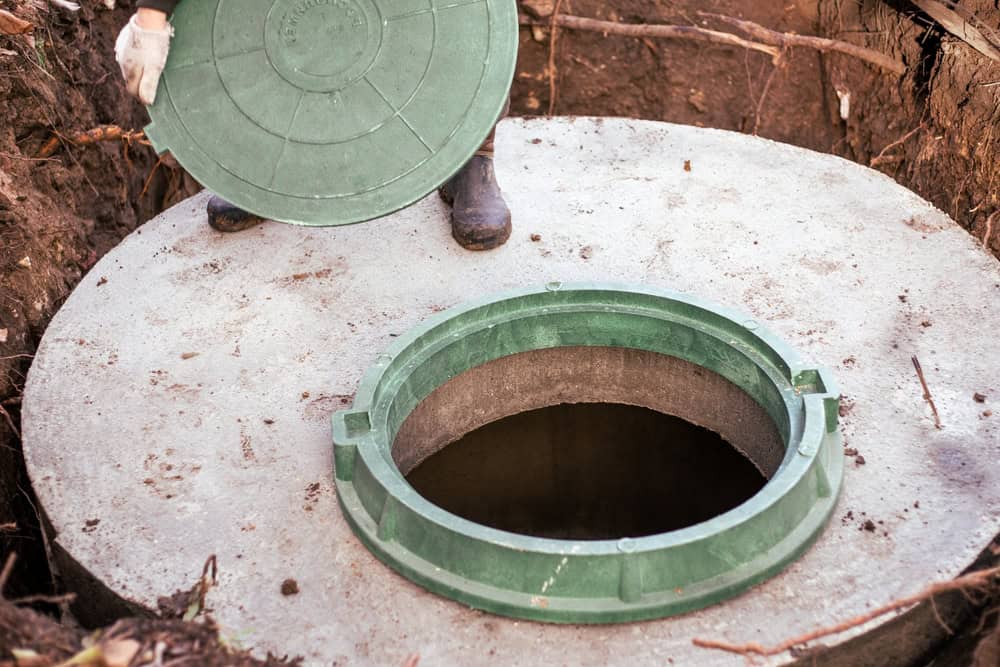
Most homeowners don’t realize their tank has two compartments if it was installed after the late 1980s. A thorough cleaning service checks both compartments. Some companies will charge you to pump both sides but only actually service one. That’s why it matters who you hire and whether they’re committed to doing the job completely.
Why Long Island Systems Need More Than Basic Pumping
Long Island’s geology creates conditions that don’t exist in other parts of the country. Your water table sits high—sometimes just a few feet below ground surface. During heavy rain or storm surges, it rises even higher. That means your septic system doesn’t have the soil depth for filtration that systems elsewhere rely on.
The sandy soil here drains quickly, but it doesn’t filter as effectively as denser soils. When your tank isn’t processing waste efficiently because it’s partially filled with compacted sludge, more solids escape to the drain field. In other regions, that might get filtered out by several feet of clay soil. Here, it goes straight through the sand and into the groundwater that supplies 100% of Long Island’s drinking water.
Suffolk County knows this. That’s why they banned new cesspool installations in 2019 and why they’re pushing nitrogen-reducing septic systems. The regulations recognize that conventional systems and cesspools are essentially failing because they can’t remove nitrogen. When your tank is full of sludge, it’s failing even faster.
A septic system clean out addresses this by restoring your tank’s full volume. Bacteria can work on fresh waste instead of struggling with compacted material. The separation process works properly. Your drain field receives clearer effluent. The whole system functions the way it’s supposed to, which extends its life and protects the aquifer beneath your property.
If you’ve been getting standard pumping every three years but you’re still noticing slow drains, odors, or wet spots in your yard, the problem is likely buildup that pumping can’t remove. That’s when you need cleaning, not just another pump-out.
Septic Tank Cleaning Cost vs System Replacement
A standard septic tank cleaning in Suffolk County runs between $300 and $600 depending on your tank size and how accessible it is. If you’re pumping every three to five years as recommended, you’re spending maybe $100 to $200 annually to keep your system functional.
Compare that to what happens when you skip maintenance. Complete system replacement costs $10,000 to $15,000 for most residential properties. If your soil conditions are difficult or you need an advanced nitrogen-reducing system to meet current Suffolk County requirements, that climbs to $20,000 or more. Even if you only need drain field replacement because you caught the problem before total failure, you’re still looking at $5,000 to $12,000.
What Affects Clean Septic Tank Cost
Several factors determine what you’ll pay for septic cleaning cost. Tank size is the obvious one—larger tanks require more time and labor. A 1,000-gallon tank costs less to clean than a 2,000-gallon tank simply because there’s less volume to process.
Accessibility matters too. If your tank is buried under a deck or located on difficult terrain, expect to pay more. Tanks that are deeper underground require more effort to uncover and service. Some properties don’t have clear access to the manhole, which adds time and complexity.
How long it’s been since your last service affects cost as well. If it’s been more than five years, or if you’ve never had your tank fully cleaned, the compacted material takes longer to break up and remove. That means more labor hours and potentially additional equipment.
Location plays a role. Emergency service costs 40-60% more than scheduled maintenance because you’re paying for immediate response. If you call on a Sunday night with sewage backing into your basement, you’ll pay a premium compared to scheduling service during normal business hours on a Tuesday.
The clean septic tank cost also varies by what’s included in the service. Some companies just pump and leave. We inspect your tank while we’re there, check for cracks or damage, measure sludge depth, and provide recommendations. Camera inspection adds value but increases the price. It’s worth it if you want to actually see what’s happening inside your system instead of taking someone’s word that you need expensive repairs.
For Suffolk County specifically, the septic cleaning cost range of $300-$600 reflects local market rates. That’s competitive with cesspool pumping cost, which runs $400-$700 per service. The difference is that cesspools need service every 1-2 years because they don’t separate solids from liquids, while properly maintained septic tanks can go 3-5 years between cleanings.
Cesspool Pumping Cost and Service Differences
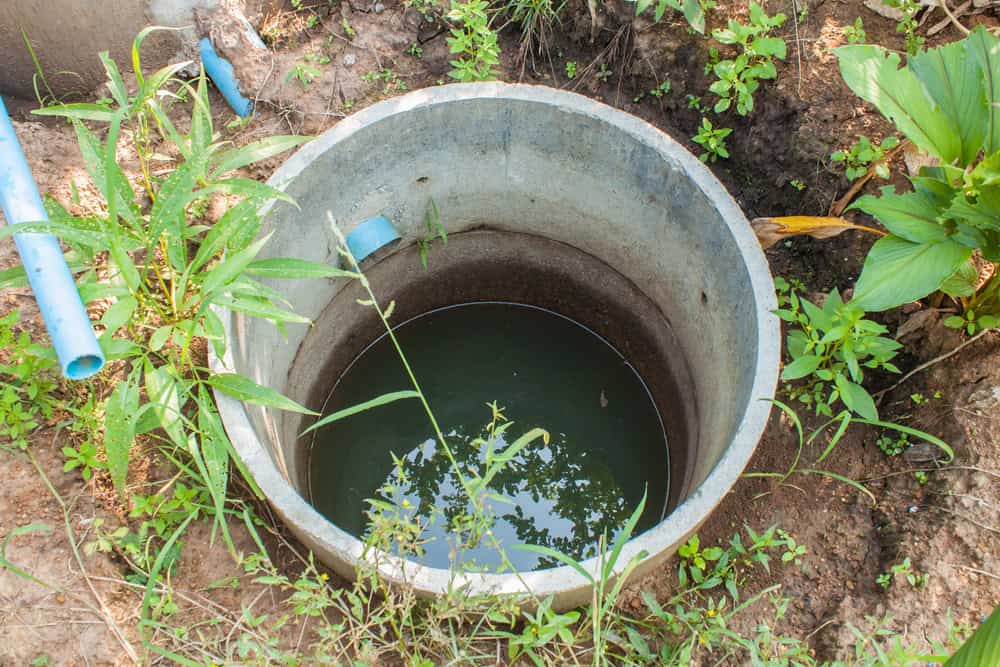
If you have a cesspool instead of a septic tank, you’re dealing with a different system entirely. A cesspool is basically a pit in the ground where all your wastewater drains. Solids settle at the bottom, liquids seep out through perforations in the walls. There’s no treatment, no filtration, just collection and slow drainage into the surrounding soil.
Cesspool pumping cost typically runs $400-$700 per service in Suffolk County. That’s comparable to septic cleaning, but here’s the catch—you need it much more frequently. Most Long Island cesspools need pumping every 1-2 years because they fill up fast without any separation system. A family of four might need service every 18 months just to prevent backups.
The cesspool service cost adds up over time. At $500 per pump-out twice a year, you’re spending $1,000 annually just on maintenance. A septic tank cleaned every three years at $450 costs you $150 per year. Over a decade, that’s $10,000 for cesspool maintenance versus $1,500 for septic maintenance.
Suffolk County banned new cesspool installations in 2019 for good reason. They dump untreated waste directly into the soil, contributing to nitrogen pollution in the groundwater. When your cesspool fails—and they all eventually fail—you’re required to upgrade to a modern septic system. That’s when cesspool cleaning cost becomes irrelevant because you’re facing a $19,000-$25,000 replacement.
The good news is that Suffolk County offers grants up to $20,000 for nitrogen-reducing system installations. Nassau County has similar programs. But you need to apply before your system fails, not after. If you wait for an emergency, your options narrow and your costs go up.
Cesspool vs Septic System: Understanding the Difference
Many Long Island homeowners use the terms cesspool and septic system interchangeably. They’re completely different systems with different functions, different maintenance needs, and different regulatory futures in Suffolk County.
A cesspool is a holding pit. Everything from your toilets, sinks, showers, and washing machine drains into this underground hole. Solids settle at the bottom. Liquids seep out through perforations in the walls into the surrounding soil. There’s no treatment process. No filtration. Just collection and drainage. A septic tank, by contrast, is a treatment system. Waste enters the tank and separates. Solids sink and form sludge. Grease floats as scum. The liquid in the middle—the effluent—flows out to a drain field where soil acts as a natural filter before the water returns to the groundwater.