Summary:
You walk downstairs and immediately smell it. Then you see it—dark water pooling around your basement floor drain, spreading across the concrete. Sewage has backed up into your home, and you need answers right now.
You’re probably wondering what this will cost, whether it’s safe, and what you should do first. Those are the right questions. The decisions you make in the next few hours will affect both your family’s health and how much you’ll ultimately pay to fix this. Here’s what you actually need to know about sewage backup costs, risks, and your next steps in Suffolk County, NY.
How Much Does Sewage Backup in Basement Cost
The honest answer: it depends on what you’re dealing with. Most homeowners in Suffolk County pay between $2,000 and $10,000 for professional sewage cleanup and restoration. But that range exists for a reason.
A small backup affecting just your laundry room that gets addressed within hours might land on the lower end. A basement filled with two feet of sewage that sat overnight while you tried to figure out what to do? That’s pushing toward the higher end, sometimes exceeding $15,000 or more in severe cases.
Professional companies typically charge $7 to $15 per square foot for sewage cleanup. That covers water extraction, sanitization, drying equipment, and disposal of contaminated materials. What it doesn’t include is fixing whatever caused the backup in the first place—that’s a separate plumber bill.
What Actually Affects Your Sewage Cleanup Cost
The size of the affected area matters, obviously. A 200-square-foot basement costs less to remediate than a 1,000-square-foot finished basement with carpeting, drywall, and furniture.
But here’s what really drives the price up: time. Every hour that sewage water sits in your basement, it’s seeping deeper into porous materials. Drywall wicks it up. Concrete absorbs it. Wood framing soaks it in.
What starts as a surface problem becomes a demolition and reconstruction project. The type of materials in your basement changes everything too. Concrete floors and bare walls? Easier to clean and sanitize.
Finished basement with carpet, drywall, insulation, and a drop ceiling? Most of that is going in a dumpster. You can’t sanitize porous materials that have been soaked in sewage—they have to be removed and replaced.
Accessibility plays a role. If our crew can back the truck up to a basement door and pump directly outside, that’s straightforward. If we’re hauling equipment down narrow stairs into a crawlspace-height basement, that’s more labor and more time.
Then there’s the contamination level. Category 3 water—that’s the official term for sewage—contains bacteria, viruses, and pathogens that require specialized handling. This isn’t a shop-vac situation.
Professional crews need protective gear, antimicrobial treatments, and industrial drying equipment to make your basement safe again. After the cleanup, you’ve still got the source problem. If a clogged sewer line caused the backup, you’re looking at a plumber charging $60 to $80 per hour, possibly a sewer scope inspection at $250 to $500, and potentially hydro jetting at $400 to $800.
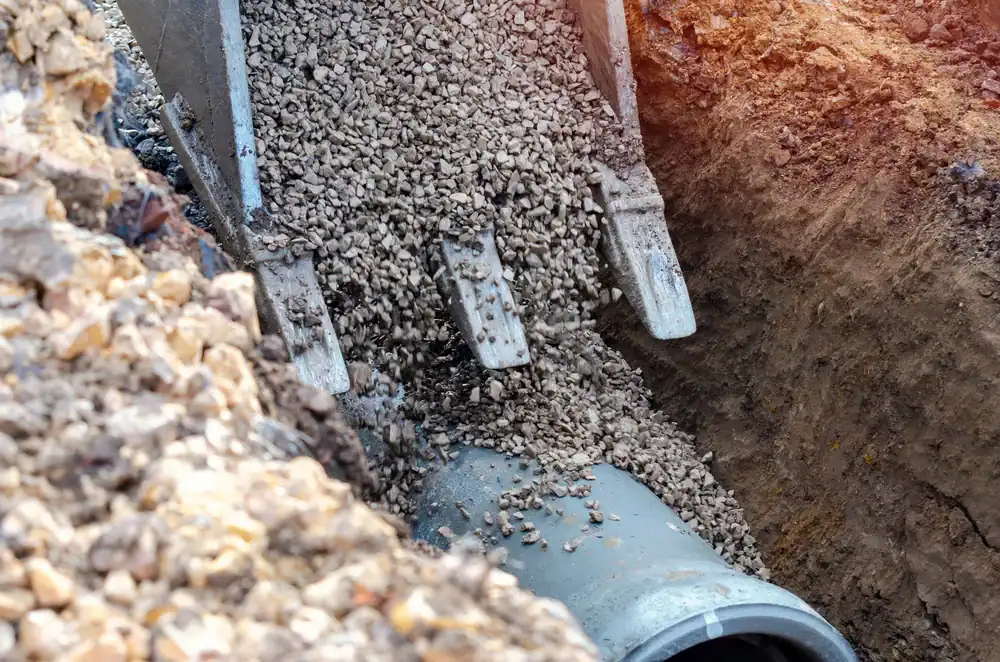
If the line is damaged or collapsed, you might need excavation and pipe replacement, which adds thousands more.
Why Waiting Makes Everything More Expensive
Here’s something most people don’t realize until it’s too late: mold starts growing within 24 to 48 hours of water exposure. Once mold takes hold in a sewage-contaminated basement, you’re not just paying for sewage cleanup anymore. You’re paying for mold remediation too, which adds another $15 to $30 per square foot to your bill.
A University of Maryland study found that 34 out of 40 homes with sewage backups still had harmful bacteria present more than six months later. Some had antibiotic-resistant bacteria. That’s not something you want in your home, and it’s exactly why professional cleanup isn’t optional—it’s necessary.
The longer contaminated water sits, the more it compromises your home’s structure. Floor joists can weaken. Foundation walls can develop issues.
Electrical systems can corrode. What starts as a $3,000 cleanup becomes a $10,000 restoration project because someone waited a weekend to call for help.
Insurance companies know this too. Many policies require prompt mitigation to minimize damage. If you wait too long, they might argue you didn’t take reasonable steps to prevent further loss, and that can affect your coverage.
Your health is on the line as well. Sewage contains E. coli, Salmonella, Hepatitis A, and other pathogens. One study detected E. coli concentrations 10 times higher than federal limits for swimming areas.
You’re not swimming in it, but you’re breathing the air around it, walking through it, touching surfaces it contaminated. Every hour of exposure is an hour of risk. The bottom line: the fastest way to control sewage backup costs is to act immediately.
Not tomorrow. Not after you get three quotes. Now.
Sewage in Basement: Health Risks You Can't Ignore
Let’s be direct about what you’re actually dealing with when sewage backs up into your basement. This isn’t dirty water. It’s Category 3 “black water”—the most hazardous classification of contaminated water.
Raw sewage carries human waste, toilet paper, bacteria, viruses, parasites, and whatever else went down drains in your neighborhood. It’s a biohazard, and treating it like a regular flood is dangerous.
The bacteria alone should make you think twice about DIY cleanup. E. coli causes severe gastrointestinal illness. Salmonella can lead to life-threatening infections if it enters your bloodstream. Leptospirosis damages kidneys and liver. Hepatitis A causes jaundice and severe fatigue. These aren’t rare contaminants—they’re common in sewage backups.
Flooding Sewer Backup: Immediate Health Threats
The moment sewage enters your basement, your home’s air quality changes. Sewage releases toxic gases including hydrogen sulfide and methane. Breathing these gases causes headaches, dizziness, and nausea in the short term.
Prolonged exposure affects your respiratory system, especially if anyone in your home has asthma or other breathing conditions. Direct contact is worse. If sewage water touches your skin, you’re at risk for rashes, infections, and chemical burns.
If you have any cuts or scrapes, bacteria can enter your bloodstream and cause serious infections like cellulitis or sepsis. Both require immediate medical attention. Children and pets are particularly vulnerable.
They’re closer to the ground, more likely to touch contaminated surfaces, and less aware of the danger. Keep them out of the area entirely—no exceptions. The smell isn’t just unpleasant.
It’s a warning. That odor comes from decomposing organic matter and bacterial activity. If you can smell it, you’re inhaling airborne contaminants.
Some people try to mask the smell with fans or air fresheners, but that doesn’t address the problem. You’re still breathing contaminated air. Even after the visible water is gone, the contamination remains.
Bacteria can survive on surfaces for months. That University of Maryland study found harmful bacteria in homes more than six months after the sewage was removed. Simply mopping up the water doesn’t make your basement safe.
What Causes Sewage Backup in Suffolk County Basements
Understanding why this happened helps prevent it from happening again. In Suffolk County, several factors commonly cause basement sewage backups.
Clogged sewer lines top the list. Tree roots grow toward moisture, and sewer lines provide exactly that. Roots work their way into tiny cracks in pipes, then expand and create blockages.
Grease poured down drains solidifies in pipes over time. “Flushable” wipes don’t actually break down—they accumulate and create clogs. All of these eventually cause backups.
Heavy rainfall overwhelms aging sewer systems. When storm drains fill beyond capacity, water has to go somewhere. In combined sewer systems, that pressure forces sewage backward through your floor drains.
Suffolk County gets its share of heavy storms, and the infrastructure isn’t always equipped to handle the volume. Full cesspools and septic tanks cause backups too. If your system hasn’t been pumped in years, solid waste builds up until there’s no room for new wastewater.
Everything backs up into your home through the lowest point—usually your basement floor drain. Broken or collapsed pipes create immediate problems. Older homes in Suffolk County have aging sewer laterals that deteriorate over time.
Soil shifts, pipes crack, sections collapse. When that happens, sewage can’t flow out, so it flows back. Municipal sewer issues affect entire neighborhoods.
If the city’s main line has a problem, multiple homes can experience backups simultaneously. You might not have done anything wrong—the problem is upstream. Knowing the cause matters because it determines the solution.
A clogged line might need hydro jetting. Tree roots might require pipe repair. A full cesspool needs pumping.
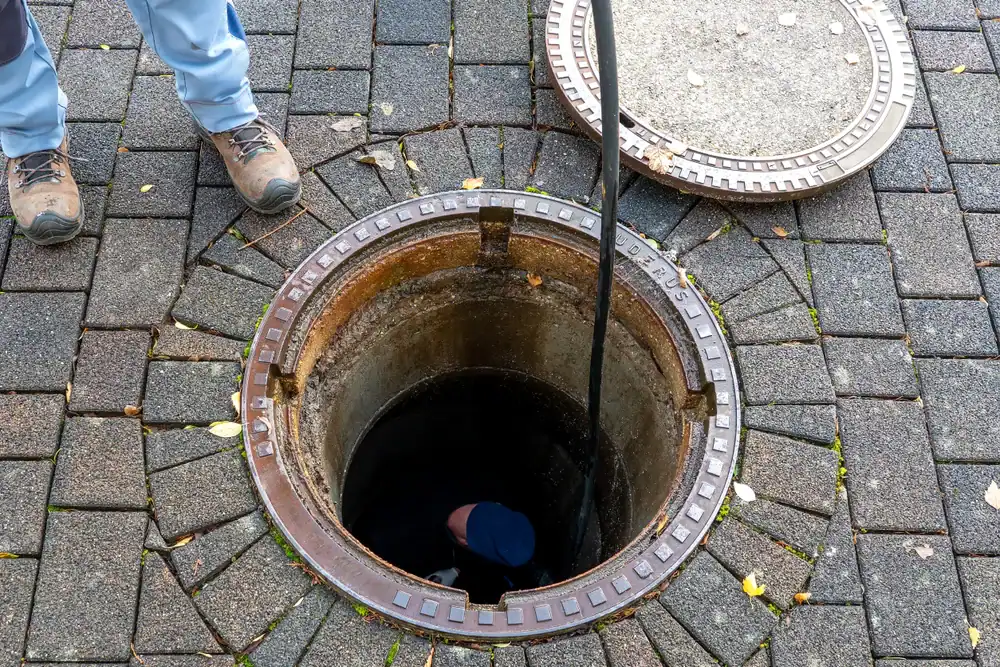
A collapsed line needs replacement. Our Camera inspection services identify exactly what’s causing your backup so you’re not guessing at solutions.
Getting Professional Help for Sewage Backup in Suffolk County
When sewage backs up in your basement, you’re facing a situation that requires immediate professional response. The health risks are real. The cost increases with every hour of delay. And DIY cleanup puts your family at risk while likely missing contamination that will cause problems later.
Understanding the costs helps you make informed decisions, but it shouldn’t slow down your response. Most Suffolk County homeowners pay $2,000 to $10,000 for professional sewage cleanup, and that investment protects both your family’s health and your home’s value.
The right move is calling a licensed, experienced cesspool and septic service that offers 24/7 emergency response. We’ve served Suffolk County for nearly two decades with four generations of family expertise. We understand local systems, respond quickly, and provide transparent pricing without hidden fees. Whether you need immediate emergency service or want to schedule a camera inspection to prevent future backups, we’re here to help.