Summary:
You’re searching for septic tank pumping cost because you need a number you can trust. Not a vague range that could mean anything. Not a “starting at” price that doubles once the truck shows up. You want to know what you’ll actually pay to pump your septic tank in Suffolk County.
Most Long Island homeowners pay between $300 and $600 for routine septic pumping. That’s the real answer. But your specific cost depends on your tank size, how accessible it is, and whether you’re calling for scheduled maintenance or an emergency backup. The difference between those scenarios can mean hundreds of dollars and a lot of unnecessary stress.
Let’s break down exactly what drives septic tank pumping prices in Suffolk County, what hidden fees to watch for, and how to budget for this essential maintenance without getting caught off guard.
What Affects Septic Tank Pumping Cost in Suffolk County
Your septic tank pumping cost isn’t arbitrary. It’s based on specific factors that any reputable company should explain before they start work.
Tank size is the biggest driver. A 1,000-gallon tank serving a typical three-bedroom home costs less to pump than a 1,500-gallon system. Larger tanks hold more waste, require more time to empty, and generate higher disposal fees at the treatment facility. Most Suffolk County homes have tanks between 1,000 and 1,500 gallons, which puts them in the $300-$500 range for routine pumping.
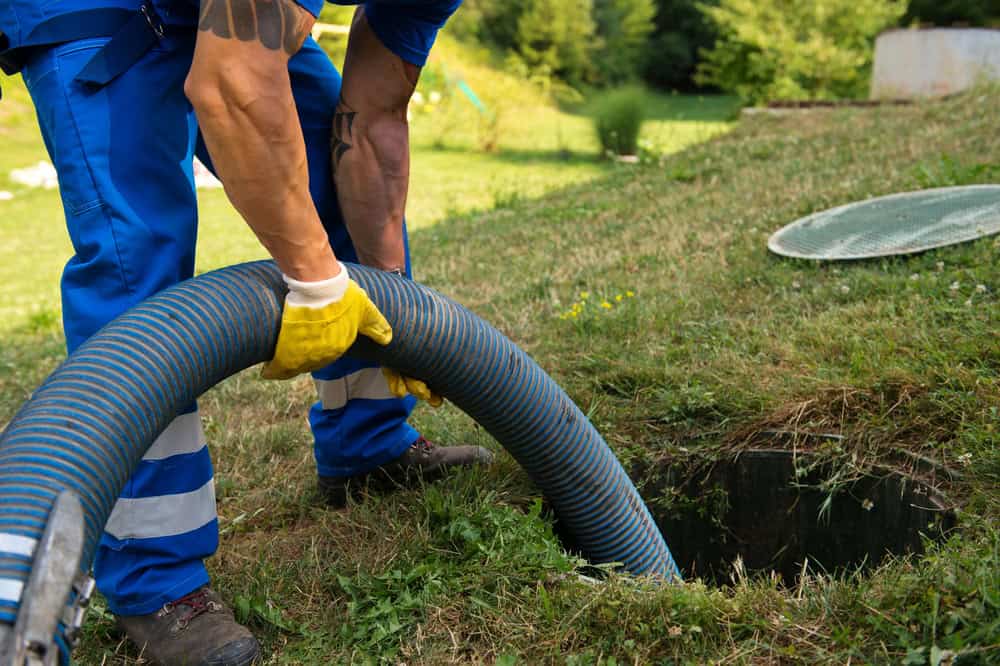
Accessibility matters more than most homeowners realize. If your tank is close to the driveway with a clearly marked access point, you’ll pay standard rates. But when the pump truck needs to run extra hose, navigate around landscaping, or work in tight spaces, that adds time and labor. Some companies charge $50-$100 extra for difficult access situations.
How Tank Size Changes Your Septic System Pumping Cost
Tank capacity directly affects what you pay because pumping companies price based on volume and time. A 750-gallon tank might cost $250-$350 to pump, while a 2,000-gallon system can run $600-$700 or more.
Most residential septic tanks fall into the moderate size range—1,000 to 1,500 gallons. That’s the standard for homes with three to four bedrooms. If you don’t know your tank size, check your property records or the original building permit. You can also ask during your next inspection, though most technicians can estimate capacity by measuring the tank dimensions.
Here’s what matters for budgeting. Smaller tanks fill faster and need more frequent pumping, especially if you have a larger household. A 750-gallon tank serving a family of four might need service every 18-24 months. A 1,500-gallon tank with the same family could go three to four years between pumpings. Over time, the per-year cost often evens out, but the timing differs significantly.
Suffolk County homeowners with older properties sometimes discover their tanks are smaller than modern building codes would require. That’s not necessarily a problem if you’re diligent about maintenance. But it does mean you can’t follow the generic “pump every 3-5 years” advice without accounting for your specific situation. Household size, water usage, and tank capacity all work together to determine your actual pumping schedule.
The disposal fees also scale with tank size. Treatment facilities charge based on the gallons delivered, and those costs get passed to you. A company pumping a 1,000-gallon tank pays less at the disposal site than one emptying a 1,500-gallon system, and that difference shows up in your invoice.
Don’t assume a bigger tank automatically saves money. It does reduce pumping frequency, but when service comes due, you’re paying more per visit. The total cost over five or ten years depends more on how well you maintain the system than on the tank size itself.
Hidden Fees That Change Your Price to Pump Septic Tank
The base pumping fee is just the starting point. Several additional charges are common in Suffolk County, and not every company discloses them upfront. Knowing what to ask prevents surprise costs when the invoice arrives.
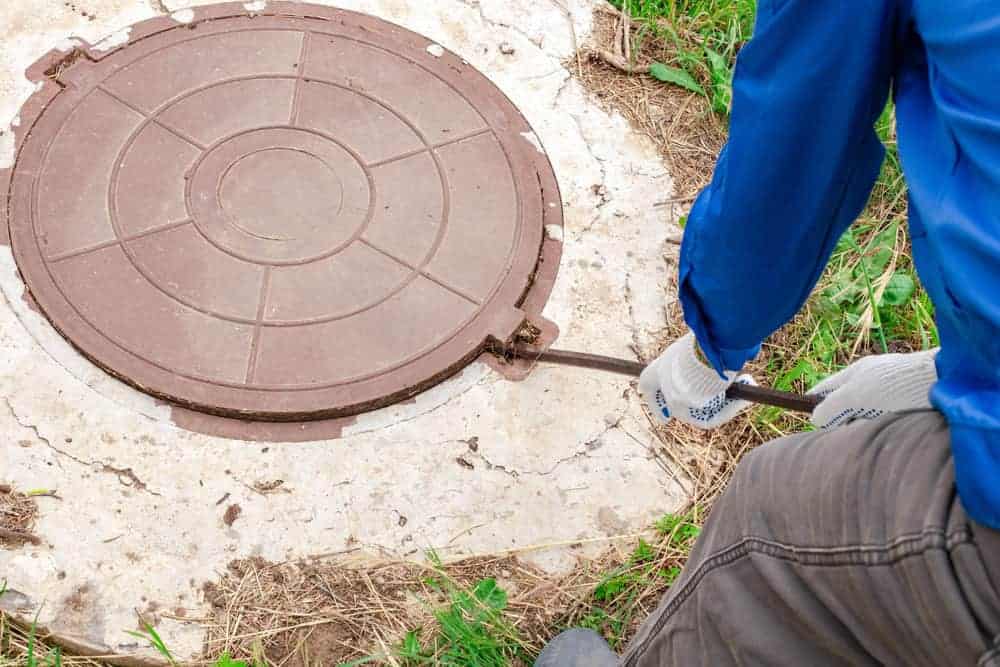
Tank location fees catch homeowners off guard more than anything else. If you don’t know where your septic tank is located, most companies charge $75-$150 to find it using electronic detection equipment. This involves specialized tools that trace your sewer line and pinpoint the tank location. It’s a legitimate service, but it’s also completely avoidable if you locate your tank once, mark it permanently, and keep a diagram for future reference.
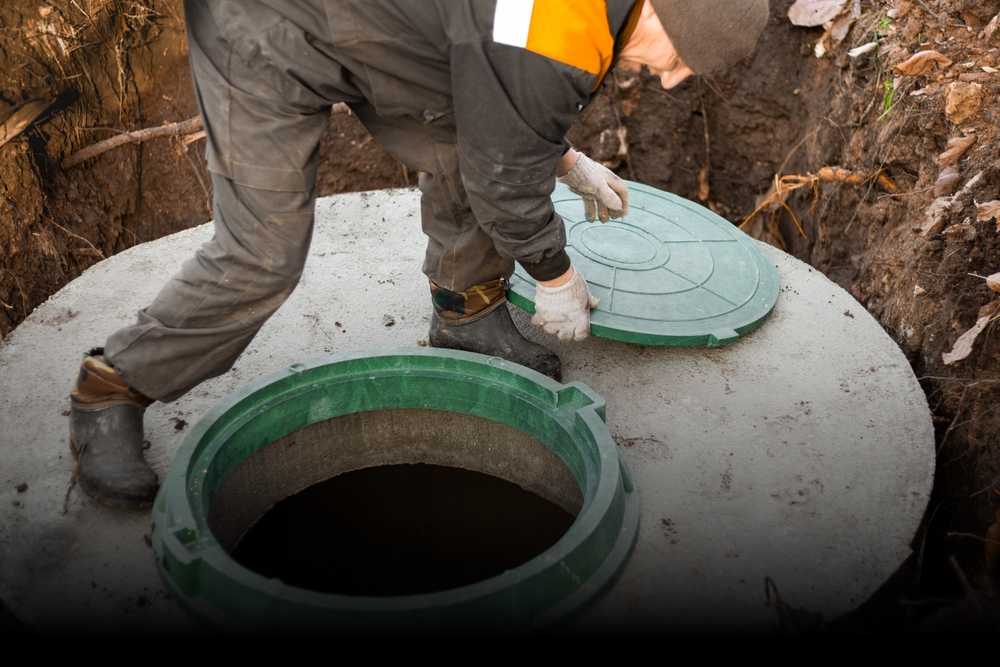
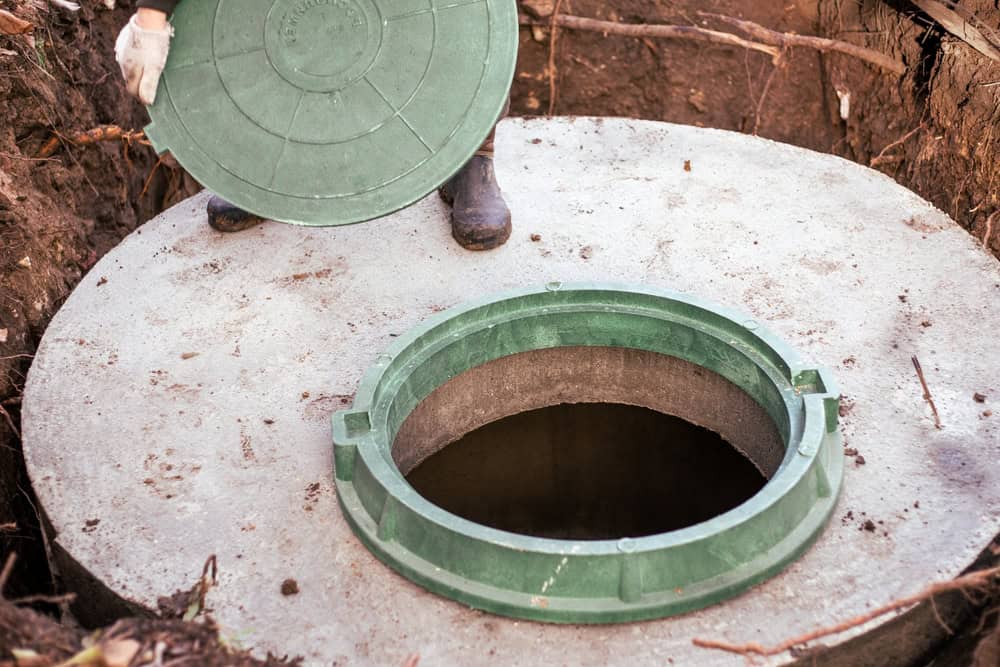
Lid excavation adds another $50-$200 depending on depth and difficulty. If your tank lids are buried under soil, grass, or landscaping, the crew has to dig to access them. This adds time and labor. The solution is installing septic tank risers—vertical extensions that bring the access lids to ground level. Risers cost $200-$400 as a one-time installation but eliminate excavation fees for every future pumping. Over the system’s lifespan, that investment pays for itself several times over.
Disposal fees sometimes appear as a separate line item. Some companies include waste disposal in their flat rate. Others charge the pumping labor separately from the disposal fee, which can add $25-$75 per load. Always ask whether the quoted price includes disposal or if that’s billed separately. This single question prevents the most common billing surprise.
Emergency service fees apply when you need immediate help. If sewage is backing up into your house on a Saturday night, you’ll pay a premium. Emergency service typically adds $150-$300 to the base cost, bringing the total to $500-$1,000. The best way to avoid this is scheduling regular maintenance before problems develop. Emergency calls aren’t just expensive—they’re also stressful and disruptive.
Cleaning versus pumping creates confusion. Standard pumping removes liquid and floating solids. But in a neglected tank, hardened sludge can crust along the bottom and walls that the vacuum alone can’t remove. Cleaning involves hydro-jetting the tank interior and typically costs an additional $200-$300. If your tank hasn’t been pumped in seven or more years, expect the technician to recommend cleaning. This isn’t upselling—it’s necessary work to restore proper function.
Septic Tank Pumping Companies: What to Ask Before Hiring
Not all septic tank pumping companies operate the same way. Some provide transparent pricing and thorough service. Others quote low rates to get in the door, then discover problems that conveniently cost extra to fix.
Ask these questions before scheduling service. Does your quoted price include disposal fees, or are those charged separately? What happens if the tank lids are buried—is excavation included or extra? Do you charge for tank location if we don’t know exactly where it is? What’s included in your standard pumping service versus what costs extra?
The answers tell you whether you’re dealing with a straightforward company or one that relies on add-on fees. Reputable providers explain their pricing structure upfront and don’t surprise you with charges after the work is done. We provide written estimates before starting work, especially if your situation involves potential complications like difficult access or unknown tank location.
How Household Size Affects Septic Tank Pumping Prices
Your household size determines how quickly your tank fills, which directly impacts pumping frequency and annual costs. A family of four with a 1,000-gallon tank typically needs pumping every three to four years. Smaller households might stretch this to four to five years, while larger families should pump every two to three years.
The math matters here. If you have five or more people in your Suffolk County home, the standard 3-5 year septic pumping schedule doesn’t apply to you. Following generic advice could mean you’re already a year or two past when your tank actually needed service. By the time you notice problems, you’re looking at a much bigger bill than routine pump-out.
Water usage patterns compound the household size effect. If you run multiple loads of laundry daily, take long showers, or have teenagers who seem to live in the bathroom, your system works harder. Heavy water usage can overwhelm even well-maintained systems, making more frequent pumping a smart investment rather than an unnecessary expense.
Garbage disposals accelerate tank filling significantly. Food waste doesn’t break down like human waste—it accumulates faster, fills your tank quicker, and puts strain on the entire system. A family of four with a 1,000-gallon tank typically needs septic pumping every two to three years. Add a garbage disposal to that scenario, and you’re looking at annual service.
Long Island’s environmental conditions create another variable. Suffolk County sits on a sole-source aquifer, meaning all drinking water comes from underground. That makes septic system maintenance more than a homeowner problem—it’s an environmental issue. The sandy, porous soil here allows water to move through the ground quickly, which helps drainage but also means less natural filtration time. Your septic system has to work harder here than it would in other regions.
The cost difference between pumping every two years versus every four years might seem significant at first glance. But compare that to drain field replacement. Repairing or replacing a failed drain field in Suffolk County can easily cost $8,000 to $15,000 or more. Over a six-year period, you’d spend maybe $1,800 to $2,400 on pumping with the more frequent schedule. That’s a fraction of what you’d pay for a single drain field replacement. The math isn’t even close.
Emergency vs. Scheduled Septic Tank Pumping Cost
The timing of your service call dramatically affects what you pay. Scheduled maintenance during regular business hours costs $300-$600 for most Suffolk County homes. Emergency service for the same tank can run $600-$1,000 or more.
Emergency pumping services typically charge 20-50% more than scheduled maintenance. You’re paying premium rates for immediate service, often during evenings, weekends, or holidays when problems become urgent. A routine $400 pumping becomes a $600-$800 emergency call. That’s before accounting for any additional services needed to address the problem that caused the emergency in the first place.
Worse, overfull tanks often require additional services beyond basic pumping. You might need drain field cleaning, pipe repairs, or system inspections to assess damage. These services can easily add $300-$800 to your total cost. What started as a routine maintenance need has now become a multi-thousand-dollar problem because the timing was wrong.
The pattern repeats across Suffolk County. Homeowners delay pumping because the system seems fine, life gets busy, and it’s easy to push that maintenance call to next month. Then drains start running slow. Toilets take slightly longer to flush. Minor gurgling sounds appear. These early warning signs indicate your system is already struggling, but they’re subtle enough that many people ignore them.
By the time obvious problems develop—sewage odors, standing water in the yard, or actual backups—you’re past the point where routine pumping solves the issue. You’re now dealing with a compromised system that needs diagnosis and repair, not just emptying. And you’re paying emergency rates for service that can’t wait.
Spring is the most popular time for homeowners to get their septic systems pumped and checked. The increased demand can cause prices to spike. If your tank isn’t too full, consider booking during summer or early fall when there’s less demand. You might save 10-15% just by timing your service during a slow period. More importantly, you’re scheduling proactively rather than reactively, which keeps you in control of both the timing and the cost.
Planning Your Septic System Pumping Cost Budget
Understanding septic tank pumping cost in Suffolk County comes down to three factors: tank size, accessibility, and timing. Most homeowners pay between $300 and $600 for routine service. Emergency calls, difficult access situations, or neglected systems push costs higher—sometimes significantly.
The key to managing this expense is scheduling regular maintenance before problems develop. Budget for pumping every 2-4 years depending on your household size and tank capacity. Mark your calendar, set reminders, or work with us to track your service schedule. Proactive maintenance costs less than reactive repairs, every single time.
If you’re ready to schedule septic pumping or want a straightforward quote for your Suffolk County property, we provide transparent pricing and comprehensive service throughout Long Island.