Summary:
Your basement toilet just overflowed with sewage. Your shower drain is bubbling. The smell hit you before you even opened the bathroom door. You’re standing in the middle of a septic emergency, and you need help now—not tomorrow, not Monday morning, right now.
Emergency septic tank pumping isn’t something you plan for. It’s something that happens at the worst possible moment, usually on a weekend or holiday when your house is full of people. The good news? Knowing what to do in these critical first minutes can prevent thousands of dollars in damage and get your system back online fast. Let’s start with what actually qualifies as an emergency.
What Qualifies as an Emergency Septic Situation
Not every septic problem requires an emergency call. Slow drains that have been gradual for weeks? That can probably wait for a scheduled appointment. But some situations demand immediate professional response because they’re actively damaging your property or creating health hazards.
Sewage backing up into your home tops the list. If you’re seeing raw sewage in your toilets, tubs, or basement drains, that’s an emergency. This usually starts with the lowest fixtures in your house because they’re closest to the septic line. Stop using all water immediately—every flush, every shower, every load of laundry pushes more sewage into your living space.
Standing water or sewage surfacing in your yard is another clear emergency. If you’re seeing wet, soggy areas above your septic tank or drain field that smell like sewage, your system is overflowing and contaminating your property. This creates both health risks and potential environmental violations in Suffolk County, where groundwater protection is strictly regulated.
Signs Your Septic Tank Needs Immediate Pumping
Your septic system usually warns you before it fails completely. The problem is most homeowners don’t recognize these warnings until sewage is already backing up. If you’re experiencing multiple signs at once, you’re likely hours—not days—away from a full backup.
Multiple drains slowing down simultaneously means your tank is full or your drain field is saturated. One slow sink could be a clog in that pipe. But when your kitchen sink, bathroom shower, and laundry drain all slow down at the same time, the problem is in your septic system itself.
Gurgling sounds from your plumbing indicate trapped air, which happens when wastewater can’t flow properly through a full tank. You might hear these sounds when you flush a toilet or run water in one part of the house and hear gurgling from fixtures in another area. This is your system telling you it’s running out of capacity.
Strong sewage odors inside your home or near your septic tank signal that waste isn’t being contained properly. A properly functioning system shouldn’t smell. If you’re catching whiffs of sewage in your basement, near your drains, or in your yard above the tank, something is wrong. These odors often appear a few days before a complete backup.
Toilets that won’t flush or flush very slowly, especially if multiple toilets are affected, indicate your tank is at or near capacity. When you flush and the water rises higher than normal before slowly going down, your tank doesn’t have room to accept more waste. This is often the last warning before sewage starts backing up.
The timing matters too. Suffolk County’s high water table means heavy rain can push your system over the edge if it’s already near capacity. If you notice these symptoms after a storm or during a period of heavy household water use, don’t wait to see if they resolve on their own.
When You Can Wait vs. When You Need Help Now
Understanding the difference between a true emergency and a problem that needs attention soon can save you money without risking your property. Emergency service costs significantly more than scheduled appointments—often 50-100% more for after-hours calls. But trying to save money during a real emergency ends up costing more in property damage.
You need emergency service now if sewage is actively backing up into your home, surfacing in your yard, or if you smell strong sewage odors inside your house. These situations are getting worse by the minute, and every gallon of water you use pushes more sewage where it doesn’t belong. The health risks and property damage potential make immediate response worth the premium cost.
You can probably schedule service within 24-48 hours if you’re experiencing slow drains throughout the house, occasional gurgling sounds, or mild sewage smells outside near your tank. These are serious warning signs that your tank needs pumping soon, but they’re not actively damaging your property. Stop using as much water as possible, skip the laundry and dishwasher, and get an appointment scheduled.
The gray area is when symptoms appear on a Friday afternoon or right before a holiday weekend. If you’re noticing warning signs and you know your house will have heavy water use over the weekend—guests staying over, family gathering, multiple showers and loads of laundry—it’s worth calling for same-day service. The cost of Friday afternoon service is less than Sunday emergency rates, and you avoid the risk of a backup during your event.
Suffolk County homeowners face unique timing considerations because of the area’s high water table. After heavy rain, your drain field may be saturated even if your tank isn’t full. This can create backup symptoms that resolve once the groundwater recedes. But if symptoms persist for more than 24 hours after rain stops, your tank is likely full and needs pumping regardless of weather.
Your household size and tank capacity determine how quickly a developing problem becomes an emergency. A family of five with a 1,000-gallon tank fills it much faster than a couple with a 1,500-gallon system. If you can’t remember the last time your tank was pumped, assume it’s full and act accordingly.
What to Do While Waiting for Emergency Septic Service
The minutes between your call for help and the arrival of emergency service are critical. The right actions minimize damage and make the technician’s job easier. The wrong actions can turn a manageable situation into a disaster.
Stop using all water immediately. This is the single most important step. No flushing toilets, no running sinks, no showers, no dishwasher, no washing machine. Every gallon you add to the system pushes more sewage into your home or yard. Turn off automatic appliances like ice makers and tell everyone in the house not to use any water until the technician arrives.
Keep people and pets away from contaminated areas. Sewage contains dangerous bacteria including E. coli and Salmonella. If sewage has backed up into your home, keep family members out of affected rooms. If it’s surfacing in your yard, keep children and pets away from soggy areas. Don’t try to clean up sewage yourself without proper protective equipment.
Steps to Minimize Property Damage During a Septic Emergency
If sewage has already entered your home, your priority shifts to damage control while you wait for the septic technician. Quick action in the first hour can save thousands in restoration costs.
Document the damage with photos before you touch anything. Your homeowner’s insurance may cover some costs, but you’ll need evidence of the extent and timing of the backup. Take pictures of affected areas, damaged belongings, and water levels if sewage is pooling.
Move valuable items out of affected areas if you can do so safely. Furniture, electronics, and personal belongings can often be saved if removed quickly. But don’t wade through sewage without proper boots and gloves. Your safety matters more than possessions.
Turn off electricity to affected areas if water is present, but only if you can reach the breaker box safely without walking through water. Water and electricity are a dangerous combination. If you’re not certain you can do this safely, wait for professionals.
Open windows and increase ventilation if sewage odors are strong. This doesn’t fix the problem, but it makes the space more bearable and helps reduce the concentration of harmful gases like methane and hydrogen sulfide that can accumulate from sewage.
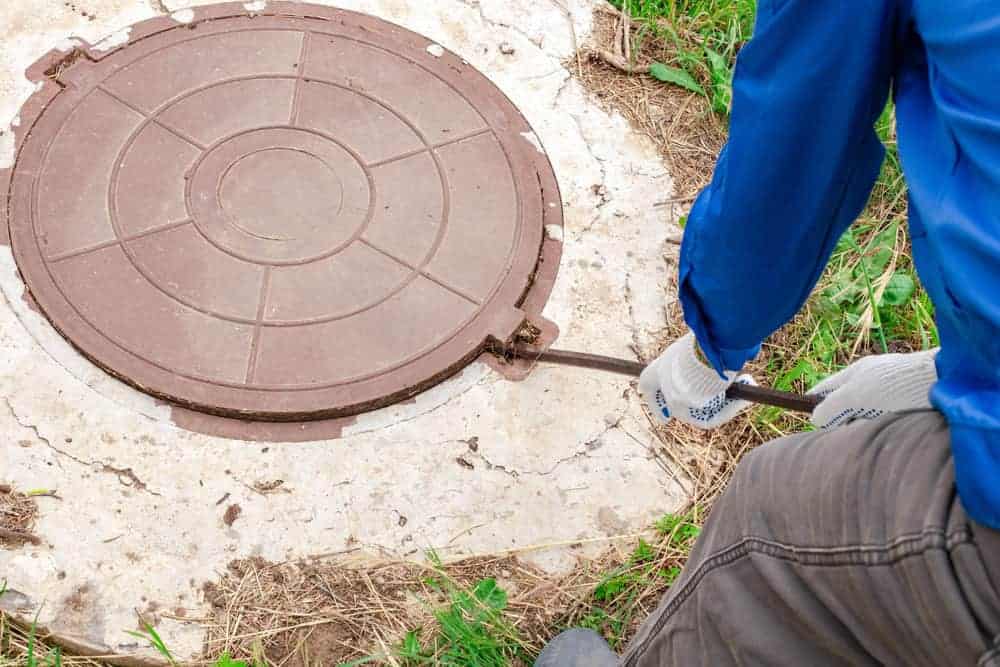
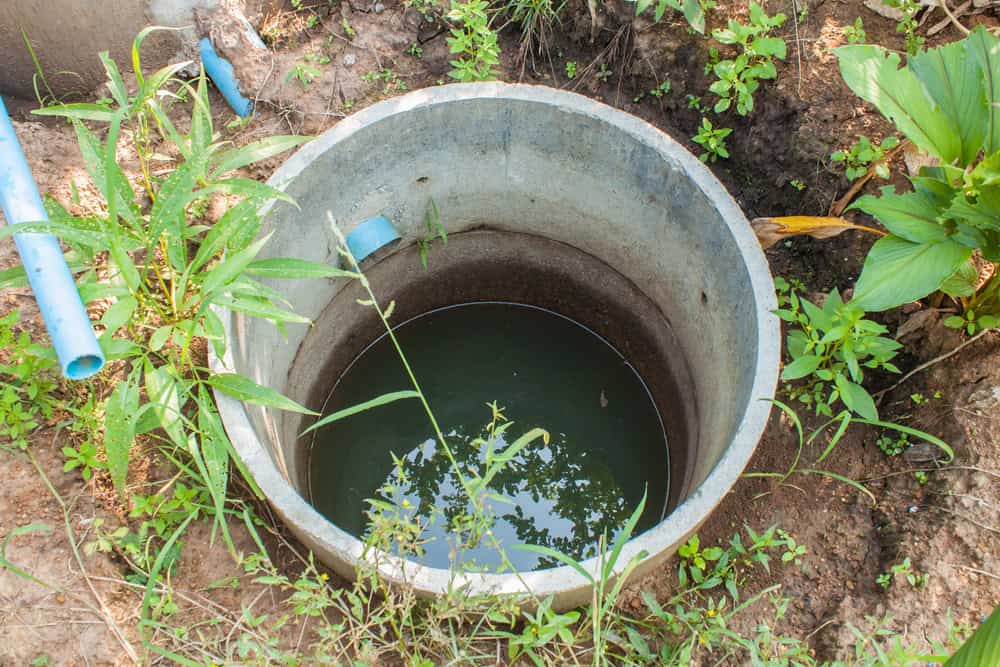
Locate your septic tank access if possible. If you know where your tank is and can see the access cover, this saves the technician time. But don’t attempt to open the tank yourself. Septic tanks contain dangerous gases and falling into an open tank can be fatal. Just knowing the location helps speed up service.
Suffolk County’s sandy soil means sewage can spread quickly through your yard if your system is overflowing above ground. Mark the affected area so you can see if it’s expanding while you wait for help. This information helps the technician assess the severity and determine the best approach.
How Emergency Septic Pumping Works and What to Expect
Understanding what happens during emergency service helps you prepare and know what questions to ask when the technician arrives. Emergency pumping follows the same basic process as scheduled service, but with urgency and often some additional diagnostic work to identify why the emergency happened.
We start by assessing the situation. We’ll ask when you first noticed problems, what symptoms you’re experiencing, and when your tank was last pumped. We’ll locate your tank if you don’t know where it is, using electronic detection equipment if necessary. This location service sometimes adds to the cost, but it’s essential for tanks that haven’t been accessed in years.
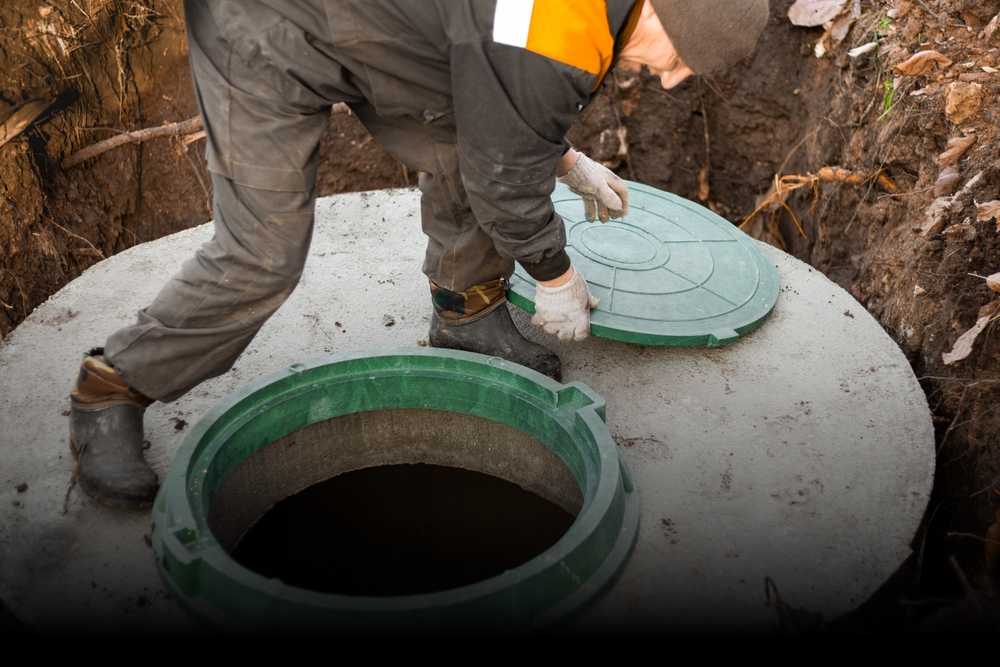
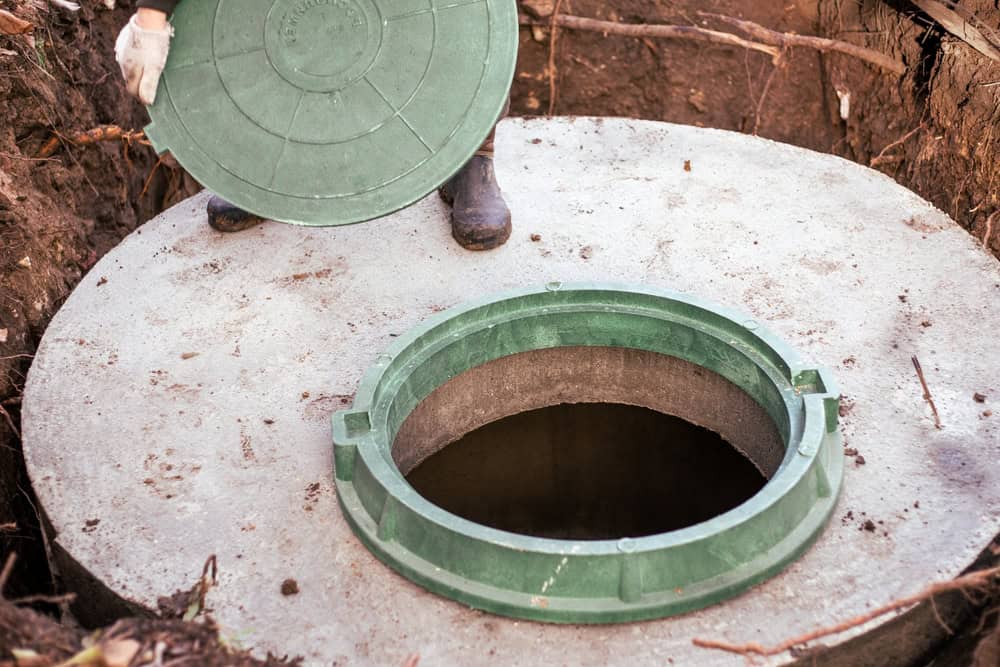
Once we’ve located the tank, we’ll open the access port and inspect the levels. A tank that’s backing up is usually completely full, with solid waste at levels that should have been pumped months or even years ago. We can often tell immediately if the problem is simply a full tank or if there are additional issues like a clogged outlet baffle or saturated drain field.
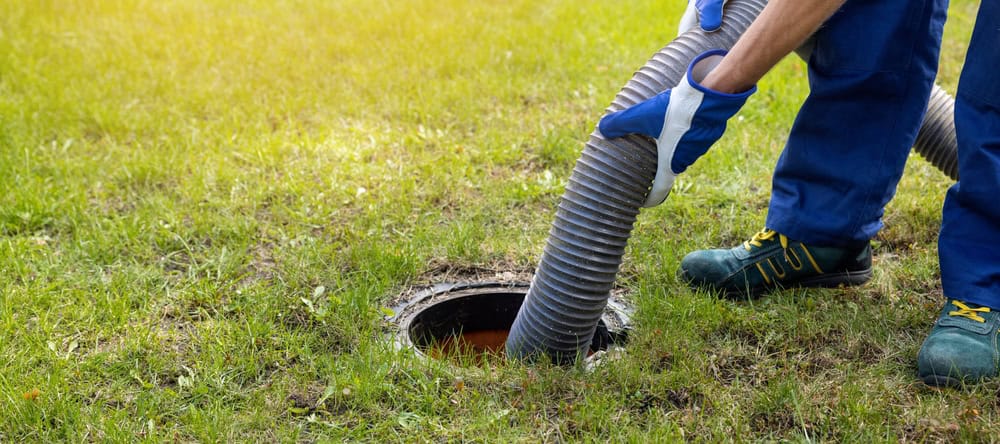
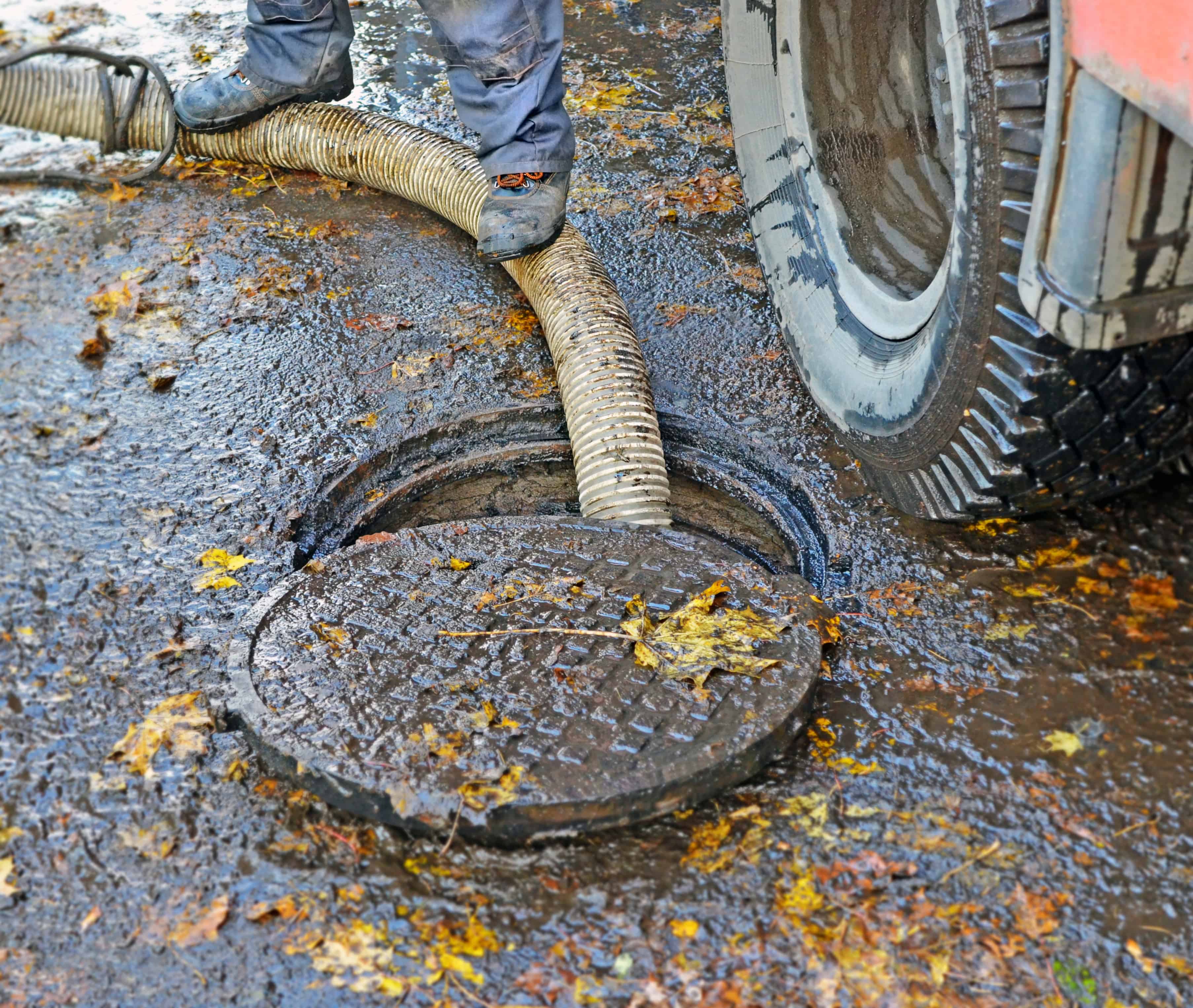
The actual pumping removes all the liquid and solid waste from your tank. For a standard 1,000-gallon tank, this typically takes 20-30 minutes. Larger tanks take longer. The waste goes into the truck’s holding tank and gets disposed of at an approved facility according to Suffolk County regulations.
After pumping, we inspect the tank’s condition. We’re looking for cracks, damaged baffles, or signs that might indicate why the tank failed. We may also use a camera to inspect your lines if the backup seems to be caused by a blockage rather than just a full tank. This diagnostic work helps prevent the next emergency.
We’ll explain what we found and recommend next steps. If your tank was simply overdue for pumping, the solution is straightforward—get on a regular maintenance schedule. If we found damaged components or signs of a failing drain field, you’ll need additional repairs. We explain these findings clearly and give you options, not just a bill.
Preventing Your Next Septic Emergency in Suffolk County
Emergency septic service gets you out of immediate crisis, but preventing the next emergency saves you thousands in the long run. Most septic emergencies are completely preventable with basic maintenance and awareness of your system’s limits.
Regular pumping based on your household size and tank capacity is the single most effective prevention strategy. A family of four with a 1,000-gallon tank should pump every 2-3 years. Smaller households can go 3-5 years. Suffolk County’s high water table means you might need more frequent pumping than national averages suggest. The cost of routine pumping—typically $300-600—is a fraction of emergency service rates and infinitely cheaper than the $15,000-$35,000 cost of system replacement.
Our four generations of experience serving Eastern Suffolk and Western Nassau County means we understand Long Island’s unique challenges. Our 24/7 emergency response, transparent pricing with no hidden fees, and annual reminder service help prevent emergencies before they happen. When minutes matter and sewage is backing up, you need a local team that can respond in 30 minutes, not 3 hours. Contact Quality Cesspool to speak with us about emergency service or preventative maintenance.