Summary:
The smell hits you first. Then you see it – sewage backing up through your basement drain. Your heart’s racing, your mind’s spinning through worst-case scenarios, and you’re wondering what the hell you’re supposed to do right now.
Take a breath. You’re dealing with a serious situation, but panic doesn’t help. What helps is knowing exactly what steps to take in the next five minutes, the next hour, and the next 24 hours to protect your family and your home. This guide gives you that clarity, written for Suffolk County homeowners who need answers fast – not a lecture on plumbing theory.
What to Do When You Discover Sewage in Your Basement
First things first: stop using water. Not in ten minutes. Right now. That means no flushing toilets, no running sinks, no showers, no washing machines – nothing. Every gallon of water you add to your system is pushing more sewage back into your living space.
If you’ve got family members home, tell them immediately. No water usage until you get this sorted. If someone’s mid-shower, they need to shut it off and dry off with what they’ve got.
Next, if there’s standing sewage water near any electrical outlets, circuit breakers, or appliances, do not enter that space until you’ve shut off power to the affected area. Call your utility company if you need help doing this safely. Electrocution risk isn’t theoretical when you’re dealing with water and electricity in the same space.
Protecting Your Family from Raw Sewage in Basement Health Hazards
Raw sewage in your basement isn’t just disgusting. It’s legitimately dangerous. You’re looking at bacteria like E. coli and Salmonella, viruses including Hepatitis A, and parasites that can cause serious illness. Kids and pets are especially vulnerable because they’re more likely to touch contaminated surfaces or put things in their mouths.
Keep everyone out of the affected area. That includes curious pets who might want to investigate the smell. If you absolutely must enter the space, you need proper protection: rubber boots that go up past your ankles, waterproof gloves, and ideally a respirator mask. Regular cloth masks don’t cut it when you’re dealing with sewage gases and airborne contaminants.
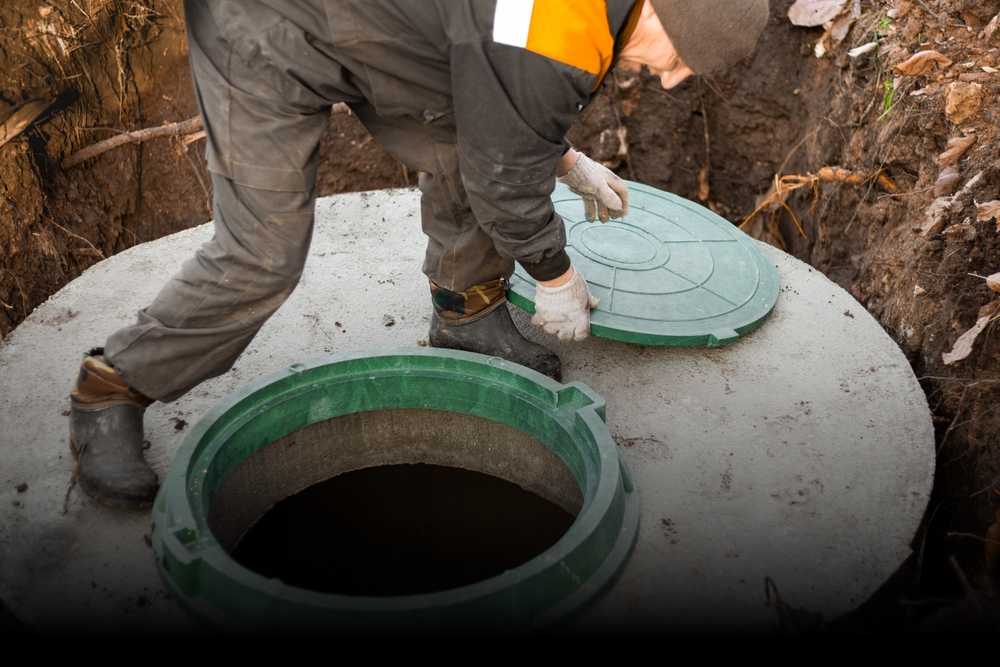
Don’t try to clean this up yourself. Professional sewage cleanup exists for a reason. These companies have the equipment, training, and protective gear to handle contaminated waste safely. They also know how to properly disinfect surfaces so you’re not dealing with bacterial growth or mold problems two weeks from now.
The gases coming off sewage aren’t just unpleasant – they can actually make you sick. Methane, hydrogen sulfide, and other compounds can cause headaches, dizziness, nausea, and respiratory irritation. If you start feeling lightheaded or sick while dealing with this situation, get out of the space immediately and get fresh air.
Document everything with photos if you can do so safely. You’ll need this for insurance claims and to show the service company what they’re walking into. But don’t risk your safety to get the perfect shot. Your health matters more than documentation.
How to Handle the Emergency While Waiting for Professional Help
You’ve stopped the water, secured the area, and called for help. Now what? If sewage is actively pooling in your basement, move anything valuable to higher ground – but only if you can do this without wading through contaminated water. Your grandmother’s photo albums matter, but not enough to risk your health.
Open windows if weather permits to improve ventilation. This helps dissipate dangerous gases and makes the space slightly more bearable. But don’t turn on fans or HVAC systems – you don’t want to spread contaminated air throughout your home.
Don’t attempt any DIY fixes. No drain cleaners, no plungers, no shoving a garden hose down your cleanout. You’re dealing with a cesspool backup or septic emergency that requires professional equipment. Home remedies just waste time and can actually make the problem worse by pushing blockages deeper into your system.
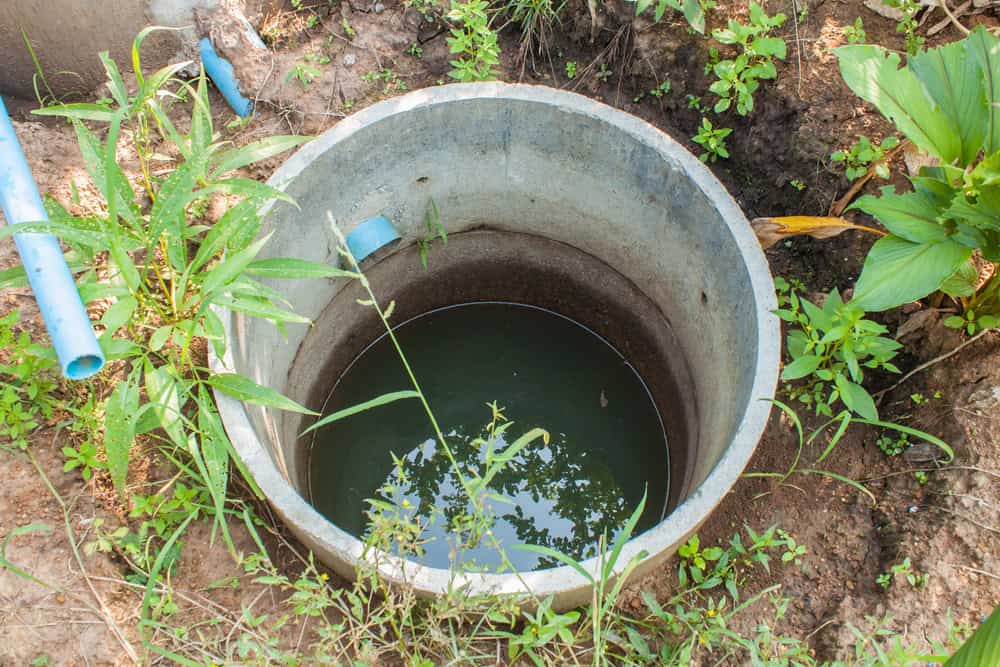
If you see wet spots in your yard near your cesspool or septic tank, stay clear. Saturated ground around a failing system can be unstable, and you don’t want to be standing on soil that might collapse. Mark the area so our service technicians know where to look, but keep your distance.
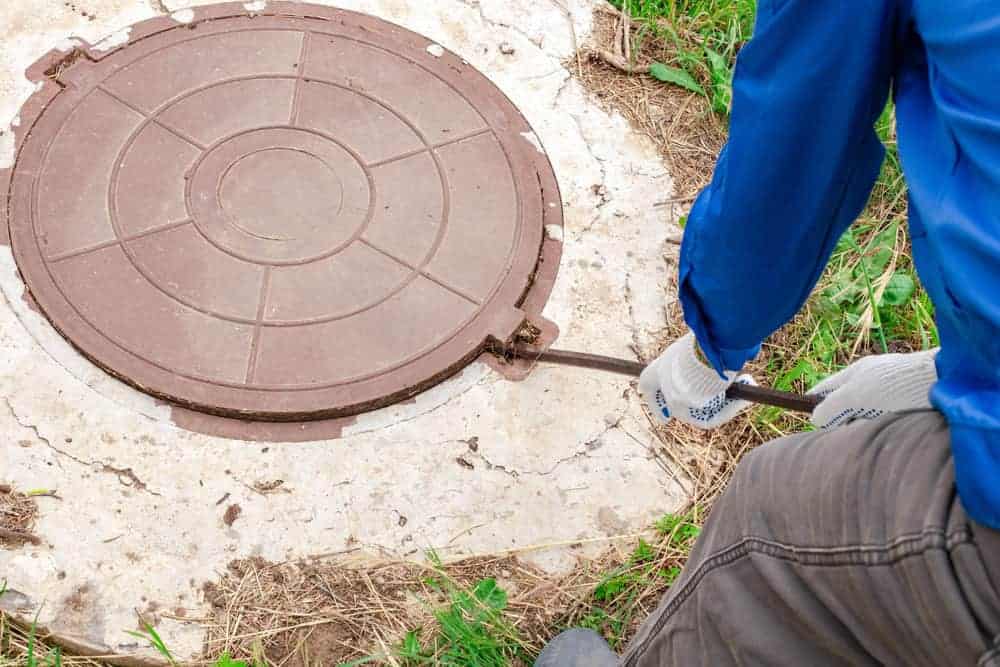
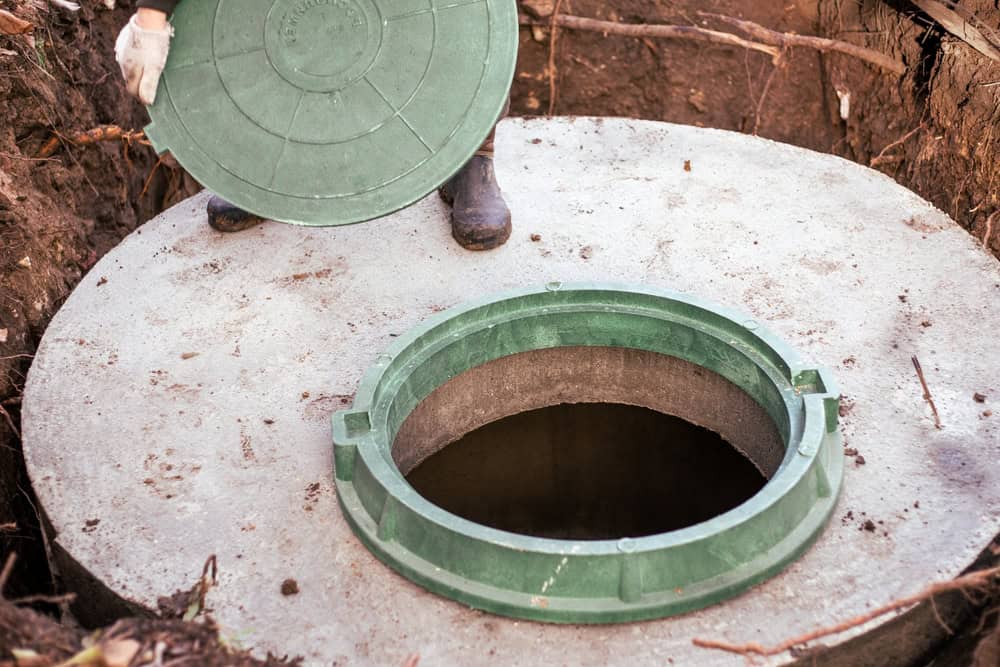
While you’re waiting, gather any information about your system that might be helpful. When was it last pumped? Do you know if you have a cesspool or a septic tank? Where are the access points? This information helps us respond more efficiently when we arrive.
We can respond within a few hours to emergency cesspool situations in Suffolk County, even during off-hours. This isn’t a situation that waits. A basement flooded with sewage is an actual emergency, not just an inconvenient plumbing problem.
Why Your Basement Flooded with Sewage: Common Causes in Suffolk County
Understanding what caused your sewage backup helps prevent it from happening again. In Suffolk County, a few culprits show up repeatedly. Your cesspool or septic tank might be full. Could be a blockage in the line itself. Could be your leaching field is saturated and can’t accept more liquid.
Whatever the specific cause, the result is the same: waste has nowhere to go except back toward your house. And because your basement drains are the lowest fixtures in your plumbing system, that’s where the backup shows up first.
Suffolk County’s sandy soil usually drains well, but when a cesspool’s sidewall drainage becomes clogged or the surrounding soil gets waterlogged from heavy rain, the whole system stops working. That’s when you get backups in your lowest fixtures – basement drains, first-floor toilets, shower pans.
Tree Roots and Aging Pipes: The Hidden Problems
Tree roots are one of the sneakiest causes of sewer line backups. Roots naturally seek out water sources, and your sewer line is basically a moisture beacon underground. They find tiny cracks or loose joints in aging pipes and work their way inside.
Once roots get into your line, they keep growing. They absorb the water and nutrients from your wastewater, expanding inside the pipe and creating a net that catches everything flowing through – grease, paper, waste. Over time, this root mass can completely block your line.
This problem is especially common in Suffolk County homes with older clay or cast iron pipes. These materials were standard decades ago, but they develop cracks and separations as they age. Modern pipes are more resistant to root intrusion, but if your home was built before the 1980s in areas like Huntington, Commack, or Northport, there’s a good chance you’ve got vulnerable pipes underground.
The frustrating thing about root intrusion is that it develops slowly. You might not notice any problems for years, then suddenly you’ve got a complete blockage. Early warning signs include slow drains, gurgling sounds when you flush, or sewage odors near floor drains. If you catch these symptoms early, we can often clear the roots before they cause a full backup.
Camera inspection technology has changed how we diagnose these problems. Instead of guessing where the blockage is and why it’s happening, we can actually see inside your pipes. We can identify root intrusion, locate exactly where the problem is, and determine whether you need line repairs or just clearing.
Full Cesspools and System Capacity Issues
If you can’t remember the last time your cesspool was pumped, there’s your answer. Cesspools fill up. It’s not a question of if, it’s a question of when. Most Suffolk County homes with cesspools need pumping every one to two years, depending on household size and water usage.
When a cesspool reaches capacity, it can’t accept more waste. The liquid has nowhere to go, so it backs up through your plumbing. You might notice slow drains for a few days or weeks before the actual backup happens. That’s your system trying to tell you it’s maxed out.
Septic tanks are slightly more forgiving – they typically need pumping every two to five years – but the principle is the same. If you ignore maintenance long enough, you will have a backup. It’s not bad luck. It’s physics.
Some homeowners think they can stretch pumping intervals to save money. That’s like skipping oil changes on your car because you don’t want to pay for maintenance. Eventually, the cost of fixing the damage far exceeds what you would have spent on routine service.
Suffolk County actually requires reporting of cesspool pumping activities to the Department of Health Services now. If you’re selling your home, you need documentation that you’ve maintained your system. No records means potential problems during the sale process – or worse, being required to replace the entire system before you can close.
The economics are straightforward. Routine pumping costs $250 to $500. Emergency cesspool pumping during a backup costs $800 to $1,200. Water damage restoration from sewage in your basement averages $3,000 to $8,000. And if neglect leads to complete system failure, you’re looking at $5,000 to $15,000 for replacement. Maintenance isn’t an expense. It’s insurance.
Getting Professional Help for Basement Sewage Emergencies in Suffolk County
Sewage in your basement isn’t something you fix with YouTube tutorials and hardware store supplies. You need professionals who have the equipment to diagnose what’s actually wrong, the experience to fix it properly, and the availability to respond when emergencies happen – which is usually nights, weekends, or holidays.
Look for companies that offer genuine 24/7 emergency response, not just an answering service that takes messages. You need technicians who can be on-site within hours, not the next business day. Camera inspection capability matters too – it’s the difference between guessing at the problem and actually seeing what’s causing your backup.
We’ve been handling these exact situations for Suffolk County homeowners for nearly two decades. Four generations of family experience means we understand Long Island’s unique challenges – the sandy soil, the aging cesspools, the specific problems that show up in this region. When you’re standing in your basement at 11 PM on a Saturday watching sewage back up through your floor drain, you need someone who actually answers and actually shows up. That’s what matters.