Summary:
Your septic system handles thousands of gallons every month without you thinking about it. That’s exactly how it should work—until it doesn’t. When a system fails, you’re looking at sewage backups, health hazards, and repair bills that can hit $20,000 or more.
The difference between a system that lasts 30 years and one that fails after 15 often comes down to maintenance. Not complicated maintenance. Not expensive maintenance. Just consistent attention to a few key things that most homeowners either don’t know about or forget to do.
This guide walks you through what your septic system actually needs, how to know when it needs it, and how to spot problems while they’re still cheap to fix.
How Often Should You Pump Your Septic Tank
The “every three years” rule you’ve probably heard isn’t wrong, but it’s not the whole story either. Pumping frequency depends on how many people live in your home, how much water you use, and how big your tank is.
A family of four with a 1,000-gallon tank typically needs pumping every 2 to 3 years. That same family with a 1,250-gallon tank might stretch it to 3 or 4 years. A single person in the same house could go 4 to 5 years between services.
But those are just starting points. If you run a lot of laundry, take long showers, or use a garbage disposal regularly, you’ll need more frequent pumping. The solid waste accumulates faster when more water flows through your system.
What Affects Septic System Pumping Frequency
Household size matters most. Each person adds roughly 60 gallons of solid waste to your septic tank annually. More people means faster accumulation and more frequent pumping needs.
Water usage comes next. Every gallon that goes down your drains passes through the septic tank. High water use doesn’t just fill the tank faster—it reduces the time wastewater sits in the tank, which means solids don’t separate as effectively. When you do multiple loads of laundry in one day or run the dishwasher while someone’s showering, you’re flooding your system with more water than it’s designed to handle at once.
Garbage disposals significantly impact pumping schedules. Food waste doesn’t break down as easily as human waste, and it adds up to 50% more solids to your tank. If you use a garbage disposal regularly, plan on pumping more often than the standard schedule suggests.
Tank size creates your baseline capacity. A 1,000-gallon tank fills faster than a 1,500-gallon tank with the same household. Older homes sometimes have undersized tanks that were adequate when the house was smaller but can’t keep up after additions or renovations increased the number of bedrooms and bathrooms.
Suffolk County’s sandy soil adds another factor. The soil drains liquids quickly, which sounds good until you realize it also means less time for natural filtration before wastewater reaches groundwater. This rapid drainage doesn’t change your pumping frequency directly, but it does make proper maintenance more critical for protecting Long Island’s sole-source aquifer.
The only way to know exactly when your tank needs pumping is to have it inspected. A septic professional measures the sludge and scum layers to determine if you’re approaching the 25-30% capacity threshold that triggers the need for service.
Septic Tank Inspection: What Happens and When You Need It
Professional septic tank inspection goes beyond just checking if your system needs pumping. A thorough inspection evaluates the entire system’s condition and catches problems before they cause failures.
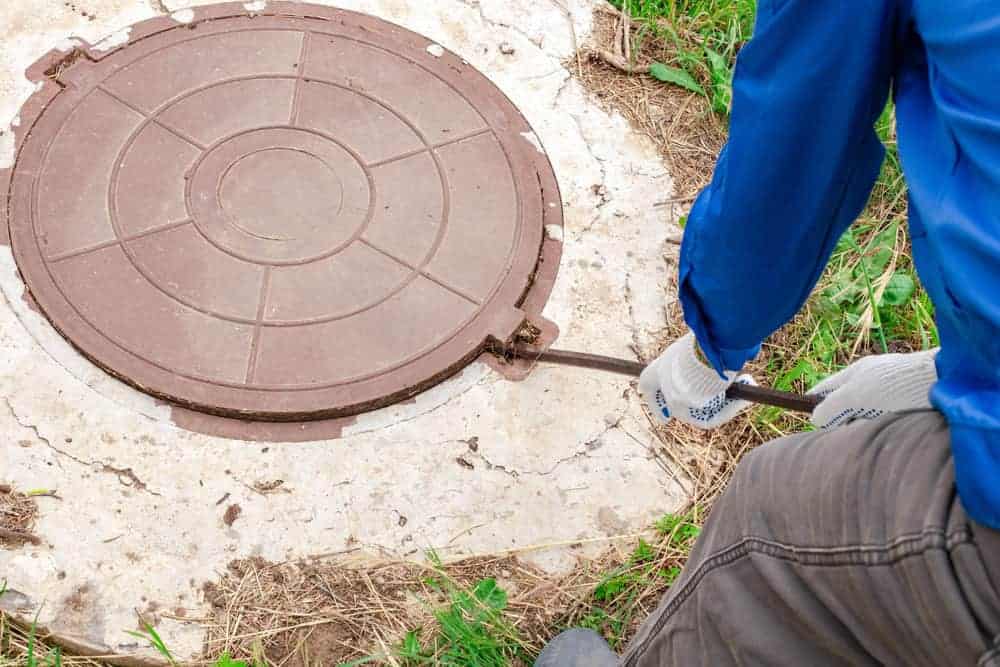
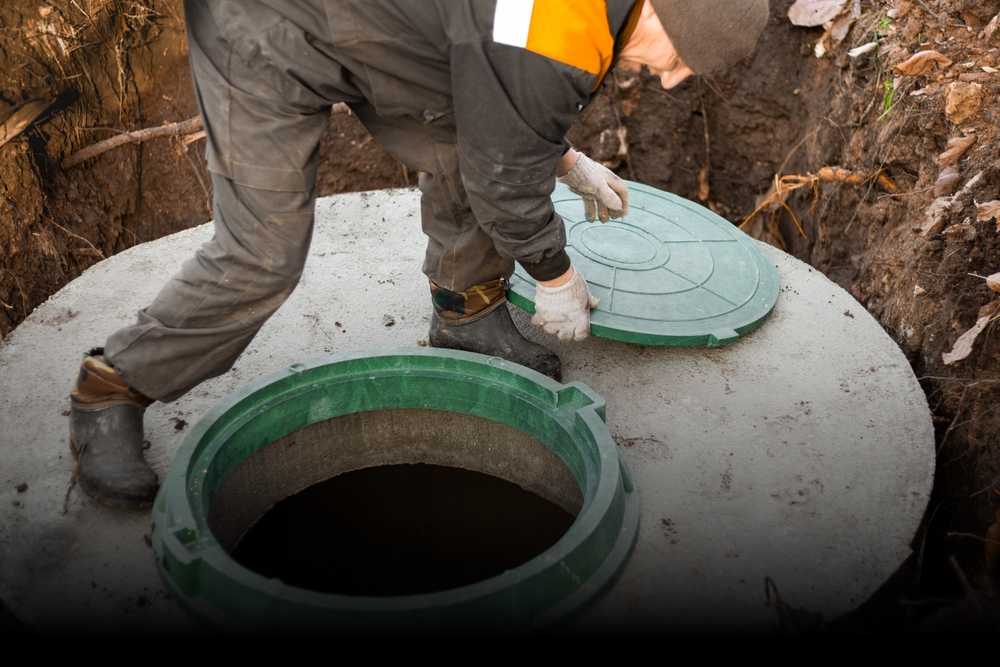
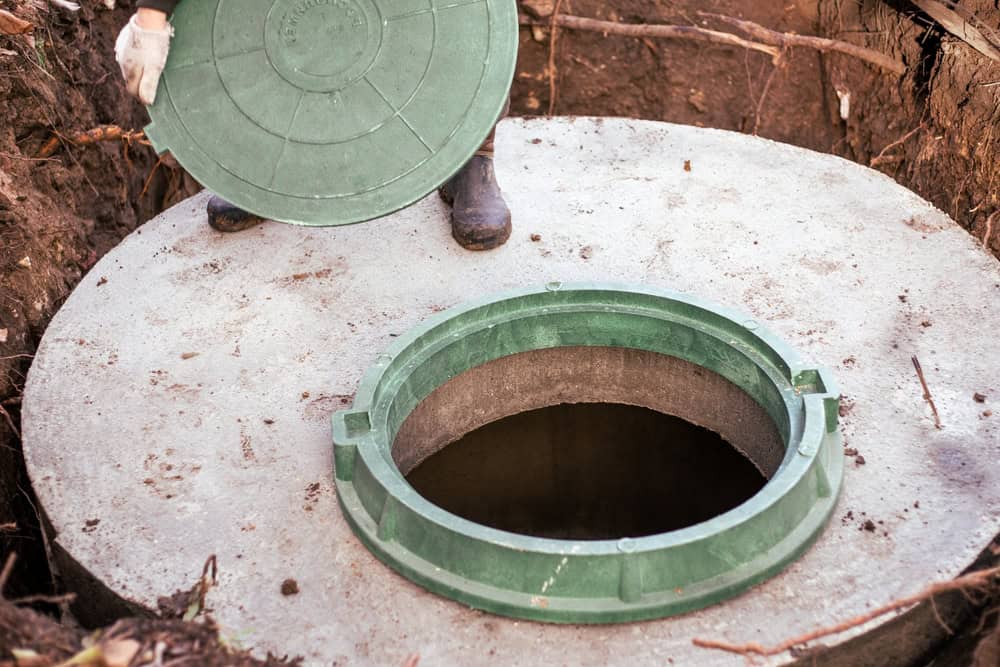
During a septic system inspection, a technician opens your tank and measures sludge and scum levels using specialized tools. The sludge layer sits at the bottom of the tank where solid waste settles. The scum layer floats on top, consisting of oils, grease, and lighter materials. When the bottom of the scum layer gets within six inches of the outlet pipe, or the top of the sludge layer reaches within 12 inches of the outlet, it’s time to pump.
The inspection also examines critical components. Baffles control how wastewater enters and exits your tank, preventing solids from flowing into your drain field. Damaged baffles might only cost a few hundred dollars to replace, but if ignored, they’ll destroy your entire drain field—a repair that runs $8,000 to $20,000.
Inspectors check for cracks in the tank walls, test that the tank is watertight, and verify that inlet and outlet pipes are intact. They look at the effluent filter if your system has one, cleaning or replacing it as needed. We also use cameras to inspect pipes and distribution lines for blockages or damage that isn’t visible from the tank itself.
Suffolk County requires septic system inspections every three years, with mandatory reporting to the county database. Nassau County follows a five-year inspection cycle. These aren’t suggestions—they’re enforceable requirements. Homeowners who skip inspections face fines ranging from $250 to $2,000.
Beyond avoiding fines, regular inspections protect you during property transfers. When you sell your home, buyers require current inspection records as part of their due diligence. Properties without proper documentation can fail to close, or sellers face last-minute negotiations where buyers demand system replacements or significant price reductions.
Most importantly, inspections catch problems during the hundreds-of-dollars repair stage instead of the thousands-of-dollars replacement stage. A professional can spot early warning signs that you’d never notice—things like a baffle that’s starting to deteriorate or a distribution box that’s not draining evenly.
Warning Signs Your Septic System Needs Attention
Your septic system usually gives plenty of warning before complete failure. The problem is most homeowners either don’t recognize the signs or assume they’ll resolve on their own.
Slow drains throughout your house signal more than just individual clogs. When multiple fixtures drain slowly—not just one sink, but several—your system is likely reaching capacity or experiencing a blockage. Pay special attention to lower-level drains, which typically show problems first.
Sewage odors are never normal. If you smell sewage near your tank, in your yard, or even inside your home, gases aren’t venting properly or wastewater is surfacing. Don’t ignore these smells hoping they’ll go away. They indicate a problem that’s only getting worse.
Outdoor Warning Signs of Septic Problems
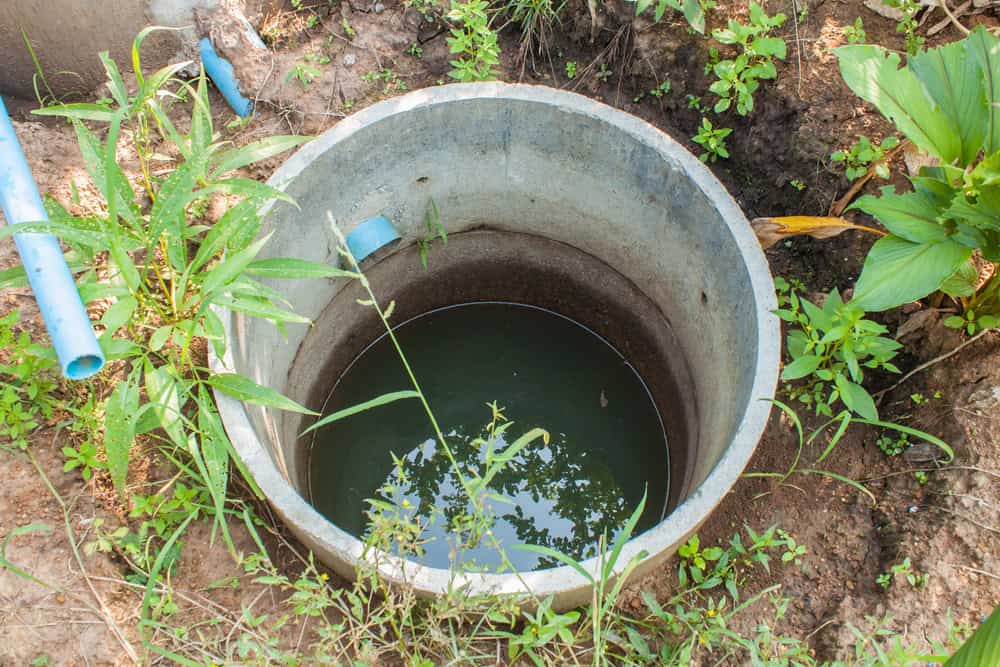
Your yard often shows the first visible signs of septic system trouble. Standing water or soggy spots over your drain field mean the soil can no longer absorb wastewater properly. This could indicate a full tank, a failing drain field, or excessive water use overwhelming your system.
Unusually green or lush patches of grass over your septic system area work like a fertilizer indicator. When sewage leaks underground, it gives surrounding grass extra nutrients, creating noticeably greener growth compared to the rest of your lawn. This isn’t a good thing—it means untreated waste is escaping your system.
Gurgling sounds from toilets and drains indicate air displacement in your plumbing. When wastewater isn’t flowing properly through your system, air gets trapped and creates these noises. You might hear gurgling when you flush a toilet, run the washing machine, or drain a sink.
Suffolk County’s high water table makes these outdoor signs appear faster than they would in other regions. The sandy soil that defines Long Island’s geology drains quickly but also means contaminants from failing systems reach groundwater faster. What might take months to surface in clay-heavy soil can appear in weeks here.
If you notice any of these signs, schedule an inspection immediately. The cost of a professional evaluation—typically a few hundred dollars—is nothing compared to the $15,000 to $35,000 you’ll spend on a complete system replacement if you wait until failure.
Camera inspection technology makes it possible to diagnose problems without excavating your entire yard. We can snake a camera through your pipes to identify blockages, collapsed lines, or root intrusions that wouldn’t be visible from the tank alone.
Indoor Signs That Require Immediate Action
Sewage backups in your home represent a septic emergency. If wastewater backs up into basement drains, toilets overflow, or you see sewage in your bathtub, stop using all plumbing immediately and call for emergency service.
These backups happen when your tank is full, your drain field has failed, or a major blockage prevents wastewater from flowing through your system. Continued water use during a backup just makes the problem worse and creates more contaminated water that needs cleanup.
Multiple slow drains throughout your house, especially when combined with gurgling sounds, indicate your septic tank is likely full or your distribution system is blocked. One slow drain might be a local clog in that fixture’s pipe. System-wide drainage problems point to septic issues.
Water backing up in unexpected places is particularly concerning. If flushing an upstairs toilet causes water to appear in your basement floor drain, or running your washing machine makes toilets gurgle, your septic system can’t handle the wastewater volume it’s receiving.
Frequent need for pumping—more than once per year—suggests a serious problem. Your tank shouldn’t fill that quickly under normal circumstances. Rapid filling usually means your drain field is failing and wastewater has nowhere to go, or you have a major leak somewhere in your system.
Suffolk County homeowners dealing with these symptoms should act fast. Long Island’s sole-source aquifer supplies drinking water to millions of people. When septic systems fail, contaminants leach into the groundwater that eventually becomes your drinking water. Every failed system makes that problem worse.
Emergency service costs 60% more than scheduled maintenance, but waiting makes the problem more expensive. A backup that could have been prevented with a $400 pumping turns into a $2,000 emergency call plus potential property damage and cleanup costs.
Protecting Your Investment Through Proper Maintenance
Septic system maintenance isn’t complicated, but it does require consistency. Regular inspections every one to three years, pumping based on your household’s actual needs, and attention to warning signs will keep your system running for decades.
The cost of preventive maintenance—a few hundred dollars every few years—is minimal compared to system replacement. More importantly, proper care protects your family’s health, your property value, and Long Island’s water supply.
If you’re due for an inspection, noticing any warning signs, or just not sure when your tank was last serviced, reach out to us at Quality Cesspool. Four generations of experience serving Suffolk County means we understand exactly what your system needs and provide transparent service without hidden fees.