Summary:
Sewage coming out of your basement drain means your system has reached capacity and wastewater has nowhere else to go. This isn’t a problem that resolves itself, and it’s not something you want to tackle on your own. Raw sewage contains bacteria, viruses, and parasites that pose immediate health risks to anyone who comes in contact with it. The contamination spreads fast through porous materials like concrete, drywall, and wood. If you’re dealing with this right now, your first priority is safety—for your family, your property, and your health. Here’s what you need to know about emergency response, root causes, and professional cleanup when your basement sewer drain backing up turns into a full-blown crisis.
What to Do When Sewage Is Coming Out of Basement Drain
Stop using all water in your home immediately. Every flush, every sink you run, every shower you take adds more sewage with nowhere to go except back into your basement. Turn off the main water supply if you can access it safely.
Get everyone out of the contaminated area, including pets. Raw sewage releases toxic gases like hydrogen sulfide and methane that can cause respiratory problems, headaches, and nausea. Children and anyone with compromised immune systems face even greater risks.
Do not attempt to enter the basement if water is near electrical outlets, appliances, or your circuit breaker. The risk of electrocution is real and immediate. Contact your utility company to shut off electricity to the affected area before you do anything else. If you can’t safely reach your electrical panel without entering contaminated water, stay out and wait for professionals.
Why Your Basement Floor Drain Backs Up First
Your basement floor drain sits at the lowest point in your home’s plumbing system. When your main sewer line gets clogged or your cesspool reaches capacity, gravity dictates where the sewage goes—and that’s always the path of least resistance. Since your basement drain is lower than your toilets, sinks, and showers, it’s the first place you’ll see the backup.
Think of your plumbing system like a highway during rush hour. When there’s a major blockage downstream—whether that’s a clogged main line, a failed cesspool, or tree roots crushing your pipes—all that wastewater has to go somewhere. It can’t flow forward, so it flows backward. Your basement floor drain becomes the overflow point because it’s the easiest exit.
This is why you might notice slow drains throughout your house before you see actual sewage in the basement. The system is already struggling. Multiple fixtures draining slowly at the same time, gurgling sounds from drains and toilets, or sewage odors coming from drains all signal that your system is backing up. By the time sewage appears in your basement, the problem has been building for a while.
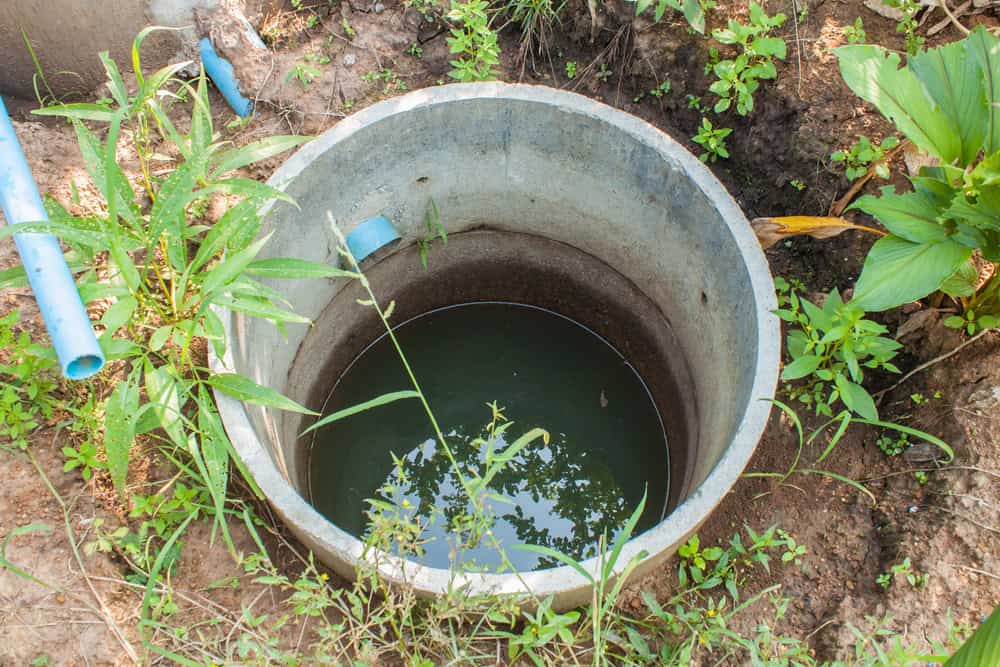
In Suffolk County, NY, where many homes rely on cesspools and septic systems rather than municipal sewer, this issue becomes even more common. Aging infrastructure, high water tables, and the area’s sandy soil create conditions where systems fail faster than in other regions. A cesspool that’s overdue for pumping or a septic system with a clogged filter will send sewage right back into your home through that basement drain.
The contamination isn’t just the visible sewage on your floor. Once wastewater backs up into your basement, it seeps into concrete, gets absorbed by drywall, soaks into wooden studs, and creates conditions for mold growth within 24 to 48 hours. The longer it sits, the more damage it causes and the more expensive the cleanup becomes.
Emergency Steps Before Professional Help Arrives
Document everything with photos and video from outside the contaminated area. Your insurance company will need this documentation, but don’t risk your health by walking through sewage to get better shots. Stay back and capture what you can safely.
Open windows and doors to ventilate the area if you can do so without entering contaminated zones. The toxic gases that sewage releases need somewhere to go. Fresh air circulation helps, but it doesn’t eliminate the health hazards—only professional cleanup does that.
Contact an emergency cesspool service immediately. In Suffolk County, NY, companies that specialize in emergency response understand the urgency and have the equipment to diagnose the problem fast. We’ll determine whether you’re dealing with a full cesspool, a clogged main line, tree root intrusion, or system failure. The sooner we can identify the cause, the sooner we can stop the backup and begin cleanup.
Do not try to clean up sewage yourself. This isn’t regular water damage. Sewage is classified as Category 3 contaminated water, which means it contains pathogens that cause serious illness. Professional restoration companies have protective equipment, industrial-grade sanitizers, and specialized training to handle hazardous waste. We know which materials can be cleaned and which need to be removed and replaced.
Keep contaminated clothing and shoes separate from clean items. If you had to enter the area before you realized the danger, bag everything that came in contact with sewage. Wash your hands thoroughly with antibacterial soap, scrubbing under your fingernails. Shower as soon as possible and watch for any signs of illness in the days following exposure.
Why Basement Sewer Drain Backing Up Happens
Understanding why your basement sewer drain backing up helps you prevent it from happening again. The most common causes in Suffolk County, NY involve aging cesspools, clogged main sewer lines, and tree root intrusion. Each creates a blockage that forces sewage backward through your plumbing system.
Cesspools that haven’t been pumped in years accumulate solid waste until there’s no capacity left for liquid to drain. When you flush a toilet or run water down any drain, that wastewater enters a system that’s already full. With nowhere to go in the cesspool, it backs up through your pipes and exits at the lowest point—your basement floor drain.
Main sewer line clogs happen when debris, grease buildup, or foreign objects create a blockage between your home and the cesspool or municipal sewer connection. This is especially common in older homes where pipes have deteriorated, developed cracks, or shifted due to ground settling.
Tree Roots and Sewer Line Damage
Tree roots cause some of the most stubborn and recurring sewer line problems in Suffolk County, NY. Roots naturally seek out water sources, and your sewer line provides exactly what they need—moisture, nutrients, and oxygen. Even a small crack or loose joint in your pipe releases vapor that attracts roots from surprising distances.
Once roots find their way into your sewer line, they don’t just block it—they thrive there. The warm, nutrient-rich environment inside the pipe encourages rapid growth. What starts as a hairline root intrusion becomes a mass of vegetation that catches toilet paper, grease, and solid waste. This creates a clog that gets worse every time you use your plumbing.
Older homes with clay or cast iron pipes face the highest risk. These materials develop cracks as they age, and the joints between pipe sections deteriorate over time. Modern PVC pipes have tighter seals that resist root intrusion, but if your home was built before the 1980s, there’s a good chance you’re dealing with older pipe materials that roots can penetrate easily.
The challenge with tree roots is that temporary fixes don’t last. You can have a plumber snake the line to clear the immediate blockage, but the roots are still in the pipe. They’ll grow back within months, and you’ll face the same backup again. Camera inspection services let you see exactly where roots have invaded your line and how extensive the damage is. This information helps you decide whether you need root removal, pipe lining, or full line replacement to solve the problem permanently.
In Suffolk County, where mature trees are common in residential areas, this issue affects thousands of homeowners. The trees that make your property beautiful can also destroy your sewer system if their roots reach your pipes. Professional assessment identifies which trees pose the greatest risk and whether your sewer line needs protection or repair.
Cesspool and Septic System Failure
Cesspools and septic systems fail when they can’t process wastewater fast enough to keep up with your household’s usage. This happens gradually as solid waste accumulates, drainage slows, and the system loses capacity. By the time sewage backs up into your basement, the system has been struggling for weeks or months.
Most Suffolk County, NY homes with cesspools need pumping every two to three years, but many homeowners don’t realize their system is overdue until they’re facing an emergency. When solid waste builds up in the cesspool, it reduces the space available for liquid to drain into the surrounding soil. Eventually, there’s no room left, and wastewater has nowhere to go except back through your plumbing.
Septic systems with effluent filters face a different but equally serious problem. The filter sits at the outlet of your septic tank and catches solids before they can reach your drain field. When this filter clogs, the tank fills to capacity and wastewater backs up through your plumbing. Lower-level fixtures—like your basement floor drain—show the problem first because they’re closest to the main sewer line.
Suffolk County’s environmental conditions make these failures more likely. The area’s sandy soil allows wastewater to move quickly, but it also means less filtration time. High water tables during heavy rain can saturate the ground around your cesspool, preventing proper drainage. Seasonal crowding from summer visitors puts extra stress on systems that might handle normal household use just fine but fail when demand increases.
Aging infrastructure throughout Long Island means many cesspools and septic systems are operating well past their intended lifespan. Concrete cesspools built before 1970 are essentially time bombs—their walls deteriorate, develop cracks, and eventually collapse under the pressure of accumulated waste and groundwater infiltration. When that happens, you’re not just dealing with a backup. You’re facing complete system replacement that can cost $15,000 to $25,000 or more.
How to Clean Up After Sewer Backup
Professional cleanup is the only safe way to handle sewage contamination in your basement. The bacteria, viruses, and parasites in raw sewage don’t just wash away with soap and water. They require industrial-grade sanitizers, specialized equipment, and proper disposal of contaminated materials. Restoration companies follow strict protocols to remove sewage, disinfect all affected surfaces, and prevent mold growth that starts within 24 to 48 hours of exposure.
The cleanup process involves extracting all standing water, removing contaminated materials that can’t be salvaged, sanitizing everything that remains, and drying the area completely. This can take days or even weeks depending on how much sewage entered your basement and how long it sat before cleanup began. During this time, your basement may be uninhabitable, and you’ll need to find alternative arrangements if the contamination spread beyond that area.
Prevention is always cheaper than emergency response. Regular cesspool pumping, annual system inspections, and camera checks of your sewer lines catch problems before they become disasters. If you’re dealing with a sewage backup right now, we offer 24/7 emergency response throughout Suffolk County, NY. Our four generations of local experience mean we understand the unique challenges Long Island homeowners face and have the equipment to diagnose and fix the problem fast.