Summary:
Your septic system processes wastewater from every sink, shower, and toilet in your home without you giving it a second thought. Until something goes wrong. Then you’re dealing with backups, foul smells, emergency service calls, and repair bills that can easily hit five figures. The difference between a system that runs smoothly for 25 years and one that fails in 15 often comes down to understanding what septic system cleaning actually does and when your system needs it. Here’s what you need to know about keeping your Suffolk County, NY septic system functioning properly.
How Septic Systems Work and Why Cleaning Matters
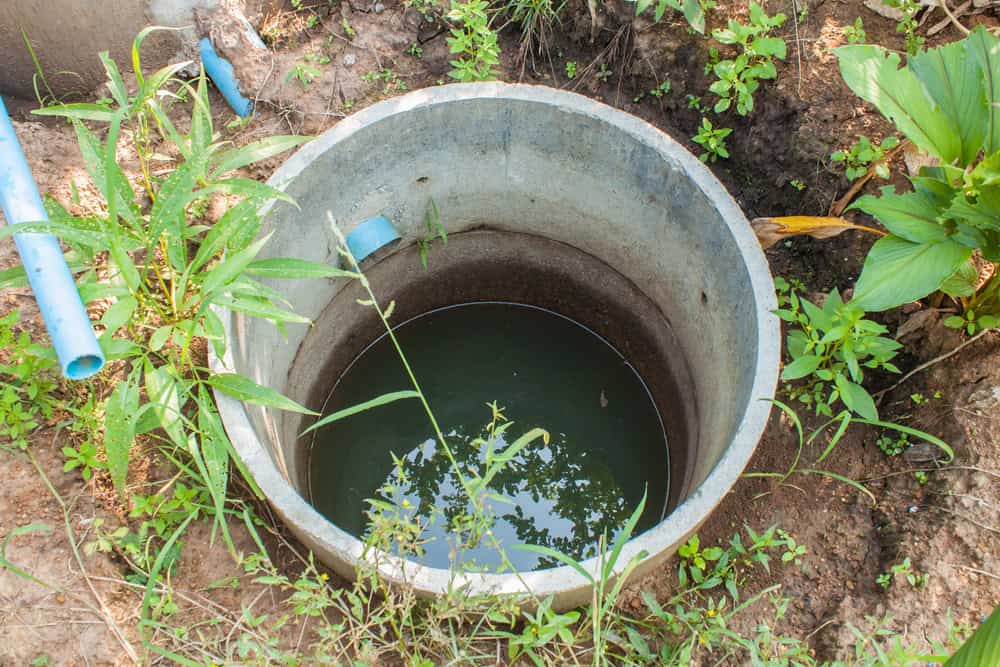
Your septic system isn’t a simple holding tank. It’s a treatment system designed to separate, break down, and safely disperse household wastewater. All water leaving your home flows through one main drainage pipe into a buried septic tank—usually concrete, fiberglass, or polyethylene. Inside that tank, something important happens.
Heavy solids settle to the bottom, forming a sludge layer. Oils, grease, and lighter materials float to the top, creating a scum layer. The liquid wastewater in the middle, called effluent, flows out through an outlet pipe into your drainfield. That drainfield is where the final treatment happens—wastewater filters through soil, which removes harmful bacteria and contaminants before it reaches groundwater.
This process only works when each component has room to do its job. When sludge and scum build up too much, they reduce the tank’s working capacity and can overflow into the drainfield. That’s where septic system cleaning becomes essential.
What Happens During Professional Septic Clean
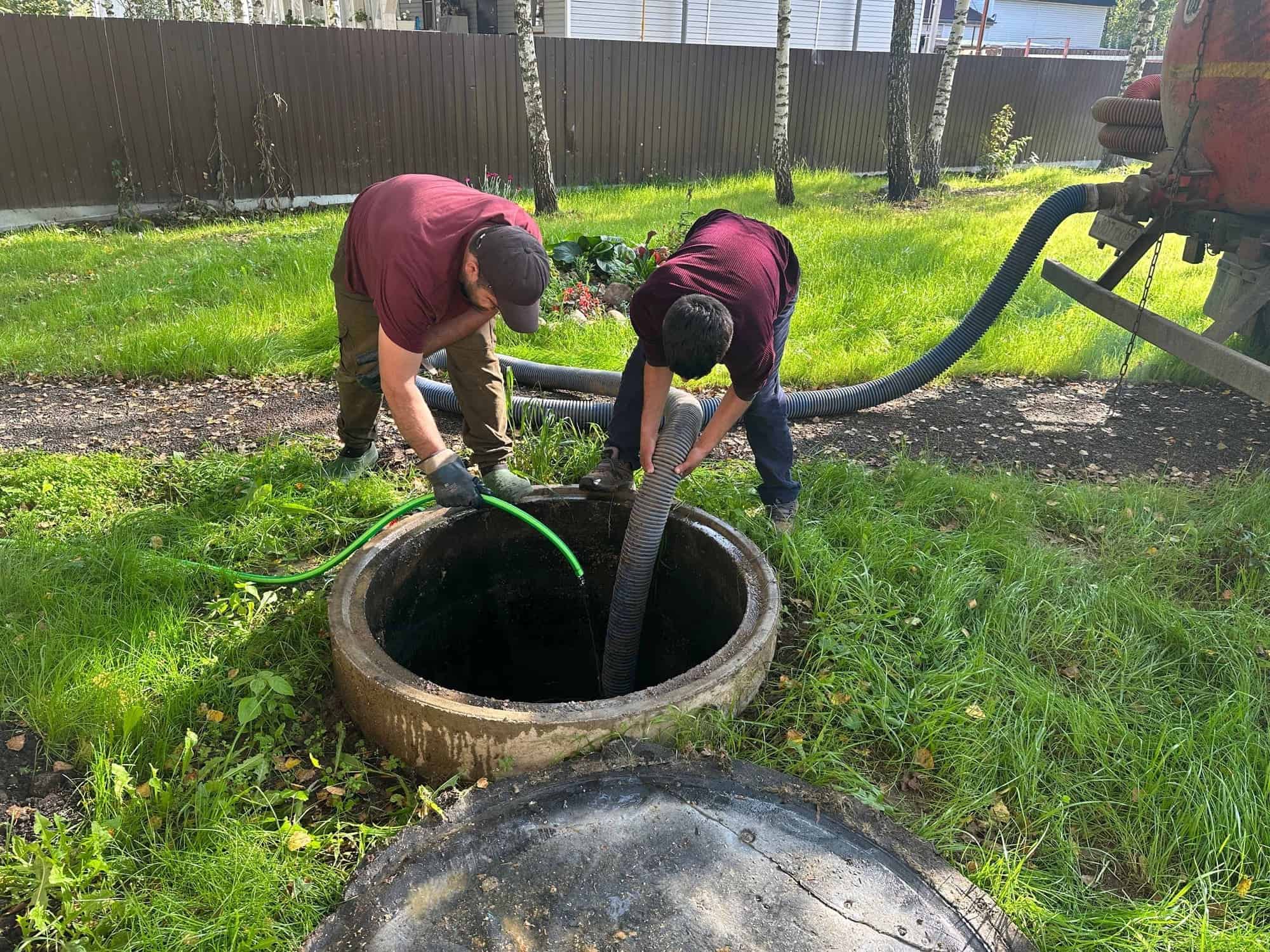
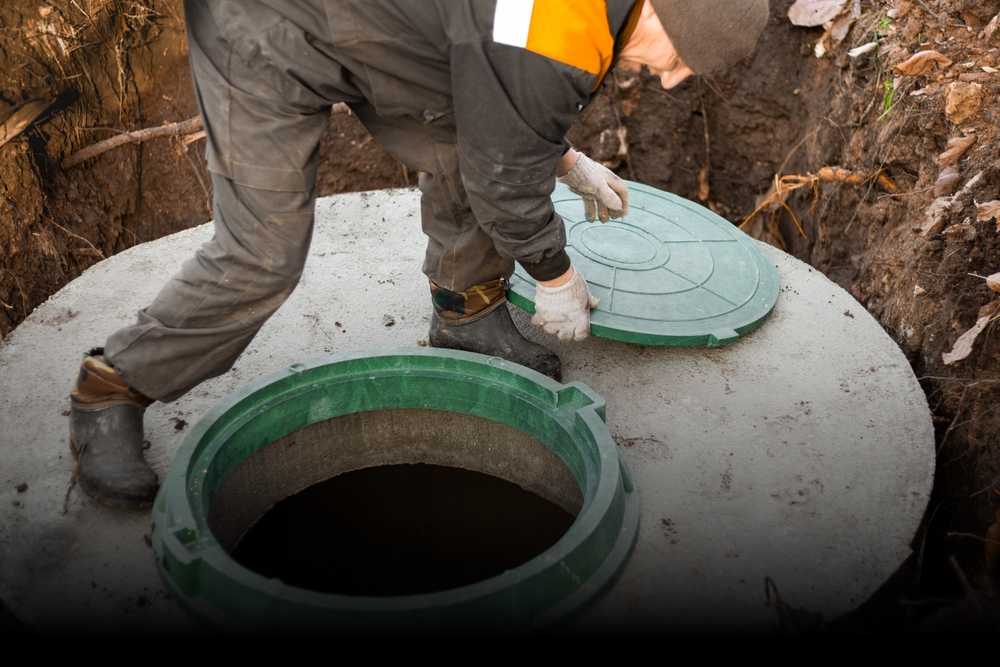
Professional septic clean services—often called pumping—remove the accumulated sludge and scum that your tank can’t break down on its own. A licensed technician locates your tank’s access port, inserts a large vacuum hose, and pumps out the solid and liquid contents. But real cleaning goes beyond just sucking out waste.
The process should include pumping and flushing liquid back and forth between the truck and your tank several times. This breaks up compacted sludge and scum, allowing everything to be removed—not just the easy-to-reach material on top. When done correctly, only a thin film of bacteria remains on the tank walls. That film helps restart the natural breakdown process once the tank refills.
During this service, our technicians also inspect critical components. We check baffles that prevent solids from leaving the tank. We look for cracks, leaks, or signs of damage. We assess whether your tank is the right size for your household and whether it’s functioning as designed. These inspections catch small problems before they become expensive failures.
For Suffolk County, NY homeowners, this service typically costs $300 to $500 depending on tank size and accessibility. Compare that to the $15,000 to $30,000 you’d spend replacing a failed drainfield, and the math becomes pretty clear. Regular cleaning isn’t an expense—it’s insurance against catastrophic system failure.
The frequency depends on several factors. Tank size matters. A 1,000-gallon tank serves a typical three-bedroom home, while larger homes need bigger tanks. Household size makes a difference too. Four people produce more waste than two, filling the tank faster. Water usage plays a role—if you’re running multiple loads of laundry daily or taking long showers, more water flows through your system.
How Often You Need Septic System Clean Out Service
Most Suffolk County, NY septic systems need septic system clean out every three to five years. But that’s a general guideline, not a rule. Your actual schedule depends on how you use your system and Long Island’s unique conditions.
A typical four-person household with a 1,000-gallon tank usually needs pumping every two to three years. Smaller households can often go longer—up to five years between services. Larger families or homes with garbage disposals need more frequent attention, sometimes annually. Garbage disposals add significant solid waste to your tank, accelerating sludge buildup.
Long Island’s sandy soil creates specific challenges. Water moves through sand quickly, which sounds good until you realize it means less time for natural filtration. Wastewater can reach groundwater before harmful bacteria and contaminants are fully removed. This is why Suffolk County, NY has stricter regulations than many other areas—your septic system’s performance directly impacts drinking water quality for the entire community.
High water tables add another complication. During heavy rains or snow melt, rising groundwater can flood your tank and drainfield. A saturated system can’t accept additional waste, which is why backups often happen after storms even if your tank was recently pumped. This makes staying ahead of maintenance even more critical here than in other regions.
Older systems need closer attention. Many Long Island homes have septic systems installed before 1970, built with concrete blocks or materials that have exceeded their intended lifespan. These aging systems are more prone to failure and often need more frequent pumping to compensate for reduced efficiency.
You can’t always wait for a calendar reminder. Your system will tell you when it needs service if you know what to watch for. Slow drains throughout your home—not just one sink, but multiple fixtures—often signal a full tank. If water takes longer to drain from your shower, bathtub, and kitchen sink all at once, your system is struggling.
Gurgling sounds from toilets or drains indicate trapped air in your plumbing, usually caused by a full septic tank or blockage. Foul sewage odors near your tank or drainfield mean waste is backing up or overflowing. Pooling water on your lawn, especially near the drainfield, suggests your system can’t handle the wastewater volume. Unusually lush, green grass over your drainfield might look nice, but it often means effluent is surfacing and fertilizing that area.
The most serious warning sign is sewage backing up into your home—appearing in toilets, sinks, or floor drains. This is an emergency requiring immediate professional service. At this point, your tank is completely full and waste has nowhere to go but back into your house.
Professional Septic Cleaning Process Explained
Understanding what happens during professional septic cleaning helps you know what to expect and ensures you’re getting thorough service. The process starts before the truck even arrives.
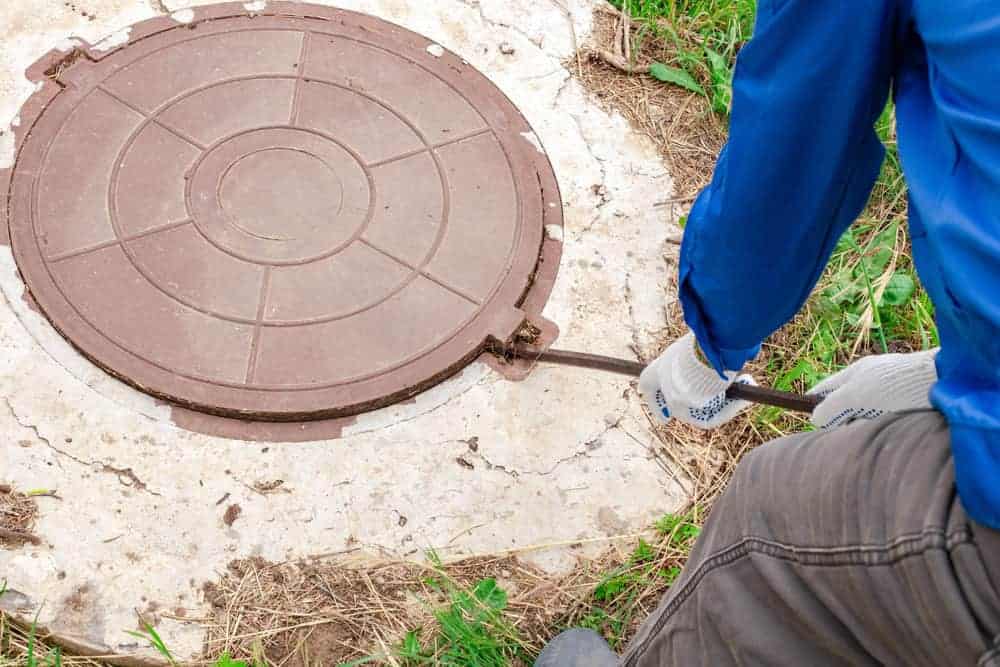
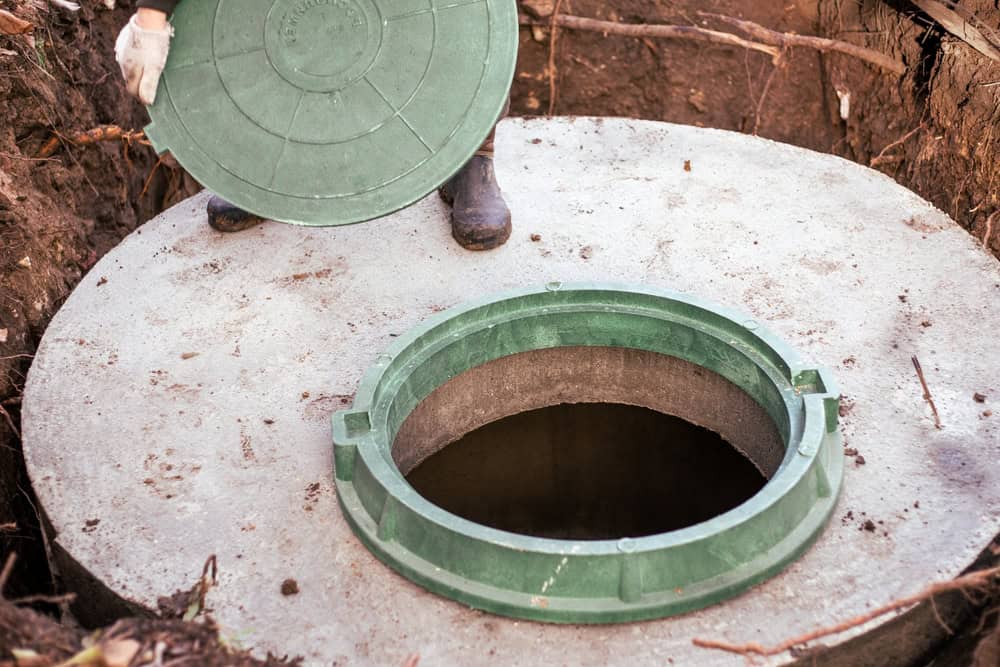
First, locate your septic tank. Many homeowners don’t know exactly where their tank sits on their property. It’s usually 10 to 15 feet from your home’s foundation, following the path of your main sewer line. If you have a basement, check where the sewer pipe exits the wall—the tank is likely straight out from that point. Some systems have visible access ports or risers at ground level, making location easy. Others are buried several inches or even feet underground.
We use specialized equipment to locate buried tanks when needed. Once found, we’ll excavate the access port if it’s buried, then remove the lid. This is where you see the difference between basic pumping and complete cleaning.
What Quality Septic Cleaning Services Include
Thorough septic cleaning involves more than just removing visible waste. Our technician inserts a large vacuum hose into your tank and begins pumping out contents. But quality service includes multiple steps that less experienced providers might skip.
After initial pumping, we flush clean water back into the tank, then pump it out again. This back-and-forth process breaks up compacted sludge at the bottom and scum stuck to the walls. Some solid waste is surprisingly stubborn—it won’t come out with a single pass. Proper cleaning requires this agitation and multiple pumping cycles.
When finished, your tank should be nearly empty except for a small amount of liquid and a thin bacterial film on the walls. That film is important. It contains the anaerobic bacteria that break down organic waste. These bacteria need time to repopulate after pumping—usually one to three weeks—which is why you might notice slightly slower drainage immediately after service.
During pumping, we inspect your tank’s condition. We check inlet and outlet baffles, which prevent solids from flowing into your drainfield. Concrete baffles degrade over time due to corrosive gases inside the tank. Damaged or missing baffles allow solids to escape, clogging your drainfield and causing system failure. Replacing a baffle costs a few hundred dollars. Replacing a clogged drainfield costs tens of thousands.
We also look for cracks in the tank walls, signs of groundwater infiltration, and proper liquid levels. If your tank is constantly full of water even after pumping, you might have a leak allowing groundwater to seep in. This overloads your system and prevents proper treatment.
For Suffolk County, NY homeowners, professional service should include disposal of waste at an approved treatment facility. We transport waste to municipal treatment plants or approved disposal sites. This protects local water quality and ensures compliance with environmental regulations. Never hire unlicensed operators who offer suspiciously low prices—they may be dumping waste illegally, which creates environmental hazards and legal liability for you as the property owner.
Our camera inspection services add another layer of insight. Modern fiber-optic cameras can travel through your pipes, showing the actual condition of your system’s interior. This technology identifies root intrusion, pipe damage, blockages, and structural problems that aren’t visible during standard pumping. For older systems or properties with recurring issues, camera inspection provides information that guides repair decisions and prevents guesswork.
Maintaining Your Septic System Between Professional Cleanings
What you do between professional cleanings determines how long your system lasts and how well it functions. Your daily habits directly impact your septic system’s health.
Water conservation helps tremendously. The average person uses 70 gallons of water daily. A leaky toilet can add 200 gallons per day. All that water flows into your septic tank. The more water entering your system, the less time waste has to settle and separate. Efficient water use improves treatment and reduces failure risk.
Fix leaky faucets and running toilets promptly. Install low-flow fixtures and high-efficiency toilets. Spread out laundry loads instead of doing five loads in one day. These small changes reduce the volume of water overwhelming your system.
What goes down your drains matters as much as how much water you use. Your septic system relies on bacteria to break down organic waste. Harsh chemicals kill these beneficial bacteria, disrupting treatment. Limit use of antibacterial soaps, chlorine bleach, and chemical drain cleaners. When you need to clear a clog, try boiling water or a drain snake instead of caustic chemicals.
Never flush anything except human waste and toilet paper. “Flushable” wipes aren’t actually flushable—they don’t break down in septic tanks and cause clogs. The same goes for feminine hygiene products, dental floss, paper towels, cat litter, cigarette butts, and any other solid items. These materials accumulate in your tank, filling it faster and potentially clogging your drainfield.
Garbage disposals create problems for septic systems. Food waste adds significant solid material to your tank, increasing how often you need pumping. Vegetable matter contains cellulose that bacteria can’t easily digest, so it accumulates quickly. If you have a disposal, use it sparingly and expect to pump your tank more frequently—possibly every year instead of every three years.
Protect your drainfield. This is the most expensive component to repair or replace, so prevention is critical. Never drive or park vehicles over your drainfield. The weight compresses soil, crushing pipes and reducing the soil’s ability to absorb and treat wastewater. Don’t plant trees or shrubs near the drainfield. Roots seek out the nutrient-rich water and can infiltrate pipes, causing blockages and damage.
Keep detailed maintenance records. Write down when your tank was last pumped, what the technician found, and any repairs made. Note the sludge and scum levels if the technician measures them. This information helps you predict when you’ll need service again and provides valuable history if problems develop. Many homeowners don’t know when their tank was last serviced, making it impossible to maintain a proper schedule.
Suffolk County, NY’s environmental conditions require extra awareness. Sandy soil means wastewater moves quickly toward groundwater. Your septic system isn’t just processing your household waste—it’s protecting the drinking water supply for your entire community. Proper maintenance isn’t just about your convenience; it’s about environmental responsibility.
Protecting Your Suffolk County Home with Regular Septic Maintenance
Your septic system works every single day, treating thousands of gallons of wastewater without complaint—until it can’t anymore. By then, you’re facing emergency service calls, property damage, health hazards, and repair bills that can easily exceed $20,000. The difference between a system that serves your home reliably for decades and one that fails prematurely comes down to understanding what it needs and providing regular professional cleaning.
Most Suffolk County, NY homes need septic cleaning every three to five years, though your specific schedule depends on household size, water usage, and system age. Watch for warning signs like slow drains, gurgling sounds, foul odors, or pooling water—these tell you service is overdue. Between professional cleanings, conserve water, avoid harsh chemicals, and never flush anything except waste and toilet paper.
The small investment in routine maintenance prevents catastrophic failures that cost tens of thousands to repair. More importantly, it protects your family’s health and Long Island’s drinking water quality. When your system needs professional attention, we bring four generations of experience and local expertise to every job. Reach out to schedule your septic system cleaning and keep your home running smoothly.