Summary:
Your neighbor just paid $425 for cesspool cleaning. The company you called quoted $675 for what sounds like the same service. Another quoted $350 but mentioned “additional fees may apply.” You’re left wondering what cesspool cleaning actually costs and why the numbers are all over the place.
Here’s the reality: cesspool cleaning in Suffolk County typically costs between $400 and $700 for routine service, but that range exists for specific reasons. Tank size, how accessible your system is, how long since your last cleaning, and whether you’re calling for maintenance or an emergency all affect your final bill. Understanding these factors means you can spot fair pricing, avoid hidden fees, and make smart decisions that keep your system running without breaking your budget.
What Affects Cesspool Cleaning Costs in Suffolk County
Cesspool cleaning costs aren’t arbitrary. Three main factors determine whether you’re paying $400 or pushing past $700, and knowing what they are helps you understand quotes instead of just accepting numbers.
Tank size drives the baseline cost. A 750-gallon cesspool requires less time and disposal capacity than a 1,500-gallon system. Most Long Island homes have cesspools between 1,000 and 1,500 gallons, which is why that $400-700 range covers most residential service. Smaller tanks might cost $300 to $400. Larger commercial systems can exceed $1,000 depending on capacity and waste volume.
How long you’ve waited between cleanings affects the work required. A cesspool that’s been pumped regularly every three years has manageable waste levels. A cesspool that hasn’t been touched in seven or ten years has excessive buildup that takes longer to remove, potentially requires additional equipment, and increases disposal costs. Some companies charge extra for severely neglected systems because the work involved is substantially more than routine maintenance.
How Tank Size and Household Use Impact Cesspool Service Cost
Your tank size gives you a starting point for cost estimates, but how your household uses water determines how often you need service and how much waste accumulates between cleanings. These factors compound over time into either affordable routine maintenance or expensive emergency situations.
Water usage patterns matter more than most homeowners realize. A family of two that’s conservative with water might comfortably go four years between pumpings with a 1,000-gallon cesspool. A family of six with teenagers taking long showers, running multiple loads of laundry daily, and using a garbage disposal might need service every two years with the same size tank. The difference isn’t the cesspool. It’s what goes into it.
Garbage disposals specifically increase solid waste in your cesspool. Every time you grind food waste down the drain, you’re adding material that needs to be pumped out eventually. Households that use garbage disposals heavily need more frequent service than those that compost or trash food scraps. That frequency translates directly to annual costs.
Commercial properties operate on completely different schedules. Restaurants, office buildings, and businesses generate wastewater at volumes that require pumping every 30 to 120 days depending on usage. A restaurant with heavy kitchen waste might need monthly service. An office building might stretch to quarterly. These frequent cleanings cost more annually than residential service, but the alternative is system failure that shuts down operations and costs exponentially more in lost revenue and emergency repairs.
Suffolk County regulations create additional cost considerations most homeowners don’t think about until it’s too late. If you’ve been skipping maintenance and your system fails, you’re not just looking at higher cleaning costs. You’re facing mandatory replacement under current codes. Since July 2019, failed cesspools must be replaced with modern septic systems or advanced nitrogen-reducing technology. That’s $8,000 to $15,000 for traditional septic systems, or $25,000 and up for the I/A OWTS systems now required for new construction and major renovations.
The frequency of your routine cleanings directly impacts long-term costs. Pumping every two to three years costs $400 to $700 per service. Over a decade, you’re looking at $2,000 to $3,500 total. Skip maintenance and wait for failure, and you’re facing $8,000 to $25,000 replacement costs plus potential property damage, cleanup expenses, and health department fines if contamination affects neighboring properties.
Long Island’s unique conditions add another layer. Clay soil in many Suffolk County areas slows drainage, which means cesspools fill faster when they reach capacity. Sandy soil areas drain quickly but can allow contamination to spread more rapidly if systems overflow. The high water table across much of Long Island creates challenges during heavy rains or seasonal water table rises. We’re familiar with these local conditions and factor them into service recommendations and pricing.
Hidden Fees and Pricing Transparency in Cesspool Cleaning Cost
The cesspool service industry has companies that tell you exactly what you’ll pay upfront and others that use pricing games to inflate bills after you’ve committed. Knowing the difference protects you from turning a reasonable $450 quote into a $750 surprise.
Transparent pricing means you know the total cost before work starts. We assess your situation, explain what’s included, and identify any additional charges upfront. That quote should cover locating and accessing your cesspool, complete pump-out of all accumulated waste, basic system inspection during service, proper disposal at approved facilities, and securing lids when finished. No surprises.
Hidden fees appear in predictable patterns. Some companies quote a low base price but charge separately for disposal fees they didn’t mention initially. Others add “accessibility charges” when they arrive if your lid isn’t conveniently exposed, even though they could have asked about that during scheduling. Watch for hourly rates that mysteriously take longer than estimated, or companies that discover “necessary repairs” during routine service that inflate your bill significantly.
The disposal fee tactic deserves special attention. Legitimate disposal costs exist. Cesspool waste must go to approved facilities, and those facilities charge for processing. Honest companies include disposal in their quoted price or clearly state it as a separate line item upfront. Companies that use disposal fees to pad bills quote low, then hit you with disposal charges that weren’t disclosed during initial conversations.
Emergency fees are reasonable when they’re actually for emergencies. After-hours service, weekend calls, and genuine urgent situations cost more because technicians are working outside normal business hours. That premium typically adds 50 to 100 percent to base costs. What’s not reasonable is companies that classify everything as an emergency to justify premium pricing. Slow drains that have been developing for weeks aren’t an emergency. Sewage backing into your home is. A trustworthy company explains the difference instead of using urgency to inflate prices.
Suffolk County homeowners deal with specific challenges that affect what fair pricing looks like. Long Island’s soil conditions vary dramatically even within the same neighborhood. Properties with clay soil need different approaches than sandy soil properties. The high water table in coastal and low-lying areas creates complications during service. Companies with genuine local experience handle these efficiently, which often means lower costs because they’re not learning on your property.
Accessibility charges are legitimate when they’re disclosed upfront and reflect actual additional work. If your cesspool lid is buried under three feet of landscaping that’s been added since installation, the crew needs extra time to locate and access it. That might add $100 to $200 to your bill. Fair enough, as long as they told you that would happen before starting work. What’s not fair is showing up, claiming your system is “harder to access than normal,” and adding charges you had no way to anticipate.
The cost difference between scheduled maintenance and emergency service is substantial and completely avoidable. Routine cleaning when your system is due runs that $400-700 range. Emergency service when your system has failed can hit $1,200 to $2,400 or more, not including cleanup or repairs. That’s three to four times normal rates. The math makes a compelling case for staying on schedule rather than waiting for problems.
Cesspool Pumping Cost vs Long-Term Replacement Expenses
Understanding cesspool pumping cost means looking past the immediate service bill to what you’re actually preventing. Regular cleaning isn’t just about keeping drains flowing this month. It’s about avoiding catastrophic failures that cost ten to fifty times more than routine maintenance.
Standard cesspool pumping runs $400 to $700 every two to three years for most Suffolk County households. Spread that over a decade and you’re looking at roughly $2,000 to $3,500 in total maintenance costs. Compare that to complete system replacement, which starts around $8,000 for traditional installations and can exceed $25,000 for nitrogen-reducing systems now required under Suffolk County regulations for failed cesspools.
Those replacement numbers don’t capture the full financial impact. When a cesspool fails, you’re also dealing with property damage from sewage backups, professional cleanup services that run $3,000 to $7,000, potential temporary housing if your home becomes uninhabitable, landscaping restoration after excavation, and possible fines from the health department if contamination affects neighboring properties or groundwater. Some homeowners face $20,000 or more in total costs when severely neglected systems fail catastrophically.
What Drives Cesspool Service Cost Differences Between Companies
Not all cesspool service costs the same because not all service is the same. Understanding what separates a $400 quote from a $700 quote for seemingly identical work helps you evaluate whether you’re getting value or getting taken advantage of.
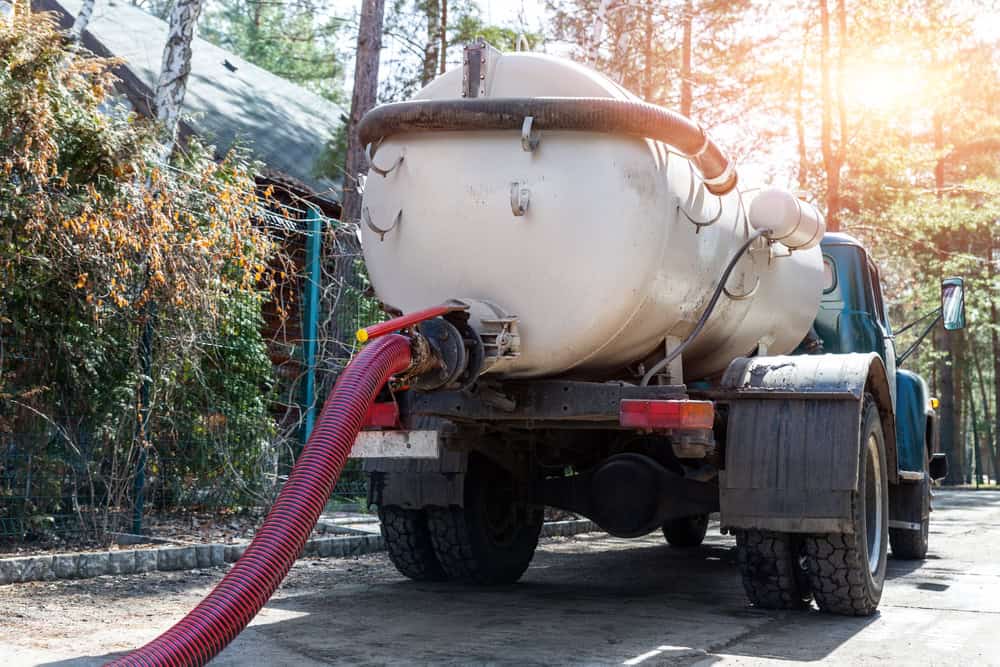
Experience and equipment quality affect pricing legitimately. Companies with modern, efficient trucks complete jobs faster and more thoroughly than operations running outdated equipment. Newer vacuum trucks have better capacity, more powerful pumps, and features that reduce service time. Those efficiencies can translate to lower costs despite higher-quality service. Conversely, companies with old equipment might quote lower prices but take longer, do incomplete work, or miss warning signs that lead to expensive problems down the road.
Licensing and insurance aren’t optional in Suffolk County, but they represent real operating costs that companies factor into pricing. Fully licensed and insured operations pay for proper credentials, liability coverage, worker’s compensation, and regulatory compliance. That protects you legally and ensures work meets local codes. Companies that skip these requirements might charge less, but you’re assuming significant risk. If something goes wrong during service, you’re potentially liable.
Disposal and environmental compliance represent substantial costs that honest companies include transparently. Cesspool waste must be disposed of at approved facilities following strict environmental regulations. Proper disposal isn’t cheap, and companies that handle it correctly factor those fees into their quotes. Companies that cut corners on disposal might charge less, but they’re creating environmental violations you could be held responsible for as the property owner.
The scope of service included in quoted prices varies more than most homeowners realize. Some companies provide basic pump-out only. You call, they pump, they leave. We include thorough system inspection, identification of potential issues before they become emergencies, recommendations for maintenance schedules customized to your household, and detailed service records that help track your system’s performance over time. That additional value justifies moderately higher pricing if it helps you avoid future problems and extends your system’s lifespan.
Local knowledge and response time matter specifically for Long Island properties. We’re familiar with Suffolk County regulations, navigate Article 6 requirements, understand permit processes, and provide accurate guidance on compliance issues. We know how Long Island’s clay soil affects drainage, how the high water table impacts system performance, and how seasonal challenges like winter freezes or summer water table rises require different approaches. This expertise translates to more efficient service and better long-term outcomes.
Reputation and customer service reflect in pricing too, and often prove worthwhile. Companies with established reputations for quality work, transparent communication, and customer satisfaction might charge moderately more than unknown competitors. That premium typically pays off when you need reliable service, accurate advice, and confidence that work is done properly the first time without surprises or comebacks.
When Cesspool Cleaning Cost Becomes Emergency Repair Cost
The line between routine cesspool cleaning and emergency repair isn’t always obvious until you’ve crossed it, but recognizing warning signs early keeps you in the affordable maintenance category instead of the expensive emergency category.
Slow drains throughout your home signal your cesspool is approaching capacity. When multiple fixtures drain slowly, not just one isolated sink or toilet, your system is telling you it needs attention soon. Address it at this stage and you’re looking at routine service costs in that $400-700 range. Wait until drains stop working completely and you’re dealing with an emergency that costs $1,200 to $2,400 or more.
Sewage odors around your property indicate your system is struggling to process waste properly. If you smell raw sewage inside your home, coming from drains or vents, or outside near your cesspool location, waste isn’t going where it should. This is your window to schedule service before the situation escalates. Once sewage surfaces in your yard or backs up into your home, you’re facing emergency response costs plus potential cleanup and remediation expenses that can exceed $7,000.
Wet spots or unusually lush grass over your cesspool location mean your system is leaking or overflowing. What looks like healthy lawn growth is actually sewage fertilizing your yard, which creates health hazards, environmental contamination, and potential violations of Suffolk County health codes. This moves you from maintenance territory into repair territory quickly, with costs that reflect the urgency and additional work required to address contamination.
Gurgling sounds from plumbing fixtures indicate air displacement as your system struggles to handle waste. These sounds aren’t normal plumbing noises and they’re not minor issues you can ignore. They’re warnings that your cesspool is nearing failure. The progression from gurgling to complete backup happens faster than most homeowners expect, especially in Long Island’s clay soil areas where drainage slows dramatically once systems reach capacity.
Complete sewage backup into your home represents the emergency scenario you’ve been trying to avoid through routine maintenance. At this point, you’re not just paying for cesspool pumping. You’re paying emergency service rates that run three to four times normal costs, professional sewage cleanup and sanitization, potential temporary housing while your home is uninhabitable, property damage repairs to flooring and walls, and possibly health department fines if the situation has created code violations or environmental contamination.
The cost difference is substantial and completely preventable. Routine maintenance when your system is functioning costs $400-700 and takes a few hours on a scheduled day that’s convenient for you. Emergency response when your system has failed runs $1,200 to $2,400 or more just for pumping, plus all the additional costs that come with sewage exposure and property damage. The total bill for a cesspool emergency can easily exceed $10,000 when you factor in cleanup, repairs, and temporary housing.
Suffolk County’s regulatory environment adds another expensive layer to emergency situations. If your system fails and requires replacement, you can’t simply install another cesspool under current regulations. The July 2019 ban on cesspool-only replacements means you’re required to upgrade to a modern septic system with nitrogen reduction capabilities. These advanced I/A OWTS systems cost $25,000 or more, dramatically more than the routine $400-700 maintenance you could have been doing every few years.
Insurance typically doesn’t cover cesspool failures resulting from lack of maintenance. Most homeowner policies classify these as preventable maintenance issues, not covered incidents. That means you’re paying for emergency pumping, cleanup, repairs, and temporary housing entirely out of pocket when a neglected system fails. The financial impact can be devastating, especially when you realize that $2,000 to $3,500 in routine maintenance over a decade would have prevented the entire situation.
Making Smart Decisions About Cesspool Cleaning Costs
Cesspool cleaning costs in Suffolk County range from $400 to $700 for routine service, with specific factors like tank size, accessibility, service frequency, and how long you’ve waited between cleanings affecting where you land in that range. Understanding these factors helps you budget accurately, evaluate quotes from different companies, and spot hidden fees before they become problems.
The real value of routine cleaning extends far beyond keeping your system flowing today. Regular maintenance every two to three years prevents the $8,000 to $25,000 system replacements required when cesspools fail, avoids emergency service calls that cost three to four times normal rates, and protects you from property damage and cleanup expenses that can exceed $10,000. The math strongly favors staying on schedule.
When you’re ready to schedule service or need expert guidance on your specific situation, we provide transparent pricing, experienced service, and the local Long Island expertise that makes a difference. Four generations of family business means understanding what Suffolk County homeowners face and delivering reliable solutions without hidden fees or unnecessary upselling.