Summary:
You just discovered sewage backing up into your basement or bathroom. That smell hits first, then the reality of what you’re dealing with. This isn’t a situation where you can wait until Monday or try handling it yourself. Raw sewage carries bacteria like E. coli, hepatitis A, and salmonella that threaten your family’s health with every passing hour. The longer contaminated water sits, the deeper it penetrates floors and walls, and the more expensive cleanup becomes. You need to know exactly what to do right now—and what mistakes could make everything worse. This guide gives you the immediate action steps Suffolk County homeowners need, plus what to expect from professional sewage backup cleaning services.
What To Do Immediately During A Sewage Backup Emergency
The first hour determines whether you’re looking at manageable cleanup or catastrophic damage. Your immediate actions either contain the problem or let it spread throughout your property.
Stop all water use right now. Don’t flush toilets, run faucets, or use appliances like dishwashers and washing machines. Every drop you send down the drain forces more sewage back into your home. This single step prevents the backup from getting exponentially worse while you wait for professional help.
Get everyone out of the contaminated area, especially children, elderly family members, and pets. Raw sewage isn’t just dirty water—it’s a biohazard that spreads dangerous pathogens through direct contact and airborne particles. Keep people away from affected rooms until professionals arrive with proper protective equipment.
Sewage Backup In Basement: Critical Safety Steps
Basements present unique dangers during sewage backups because contaminated water pools in the lowest point of your home, often near electrical systems and appliances. Standing sewage around outlets, water heaters, furnaces, or sump pumps creates serious electrocution risks.
If you can safely access your electrical panel from outside the contaminated zone, shut off power to the affected area. Never walk through standing sewage water to reach a breaker box. If your main panel is in the flooded basement, call your utility company or an electrician to cut power safely. Sewage and electricity is a combination that kills people every year—don’t become a statistic.
Document everything from a safe distance. Take photos and videos showing water levels, damaged belongings, and visible problems with your plumbing or drains. Capture the extent of contamination without getting close to the sewage itself. This documentation becomes critical for insurance claims later. Most homeowners discover their coverage includes sewage backup when handled by licensed professionals who provide proper documentation.
Wear protective gear if you absolutely must enter the area before professionals arrive. We’re talking rubber boots, waterproof gloves, N95 respirator mask, and eye protection at minimum. Sewage contains bacteria and viruses that enter your body through any exposed skin, cuts, or mucous membranes. Even brief contact can cause serious illness.
Suffolk County’s sandy soil and high water table mean sewage backups here often involve additional complications. The same soil conditions that make our cesspools and septic systems fail faster also allow contamination to spread more quickly through building materials. What looks like a small backup on the surface might have already penetrated deep into your foundation, subfloor, and wall cavities. Professional assessment with moisture detection equipment reveals the true extent of damage that you can’t see.
Who To Call And What Not To Do
Call a professional sewage cleanup company immediately—not a regular plumber, not a general handyman, and definitely not a carpet cleaning service. Sewage backup requires specialized biohazard training, EPA-approved disinfectants, and industrial extraction equipment that standard plumbers don’t carry. You need certified restoration technicians who understand contamination control, not someone who snakes drains.
Many Suffolk County homeowners waste precious hours calling companies that promise same-day service but never show up. When you’re dealing with raw sewage, “we’ll try to get someone there today” isn’t good enough. You need a company with 24/7 emergency response that actually dispatches technicians immediately. Ask for an arrival time, not vague promises.
Contact your insurance company early in the process, but don’t wait for their approval before starting emergency cleanup. Most policies require you to mitigate damage promptly. Waiting days for an adjuster while sewage sits in your basement can actually void your coverage. Professional restoration companies work directly with insurance providers and handle documentation that supports your claim.
Never attempt DIY sewage cleanup beyond the immediate safety steps. This isn’t about saving money—it’s about protecting your health and your home. Household cleaners don’t kill the pathogens in raw sewage. Shop vacuums aren’t designed for biohazard extraction. You don’t have moisture meters to detect hidden water damage that causes mold growth. And you certainly don’t have the training to safely handle materials contaminated with human waste.
Don’t use chemical drain cleaners or attempt to snake the line yourself during an active backup. These products can’t fix the underlying problem and may create dangerous chemical reactions when they mix with sewage. If your system is backing up, the blockage is beyond what household products can address. You need professional diagnosis to identify whether the problem is in your lateral line, your cesspool, your septic system, or the municipal main.
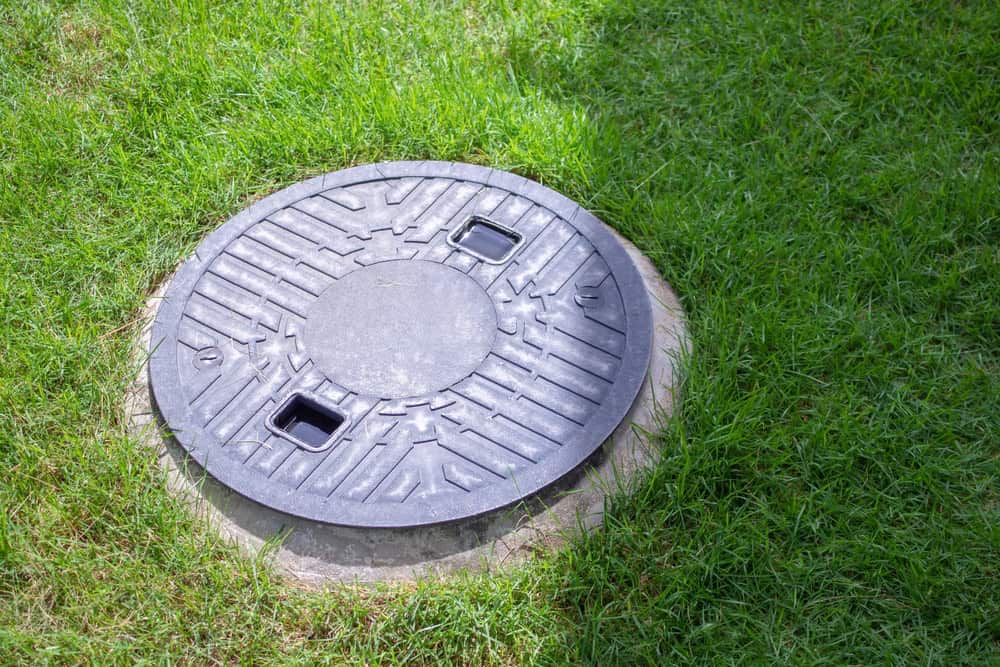
Suffolk County’s unique infrastructure adds another layer of complexity. Many homes here still operate on cesspools rather than modern septic systems, and the two require different emergency responses. A company without local Long Island experience might not even recognize what type of system you have, let alone how to address failures specific to our sandy soil and aging infrastructure. You need technicians who understand the difference between cesspool backups and septic tank issues.
Professional Sewage Restoration Process And What It Involves
Professional sewage backup cleaning follows strict protocols designed to eliminate contamination, prevent mold growth, and restore your property to safe, habitable condition. This isn’t a quick mop-up job—it’s a systematic decontamination process.
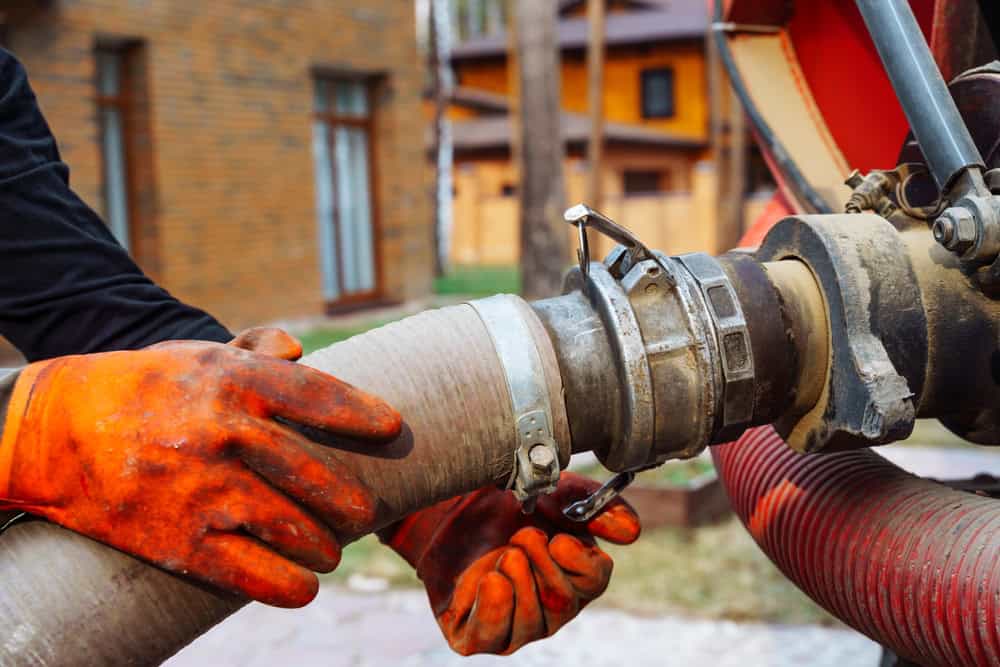
Certified technicians arrive with truck-mounted extraction equipment, containment barriers, protective gear, and EPA-approved sanitizers. They assess the contamination level, identify the sewage category, and develop a remediation plan specific to your situation. The first priority is always containment—preventing sewage from spreading to unaffected areas of your home.
Extraction removes standing sewage water using industrial pumps far more powerful than anything you can rent. Then comes removal of contaminated materials. Porous items like carpet, padding, drywall, and insulation that contacted sewage typically get removed and disposed of following biohazard protocols. These materials act like sponges, holding bacteria deep inside where surface cleaning can’t reach.
Sewage Backup Cleanup Cost: What You're Actually Paying For
Sewage cleanup costs range from $2,000 to $10,000 for most Suffolk County homes, with severe cases reaching $15,000 or more. That’s not a random number—it reflects the specialized equipment, training, disposal requirements, and time involved in proper decontamination.
The cost breaks down into several components. Extraction and initial cleanup typically run $7 to $14 per square foot of affected area. A 200-square-foot basement backup starts around $1,400 just for water removal and initial sanitization. Disposal of contaminated materials adds significant expense because sewage-soaked items require special handling and can’t go in regular dumpsters.
Professional-grade sanitization uses EPA-approved antimicrobial treatments that actually kill pathogens in raw sewage. These aren’t products you can buy at hardware stores. Industrial dehumidifiers and air movers that dry your property thoroughly enough to prevent mold growth cost hundreds per day to operate. Structural drying takes days, not hours, because hidden moisture in wall cavities and subfloors needs time to evaporate completely.
Several factors drive your specific cost higher or lower. Extensive contamination affecting multiple rooms costs more than a single bathroom backup. Basements and crawl spaces require specialized equipment and cost more to clean than ground-level areas. The longer sewage sits before cleanup starts, the more materials need replacement and the higher your bill climbs. Mold remediation adds thousands if contamination isn’t addressed within 24 to 48 hours.
Insurance coverage varies dramatically between policies. Standard homeowner’s insurance often excludes sewage damage unless you purchased specific sewer backup endorsements. These riders typically cost $5 to $6 per month but provide $10,000 to $25,000 in coverage. Many Suffolk County homeowners don’t realize they lack this coverage until they file a claim. Professional restoration companies help navigate insurance documentation and maximize your reimbursement.
The real question isn’t whether professional cleanup costs too much—it’s whether you can afford not to use professionals. DIY attempts miss hidden contamination that causes mold, structural damage, and ongoing health problems worth far more than the initial cleanup cost. Improper handling can also void insurance coverage, leaving you paying for everything out of pocket.
Sewage Restoration: From Contamination To Safe Living Space
Sewage restoration goes beyond cleanup—it’s about returning your property to pre-loss condition and ensuring no contamination remains. This process follows industry standards set by organizations like the IICRC that define proper protocols for biohazard remediation.
After extraction and material removal, technicians thoroughly clean all remaining surfaces. This means scrubbing walls, floors, and any salvageable items with antimicrobial solutions, then applying disinfectants that eliminate bacteria, viruses, and parasites. The process repeats multiple times because sewage contamination requires redundant sanitization to achieve safe microbial levels.
Odor elimination addresses more than just unpleasant smells. Lingering sewage odors indicate bacteria are still present and actively off-gassing. Professional deodorization uses techniques like thermal fogging, ozone treatments, or hydroxyl generators that neutralize odor molecules at the source rather than masking smells with fragrances. If you can still smell sewage after cleanup, the job isn’t finished.
Structural drying prevents secondary damage that often costs more than the initial backup. Moisture trapped in building materials creates perfect conditions for mold growth within 24 to 48 hours. Suffolk County’s humidity makes this timeline even shorter during summer months. Restoration technicians use moisture meters and thermal imaging cameras to detect hidden water in places you can’t see—behind baseboards, inside wall cavities, under flooring.
Air movers and dehumidifiers run continuously for days, with technicians monitoring moisture levels until everything reaches acceptable dryness. This isn’t about how things look or feel to the touch—it’s about measured moisture content in materials. Wood framing needs to drop below 15% moisture content. Concrete needs to reach specific dryness levels. Professional equipment and monitoring ensure thorough drying that prevents future problems.
Restoration work rebuilds what was removed. New drywall, flooring, baseboards, and insulation get installed to match existing finishes. This phase transforms your property from a construction zone back into livable space. Reputable restoration companies provide warranties on their work, giving you recourse if problems develop later.
Final testing confirms the space is safe. Some restoration companies perform clearance testing that measures microbial levels and ensures contamination was fully eliminated. This documentation proves your home is safe for occupancy and provides peace of mind that invisible threats are gone. It’s also valuable if you ever sell the property—buyers want proof that sewage damage was professionally remediated.
Getting Reliable Emergency Sewage Backup Cleaning In Suffolk County, NY
Sewage backup demands immediate professional response, not companies that promise same-day service but leave you waiting. Every hour contamination sits in your home increases health risks, damage costs, and the chance of permanent problems like mold infestations.
The right response starts with stopping water use, evacuating the area, documenting damage, and calling certified restoration technicians who actually show up fast. Professional sewage backup cleaning eliminates contamination you can’t see, prevents mold growth, and restores your property to safe condition using equipment and protocols you can’t replicate yourself.
Understanding typical costs, insurance coverage, and what proper restoration involves helps you make informed decisions during a crisis. When sewage backup strikes your Suffolk County home, we provide the emergency response and professional cleanup that protects your family’s health and your property value.